Zibo

China · Shandong

Zibo

Ancient Qi State capital with historic sites and natural beauty

Best for

Ancient Qi HeritageHistoric TownsNatural SceneryLocal Cuisine

Recommended stay

3-4 days

Best season

Spring and autumn

Location

China, Shandong

Snapshot

City Snapshot

A city at a glance

6 dimensions · 1–5 scale

PandaLoco's read of six travel-relevant dimensions on a 1–5 scale, built from public datasets and our travel criteria.

It describes the city's profile. It is not a ranking of better or worse cities.

Basis: Public datasets and PandaLoco travel criteria

Overview

Zibo, in Shandong, was the capital of Qi State for 800 years; it features ancient towns, museums, and natural scenic areas.

Ideal Pace

3-4 days

Seasonal Window

Spring and autumn

Overview

Zibo in Shandong is a historical city, birthplace of Qi Culture; Linzi District was the capital of Qi State for 800 years.

Brief Guide

Zibo in Shandong province is a famous historical and cultural city. Its Linzi District was the capital of the Qi State for about 800 years, from the Spring and Autumn Period through the Warring States Period. It is the birthplace of Qi Culture. With numerous cultural relics and historic sites, it is known as the "Underground Museum." The Qi Heritage Museum, the China Ancient Car Museum, and the Guanzhong Mausoleum are renowned both in China and abroad. Zibo also boasts magnificent natural scenery. The area where the lower reaches of the Yellow River meet the northern plains is called "Northern China's River Landscape." Mata Lake has excellent water quality. The southern mountains include two forest parks: Lushan National Park and Yuanshan National Forest Park. The splendid landscape makes it an excellent place for mountain climbing.
Getting There & Around

Zibo Railway Station connects to major cities; local buses run frequently, with direct routes to attractions during holidays.

How to Get There

Zibo's transportation network is well-connected, with Zibo Railway Station and Jinan Yaoqiang International Airport serving as the primary hubs for intercity travel.

Zibo Railway Station is a significant junction, offering both high-speed and normal-speed train services to major cities such as Beijing, Shanghai, and Qingdao. Located in the Zhangdian District, it is approximately 5 kilometers from the city center and is easily accessible by city buses.

The station has recently seen the opening of a new building to the south, enhancing its capacity and facilities.

Jinan Yaoqiang International Airport, while not in Zibo, is the nearest airport, situated about 77 kilometers away. It serves as the gateway for air travel to and from Zibo, connecting the city to various domestic and international destinations.

Local Transportation

Zibo's bus network is a key part of local transportation, with frequent services running every 10 minutes from major points like the campus to the city center. New direct bus routes have been introduced during holidays to connect districts and attractions.

Taxis are plentiful and inexpensive, offering a flexible alternative to buses. Public buses are automated and cost CNY 1 per ride.

  • Bus Number 7 and 88: Direct access to the city center and Zibo Railway Station, ideal for shopping and sightseeing.
  • Bus No. 6 (tourist special): Runs between Zhangdian District and Linzi District for CNY 4, serving visitors interested in cultural and historical sites.

Practical Information

Mandarin with local dialect; essential apps: Alipay, WeChat, Didi, Gaode Maps, Pleco; mobile data available; humid subtropical climate; be cautious in crowds.

Local Language

The official language in Zibo is Mandarin Chinese, with variations influenced by ancient Qi State culture. Translation services and language apps can help with communication. The local dialect has unique characteristics reflecting the area's history. When language barriers arise, using maps, gestures, and facial expressions can be effective.

Local Apps

  • Alipay: Widely used for cashless transactions by scanning a QR code
  • WeChat: Essential for communication, digital wallet, and ordering meals
  • Didi Chuxing: Ride-hailing service similar to Uber
  • Gaode Maps: Primary navigation app with accurate local directions
  • Pleco: Offline dictionary for English-to-Chinese translation

Internet and Communication

Tourists in China can purchase mobile data packages from local carriers such as China Mobile and Unicom.

  • China Mobile: prepaid data SIM cards with unlimited text messages and calls within China, high-speed connections (sometimes including 5G).
  • Unicom: SIM cards with data packs that include unlimited music applications, and no long-term contracts required.

Prices for eSIMs with unlimited data start at just $6 for China.

Public WiFi is widely available in places like airports, restaurants, coffee shops, and malls. However, connecting often requires a Chinese phone number for text verification, which can be challenging for travelers without a local SIM card.

Global WiFi devices like Skyroam offer a convenient alternative, allowing multiple devices to connect with no additional setup upon arrival.

Weather

Zibo, located in Shandong, China, has a humid subtropical climate with dry winters. The city experiences hot, humid summers and cold, dry winters, with four distinct seasons.

The average annual temperature is around 14°C (57.27°F), with July being the hottest month and January the coldest.

Zibo receives moderate rainfall, averaging 109.65 millimeters (4.32 inches) annually, with July being the wettest month.

  • Travelers should pack light, breathable clothing for summer and warm, insulated attire for winter.
  • It is advisable to carry an umbrella or raincoat for rainy days, especially in July.
  • Layering is recommended to adjust to varying temperatures.
  • Sunscreen and hats are essential for protection against the sun during hot summers.

Customs and Taboos

When visiting Zibo, it is important to take good care of your belongings in crowded places and avoid isolated areas at night to prevent theft and ensure safety.

Currency and Payment

In Zibo, WeChat Pay is a common payment method for foreign tourists and supports various international credit cards including Visa, Mastercard, and JCB. Foreigners can use WeChat Pay by binding their international credit cards.

  • Options are available for those without mainland bank cards, allowing payments to a wide range of merchants and services such as JD.com and Didi.
  • To use WeChat Pay, follow the process of adding a new bank card through WeChat, inputting card details, and creating a payment password.
  • Be mindful of specific requirements for binding overseas credit cards, such as verifying the card number and expiration date.

Top Experiences

Explore ancient marvels at Zibo Museum and Qichangcheng Relic Site, and visit the well-preserved Zhoucun Ancient Town.

Must-Try Local Experiences

  1. Discover the Ancient Marvels of Zibo: Explore Zibo's rich history at the Zibo Museum and Qichangcheng Relic Site, showcasing ancient Chinese architecture and defense systems.
  2. Visit Zhoucun Ancient Town: Step back in time to Zhoucun Ancient Town, with its well-preserved streets, traditional shops, and historical buildings.
  3. Discover the Linzi Football Museum: Football fans should visit the Linzi Football Museum to explore the history and development of football in China.
  4. Experience the Art of Ceramic Making: Visit the China Ceramics and Glass Museum to see exquisite porcelain pieces and try pottery making at a local workshop. You can also capture the intricate details of ancient and modern ceramic art at the Zibo Ceramics Museum.
  5. Attend a Local Shadow Puppet Show: Experience traditional shadow puppetry, a fascinating way to learn about local folklore and culture.
  6. Savor the Flavors of Zibo Cuisine: Indulge in Zibo BBQ, flatbread, and soup dumplings, known for their savory and hearty flavors.
  7. Visit the Zibo Night Market: Experience local food culture at the Zibo Night Market, bustling with food stalls offering a variety of snacks and delicacies.
  8. Capture the Beauty of Zibo's Skyline: Visit the Zibo TV Tower for panoramic views of the city skyline, especially stunning at night.

Food Highlights

Boshan tofu box, Zhoucun crispy biscuits, Boshan suguo, and Daokou pickles are local specialties.

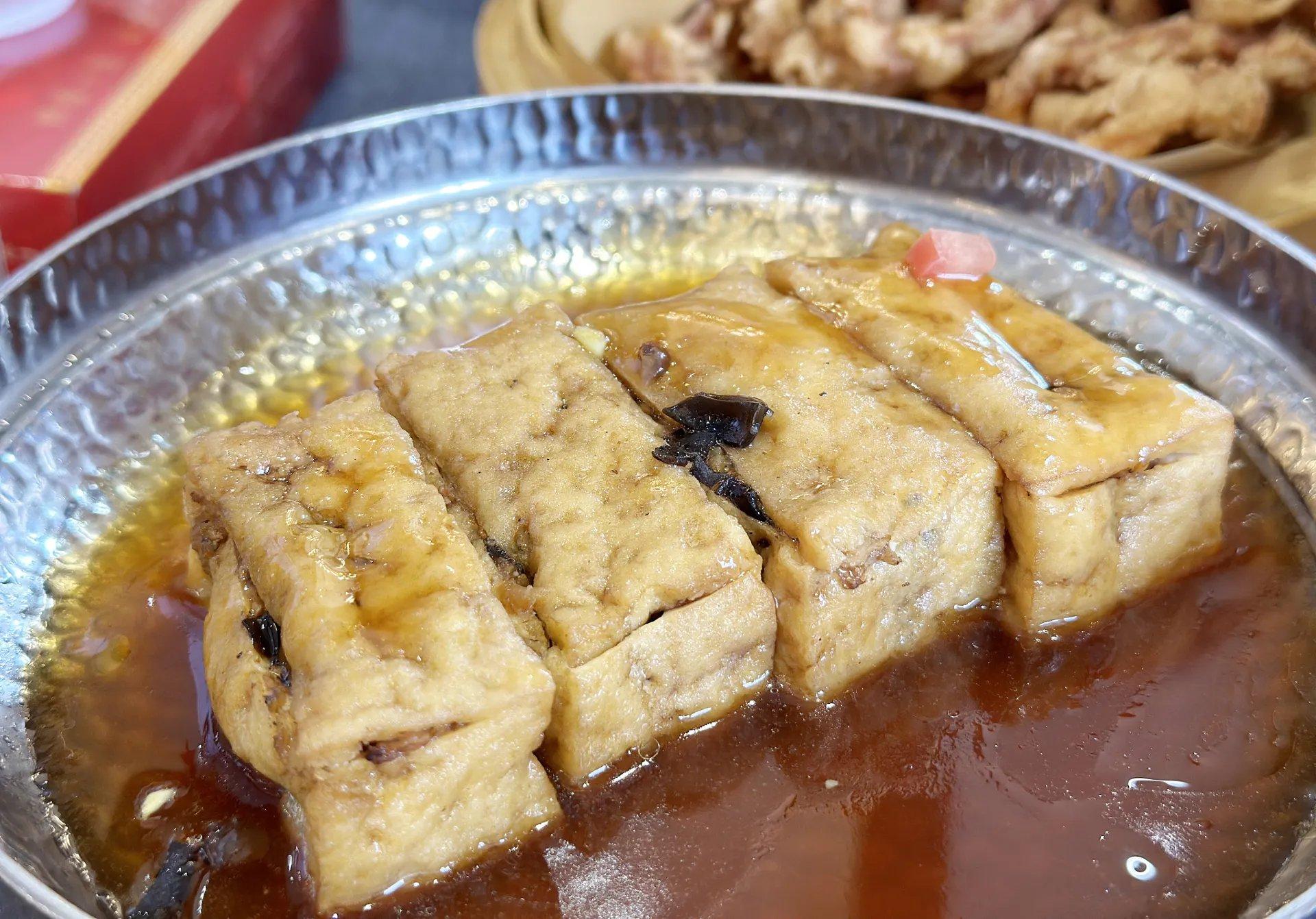
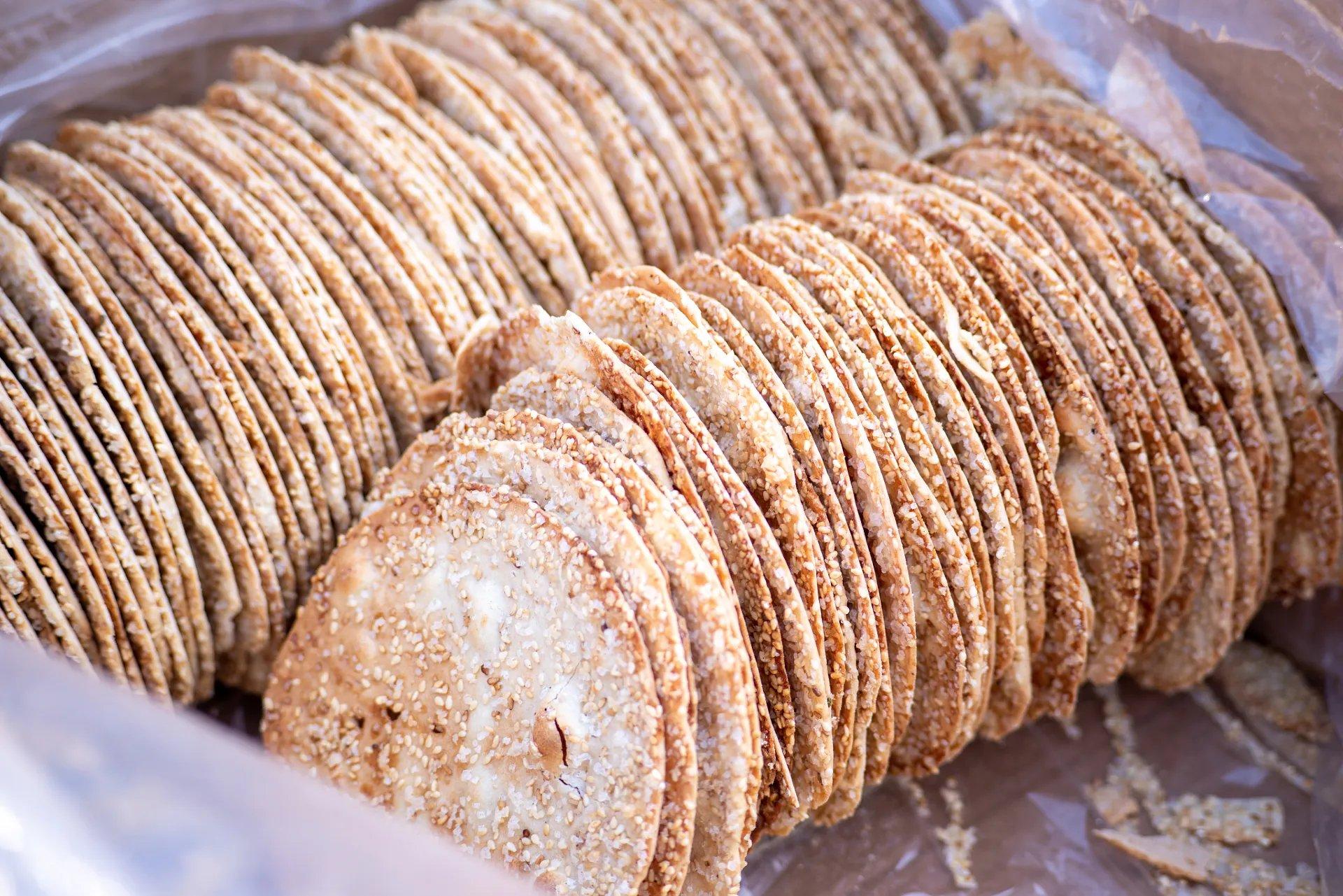
Zibo’s culinary delights are renowned for their traditional techniques and distinctive flavors. The selection includes the Boshan tofu box, customizable with various fillings; the crunchy and varied Zhoucun crispy biscuits; the labor-intensive Boshan crispy pots; and the regional specialty, Daokou pickles. Each dish provides a unique and rich taste experience.

Boshan Tofu Box

Boshan Tofu Box

As a standout traditional dish from Zibo, the Boshan Tofu Box is renowned for its customizable options, allowing diners to choose either meat-filled or vegetarian ingredients based on personal taste. The crafting of this dish is carried out with precision. What makes it truly unique is its rich texture and the versatility of its fillings, promising a new culinary adventure with every bite.

Zhoucun Crispy Biscuits

Zhoucun Crispy Biscuits

With a history stretching back to the Han Dynasty, Zhoucun sesame cakes are famed for their crisp texture and diverse fillings. As a traditional delicacy from Zibo, these biscuits boast a lengthy shelf life and have gained a strong following across the country due to their scrumptious taste.

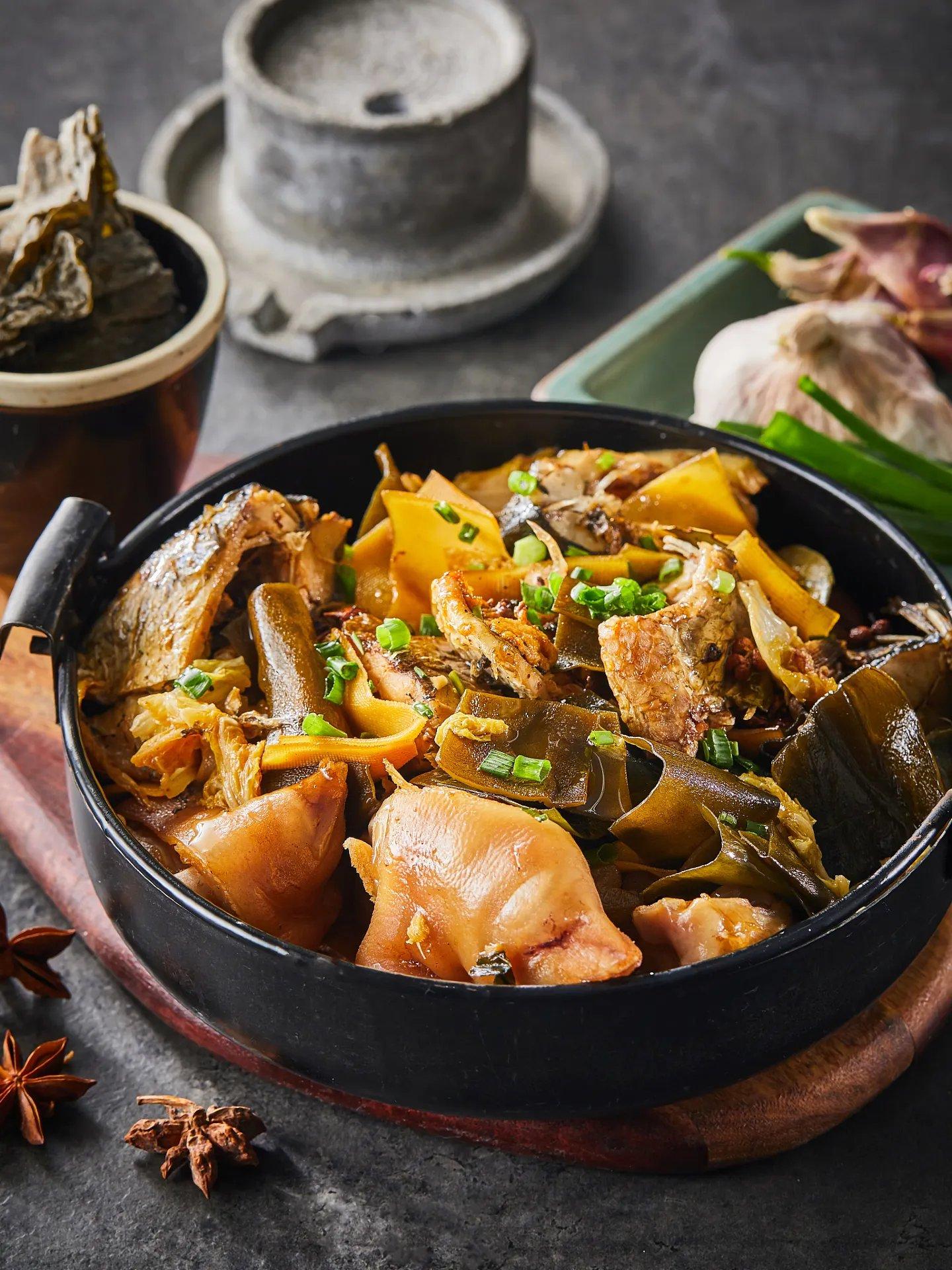
Boshan Suguo

Boshan Suguo

Boshan suguo, also known as Boshan crisp fish pot, is a beloved traditional dish from Zibo, celebrated for its delightful crispiness. It is particularly favored for serving guests during significant celebrations like the Chinese New Year. The dish demands extensive and careful preparation to achieve the perfect combination of flavors and textures in both the meat and accompanying ingredients.

Daokou Pickles

Originating from Daokou Village in the Zichuan District, these pickles are renowned for their distinctive preparation techniques and taste. When combined with local dishes, they enhance the meal with their unique flavor, offering an authentic taste of Zibo's home cuisine.

Boshan Barbecue

This traditional culinary delight, with a rich history spanning over a century, undergoes a meticulous preparation process. Initially, the meat is air-dried naturally, then deboned and sliced into elongated strips. It is seasoned with table salt before being roasted, a method that imparts a unique taste to this iconic dish.

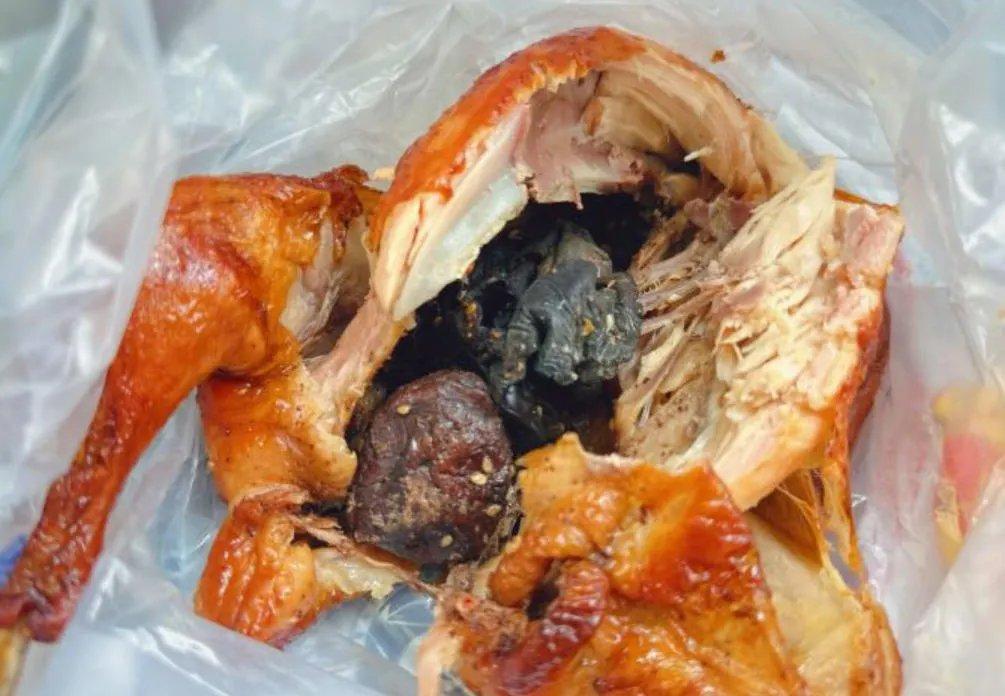
Zibo Roast Chicken

Zibo Roast Chicken

Featuring a golden, crispy exterior and succulent, tender meat inside, Zibo roast chicken is an irresistible dish. Particularly enticing is the moment it's freshly removed from the grill, as its delightful aroma fills the air.

Best Time to Visit

Pleasant spring and autumn weather ideal for cultural heritage and natural landscapes like Yuanshan National Forest Park.

The best time to visit Zibo is during spring and autumn, when the weather is pleasant and mild, ideal for exploring cultural heritage and natural landscapes. Spring brings blooming flowers and comfortable temperatures, perfect for attractions like Yuanshan National Forest Park and Yiyuan Karst Cave. Autumn offers scenic views for outdoor activities and sightseeing, with fewer crowds for a more tranquil experience.

Attraction Highlights

Zhoucun Ancient Commercial Town, Hongyeshiyan Tourist Area, Qi Heritage Museum, and Tanxi Mountain Scenic Area.

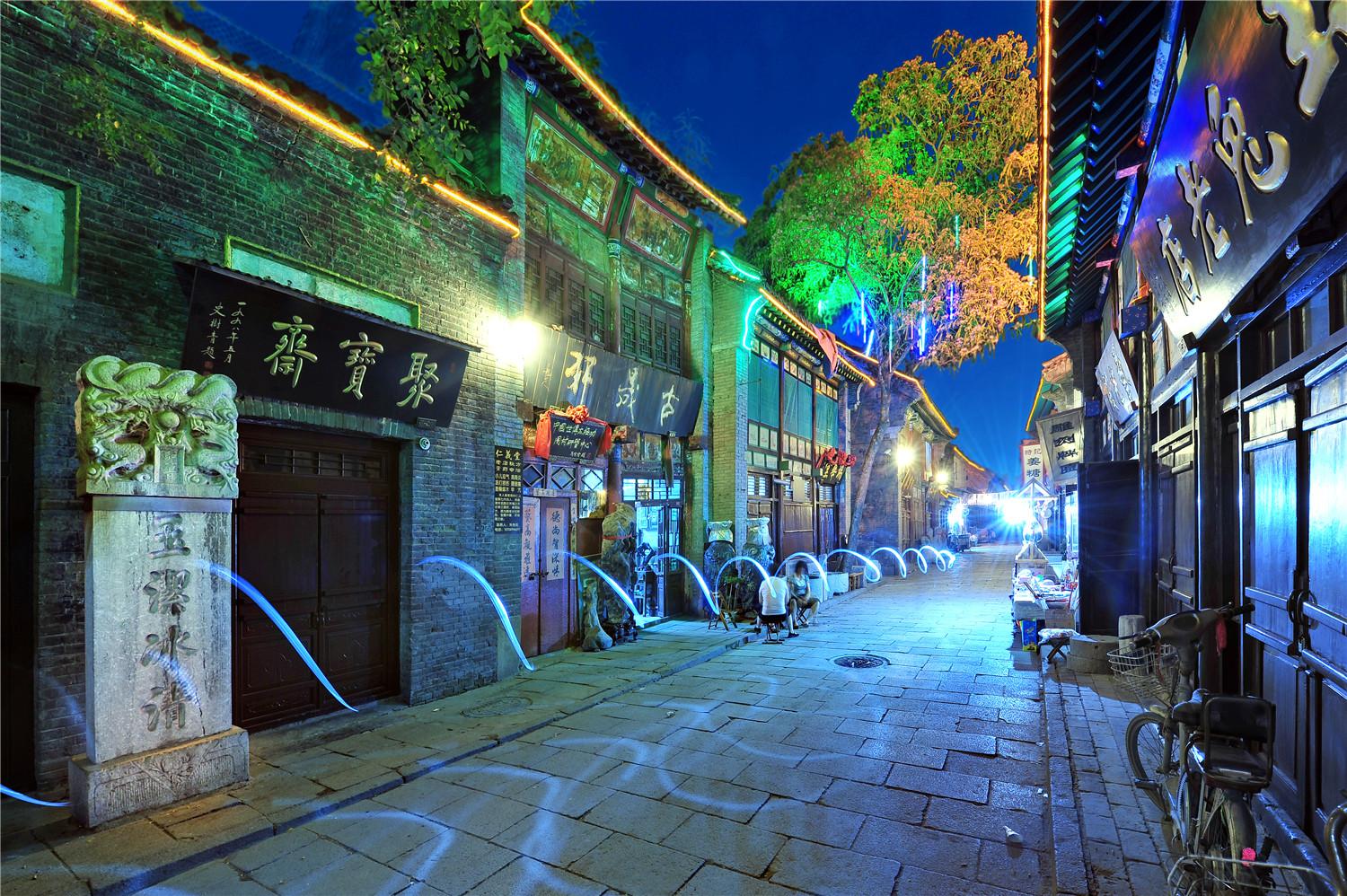
Zhoucun Ancient Town

Zhoucun Ancient Town

周村古商城

Zhoucun Ancient Town, in western Zibo, is a remarkably preserved commercial hub from the Ming and Qing dynasties. Known as a living museum of ancient commerce, it features diverse architecture, bustling shops, and a rich heritage in handicrafts, agricultural products, and silk weaving.

3-4 hours
Free
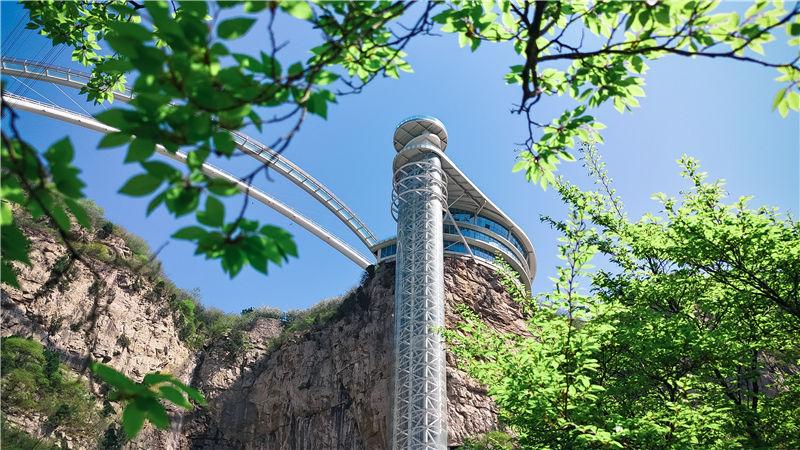
Hongye Shiye Tourist Area

Hongye Shiye Tourist Area

山东文旅·红叶柿岩旅游区

Set in a pristine ancient canyon near Boshan, the Hongye Shiye Tourist Area spans 4,000 acres at 691 meters elevation. With 95% forest coverage, it dazzles in autumn with vast crimson foliage. The year-round mountain park offers spring blooms, summer night tours, and winter snow, plus activities for all ages.

0.5-1 day
9.9 CNY
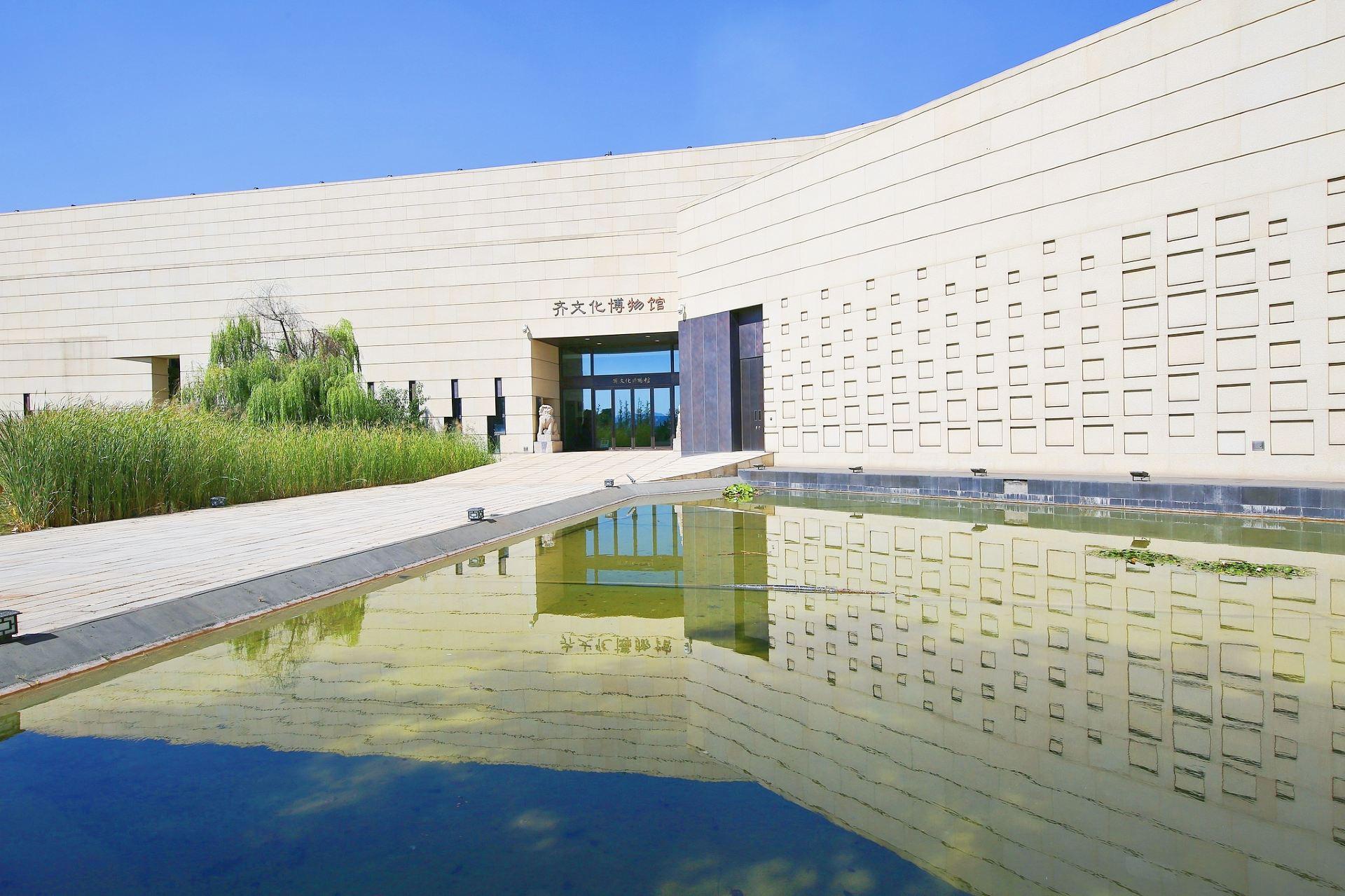
Qi Culture Museum

Qi Culture Museum

齐文化博物馆

The Qi Culture Museum in Zibo is a comprehensive institution dedicated to the collection, preservation, research, and display of cultural relics from the ancient Qi Kingdom. It also showcases intangible cultural heritage, along with the development achievements and future planning of Linyi District, offering educational and leisure experiences.

1-3 hours
Free
Tanxi Mountain

Tanxi Mountain

潭溪山

Tanxi Mountain in Zibo offers dramatic seasonal scenery and a rich cultural heritage. It is said that Crown Prince Zhaoming once studied here, and the Ming dynasty rebel Tang Sai'er launched an uprising from this site, leaving behind numerous historical relics amid the beautiful natural landscapes.

0.5-1 day
40 CNY
Yenscheng Tschann

Yenscheng Tschann

颜神古镇

Yenscheng Tschann in Boshan District, Zibo, is a historic town built around ancient ceramic kilns dating to the Northern Song Dynasty. Spanning 150 acres, it features Ming and Qing architecture, a 1950s factory area, museums, artisan studios, dining, and cultural experiences, blending industrial heritage with traditional charm.

1-2 hours
49.9 CNY

FAQ

What's the most popular attractions in Zibo?
The most popular attractions in Zibo include Zhoucun Ancient City, Tanxi Mountain Scenic Area, and Kaiyuan Karst Cave in Boshan.
Any recommended attractions about nature scenery in Zibo?
Recommended nature scenery attractions in Zibo include Cowherd Weaving Girl Scenic Area, Jiutian Cave in Yiyuan County, Mata Lake, Yiyuan Lingzhi Cave Scenic District, and Zibo Wangmu Pool Scenic Area.
How to get to Zibo from Taiyuan?
To get to Zibo from Taiyuan, you can take a train or an ordinary train. The train departs from Taiyuan South Station, while the ordinary train departs from Taiyuan Station.
What's the best food in Zibo?
The best food in Zibo is Zhoucun Biscuits.
Last updated 10/8/2026 · published