Xiamen

China · Fujian

Xiamen

Car-free lanes, coastal biking, century-old teahouses, and dawn-market seafood.

Best for

Island heritageCoastal bikingSeafood marketsTea culture

Recommended stay

2-3 days

Best season

Spring & Autumn (Mar–May, Sep–Nov)

Location

China, Fujian

Snapshot

City Snapshot

A city at a glance

6 dimensions · 1–5 scale

PandaLoco's read of six travel-relevant dimensions on a 1–5 scale, built from public datasets and our travel criteria.

It describes the city's profile. It is not a ranking of better or worse cities.

Basis: Public datasets and PandaLoco travel criteria

Overview

Wander Gulangyu’s car-free lanes, bike coastal paths, sip tieguanyin tea in century-old teahouses, and feast on peanut soup and oyster omelets at dawn markets.

Ideal Pace

2-3 days

Seasonal Window

Spring & Autumn (Mar–May, Sep–Nov)

Overview

Island calm with Gulangyu's car-free lanes, coastal biking, century-old teahouses, and dawn markets for peanut soup and oyster omelets.

Brief Guide

Xiamen whispers with island calm and Fujian flair. Wander Gulangyu’s car-free lanes past beautiful villas, bike coastal paths fringed with palms, and sip tieguanyin tea in century-old teahouses. Feast on peanut soup and oyster omelets at dawn markets, then ferry to hidden beaches on Xiamen Bay. Unwind in China’s graceful port city, where slow living meets subtropical beauty.

Getting There & Around

Fly to Xiamen Gaoqi (XMN), metro Line 1 to city center in 25–30 min. Metro has 3 lines, English signage, operates 6:30 AM–11:00 PM.

How to Get There

  • By Air: Xiamen Gaoqi International Airport (XMN) is about 12 km northeast of downtown on Xiamen Island, serving many domestic and some international routes. To reach the city center (Zhongshan Road): Metro Line 1 from Airport Station (Terminals 3/4) to Zhenhai Road Station takes 25–30 minutes and costs ¥4. It operates from 6:30 AM to 11:00 PM. Payment can be made via Alipay, WeChat, or cash at ticket machines. Airport shuttle buses go to Zhongshan Road, Xiamen Railway Station, and ferry terminals, costing ¥10–20 and taking 30–40 minutes. They run from 5:20 AM to 10:30 PM. Payment is by cash, Xiamen eKatong card, or Alipay/WeChat. Bus Rapid Transit (BRT) Line 1 connects via a covered walkway from the airport, taking 40–60 minutes and costing ¥1–4. It operates from 6:10 AM to 10:30 PM. Taxis cost ¥40–55 for a 20–30 minute ride (metered; higher during rush hour)
  • By Train: Xiamen Railway Station, at Xiahe and Hudong Roads in Siming District, serves regular and some high-speed trains. Xiamen North Railway Station in Jimei District, 28 km from downtown, is the main hub for high-speed trains (G-series) on the Hangzhou-Fuzhou-Shenzhen corridor, connecting to Shanghai, Shenzhen, Hong Kong, Fuzhou, and more. Metro Line 1 connects both stations to the city
  • By Bus: Wucun Long-Distance Bus Station, near Xiamen Railway Station, is convenient for regional destinations like Quanzhou. Fanghu Long-Distance Bus Station serves routes across Fujian and beyond. Trains are faster for most destinations; buses are suitable for nearby cities
  • By Ferry: Dongdu Port handles international cruises, while Wutong Port serves Kinmen Island (Taiwan). Ferries to Kinmen depart from Wutong, 11 km from downtown. Limited seasonal international cruises (e.g., Xiamen–Japan, 4–5 days) are available from Dongdu. To reach the city center from Wutong, take Bus 6 (20 minutes) or a taxi (¥20–30, 15 minutes). From Dongdu, take Bus 87 or 436 (about 10 minutes)

Local Transportation

Xiamen’s public transportation is well-developed, affordable, and tourist-friendly, with English signage on metro and BRT systems.

  • Metro: Xiamen Metro has 3 lines: Line 1 (north-south, Yanwei to Zhenhai Road), Line 2 (east-west, Dongfashou to Tianzhujiao), and Line 3 (mid-east, Xiamen Railway Station to Caicuo)
  • Hours: 6:30 AM–11:00 PM. Fares are distance-based, ¥2–7. Single-journey tickets can be purchased at vending machines (English interface, accepts ¥1 coins, ¥5–20 bills). The Xiamen eKatong card offers a 10% fare discount and is rechargeable; it is valid for metro, BRT, buses, and some taxis. It is available at metro stations (¥20 deposit). Mobile QR codes can be used via Alipay/WeChat “Xiamen Public Transport” mini-program. Bus Rapid Transit (BRT): Xiamen’s BRT operates 3 main elevated bus-only lines, connecting Xiamen North Railway Station, Gaoqi Airport (Line 1), and downtown. It is faster than city buses, with English signage
  • Fares: ¥1–4 (distance-based), payable via Xiamen eKatong card, Alipay/WeChat, or cash (exact change)
  • Hours: 6:00 AM–10:30 PM
  • City Buses: Over 370 routes serve Xiamen Island and suburbs, including Gulangyu ferry terminals and Nanputuo Temple
  • Key routes: 1, 15, 21 to Xiamen University; Bus 29 to Hulishan Fortress; Bus 51 to Wanshi Botanical Garden
  • Fares: ¥1–2. Pay via cash (exact change), Xiamen eKatong card, or Alipay/WeChat
  • Hours: 6:00 AM–11:00 PM. Use Gaode Maps or Amap for routing; wave to stop minibuses on special lines
  • Ferries: Ferries are essential for Gulangyu Island, departing from Lundu Port (for tourists and non-residents) or Xiamen Ferry Dock (residents only)
  • Travel time: 8–20 minutes. Also serves Kinmen Island from Wutong Port
  • Gulangyu: 7:00 AM–11:00 PM (every 10–15 minutes peak, 20–30 minutes off-peak; night ferries limited)
  • Kinmen: 8:00 AM–6:00 PM. Non-residents use Lundu Port; buy return tickets to avoid queues
  • Taxis and Ride-Hailing: DiDi offers ride-hailing with English interfaces, ideal for booking a car
  • Bicycles: Bike rentals are popular along Huandao Road for scenic coastal rides (e.g., Baicheng Beach, Wuyuan Bay). Meituan (yellow) and HelloBike (blue) offer rentals throughout the city. Scan the QR code to pay and unlock

Practical Information

Mandarin official, English signage in tourist areas. Use WeChat and Alipay for payments. eSIMs available. Currency is CNY; cashless city with mobile payments dominant.

Local Language

Mandarin Chinese is the official language. English signage is widespread in tourist areas, but English is not widely spoken.

Local Apps

  • WeChat: China's all-in-one app for messaging, social media, and digital payments. English interface available
  • Alipay: A leading payment app for cashless transactions at restaurants, shops, and public transport. Its 'Transport' feature supports metro and taxi payments. English version available
  • DiDi: China's top ride-hailing app, offering taxi and private car services with an English interface. Integrates with Alipay or WeChat for seamless payments
  • Gaode Maps: The most reliable navigation app in China, offering detailed maps, real-time traffic, and transit routes for metro and buses. Superior to Google Maps for local accuracy
  • Alternative: Amaps app
  • Youdao Dictionary: A Chinese-English dictionary and translation app, perfect for communicating with non-English-speaking taxi drivers or reading menus. Includes offline OCR for scanning signs

Internet and Communication

Staying connected in Xiamen is essential for navigation, payments, and communication, given China's reliance on mobile apps and limited access to some Western services. eSIMs: eSIMs are a convenient option for travelers, enabling instant activation without the need for a physical SIM card. Purchase online before your trip; activate upon arrival. Ensure your device supports eSIM.

  • Local SIM Cards: Local SIMs from providers like China Mobile, China Telecom, or China Unicom offer reliable 4G/5G coverage in Xiamen. Available at airports or official provider shops. Present your passport at the time of purchase; airport staff can assist with setup. China Unicom often has better English support
  • Wi-Fi: available in hotels, hostels, and some cafes (e.g., Starbucks) but less common in public spaces like parks or streets. Many Wi-Fi networks require a Chinese phone number for SMS verification

Currency and Payment

The official currency is the Chinese Yuan (CNY, ¥), also known as Renminbi (RMB). Notes come in denominations of ¥1, ¥5, ¥10, ¥20, ¥50, and ¥100; coins are available in denominations of ¥0.1, ¥0.5, and ¥1.

  • Digital Payments: Xiamen is largely a cashless city, with mobile apps dominating transactions. WeChat Pay and Alipay are widely accepted. Link a foreign bank card (Visa/Mastercard) to WeChat or Alipay before arrival
  • Cash: Cash is rarely needed but can be useful for small vendors (e.g., street food stalls), single-ride tickets on public transportation, or in rural areas. Carry small denominations (¥1–20) for convenience
  • Credit/Debit Cards: Visa and Mastercard are accepted at major hotels, upscale restaurants, and some retailers in Xiamen, but less common at smaller venues. American Express is rarely accepted. Notify your bank of travel plans to avoid card blocks
  • ATMs and Cash Withdrawals: ATMs accepting foreign cards (Visa/Mastercard) are widely available at banks, airports, and shopping areas. Most offer English interfaces. Look for PLUS (Visa) or Cirrus (Mastercard) logos. American Express is rarely accepted, except at select ATMs in airports or high-end hotels
  • Fees: ¥10–15 per withdrawal (some banks waive for partners)
  • Home bank fees: ~3% + $5 (check your issuer)
  • Currency conversion fee: 1–3% (Visa/Mastercard rate)
  • Reliable Banks: Bank of China, ICBC, China Construction Bank, HSBC China

Top Experiences

Explore Gulangyu, a UNESCO site with car-free alleys, historic Sino-Western architecture, Sunlight Rock views, and Shuzhuang Garden's Piano Museum.

Must-try local experiences

Wander Xiamen's

  • Historic Island: Stroll Gulangyu Island, a UNESCO World Heritage Site since 2017, with car-free alleys and historic buildings blending Chinese and Western styles. Climb Sunlight Rock for island views at sunrise or sunset. Visit Shuzhuang Garden, home to China's rare Piano Museum with antique pianos. Gulangyu's past as a trading port offers a peaceful step into history. Explore Xiamen's
  • Coastal Beauty: Cycle or walk Huandao Road, passing Huangcuo Sand Beach or Baicheng Beach, a Xiamen University student favorite. Visit Hulishan Fortress, known for its late Qing Dynasty Krupp cannon and sea views. Enjoy glowing sunsets by the waves. This journey blends Xiamen's coastline, history, and relaxed vibes for a scenic day
  • Discover Southern Fujian Culture: Walk Datong Road or Siming South Road, where Minnan-style arcades reflect Nanyang influences. In Tong'An, see artisans craft lacquer thread sculptures, a Fujian intangible cultural heritage. These areas highlight Xiamen's trading past and unique handicraft traditions, inviting you to explore local culture. Savor Xiamen's
  • Street Food: Pick fresh seafood at the Eighth Market's busy stalls, cooked on-site. Try satay noodles, a Xiamen creation blending Southeast Asian satay with local flavors, or adventurous sandworm jelly, made from marine worms, at Zeng Cuo An. Xiamen's food, mixing Fujian and coastal tastes, delivers bold flavors in lively settings. Embrace Xiamen's
  • Artistic Side: Start at Shapowei Art Zone's graffiti walls and quirky shops, a creative fishing port. Walk to Xiamen University, among China's most beautiful campuses, where Furong Lake and the "Love Tunnel" (Furong Tunnel) feature romantic student graffiti. This walk blends street art and campus energy, capturing Xiamen's modern spirit
  • Try Coastal Water Sports: Sail, kayak, or jet-ski in Wuyuanwan Beach's calm waters or near Mount Guanyin's scenic shores. Enjoy the rush of waves and sea breezes. These sports, set against Xiamen's coastline, offer a fun way to experience the city's natural beauty and active spirit. Experience Xiamen's
  • Vibrant Nightlife: Dive into Xiamen’s nightlife at Zeng Cuo An Village, where bars pulse with live music and craft beers flow. Stroll Zhongshanlu Pedestrian Street, a bustling night market with local snacks like sand tea noodles and neon-lit shops. Visit Haiwan Park for trendy clubs and teahouses under glowing lights. These modern hubs buzz with youthful energy, offering a lively evening for travelers seeking Xiamen's contemporary scene. Enjoy Xiamen's
  • Bougainvillea Blooms: In April-May or October-November, Xiamen's streets burst with bougainvillea, called paper flower for its petal-like leaves. Pink and purple blooms cover parks and Hulishan's scenic walls, ideal for photos. Stroll Zhongshan Road to capture this colorful display, adding a cheerful touch to Xiamen's coastal charm. Explore Xiamen's
  • Spiritual Heritage: Visit Nanputuo Temple, a 1,000-year-old Buddhist site with ornate halls. In Jimei District, 20 minutes from downtown, see Tan Kah Kee Memorial Museum, honoring the philanthropist and overseas Chinese leader, and Jiageng-style buildings. These sites offer a calm look into Xiamen's cultural traditions. Unwind in Xiamen's
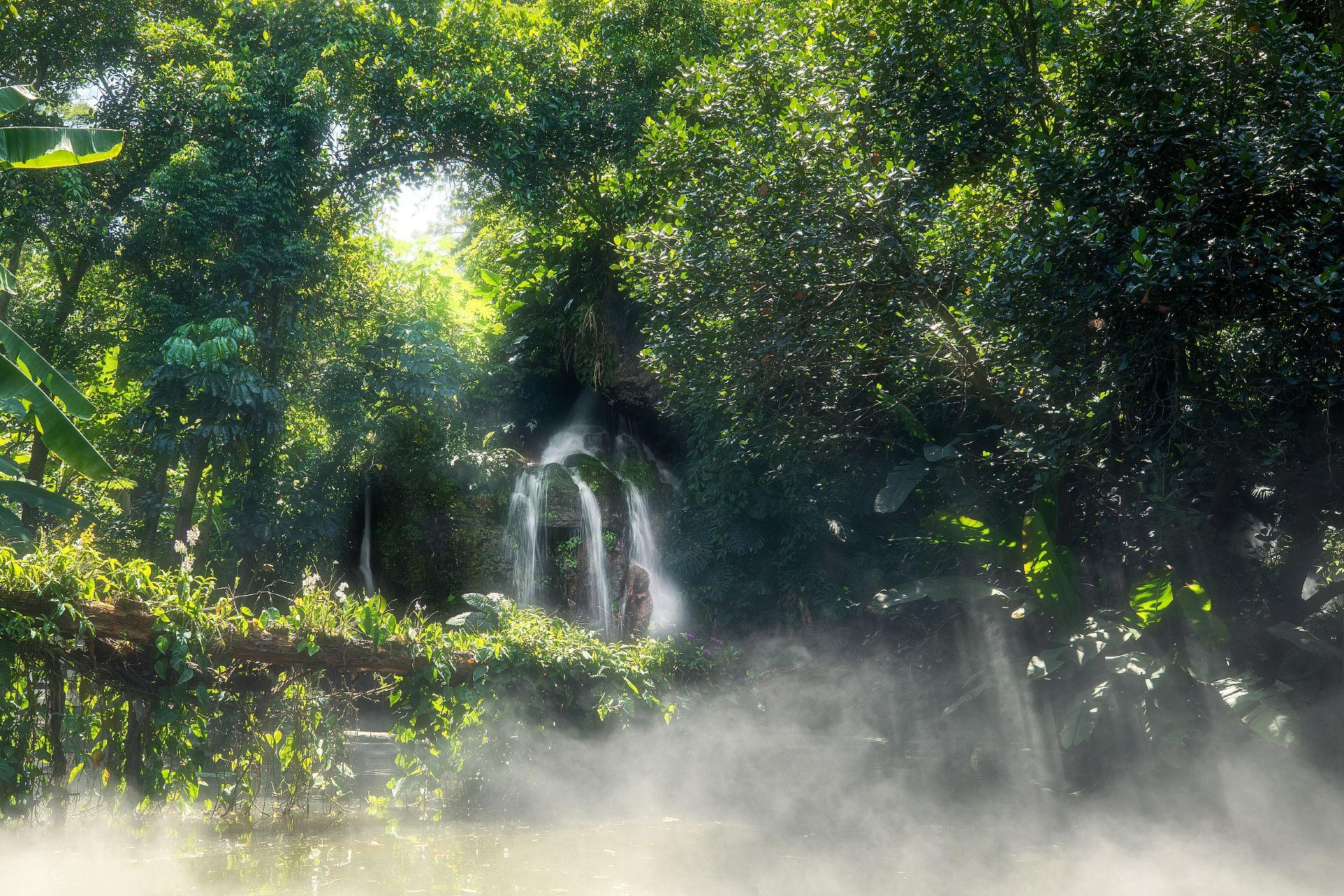
  • Natural Escapes: Walk Wuyuanwan Wetland Park, a key migratory bird habitat, spotting wildlife among mangroves. Explore Xiamen Botanical Garden's diverse plants. Soak in Riyuegu Hot Spring's pools in Haicang District, 40 minutes from downtown. These green spots offer peace and natural beauty for eco-conscious travelers

Food Highlights

Cuisine features Satay Noodles, Tusu Bing (goby fish snack), Shrimp Noodles, Oyster Omelette, and Mianxian Hu, showcasing Minnan flavors.

Xiamen's cuisine is rooted in local characteristics and abundant seafood. Classic dishes include Satay Noodles, Tusu Bing, Shrimp Noodles, and Oyster Omelette, while everyday fare like Mianxian Hu showcases the essence of traditional Minnan cuisine. These dishes integrate health and culture, making them must-try delicacies for locals and visitors alike.

Satay Noodles

Satay Noodles

A traditional Xiamen delicacy, Satay Noodles feature a unique satay sauce as the soup base, served with alkaline water noodles and various ingredients. The taste is salty, fresh, slightly spicy, and slightly sweet.

  • Step 1: Blanch the noodles.
  • Step 2: Pour hot satay soup over them.
  • Step 3: Add toppings like duck blood, tofu, or bean sprouts.

This dish is a daily staple for locals and a sought-after specialty for tourists, believed to be beneficial for health and strength.

Tusu Bing

Tusu Bing is a famous traditional seafood snack in Xiamen, made from the marine goby fish called Tusu. It is grayish-white, crystal clear, soft, tender, and elastic.

  • Cleaning the fish
  • Boiling
  • Cooling
  • Setting

Served with garlic, vinegar, and soy sauce, it offers a fresh and crisp taste.

Tusu Bing is a seasonal delicacy in the Minnan region and is recognized as part of Fujian Province's intangible cultural heritage, with unique cultural and health benefits.

Shrimp Noodles

Shrimp Noodles

Xiamen Shrimp Noodles, also known as Shrimp Roe Noodles, are a traditional specialty noodle dish loved for their delicious taste.

  • The soup is made from dog shrimp heads and shells.
  • It is paired with alkaline water noodles, shrimp, and pork slices.
  • The soup is golden and flavorful.

Shrimp Noodles are a culinary highlight of Xiamen and symbolize historical and cultural ties with Malaysia and Singapore, having evolved over a century.

Oyster Omelette

Oyster Omelette

A beloved traditional snack in Xiamen, the oyster omelette features fresh oysters as the star ingredient, combined with sweet potato flour and eggs, pan-fried until golden on both sides. This dish is not only delicious but also nutritious, often called the "milk of the sea." It is typically served with Xiamen's unique sweet and spicy sauce, which enhances its rich, fragrant, and tender flavor.

Mianxian Hu

Xiamen Mianxian Hu is a traditional snack from the Minnan region of Fujian and Taiwan.

Made from fine noodles and sweet potato flour, it has a porridge-like consistency with a fresh, sweet, and smooth taste.

Commonly eaten for breakfast, it pairs well with fried dough sticks or water chestnut cakes.

The noodles are thin and long, cooked to a smooth texture, and often enriched with ingredients for a multi-layered flavor.

  • Intestines
  • Shrimp
  • Marinated eggs

Best Time to Visit

Spring (Mar–May) and autumn (Sep–Nov) offer mild weather, blooming landscapes, and cultural events. Avoid summer heat and typhoons, winter damp chill.

Spring (March–May) and autumn (September–November) are Xiamen's ideal seasons, offering mild coastal weather, blooming landscapes, and vibrant cultural events. Avoid summer's intense heat and typhoons, as well as winter's damp chill, for optimal exploration.

  • Spring: 15–25°C (59–77°F); rising humidity, frequent light rain. Azaleas and bougainvillea bloom across Hulishan Fortress; Gulangyu Island fills with piano melodies amid historic architecture; May sees dragon boat races on the Huwei River
  • Summer: Hot, humid 25–35°C (77–95°F); monsoon rains and typhoon risks (July–Sept). Busy beaches at Baicheng and Zengcuoan; night markets thrive with seafood grills; indoor retreats like Xiamen Piano Museum offer respite
  • Autumn: Sunny, breezy 18–28°C (64–82°F); low rainfall. Perfect for golden-hour views from Sunlight Rock; cycling Huandao Road's coastal trail; Mid-Autumn lantern displays at Nanputuo Temple; seafood festivals at Shapowei (Oct–Nov)
  • Winter: Mild, damp 10–17°C (50–63°F); rare frost. Chinese New Year fireworks (Jan/Feb)

Attraction Highlights

UNESCO-listed Gulangyu Island, Xiamen Botanical Garden, Zhonggu Cableway, Xiamen University, and Science Museum.

Kulangsu

Kulangsu

鼓浪屿

Gulangyu Island, a UNESCO World Heritage Site at the Chiu-lung River estuary, faces Xiamen. Once a key Sino-foreign exchange hub, it showcases diverse architecture—Southern Fujian, Western Classical Revival, and Veranda Colonial. Highlights include Sun Rock, Shuzhuang Garden with its Piano Museum, and Hao Yue Garden’s Ming Dynasty structures.

1 day
5 CNY
Xiamen Botanical Garden

Xiamen Botanical Garden

厦门园林植物园

Set on Wanshi Mountain in southeastern Xiamen Island, Xiamen Botanical Garden spans 4.93 square kilometers as part of a national scenic spot. It features over ten themed sections with rare plants like Chinese larch and exotic cacti, alongside natural wonders, stone carvings, lakes, lawns, and temples.

0.5-1 day
30 CNY
Zhonggu Cable Car

Zhonggu Cable Car

钟鼓索道

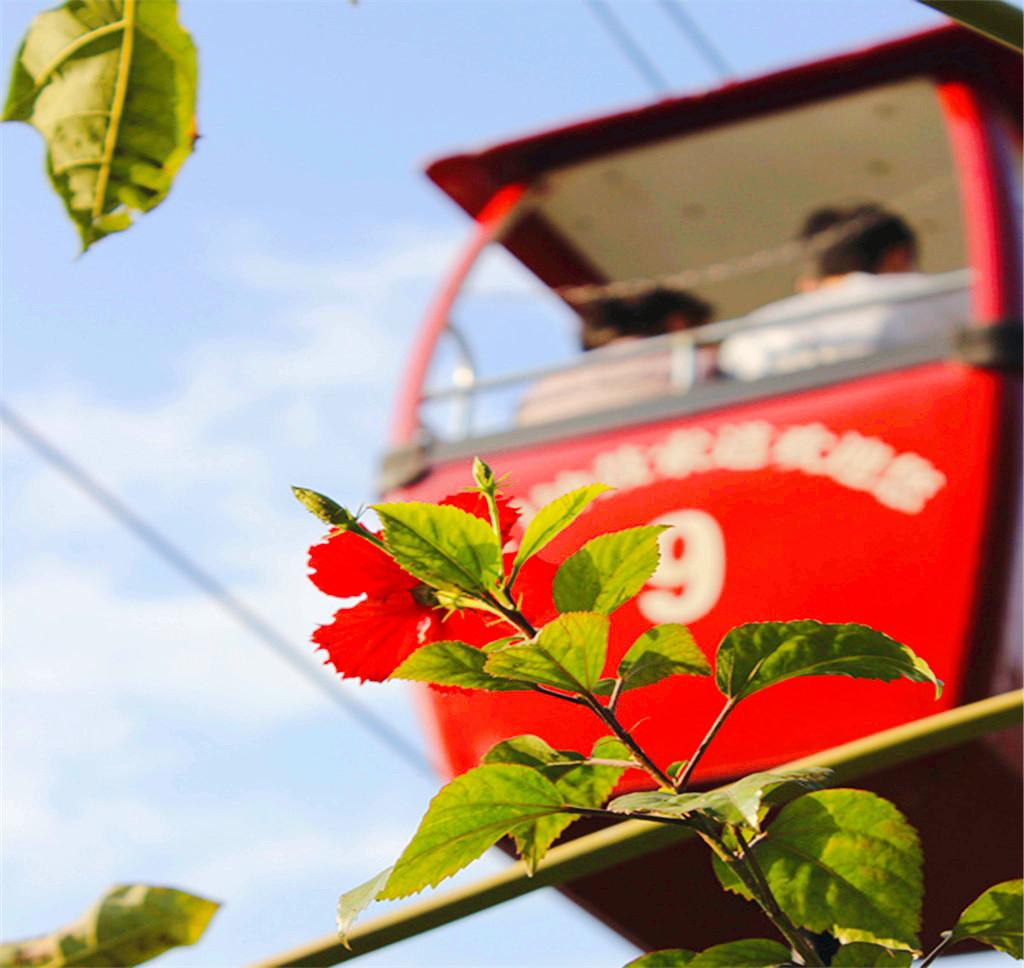
The Zhonggu Cable Car offers a scenic ride with 82 gondolas, gliding over lush landscapes and rugged rocks. From above, enjoy sweeping views of the Botanical Garden, Gulang Island, and distant islands. Midway, a lookout reveals a panorama of Xiamen, while the route passes historic wartime tunnels and wind-carved boulders.

1-1.5 hours
80 CNY
Xiamen University

Xiamen University

厦门大学(思明校区)

Xiamen University, set between green hills and the sea, offers ocean views from dormitory windows. Its campus blends Eastern and Western architecture, with tranquil spots like Furong Lake, Furong Tunnel, and Lover Valley Reservoir. Newlyweds often take photos on the nearby beach.

1-2 hours
Free
Xiamen Science & Technology Museum

Xiamen Science & Technology Museum

厦门科技馆

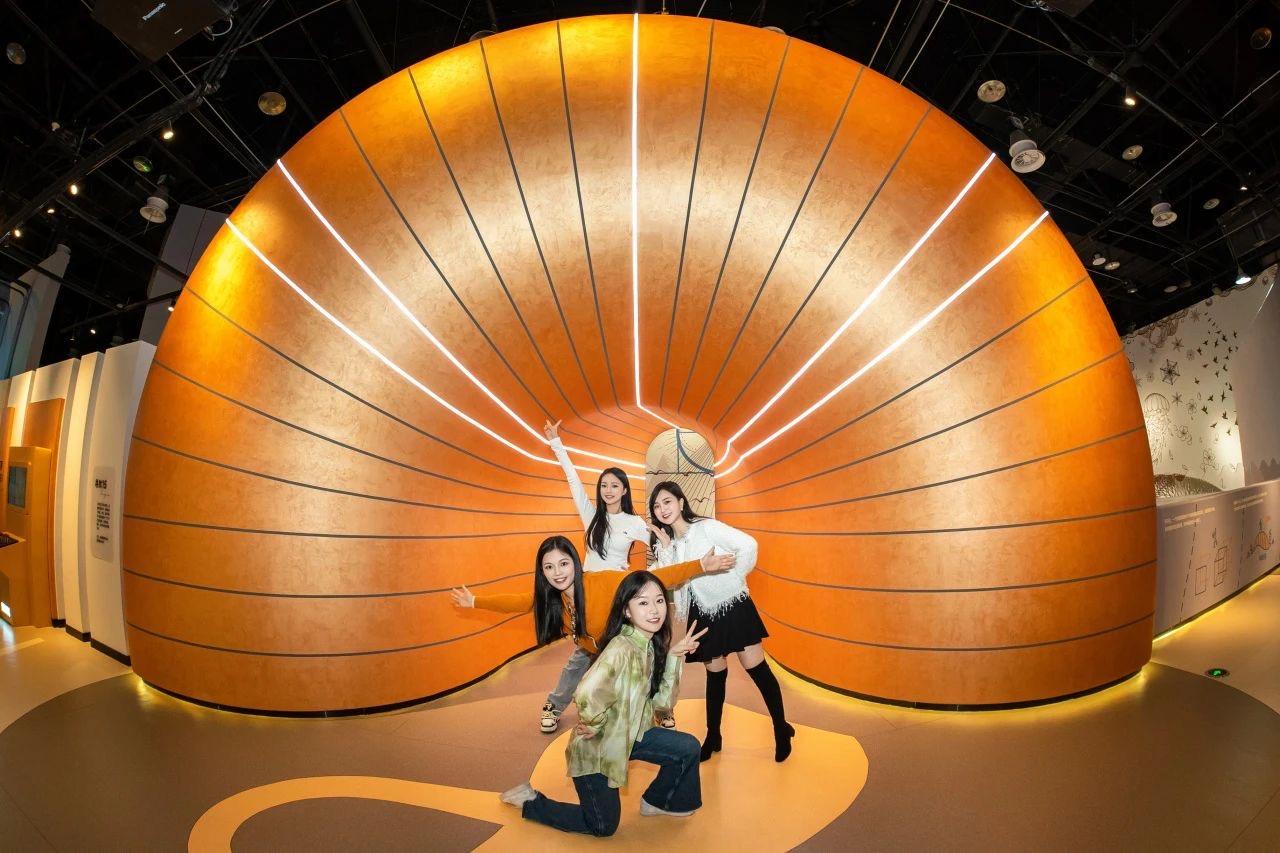
Located at the intersection of Xianyue Road and Tiyu Road, the Xiamen Science & Technology Museum is a major science education center featuring over 400 exhibits. It houses a dynamic 4D cinema and a flying cinema, offering immersive experiences that particularly delight families with children.

0.5-1 day
140 CNY

FAQ

What's the most popular attractions in Xiamen?
The most popular attractions in Xiamen include Gulangyu Island, Xiamen Fantawild Dreamland, and Xiamen Botanical Garden.
Things to do near Xiamen for family & child?
Family-friendly activities near Xiamen include Xiamen Fantawild Dreamland, Xiamen Science and Technology Museum, Xiamen Fantawild Oriental Heritage, Lingling International Circus City, and Jupengfei Dream Coast Vacation Area.
Any recommended attractions about nature scenery in Xiamen?
Recommended natural scenery attractions in Xiamen include Jimeixue Village, Baicheng Beach, Gulangyu Island Road, Wuyuan Bay Sailing Harbor, and Huangcuo Beach.
How to get to Jinjiang Airport from Xiamen?
To get to Jinjiang Airport from Xiamen, take a direct bus from Xiamen Hubin or Songbai Long-distance Bus Station to Jinjiang. No transfer to Quanzhou is needed. After arriving in Jinjiang, the airport is about 5 kilometers away. Jinjiang Airport's take-off prices are often cheaper than Xiamen's, but Xiamen airport tickets generally have discounts, so Jinjiang may not always be cheaper.
How to get to Xiamen from Dazhou?
To get to Xiamen from Dazhou, take a train to Chengdu, then fly from Chengdu to Xiamen.
How to get to Kinmen Island from Xiamen?
To get to Kinmen Island from Xiamen, take a bus to Wutong Wharf. Use the Taiwan Pass or Deposit Certificate to purchase a ticket, then board the ship with the Taiwan Pass. After disembarking, use the entry permit or apply for a landing visa deposit certificate.

Local Moments

Tongan Flower Sea: Perfect for Taking Photos in a Second

Free flower fields in Tong'an, Xiamen, featuring rapeseed and cosmos in bloom from late March to mid-April. Located near Aofengpu Bridge, Tianyang Village, and Silin Village Rice Park. Accessible by car (1 hour from island, free roadside parking) or bus (route 659 then 618). Best photo spots: boardwalk, viewing platform, field edges. Best lighting: 9-11 AM and 4-6 PM. Nearby farmhouse dining available. Avoid midday sun and stepping on flowers.

naturephotographyspring outing

Tong'an Flower Fields · Tianyang Village · Silin Village Rice Park · Aofengpu Bridge

Tong'an Movie and Television City: Time Travel to the Secret Imperial Realm

Two-day family itinerary in Tong'an, Xiamen, covering Su Song Academy, Beichen Mountain, and Tong'an Film City. Includes traditional snacks like bowl rice cake and ginger duck, with budget-friendly tips for transportation and accommodation.

familyculturenaturefood

Su Song Academy · Beichen Mountain · Tong'an Film City · Portman Yihai Town · Yueli Bowl Rice Cake · Adai Ginger Duck

A tour of the Jiageng-style architecture at Xiamen University

Nanputuo Temple, a free-entry millennium-old temple at the foot of Wulao Peaks in Xiamen, offers Buddhist culture, traditional southern Fujian architecture, and scenic views. Key spots include the Great Compassion Hall with its wooden bracket structure, Wulao Peaks hiking trail with panoramic city and sea views, and the Free Life Pond. The temple provides free incense; photography of Buddha statues is prohibited. On-site vegetarian restaurant serves meat-substitute dishes and pastries. Advance reservation required via WeChat. Accessible by bus (Route 29, 47 to Xiamen University station) or Metro Line 1 to Zhenhai Road. Nearby attractions include Xiamen University, Shapowei, and Cat Street.

culturearchitecturefoodnaturehiking

Nanputuo Temple · Wulao Peaks · Great Compassion Hall · Free Life Pond · Xiamen University · Shapowei · Cat Street

Xiamen is actually a food wasteland? The slow-paced lifestyle on Gulangyu Island is so therapeutic!

Highlights two iconic Xiamen locations: a beachfront hotel near Huandao East Road and Gulangyu Island. The hotel offers convenient access to the beach, shopping, and dining, with family suites and a buffet featuring local snacks. Gulangyu Island, a 15-minute ferry ride, features Sunlight Rock, Piano Museum, historic architecture, and local eats like oyster omelets and peanut soup. Tips include booking ferry tickets in advance, wearing comfortable shoes, and exploring the island's alleyways.

foodsightseeingtransport

Gulangyu Island · Sunlight Rock · Piano Museum · Xiamen International Conference Center Hotel · Huandao East Road

Every snapshot is a masterpiece! The ultimate urban resort hotel.

Fairmont Xiamen Airlines Hotel in Wuyuan Bay, Xiamen, is a 33-story mountain-shaped building blending Fujian culture and aviation aesthetics. Located 15 minutes from Gaoqi Airport and adjacent to Wuyuan Bay Wetland Park, it offers panoramic views of Gulangyu Island. The hotel features a lobby with Southern Fujian red bricks and aviation elements, 270° sea-view rooms, and five dining venues including a 33rd-floor restaurant with 360° views serving Fujian-Cantonese cuisine. The rooftop bar offers city lights and aviation-themed cocktails.

architecturediningviews

Wuyuan Bay · Gaoqi Airport · Wuyuan Bay Wetland Park · Gulangyu Island

Last updated 10/8/2026 · published