Xi'an

China · Shaanxi

Xi'an

Ancient capital with Terracotta Army and Ming Dynasty city walls

Best for

UNESCO HeritageSilk Road HistoryStreet FoodTang Dynasty Culture

Recommended stay

3–4 days

Best season

Sep.–early Nov. & Apr.–May

Location

China, Shaanxi

Snapshot

City Snapshot

A city at a glance

6 dimensions · 1–5 scale

PandaLoco's read of six travel-relevant dimensions on a 1–5 scale, built from public datasets and our travel criteria.

It describes the city's profile. It is not a ranking of better or worse cities.

Basis: Public datasets and PandaLoco travel criteria

Overview

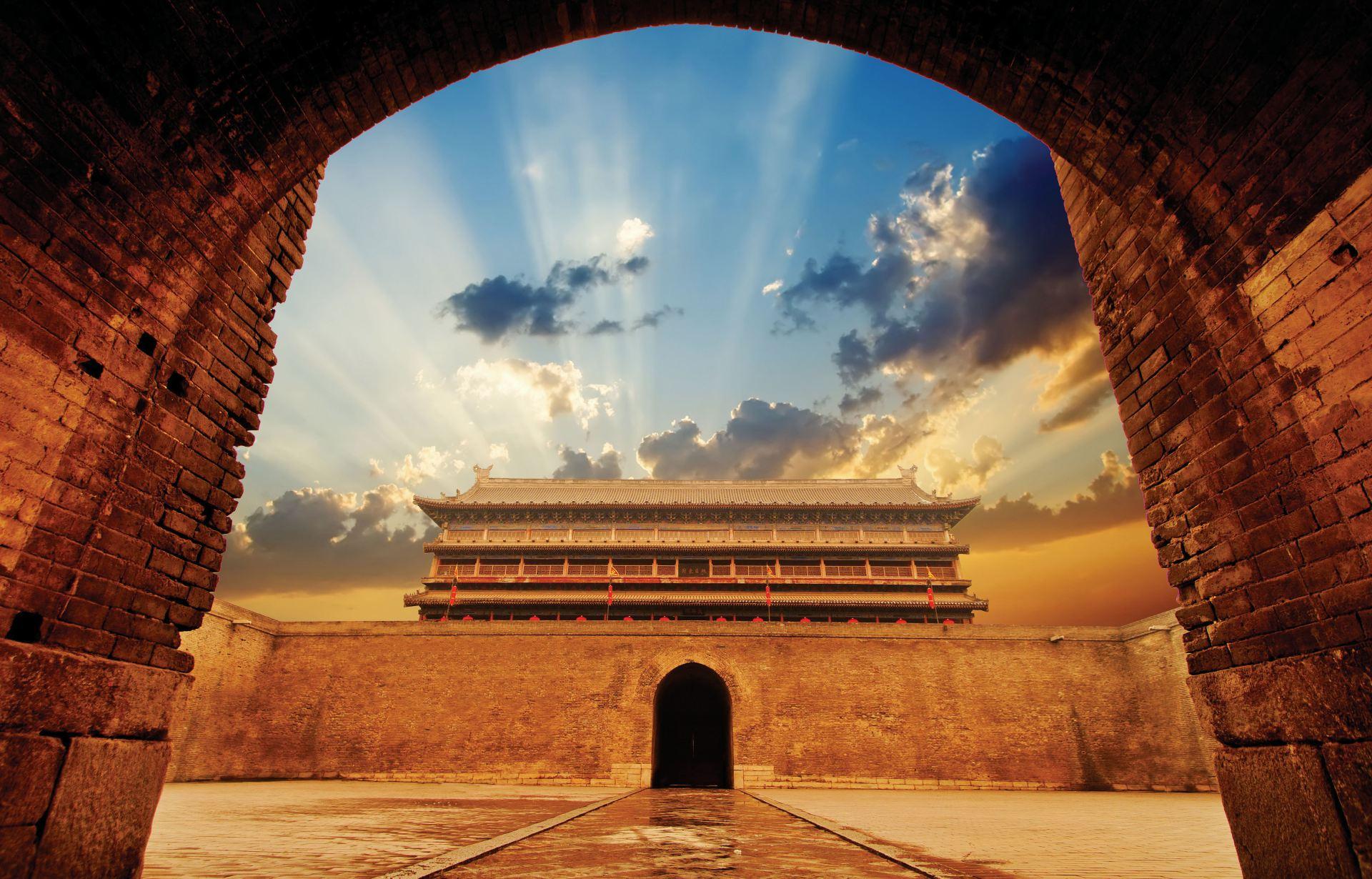
Xi’an breathes millennia of dynasties. Stand before the Terracotta Army, walk atop Ming Dynasty walls, and trace the Silk Road’s pulse in Muslim Quarter alleys.

Ideal Pace

3–4 days

Seasonal Window

Sep.–early Nov. & Apr.–May

Overview

Stand before the Terracotta Army, walk atop Ming Dynasty walls, and trace the Silk Road’s pulse in Muslim Quarter alleys.

Brief Guide

Xi'an, where China's imperial legacy awakens: stand before the Terracotta Army's silent guardians, walk atop Ming Dynasty walls feeling the history, and trace the Silk Road's pulse in bustling Muslim Quarter alleys. This city breathes millennia of dynasties, temples, and trade. Unlock your perfect journey through time with our essential Xi'an guide—from warrior tombs to street-food treasures.
Getting There & Around

Xi’an Xianyang International Airport (XIY) 40 km from downtown; metro covers major attractions.

How to Get There

Xi'an, the historic capital of Shaanxi Province, is a major transportation hub in central China, accessible by air, rail, bus, or road from international and domestic locations.

  • By Air: Xi'an Xianyang International Airport (XIY) is the primary gateway, about 40 km northwest of downtown, serving international and domestic routes. To reach the city center, airport shuttles take about 60 minutes and cost around ¥30, connecting to downtown hotels and Xi'an Railway Station. Metro Lines 14 and 17 (40–50 minutes) link to key stations like Beikezhan (North Railway Station). Taxis cost about ¥130–180 depending on traffic
  • By Train: Xi'an North Railway Station and Xi'an East Station are the main hubs for high-speed trains (G-series), connecting to Beijing (4–5 hours), Shanghai (6–7 hours), Chengdu (3–4 hours), Chongqing (5–6 hours), and many other locations. Xi'an Railway Station handles slower trains and is centrally located near the city walls. All stations are linked to Xi'an's metro system
  • By Bus: Xi'an Bus Terminal and Fengqing Road Station connect to regional destinations such as Huashan (2 hours) or Yan'an (5–6 hours)
  • By Road: Driving or private transport is possible via expressways like the G5 (to Chengdu) or G30 (to Lanzhou). Road travel is less recommended for international visitors due to complex driving regulations and language barriers

Local Transportation

Xi'an's public transportation is efficient, affordable, and increasingly tourist-friendly, with English signage in metro stations and key areas.

  • Metro: Xi'an Metro has 12 lines covering all major attractions, operating from 6:00 AM to 11:30 PM. Fares range from ¥2 to ¥10 based on distance; payment can be made via single-ride tickets, Xi'an Metro card, or mobile payments (WeChat/Alipay)
  • Buses: An extensive network supplements the metro, reaching suburban areas such as Lintong (home to the Terracotta Warriors). Fares are ¥1–5, payable by cash (exact change), Xi'an Metro card, or mobile payments. Use Gaode Maps for route planning, as stops lack English signage
  • Taxis and Ride-Hailing: Taxis are widely available; DiDi offers ride-hailing with an English interface
  • Bicycles: Bike-sharing (Meituan, HelloBike) is ideal for areas like the City Wall or Bell Tower, costing about ¥1–2 per 30 minutes via mobile apps

Practical Information

Mandarin spoken; English signage in tourist areas. Use WeChat/Alipay for payments. eSIMs recommended for connectivity.

Local Language

Mandarin Chinese is the official language. English signage is widespread in tourist areas, but English is not widely spoken.

Local Apps

  • WeChat: China’s all-in-one app for messaging, social media, and digital payments. English interface available
  • Alipay: A leading payment app for cashless transactions at restaurants, shops, and public transport. Its “Transport” feature supports metro and taxi payments. English version available
  • DiDi: China’s top ride-hailing app, offering taxi and private car services with an English interface. Integrates with Alipay or WeChat for seamless payments
  • Gaode Maps: The most reliable navigation app in China, offering detailed maps, real-time traffic, and transit routes for metro and buses. Superior to Google Maps for local accuracy
  • Alternative: Amap
  • Youdao Dictionary: A Chinese-English dictionary and translation app, perfect for communicating with non-English-speaking taxi drivers or reading menus. Includes offline OCR for scanning signs

Internet and Communication

Staying connected in Xi'an is essential for navigation, payments, and communication, given China’s reliance on mobile apps and limited access to some Western services. eSIMs: eSIMs are a convenient option for travelers, enabling instant activation without the need for a physical SIM card. Purchase online before your trip; activate upon arrival. Ensure your device supports eSIM.

  • Local SIM Cards: Local SIMs from providers like China Mobile, China Telecom, or China Unicom offer reliable 4G/5G coverage in Xi'an. Available at airports or official provider shops. Present your passport at the time of purchase; airport staff can assist with setup. China Unicom often has better English support
  • Wi-Fi: available in hotels, hostels, and some cafes (e.g., Starbucks) but less common in public spaces like parks or streets. Many Wi-Fi networks require a Chinese phone number for SMS verification

Currency and Payment

The official currency is the Chinese Yuan (CNY, ¥), also known as Renminbi (RMB). Notes come in denominations of ¥1, ¥5, ¥10, ¥20, ¥50, and ¥100; coins are available in denominations of ¥0.1, ¥0.5, and ¥1.

  • Digital Payments: Xi'an is largely a cashless city, with mobile apps dominating transactions. WeChat Pay and Alipay are widely accepted. Link a foreign bank card (Visa/Mastercard) to WeChat or Alipay before arrival
  • Cash: Cash is rarely needed but can be useful for small vendors (e.g., street food stalls), single-ride tickets on public transportation, or in rural areas. Carry small denominations (¥1–20) for convenience
  • Credit/Debit Cards: Visa and Mastercard are accepted at major hotels, upscale restaurants, and some retailers in Xi'an, but less common at smaller venues. American Express is rarely accepted. Notify your bank of travel plans to avoid card blocks
  • ATMs and Cash Withdrawals: ATMs accepting foreign cards (Visa/Mastercard) are widely available at banks, airports, and shopping areas. Most offer English interfaces. Look for PLUS (Visa) or Cirrus (Mastercard) logos. American Express is rarely accepted, except at select ATMs in airports or high-end hotels
  • Fees: ¥10–15 per withdrawal (some banks waive for partners)
  • Home bank fees: ~3% + $5 (check your issuer)
  • Currency conversion fee: 1–3% (Visa/Mastercard rate)
  • Reliable Banks: Bank of China, ICBC, China Construction Bank, HSBC China

Top Experiences

Step into Tang Dynasty glory at Huaqing Palace, Daming Palace National Heritage Park, and Tang Paradise night shows.

  • Step Back into Tang Dynasty Glory: Wander Huaqing Palace, where hot springs and gardens evoke ancient romance. Explore Daming Palace National Heritage Park, imagining its grand halls through VR displays. At night, visit Tang Paradise, where glowing pavilions and performances bring the Tang Dynasty to life. Stroll the Grand Tang Mall, a lively street with The Longest Day in Chang'an Theme Block, a themed area with shops and Hu Ji taverns—lively bars inspired by Silk Road dancers, offering music and festive energy
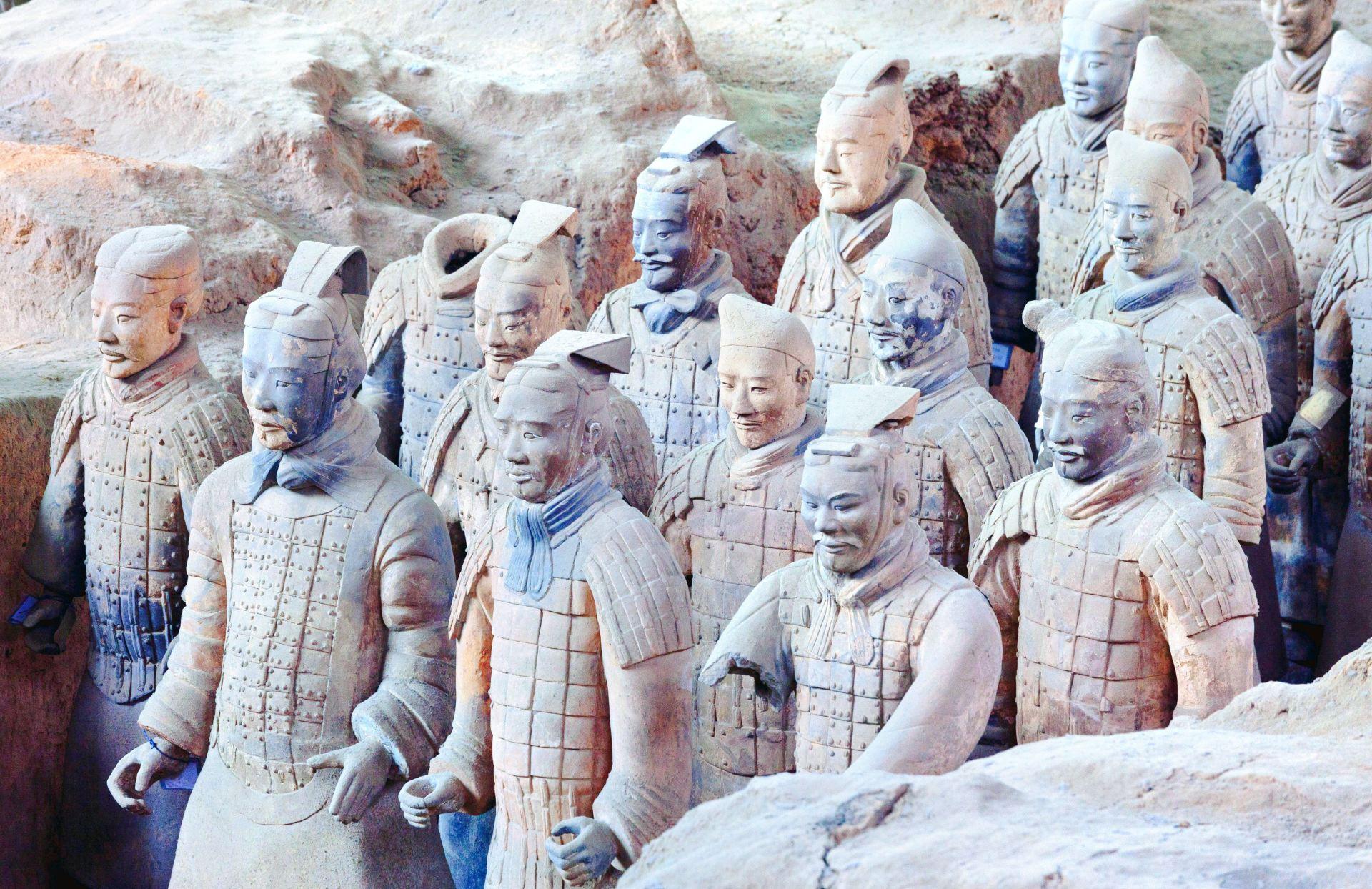
  • Marvel at the Terracotta Army: Experience the Terracotta Army, a world wonder with thousands of unique clay warriors guarding Emperor Qin's tomb. The Bronze Chariot and Horse of Qinling display reveals intricate craftsmanship from 2,200 years ago. This vast underground army, built for China's first emperor, feels like stepping into a legendary past. Each figure's detail and scale make this a thrilling journey into Xi'an's Qin Dynasty history. Uncover Xi'an's
  • Ancient Treasures: Explore the Shaanxi History Museum, showcasing bronze artifacts from the Zhou Dynasty (1046–256 BCE) and gold relics from the Tang Dynasty (618–907 CE). Visit Xi'an Museum, near the Small Wild Goose Pagoda, for relics and calm gardens. At Xi'an Beilin Museum, see stone steles with ancient calligraphy. These sites reveal Xi'an's role as a historic capital, blending art and culture. Cycle Through Xi'an's
  • History: Ride along Xi'an Ancient City Wall, a 13.7-km loop offering views of historic gates and modern streets. Pedal past watchtowers as the city unfolds below, blending ancient stone with contemporary energy. Evening rides catch the sunset's glow, lighting up Yong Ning Gate. This journey feels like traveling through time, connecting Xi'an's past as a Silk Road hub with its vibrant present
  • Enjoy a Tang Dynasty Show: Watch "Song of Everlasting Sorrow" at Huaqing Palace or "Tuo Ling Legend" in Xi'an theaters, where music, dance, and costumes recreate Tang Dynasty tales. "The Romantic Show of Xi'an" offers a vivid history lesson. Most shows, like those at Tang Paradise, include English subtitles (confirm when booking) or visual storytelling. These performances immerse you in Xi'an's cultural legacy. Savor Xi'an's
  • Bold Flavors: Bite into Rou Jia Mo, a meat-filled bun, or Pita Bread Soaked in Lamb Soup, at Yongxing Fang's bustling stalls. Try Biangbiang Noodles, wide and chewy, or Maobi Su, a brush-shaped pastry, in the Muslim Quarter. Nighttime brings smoky skewers and sweet Osmanthus cake. Xi'an's Shaanxi and Hui cuisines mix bold spices and hearty textures, creating a food lover's paradise. Explore the Muslim Quarter's
  • Heritage: Walk the Hui Fang Muslim Quarter's lively streets, where Beiyuanmen Street and Dapiyuan buzz with shops and history. Visit the Great Mosque, a peaceful courtyard blending traditional Chinese and Islamic designs, or the Gao Family Courtyard, a restored mansion with shadow puppet shows. This Silk Road hub, distinct from its food scene, offers a cultural dive into Xi'an's diverse past, with crafts and architecture to discover
  • Try on a Traditional Hanfu: Wear Hanfu, the elegant robes of ancient China, for a unique cultural vibe. Rent outfits near Tang Paradise or Shuyuanmen Street of Culture and pose by the City Wall or pagodas. The flowing silk and vibrant colors make photos unforgettable. This hands-on experience connects you to Xi'an's history as a Tang Dynasty capital, where such clothing was daily wear
  • Discover Local Crafts at Shuyuanmen: Stroll through the Shuyuanmen Street of Culture, a vibrant district lined with galleries and workshops. Watch artisans create paper cuttings, a 7th-century craft, or browse calligraphy and paintings. This area hums with Xi'an's scholarly past and creative present near the Forest of Steles. Pick up unique souvenirs or try a quick art lesson for a personal connection to the city's culture

Food Highlights

Biang Biang Noodles, Roujiamo, Beef and Mutton Paomo, Hulu Chicken, and other Shaanxi specialties.

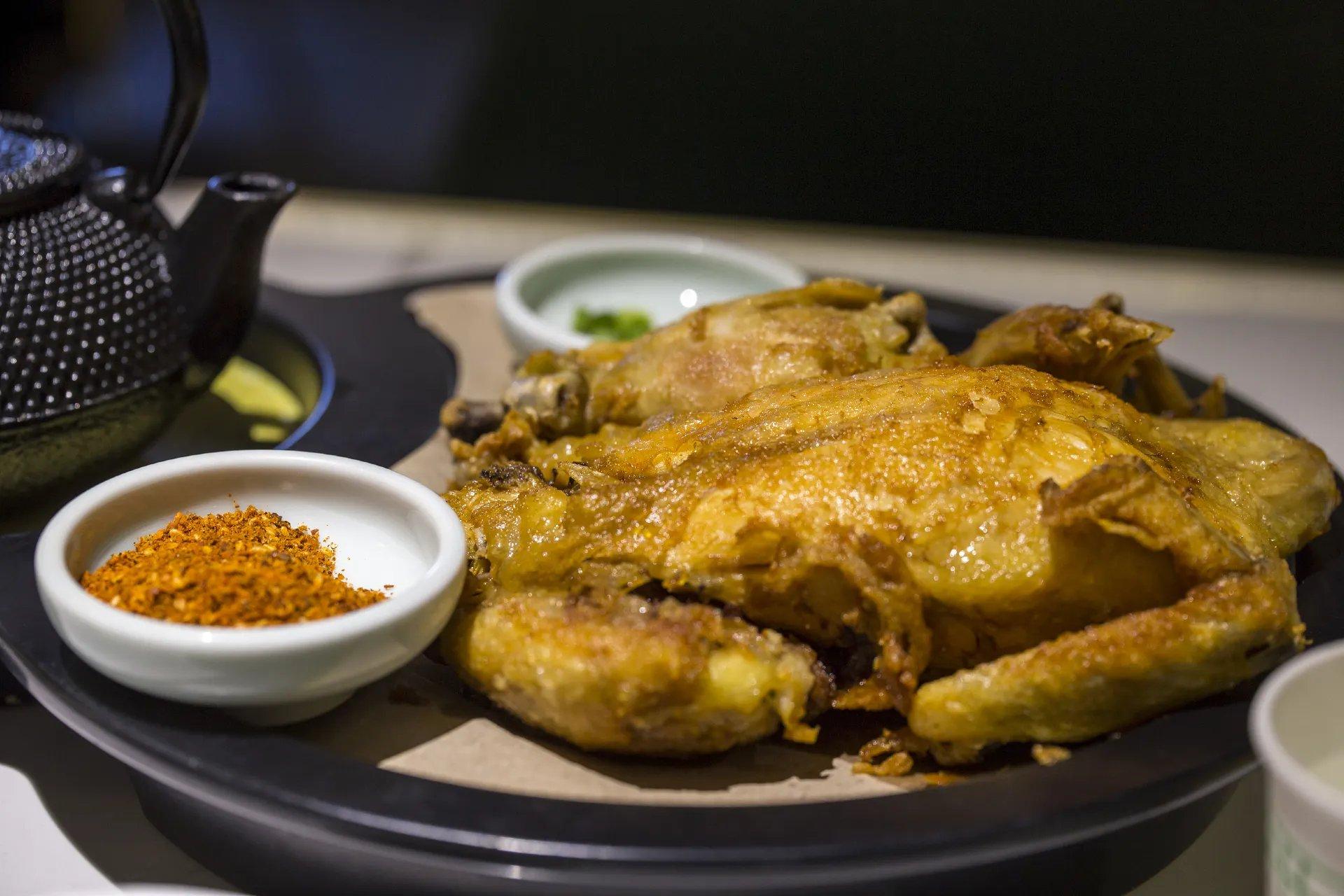
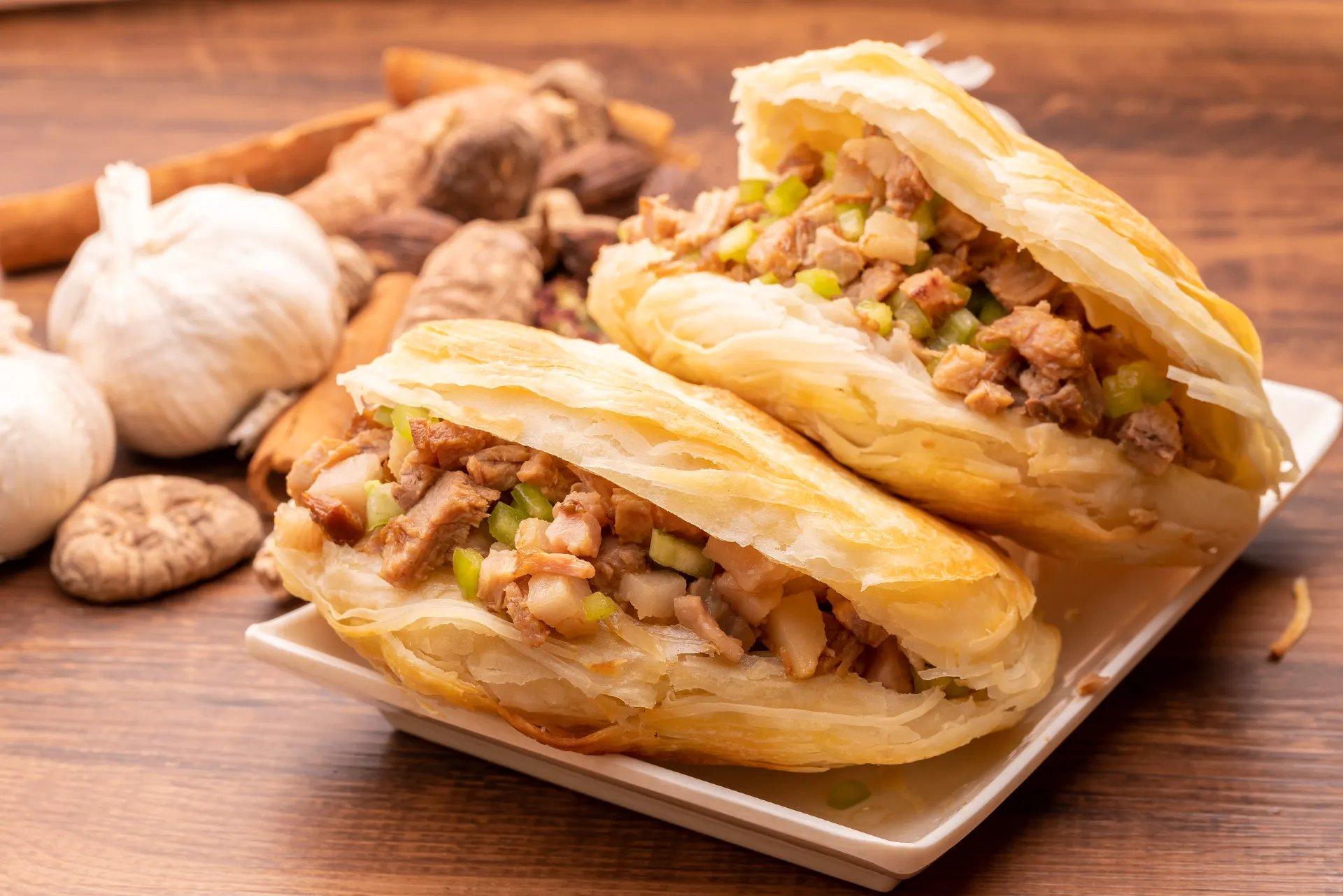
Xi'an's cuisine is renowned for its rich historical heritage and unique flavors, including thick and chewy Biang Biang Noodles, fragrant and mellow Hulu chicken, fatty but not greasy Roujiamo, thick soup with tender beef and mutton in Paomo, and tender water basin mutton. Each dish is a legacy and innovation of Shaanxi culture, leaving an unforgettable taste.

Biang Biang Noodles

Biang Biang Noodles

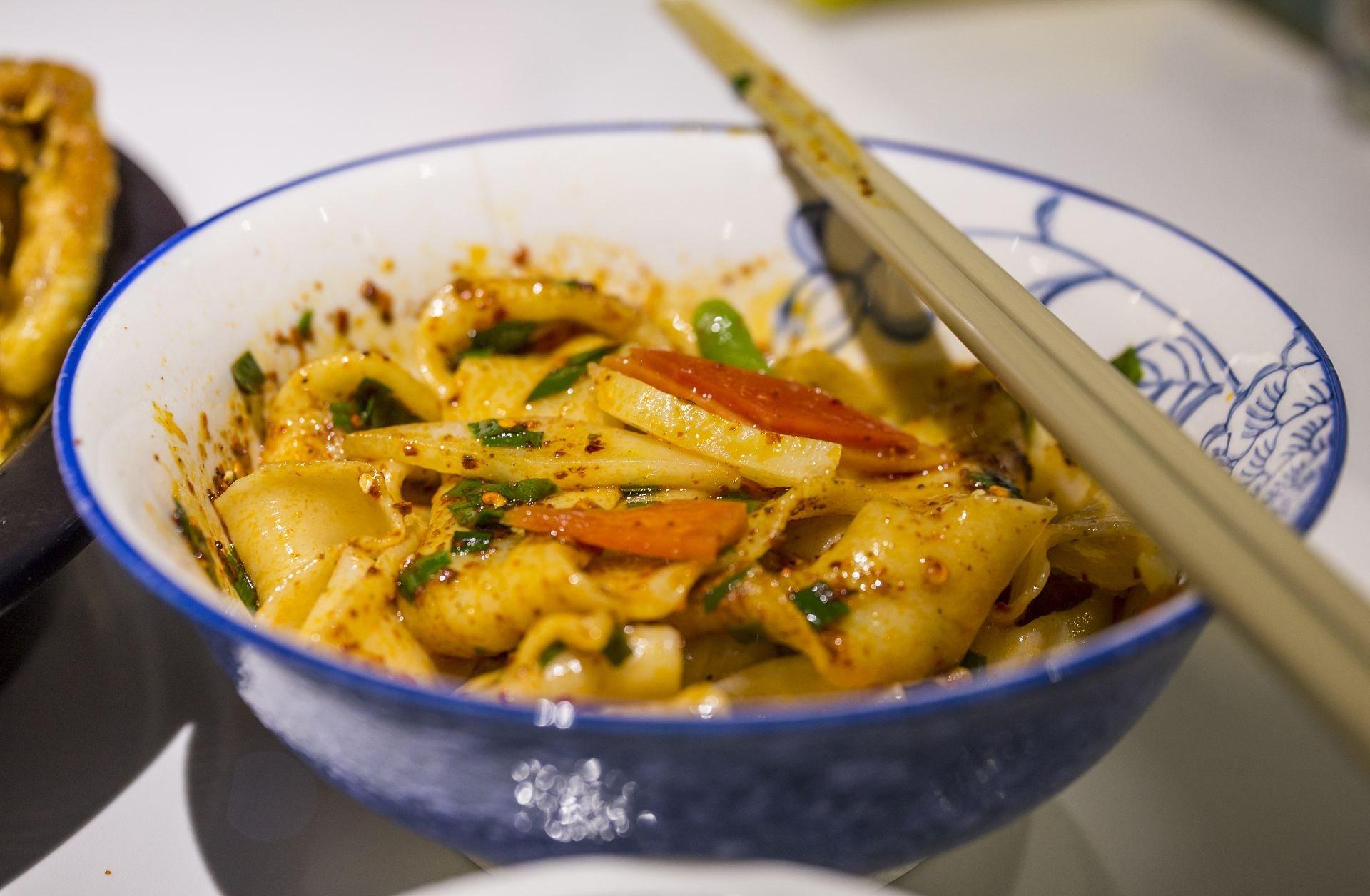
Known as a traditional Han Chinese noodle dish in the Guanzhong region of Shaanxi, Biang Biang Noodles are named for the sound made when the dough is slapped against the board during preparation. The noodles are thick and chewy, usually served with soy sauce, vinegar, Sichuan pepper, and other condiments, topped with hot oil, offering a unique sour, spicy, and fresh flavor.

The 'biang' character for the noodles is very complex, with 56 strokes, and represents part of Shaanxi culture. In recent years, it has become increasingly popular internationally through social media and other channels.

Beef and Mutton Paomo

Beef and Mutton Paomo

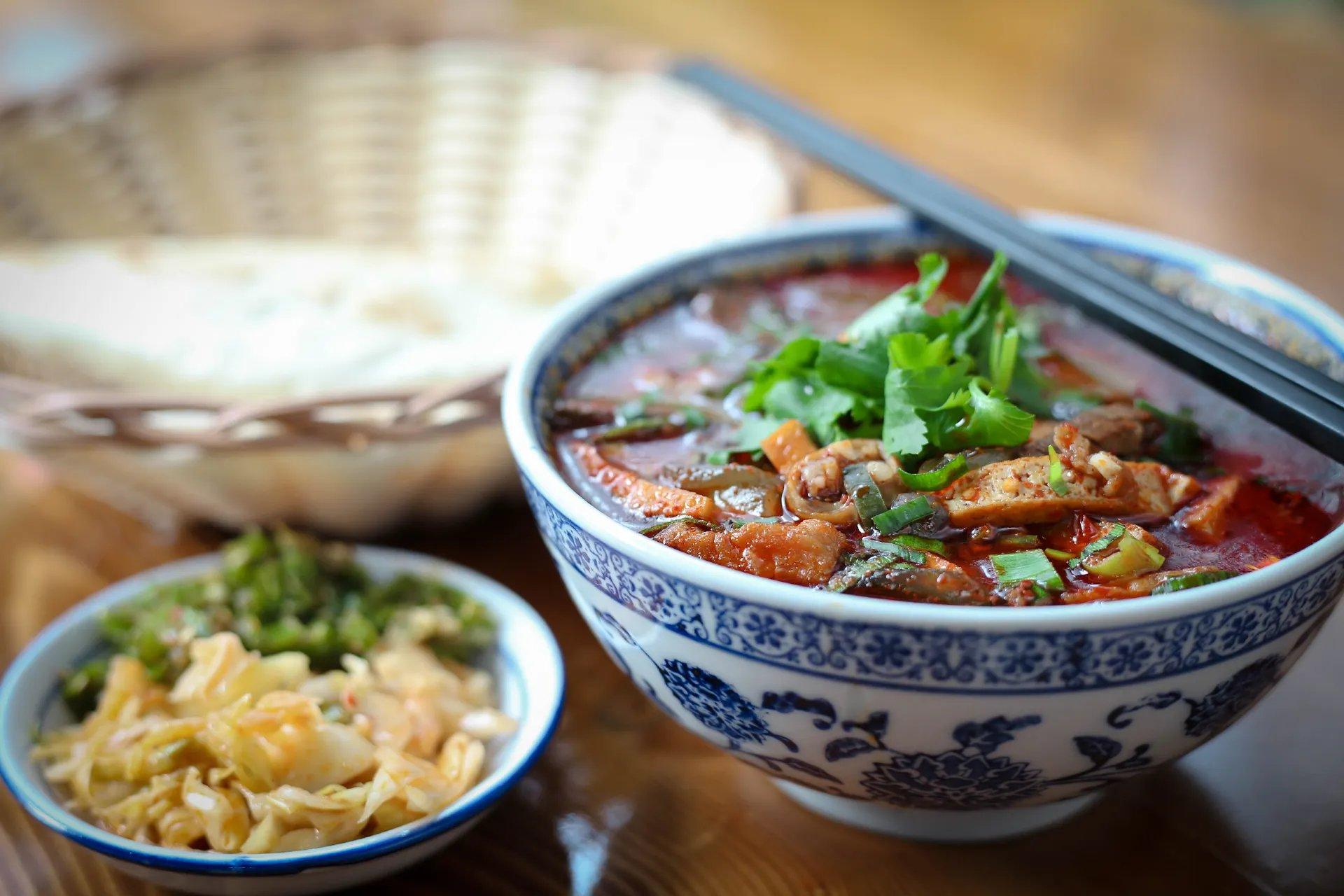
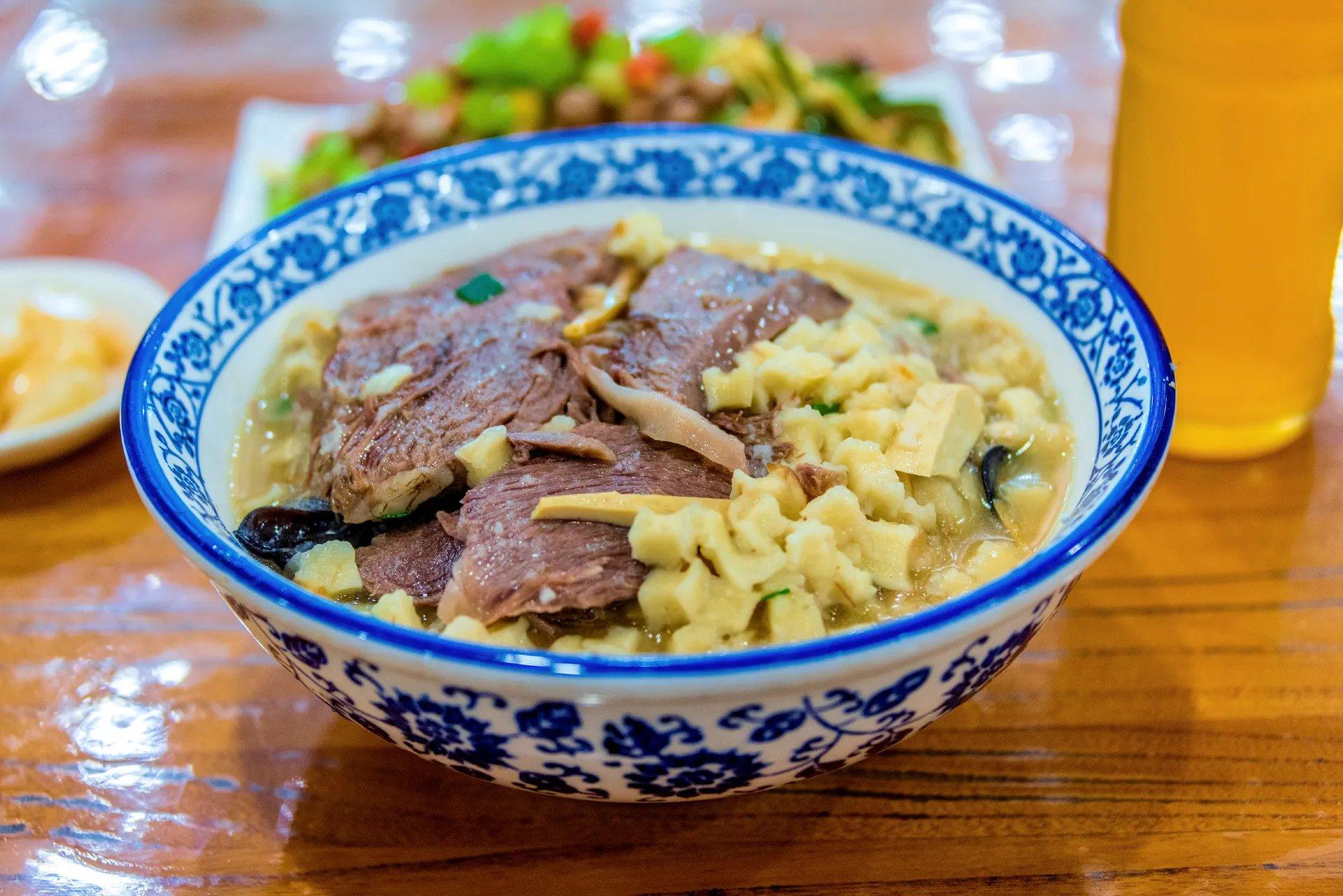
Beef and mutton Paomo is a Shaanxi specialty, especially famous in Xi'an, known for its finely cooked, heavy, and mellow ingredients, and tender meat in thick soup. Its history dates back to the beef and mutton soup of the Western Zhou dynasty, once a food for the imperial court and sacrificial ceremonies, which evolved through various dynasties to become today's beef and mutton Paomo.

When eating, break the baked mo (bread) into pieces and put them into the cooked meat soup, accompanied by spicy sauce and sweet garlic among other condiments, offering a unique and unforgettable flavor.

Hulu Chicken

Hulu Chicken

Hulu chicken is a traditional famous dish in Xi'an, Shaanxi Province, known for its:

  • Golden color
  • Crispy skin
  • Tender meat
  • Mellow flavor

The cooking process is unique, involving boiling, steaming, and deep-frying. After careful preparation, the final dish resembles a hulu (gourd), with the bones easily separating from the meat.

Hulu chicken is also a part of Xi'an culture, known as 'the first flavor of Chang'an' and listed as an intangible cultural heritage of Shaanxi Province.

Roujiamo

Roujiamo

Roujiamo is a traditional Shaanxi snack, known for its crispy bread and flavorful, fatty yet not greasy meat. The most representative version is cured meat Roujiamo, made with streaky pork and white flatbread, cooked in a carefully prepared marinade. The meat is reddish, soft, and aromatic.

It can be eaten plain or with chili and cilantro to taste, though authentic Xi'an cured meat Roujiamo typically does not include these additions.

Water Basin Mutton

Water Basin Mutton

Originating from Dali County in Weinan, Shaanxi, water basin mutton is a traditional dish of Shaanxi cuisine, featuring lamb belly as the main ingredient.

  • Clear and fragrant soup
  • Tender meat
  • Golden-brown crescent-shaped pancakes

It is often served with fresh garlic and chili oil, and can be eaten by stuffing the lamb and sides into the pancake or soaking the pancake in the soup.

This dish is listed as an intangible cultural heritage of Shaanxi, adding cultural and historical value.

Best Time to Visit

Autumn (Sep.–early Nov.) and spring (Apr.–May) offer mild weather ideal for historic sites.

Autumn (September to early November) and spring (April to May) offer mild weather, clear skies, and comfortable conditions, ideal for exploring Xi’an’s historic sites like the Terracotta Warriors and the City Wall.

  • Spring: Temperatures 8–20°C (46–68°F), occasional rain and dust storms; plum blossoms at Qinglong Temple (Mar–Apr).
  • Summer: Hot and humid, 22–32°C (72–90°F), frequent rain.
  • Fall: Cool and pleasant, 10–25°C (50–77°F), clear skies; ideal for cycling City Wall or visiting Mount Huashan.
  • Winter: Cold and dry, -2–8°C (28–46°F), occasional light snow; fewer crowds, budget-friendly; Spring Festival (Jan/Feb) with lanterns and temple celebrations at Big Wild Goose Pagoda.

Attraction Highlights

UNESCO-listed Terracotta Army, Ming Dynasty Xi’an City Wall, Tang Paradise theme park, Shaanxi History Museum.

Emperor Qinshihuang's Mausoleum Site Museum

Emperor Qinshihuang's Mausoleum Site Museum

秦始皇帝陵博物院(兵马俑)

Emperor Qinshihuang's Mausoleum Site Museum houses the famed Terracotta Army, part of the First Qin Emperor's vast necropolis. Over a thousand life-sized warriors, each with unique features, stand in formation, evoking the might that unified China over two millennia ago. The mausoleum took 38 years and nearly 720,000 laborers to construct.

4-5 hours
120 CNY
Xi'an City Wall

Xi'an City Wall

西安城墙

Xi'an City Wall, a 600-year-old Ming dynasty landmark built on Tang dynasty foundations, encircles the ancient capital with moats and turrets. Visitors can enter through various gates, with the South Gate being the most popular. Cycling atop the wall offers sweeping views and a timeless journey through history.

1-4 hours
54 CNY
Song of Everlasting Sorrow

Song of Everlasting Sorrow

《长恨歌》演出

Set at Huaqing Palace with Mount Li as its backdrop, 'Song of Everlasting Sorrow' brings to life Bai Juyi’s poem about Emperor Xuanzong and Yang Guifei. This open-air spectacle blends classical music, dance, and advanced lighting to evoke the Tang Dynasty’s splendor and a timeless love story.

1-1.5 hours
199 CNY
Tang Paradise

Tang Paradise

大唐芙蓉园

Tang Paradise is a vast cultural theme park in Xi'an's Qujiang New District, near the Big Wild Goose Pagoda. Spanning 998 acres with extensive water features and gardens, it vividly recreates Tang Dynasty splendor through fourteen themed zones covering imperial life, poetry, music, dance, and more.

2-3 hours
120 CNY
Shaanxi History Museum

Shaanxi History Museum

陕西历史博物馆

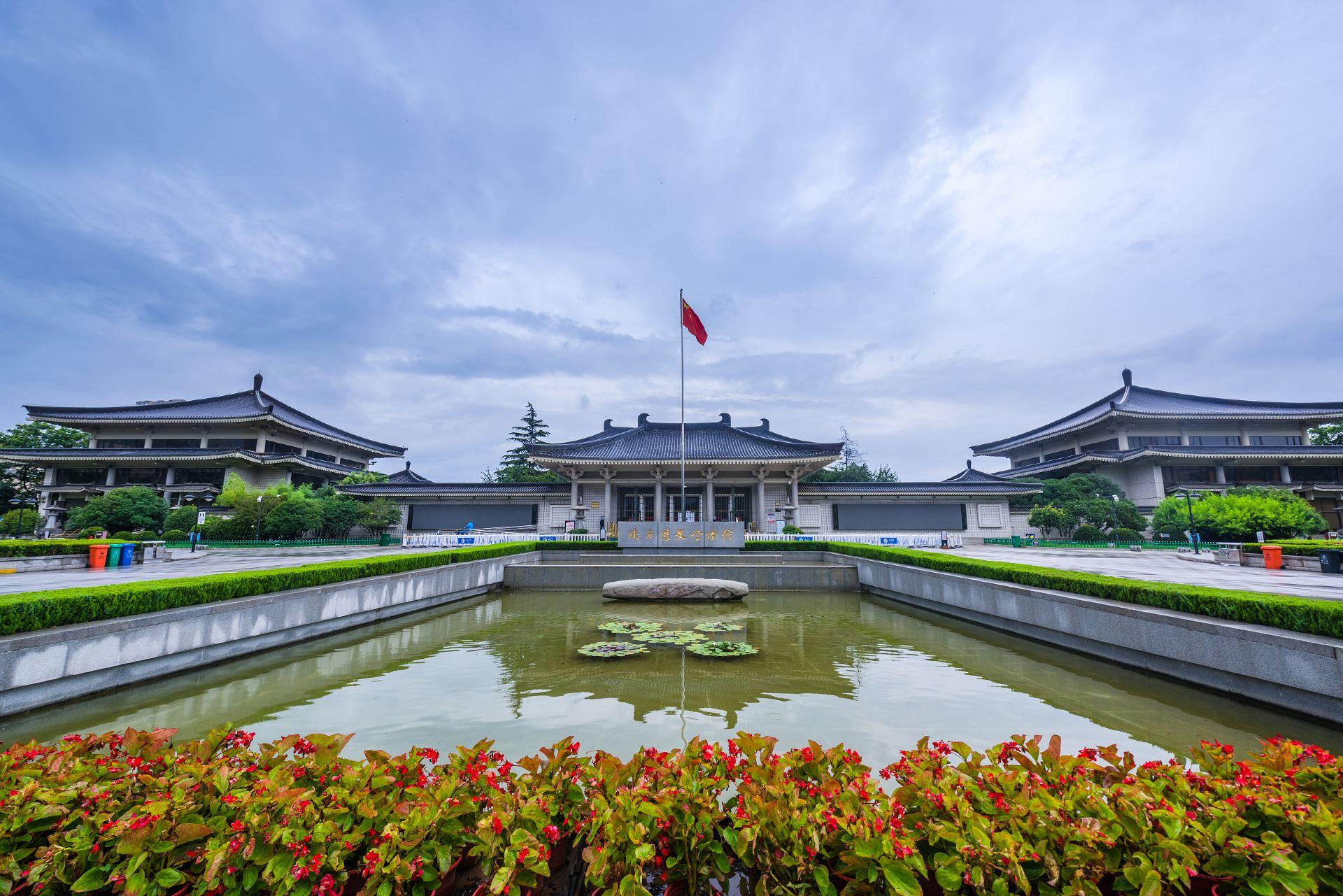
Shaanxi History Museum, a Tang-style architectural landmark near Dayan Pagoda, houses over 380,000 artifacts spanning more than a million years. Its collections—from Shang bronzes to Tang murals—offer a dazzling showcase of Shaanxi’s heritage and ancient Chinese civilization, making it a premier cultural destination in Xi’an.

0.5-1 day
Free

FAQ

What's the most popular attractions in Xi'an?
The most popular attractions in Xi'an include: Emperor Qinshihuang's Mausoleum Site Museum, Fortifications of Xi'an, and Shaanxi History Museum.
Things to do near Xi'an for family & child?
Family-friendly attractions near Xi'an include Qinling Wildlife Park, Lewa City · Lewa Adventure, Qujiang Polar Ocean Park, Bailuyuan·Bailucang Scenic Area, and Fantasy Aquarium in Xi'an.
Any recommended attractions about nature scenery in Xi'an?
Recommended nature scenery attractions in Xi'an include Suzaku National Forest Park, Zhongnan Mountain, Shahe Wetland Park, South Wutai, and Lianhu Lake Park.
How to get to Jingyang from Xi'an?
Chengbei Bus Terminal offers a direct bus from Xi'an to Xiangyang Tea Town, departing daily at 8:00 AM.
How to get to Zhangye from Xi'an?
It is recommended to take a train from Xi'an to Lanzhou first, then transfer to Zhangye. Train tickets from Xi'an to Lanzhou are generally easy to get.
How to get to Dunhuang from Xi'an?
Both flights and trains are available directly from Xi'an to Dunhuang. Trains are much cheaper and tickets can be purchased in Shanghai.
Last updated 10/8/2026 · published