Suzhou

China · Jiangsu

Suzhou

Classical gardens and water towns

Best for

Classical GardensWater TownsSilk HistoryCultural Heritage

Recommended stay

2–3 days

Best season

Mar.–May & Sep.–Nov.

Location

China, Jiangsu

Snapshot

City Snapshot

A city at a glance

6 dimensions · 1–5 scale

PandaLoco's read of six travel-relevant dimensions on a 1–5 scale, built from public datasets and our travel criteria.

It describes the city's profile. It is not a ranking of better or worse cities.

Basis: Public datasets and PandaLoco travel criteria

Overview

Suzhou charms with classical gardens, ancient water towns, and artistic heritage. Visit the Humble Administrator’s Garden, Suzhou Museum, and Zhouzhuang’s canals.

Ideal Pace

2–3 days

Seasonal Window

Mar.–May & Sep.–Nov.

Overview

Suzhou’s gardens, mountains, and rivers blend with ancient cultural charm: Humble Administrator’s Garden (UNESCO) and Suzhou Museum.

Brief Guide

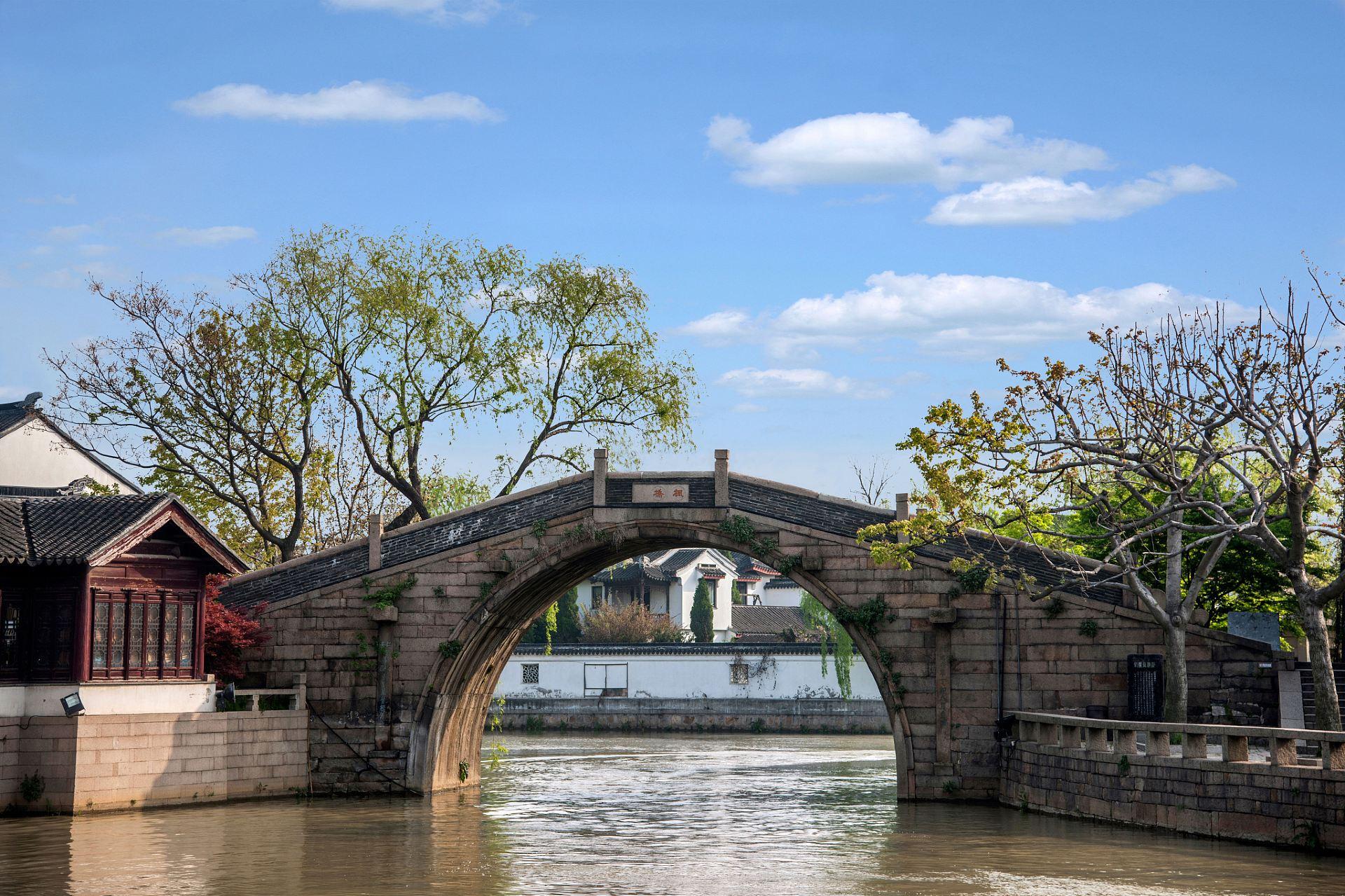
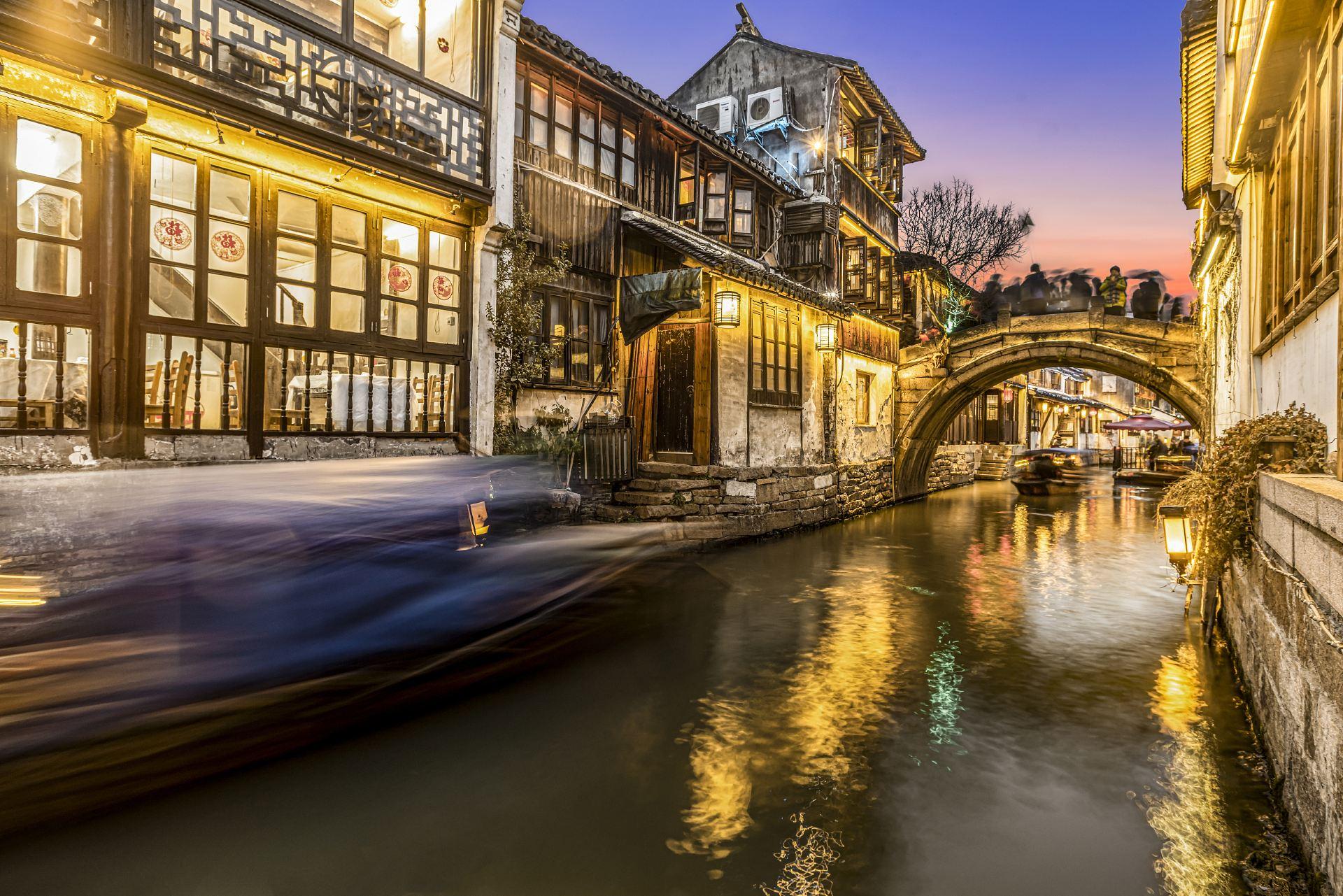
Suzhou's beauty lies in its gardens, mountains, and rivers, as well as its ancient cultural charm and artistic atmosphere. From the numerous ancient water towns on the outskirts to the Humble Administrator's Garden, a World Heritage Site, and the Suzhou Museum, the city offers endless exquisite delights. Built along a network of waterways, Suzhou's streets follow the rivers, creating a unique style of "little bridges, flowing water, and households." The Tang Dynasty poet Zhang Ji's poem "Night Mooring at Maple Bridge" has drawn visitors for centuries to Maple Bridge and the bells of Hanshan Temple. The mountains of Lingyan, Taiping, Tianchi, and Dongting West are scattered along the shores of Lake Tai outside Gusu District, showcasing nature's majesty.
Getting There & Around

Access via Sunan Shuofang Airport (WUX) or high-speed rail; metro with 11 lines covers key attractions.

How to Get There

Suzhou is a well-connected transportation hub, easily accessible by air, rail, bus, or road from international and domestic locations.

  • By Air: Sunan Shuofang International Airport (WUX), located about 18 km northwest of Suzhou and shared with Wuxi, serves limited international flights (e.g., Singapore, Seoul) and domestic routes to Beijing, Guangzhou, and Chengdu. Most travelers use Shanghai Pudong (PVG) or Shanghai Hongqiao (SHA) (both about 100–120 km away) for better flight options
  • To City Center from WUX: Metro Line 3 (20–30 minutes, ¥3–7) connects to downtown via Suzhou Railway Station. Airport shuttles (40 minutes, ¥20–25) or taxis (¥60–100, depending on traffic) are available
  • From PVG/SHA: High-speed train from Shanghai Hongqiao Railway Station (connected to SHA) to Suzhou (25–40 minutes, ¥40–60) or bus (about 1.5–2 hours, ¥50–80). Taxis from Shanghai cost about ¥350–450
  • By Train: Suzhou Railway Station is the main hub for high-speed trains (G-series), connecting to Shanghai (25–40 minutes), Nanjing (1–1.5 hours), Beijing (4–5 hours), Hangzhou (1–1.5 hours), and many other locations. It has a better location for visitors and is close to major attractions. Suzhou North and Suzhou Yuanqu Stations (Suzhou High-Tech Zone Station) serve additional high-speed routes; Suzhou North is closer to industrial zones
  • To City Center: All stations connect to Suzhou’s metro system
  • By Bus: Suzhou North Bus Station and Suzhou Central Bus Terminal connect to regional destinations like Shanghai (1.5 hours), Hangzhou (2 hours), and Wuxi (1 hour)
  • By Road: Driving or private transport is possible via expressways like the G2 (to Shanghai) or G15 (to Nanjing). Road travel is less recommended for international visitors due to complex driving regulations and language barriers

Local Transportation

Suzhou’s public transportation is efficient, affordable, and tourist-friendly, with English signage in metro stations and key areas. Its compact size and flat terrain make it ideal for exploring by metro, bus, taxi, bike, or walking.

  • Metro: Suzhou Rail Transit (SRT), with 11 lines, covers key attractions
  • Operating hours: 5:50 AM–11:30 PM
  • Fares and Payment Options: Distance-based, ¥2–10
  • Single-Journey Ticket: ¥2–10, available for purchase at vending machines (English interface, accepts ¥1 coins and bills of ¥5–20)
  • Suzhou Tong Card: Rechargeable, offering about 10% off metro fares, valid for buses
  • Mobile QR Codes: Use Alipay/WeChat “Suzhou Metro” mini-program to scan at gates
  • Buses: An extensive network serves areas beyond metro reach, like Zhouzhuang Water Town or Taihu Lake. Tourist-specific buses connect gardens and scenic spots
  • Fares: ¥2–15, payable via cash (exact change), Suzhou Tong card, or Alipay/WeChat QR codes. Use Gaode Maps for routes; the tourist bus 901 has English signage
  • Water Buses: Canal routes (e.g., Shantang Street–Panmen Gate) at ¥5/ride (paid with Suzhou Tong or QR code)
  • Tourist Shuttles: Free electric shuttles linking UNESCO gardens (e.g., Lingering Garden–Lion Grove)
  • Taxis and Ride-Hailing: DiDi offers ride-hailing with an English interface, ideal for getting a car ride, including taxis
  • Bicycles: Bike-sharing (Meituan, HelloBike) is available throughout the city
  • Cost: about ¥1–2 per 30 minutes via mobile apps

Practical Information

Mandarin with English signage in tourist areas. WeChat/Alipay for payments. eSIMs for connectivity.

Local Language

Mandarin Chinese is the official language. English signage is widespread in tourist areas, but English is not widely spoken.

Local Apps

  • WeChat: China’s all-in-one app for messaging, social media, and digital payments. English interface available
  • Alipay: A leading payment app for cashless transactions at restaurants, shops, and public transport. Its “Transport” feature supports metro and taxi payments. English version available
  • DiDi: China’s top ride-hailing app, offering taxi and private car services with an English interface. Integrates with Alipay or WeChat for seamless payments
  • Gaode Maps: The most reliable navigation app in China, offering detailed maps, real-time traffic, and transit routes for metro and buses. Superior to Google Maps for local accuracy
  • Alternative: Amaps app
  • Youdao Dictionary: A Chinese-English dictionary and translation app, perfect for communicating with non-English-speaking taxi drivers or reading menus. Includes offline OCR for scanning signs

Internet and Communication

Staying connected in Suzhou is essential for navigation, payments, and communication, given China’s reliance on mobile apps and limited access to some Western services. eSIMs: eSIMs are a convenient option for travelers, enabling instant activation without the need for a physical SIM card. Purchase online before your trip; activate upon arrival. Ensure your device supports eSIM.

  • Local SIM Cards: Local SIMs from providers like China Mobile, China Telecom, or China Unicom offer reliable 4G/5G coverage in Suzhou. Available at airports or official provider shops. Present your passport at the time of purchase; airport staff can assist with setup. China Unicom often has better English support
  • Wi-Fi: available in hotels, hostels, and some cafes (e.g., Starbucks) but less common in public spaces like parks or streets. Many Wi-Fi networks require a Chinese phone number for SMS verification

Currency and Payment

The official currency is the Chinese Yuan (CNY, ¥), also known as Renminbi (RMB). Notes come in denominations of ¥1, ¥5, ¥10, ¥20, ¥50, and ¥100; coins are available in denominations of ¥0.1, ¥0.5, and ¥1.

  • Digital Payments: Suzhou is largely a cashless city, with mobile apps dominating transactions. WeChat Pay and Alipay are widely accepted. Link a foreign bank card (Visa/Mastercard) to WeChat or Alipay before arrival
  • Cash: Cash is rarely needed but can be useful for small vendors (e.g., street food stalls), single-ride tickets on public transportation, or in rural areas. Carry small denominations (¥1–20) for convenience
  • Credit/Debit Cards: Visa and Mastercard are accepted at major hotels, upscale restaurants, and some retailers in Suzhou, but less common at smaller venues. American Express is rarely accepted. Notify your bank of travel plans to avoid card blocks
  • ATMs and Cash Withdrawals: ATMs accepting foreign cards (Visa/Mastercard) are widely available at banks, airports, and shopping areas. Most offer English interfaces. Look for PLUS (Visa) or Cirrus (Mastercard) logos. American Express is rarely accepted, except at select ATMs in airports or high-end hotels
  • Fees: ¥10–15 per withdrawal (some banks waive for partners)
  • Home bank fees: ~3% + $5 (check your issuer)
  • Currency conversion fee: 1–3% (Visa/Mastercard rate)
  • Reliable Banks: Bank of China, ICBC, China Construction Bank, HSBC China

Top Experiences

Discover Suzhou Museum’s architecture and artifacts; visit the Site of King Zhongwang’s Residence for Taiping history.

Must-Try Local Experiences

Uncover Suzhou's

  • Rich History: Step into the Suzhou Museum, designed by I.M. Pei, where white walls and tiled roofs blend old and new. Explore artifacts tracing Suzhou's 2,500-year story. Visit the Site of King Zhongwang's Residence to uncover tales of the Taiping Rebellion in its ornate halls. This journey through elegant courtyards and historic relics reveals Suzhou's timeless heart
  • Wander Through Elegant Gardens: Stroll Suzhou's UNESCO gardens—Humble Administrator's Garden, Lingering Garden, Lion Grove Garden, and Master of the Nets Garden. Pavilions, ponds, and rocks create a peaceful scene. Curved paths reveal new views at every turn. These gardens mix nature and art, offering a calm escape into Suzhou's classic beauty
  • Feel Peace at Suzhou Temples: Visit Xiyuan Temple downtown, with 500-year-old Buddhist statues and vegetarian meals. Lingyan Mountain Temple sits among green hills, radiating calm. At Hanshan Temple, join locals on Chinese New Year's Eve as bells ring 108 times for good fortune, a Buddhist tradition. These sacred spots weave Suzhou's spiritual side into its landscapes
  • Cruise Scenic Waterways: Glide along the Grand Canal, Pingjiang River, or Shantang River on a boat. See whitewashed homes and stone bridges line the shores. At night, lanterns glow on boats from Shantang's historic docks to Tiger Hill's ancient tower. Boatmen sing folk tunes, bringing Suzhou's water charm to life
  • Enjoy Classic Local Performances: Visit a Pingjiang Road teahouse for Pingtan, a storytelling song in the local dialect. Watch Kun Opera's "Peony Pavilion" at Shantang Suzhou Kunqu Opera House, with English subtitles often available. "Dream in the Garden" at Lingering Garden adds drama. These arts bring Suzhou's culture to life. Savor Suzhou's
  • Flavors: Taste Su-style dishes at local restaurants. Try sweet and sour mandarin fish, carved to curl like a squirrel's tail, or Biluochun shrimp with tea notes. Xiefen tofu blends crab roe richness. In autumn, Yangcheng Lake hairy crabs shine. Guanqian Street eateries serve these vibrant flavors
  • Explore Historic Streets: Walk Pingjiang Road's ancient lanes, lined with craft shops and bridges over canals. Guanqian Street buzzes with stores selling sesame candy and silk. At night, Shantang Street's market sparkles with lanterns. These walks reveal Suzhou's 2,500-year history, from old teahouses to lively modern stalls, blending past and present
  • Live Water Town Charm: Visit Tongli, Zhouzhuang, or Luzhi, where canals and bridges create a timeless world. Stroll cobbled lanes, sip tea by the water, and browse embroidery stalls. These towns, heart of Suzhou's water culture, offer a dreamy escape into classic Chinese river life
  • Admire Autumn Colors: In late October to November, Suzhou's maples and ginkgoes glow red and gold. Tianping Mountain's Red Maple Festival (November 10–December 10) dazzles. Tiger Hill's Bonsai Garden hides maple gems. Gardens like Canglang Pavilion mix autumn hues with white walls, painting a vivid scene
  • Discover Silk Craft: At the Suzhou First Silk Factory History Museum, see silkworms weave glossy threads with live feeding shows April–June. Yunfan Suzhou Embroidery Art Museum reveals artisans stitching intricate patterns. Try weaving silk or buy a handcrafted scarf. This dive into Suzhou's 5,000-year silk legacy sparks wonder at its craft. Cycle Along Suzhou's
  • Canals: Rent a bike and pedal along the Grand Canal or Jinji Lake's paths, passing willows and arched bridges. Jinji Lake's trails lead to Moon Harbour's sleek skyline, blending ancient Suzhou with modern buzz. Spot boats gliding and locals fishing, soaking in the city's waterway charm

Food Highlights

Fengzhen Noodles, Squirrel-shaped Mandarin Fish, Yangcheng Lake Hairy Crabs, Pan-fried Buns, Red Bean Cakes.

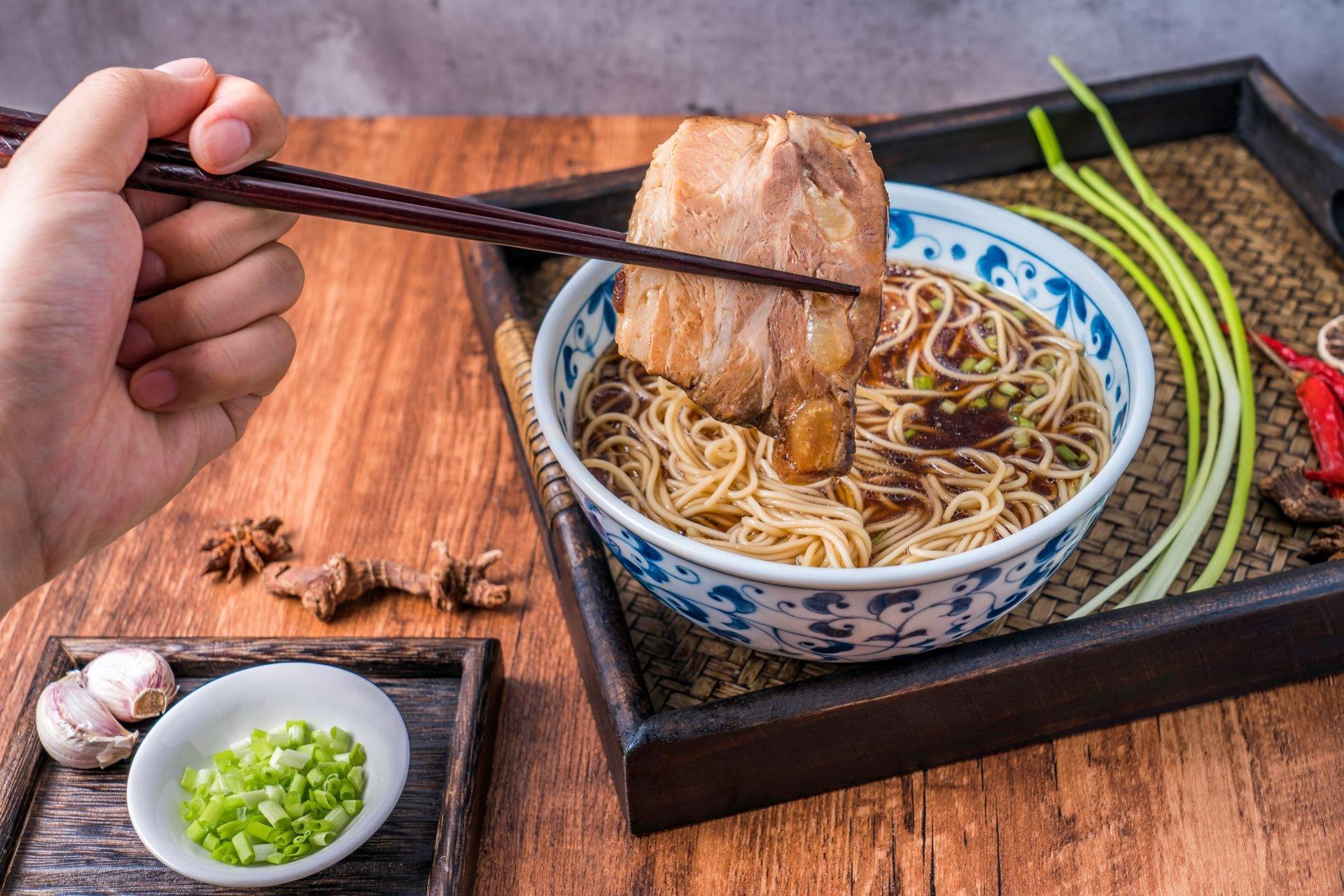
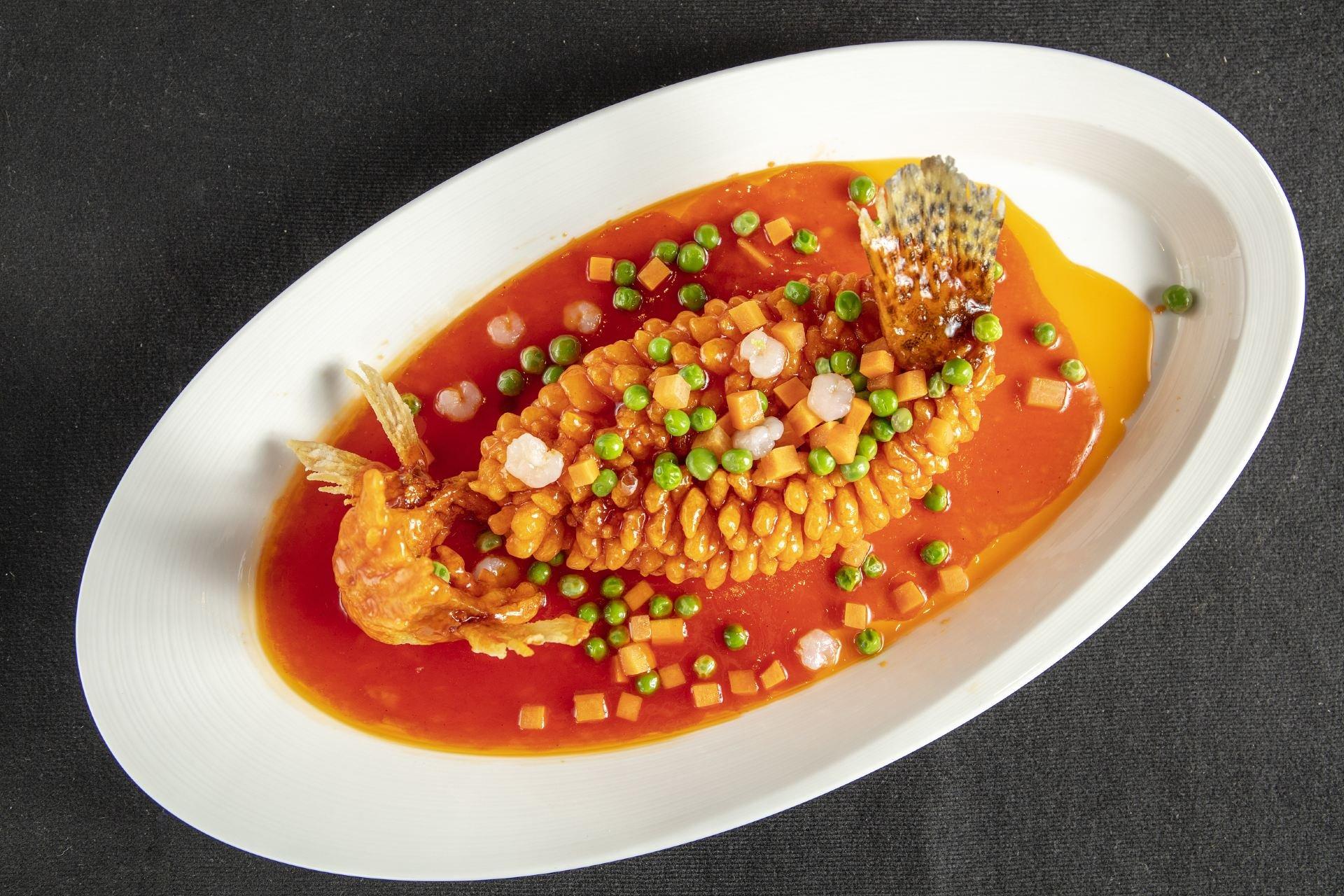
Suzhou's cuisine is known for fine craftsmanship and unique flavors. Dishes include the delicate white broth of Fengzhen noodles, sweet and sour squirrel-shaped mandarin fish, rich Yangcheng Lake hairy crabs, fragrant pan-fried buns, and sweet red bean cakes. Each dish embodies the essence of Suzhou-style cuisine.

Fengzhen Noodles

Fengzhen Noodles

Fengzhen noodles are considered Suzhou's most refined noodle dish. They use high-quality pork belly stewed for four and a half hours until tender. The clear soup is made from pork bones, eel bones, shrimp brains, and snail meat, without soy sauce. Legend says Emperor Qianlong named the dish after tasting it during the Qing Dynasty.

Squirrel-shaped Mandarin Fish

Squirrel-shaped Mandarin Fish

Squirrel-shaped Mandarin Fish is a traditional Suzhou dish made with mandarin fish as the main ingredient. After deboning, scoring, and frying, it is topped with sweet and sour sauce, resembling a squirrel, with a crispy exterior and tender interior, and a sweet and sour taste.

This dish has a rich historical and cultural background; it is said that Emperor Qianlong praised it highly when he tasted it during his southern tour to Suzhou, thus becoming famous far and wide.

The preparation of squirrel-shaped mandarin fish is intricate, requiring mastery of several steps such as scoring, marinating, dusting with flour, pouring hot oil, and adding sauce, making it a representative work of Suzhou cuisine that combines color, aroma, and taste.

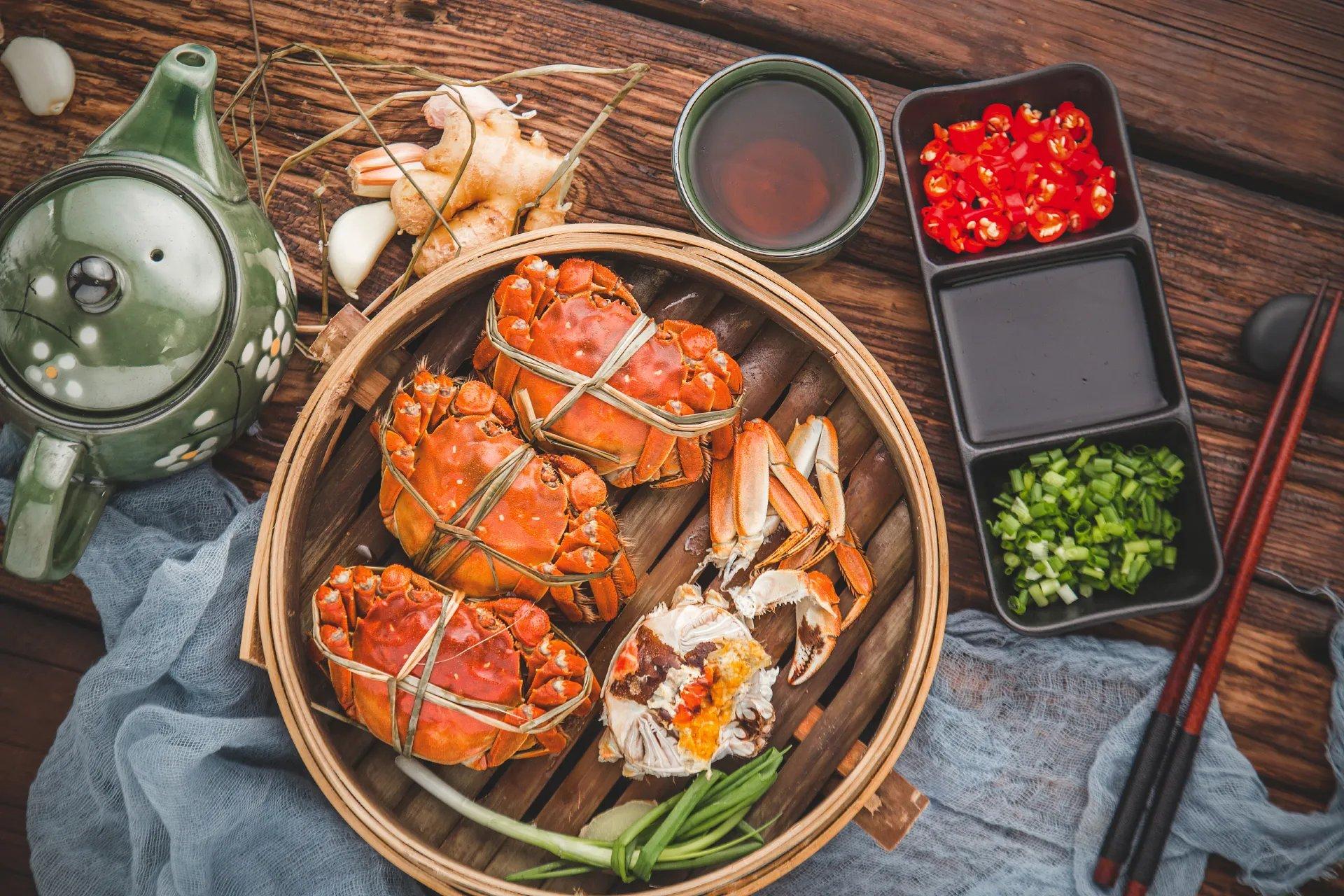
Yangcheng Lake Hairy Crabs

Yangcheng Lake Hairy Crabs

Produced in Yangcheng Lake, Suzhou City, Jiangsu Province, they are known as the "king of crabs" and are characterized by their green back, white belly, golden claws, and yellow hair.

Yangcheng Lake hairy crabs have a delicious and creamy texture. Female crabs feature golden crab roe, while male crabs offer white jade-like crab cream.

The peak season is from September to October in the lunar calendar, when the gonads are fully developed and the flavor is most exquisite.

When eating, choose live crabs for cooking and pair them with ginger vinegar and seasonings to enhance freshness. When selecting crabs, pay attention to these aspects:

  • Crab shell
  • Navel
  • Pincers
  • Vitality
  • Gender
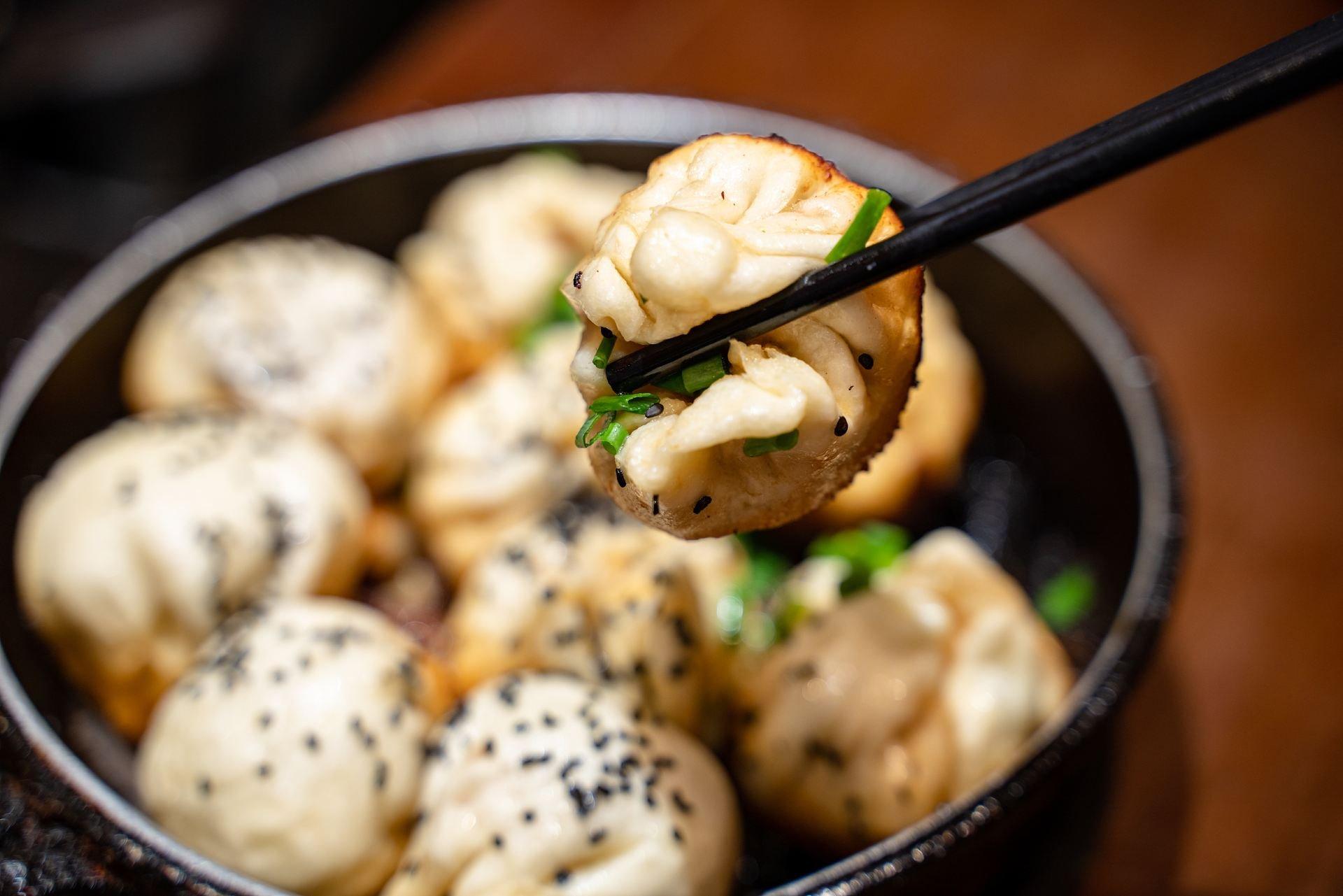
Pan-fried Buns

Pan-fried Buns

Suzhou's pan-fried buns, simply called pan-fried, are a traditional snack in Suzhou and the Jiangnan region, originating in the early 20th century in Suzhou. They are characterized by a golden and crispy bottom, with fillings mostly made of tender pork and containing gravy, sprinkled with sesame seeds and green onions on top. When eaten, they are crispy on the outside and soft on the inside, with a fragrant aroma.

During preparation, the dough needs to be fermented, the filling is finely seasoned, and water is sprayed during the frying process to ensure the quality of the pan-fried buns.

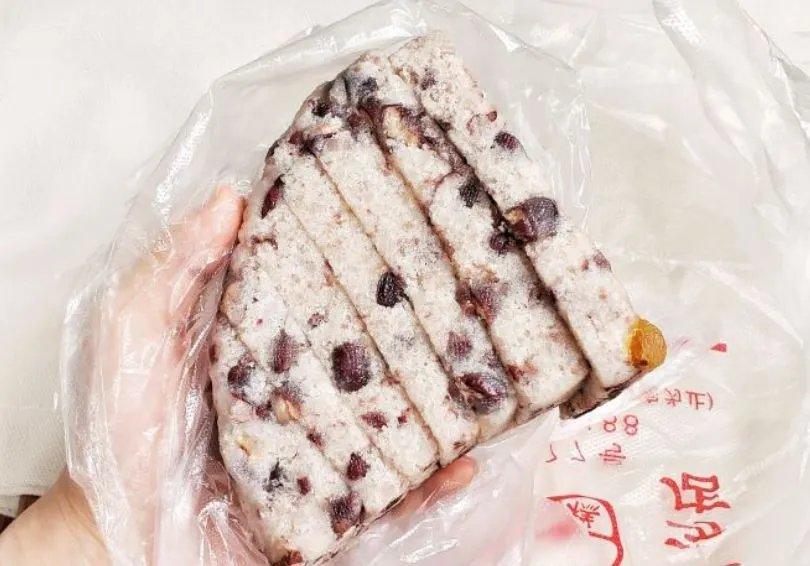
Red Bean Cakes

Red Bean Cakes

Suzhou's red bean cakes are a traditional snack known for their sweet and moist, soft and chewy texture. They are made from a mixture of selected red beans and glutinous rice, by cooking the red beans, grinding them into a paste, and then mixing with glutinous rice to form small balls, which are steamed before eating.

Red bean cakes are not only a dessert for Suzhou people after meals but also an essential food for festival celebrations, symbolizing good fortune and happiness.

Best Time to Visit

Spring (Mar.–May) for blooming gardens and cherry blossoms; autumn (Sep.–Nov.) for mild festivals.

Spring (March–May) and fall (September–November) are Suzhou’s optimal seasons, offering mild weather, blooming classical gardens, and vibrant cultural festivals. Avoid summer’s humidity and winter’s chill for the most comfortable exploration.

  • Spring: 10–22°C (50–72°F), light rain; cherry blossoms peak late March. Humble Administrator’s Garden and Lingering Garden feature peonies, wisteria, and azaleas; Suzhou Tulip Festival at Jinji Lake; Suzhou Silk Culture Week (April)
  • Summer: Hot, humid 28–38°C (82–100°F); frequent thunderstorms
  • Fall: Crisp, sunny 15–25°C (59–77°F); golden ginkgos line Pingjiang Road. Maple bridges at Tiger Hill; Mid-Autumn Festival lanterns in the Classical Gardens. Yangcheng Lake hairy crab season (Oct–Nov); riverside dining in Shantang Street
  • Winter: Cold, damp 0–8°C (32–46°F); rare light snow. Mist-shrouded pavilions; New Year lantern festivals at Net Master Garden

Attraction Highlights

Humble Administrator’s Garden (UNESCO), Lion Grove Garden, Hanshan Temple, Fengqiao Scenic Area, Zhouzhuang water town.

Humble Administrator's Garden (Zhuozheng Garden)

Humble Administrator's Garden (Zhuozheng Garden)

拙政园

The Humble Administrator's Garden, a UNESCO World Heritage site and one of China's Four Great Gardens, centers on serene water landscapes evoking southern Chinese waterside villages. Divided into east, middle, and west sections, its elegant Ming Dynasty design features distinct ancient architecture harmoniously scattered across the water.

2-3 hours
80 CNY
Hanshan Temple

Hanshan Temple

寒山寺

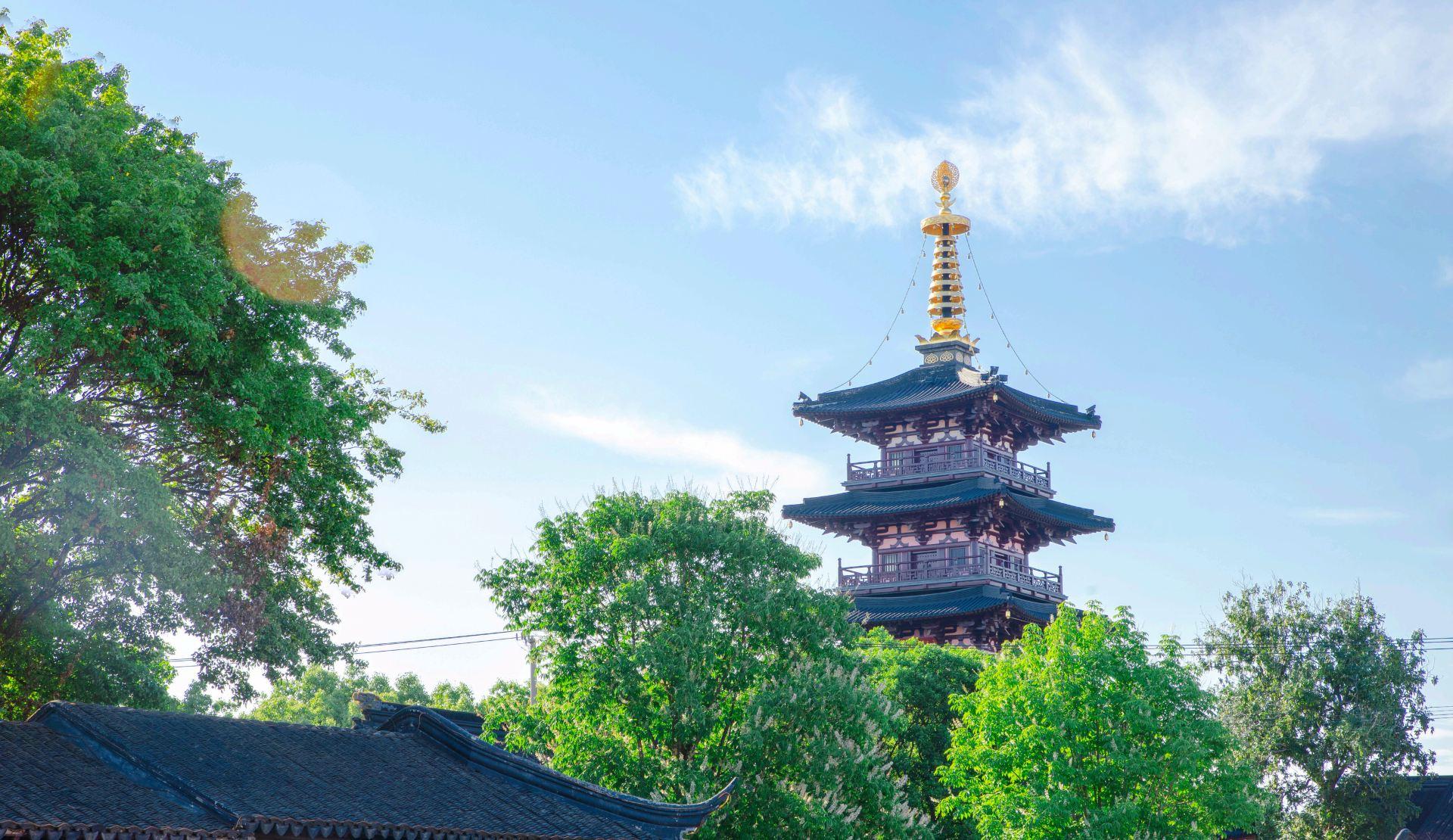
Hanshan Temple, in Suzhou’s western suburbs, has a history spanning over 1,400 years. It is famed for Zhang Ji’s Tang Dynasty poem 'A Night Mooring by Maple Bridge,' evoking its midnight bell. Visitors can strike the bell, light incense, and pray, joining a steady stream of devotees.

2-3 hours
18 CNY
Fengqiao Scenic Area

Fengqiao Scenic Area

枫桥景区

Fengqiao Scenic Area in western Suzhou features historic landmarks along the ancient Grand Canal. Highlights include the iconic Fengqiao Bridge, the Ming-dynasty Tielingguan fortress, and the charming Fengqiao Town. Jiang Fengzhou islet is linked by bridge, while Hanshan Temple and Tielingguan stand together on the same canal bank.

1-2 hours
Free
Zhouzhuang

Zhouzhuang

周庄

Zhouzhuang is a renowned ancient water town south of the Yangtze River, crisscrossed by canals and lined with Ming and Qing dynasty buildings. Its well-preserved stone bridges, including the famous double bridges, and historic residences like Shen Hall and Zhang Hall, offer a timeless glimpse into traditional Jiangnan life.

0.5-1 day
50 CNY
Lion Grove Garden(Shizilin Garden)

Lion Grove Garden(Shizilin Garden)

狮子林

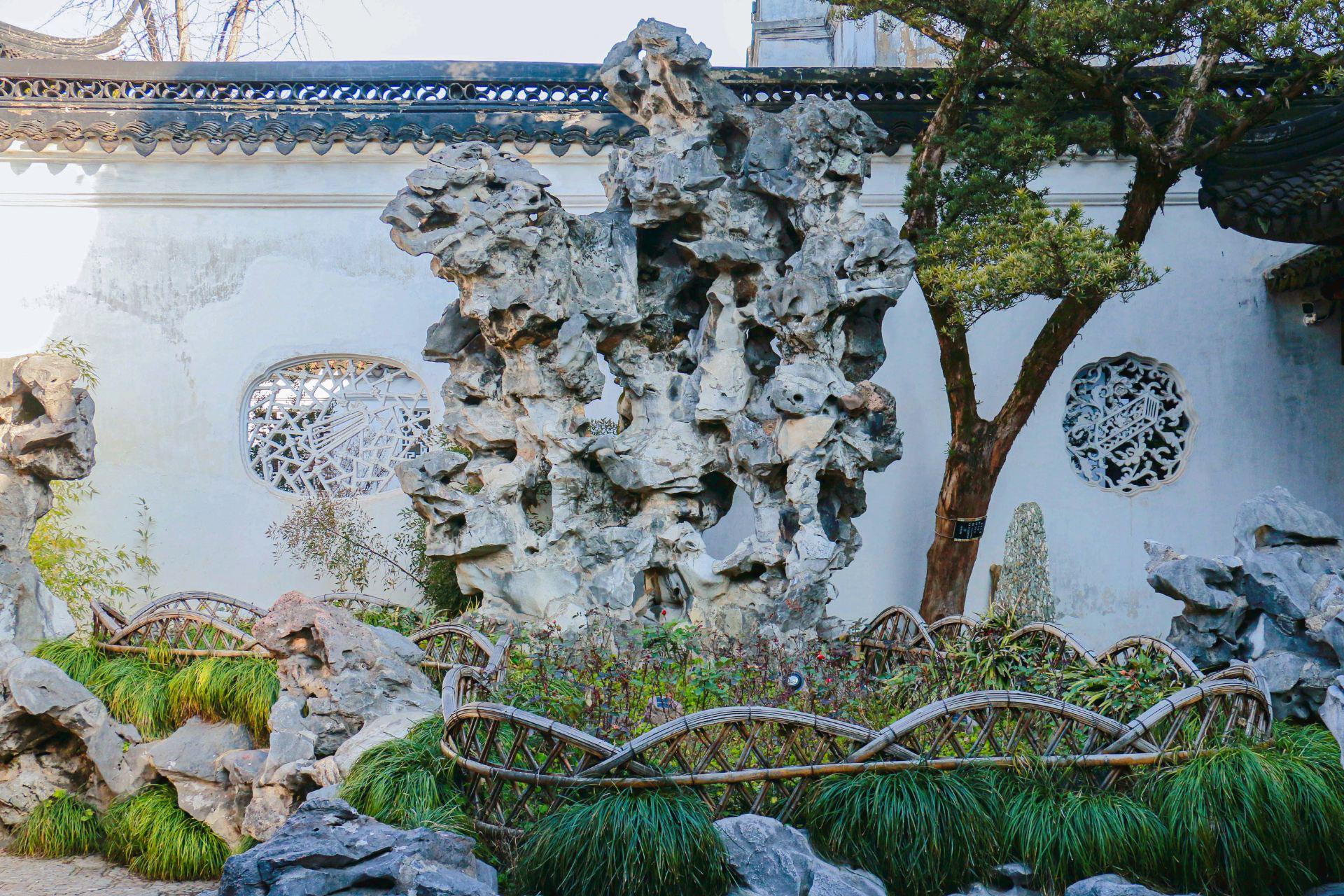
Lion Grove Garden, one of Suzhou’s four famous classical gardens, dates from the Yuan Dynasty and originated as a Zen temple garden. Celebrated for its labyrinthine rockery, the garden features fantastical limestone formations resembling dancing lions, creating a maze-like landscape that once charmed Emperor Qianlong during his southern tours.

1-2 hours
40 CNY

FAQ

What's the most popular attractions in Suzhou?
The most popular attractions in Suzhou include the Humble Administrator's Garden, Tiger Hill, and Huayi Brothers Movie World.
Things to do near Suzhou for family & child?
Family-friendly activities near Suzhou include Yueshui Village, Suzhou Dreamland, Superpark Chaoji Amusement Park, Wandouduo Qihuan Amusement Park, and the Water Amusement Park in Suzhou.
How to get to Nanjing from Suzhou?
The most convenient way to get from Suzhou to Nanjing is by high-speed rail.
How to get to Suzhou from Wuzhen?
Yes, you can take a bus from Wuzhen Bus Terminal to Suzhou South Railway Station. There are two departures each morning and afternoon, making it very convenient.
How to get to Macau from Suzhou?
To get to Macau from Suzhou, you can take an overnight train or fly to Shenzhen, then transfer to the Shekou passenger port. Buy a ticket for about 200 yuan, and in as little as one hour you'll reach the Hong Kong and Macao terminal. From there, take bus 10 to various attractions.
How to get to Shanghai from Suzhou?
The most convenient way to get from Suzhou to Shanghai is by high-speed rail, with frequent trips, short travel time, and comfortable rides.
Last updated 10/8/2026 · published