Shijiazhuang

China · Hebei

Shijiazhuang

1,400-year-old Zhaozhou Bridge from Sui Dynasty

Best for

Historical sitesAncient templesCultural museumsLocal cuisine

Recommended stay

2–3 days

Best season

Spring (Apr–May) and autumn (Sep–Oct)

Location

China, Hebei

Snapshot

City Snapshot

A city at a glance

6 dimensions · 1–5 scale

PandaLoco's read of six travel-relevant dimensions on a 1–5 scale, built from public datasets and our travel criteria.

It describes the city's profile. It is not a ranking of better or worse cities.

Basis: Public datasets and PandaLoco travel criteria

Overview

Capital of Hebei, modern city with historical sites: Zhaozhou Bridge (1,400-year-old Sui Dynasty), Longxing Temple, Longquan Ancient Town, Hebei Provincial Museum.

Ideal Pace

2–3 days

Seasonal Window

Spring (Apr–May) and autumn (Sep–Oct)

Overview

Modern provincial capital with historical Zhaozhou Bridge (1,400-year-old Sui Dynasty).

Brief Guide

Shijiazhuang is the provincial capital of Hebei, a modern city filled with skyscrapers and bustling streets. Its history awaits discovery. Zhaozhou Bridge, located outside the city, was built during the Sui Dynasty and has over 1,400 years of history. If you are interested in the classic Chinese novel "Dream of the Red Chamber," visit Rongguo Manor and Ningrong Street, which were built entirely according to descriptions in the novel. For natural scenery, Tianzhu Mountain and Baodu Fort are excellent for mountain climbing and sightseeing.
Getting There & Around

Shijiazhuang Zhengding International Airport; over 90 bus routes; main stations: Shijiazhuang Passenger Transport Station and North Station.

How to Get There

Shijiazhuang's transportation infrastructure is a critical component of its connectivity, with Shijiazhuang Zhengding International Airport and the city's main railway stations being the primary hubs for intercity travel. Shijiazhuang Zhengding International Airport (

  • IATA: SJW,
  • ICAO: ZBSJ) is a significant air travel hub in North China's Hebei province, serving as a base for several airlines and handling a mix of domestic and international flights. The airport is connected to the city by various ground transportation options, including a shuttle bus to Zhengding Airport railway station and bus routes to different city points. For those traveling to the city center, buses and taxis are readily available at the airport terminals. Shijiazhuang Railway Station is another major transportation junction, offering high-speed and ordinary train services to key destinations across China. The station is accessible via metro lines 2 and 3, providing a direct link to the city center. It is equipped with comprehensive facilities and services, ensuring a comfortable transit experience for passengers

Local Transportation

  • Buses: Extensive network with over 90 urban routes; main stations such as Shijiazhuang Passenger Transport Station and North Passenger Transport Station are pivotal. Buses are common due to their coverage and affordability.
  • Metro: Three operational lines, with plans to expand to six. Metro Line 3 connects Shi'erzhong and Shijiazhuang Railway Station, providing fast and efficient travel. Recommended for convenience and frequency, especially during peak hours.
  • Bike-sharing: Popular in China, though not specific to Shijiazhuang. Services like Mobike and Ofo, despite financial challenges, offer an eco-friendly, flexible option for short-distance travel.

Practical Information

Jilu Mandarin; Alipay, WeChat, Didi, Gaode Maps essential; China Mobile/Unicom SIM cards; temperate monsoon climate; dress modestly.

Local Language

Shijiazhuang, the capital of Hebei Province, is predominantly Mandarin-speaking, with Jilu Mandarin as the local dialect. Travelers may encounter language barriers, but translation services and language apps can assist. The city's diverse population means multiple languages and dialects are present. For effective communication, using simple Mandarin phrases, gestures, and visual aids like maps is recommended.

Local Apps

  • Alipay: Versatile app for cashless transactions nearly everywhere in China, including public transport and taxis.
  • WeChat: Essential for communication and payments, also supporting messaging and social media.
  • Didi Chuxing: Allows easy ride-hailing.
  • Gaode Maps: Provides accurate navigation within China.
  • WAYGO: Translates Chinese, Japanese, and Korean texts into English instantly without internet.
  • Online travel platform: Offers comprehensive services including booking flights.

Internet and Communication

Mobile data packages for visitors are available through local carriers like China Mobile and Unicom.

  • China Mobile SIM: Prepaid data SIM with unlimited texts and calls within China, high-speed connections (sometimes 5G), no long-term contract.
  • Unicom SIM: SIM cards with data packs including unlimited music apps, no long-term contract.
  • eSIM: Unlimited data plans start at around $6 for China.
  • Public WiFi: Widely available in airports, restaurants, coffee shops, malls, but often requires Chinese phone number for verification.
  • Global WiFi device: Convenient alternative like Skyroam, connects multiple devices without additional setup upon arrival.

Weather

Shijiazhuang has a temperate monsoon climate with four distinct seasons: hot summers and cold winters. The city is affected by monsoon circulation, with cold winds in winter and hot, humid currents in summer.

  • Pack layers because temperatures vary significantly.
  • For summer: lightweight, breathable clothing, plus sunscreen, hats, and sunglasses due to intense UV radiation.
  • For winter: warm attire, including padded jackets, and warm, waterproof clothing for freezing conditions and possible snow.
  • Always check the current weather forecast before traveling.

Customs and Taboos

When visiting Shijiazhuang, follow these public etiquette norms:

  • Dress modestly in public spaces.
  • Avoid wearing revealing clothing, as it may be considered disrespectful.
  • Refrain from public displays of affection, such as kissing and hugging; these are not common and may be frowned upon in conservative areas or by older generations. To respect local sensibilities, it is safer to avoid such actions.

Currency and Payment

In Shijiazhuang, electronic payments are widely used, with Alipay and WeChat Pay being the most common digital wallets for tourists.

  • Digital Payments: Alipay and WeChat Pay are the most commonly used by foreign tourists, offering seamless everyday purchases. Ensure you can receive SMS verification in China to use them effectively.
  • Credit/Debit Cards: Link international bank cards to Alipay or WeChat Pay for convenient payments.
  • Fees: Be aware of transaction fees when using digital wallets.

Top Experiences

Explore Longxing Temple, Mt. Cangyan Scenic Area, Zhengding's temples, Hebei Museum artifacts.

Must-try Local Experiences

  1. Explore the Historical Wonders of Shijiazhuang: Visit the ancient Longxing Temple and Mt. Cangyan Scenic Area for a journey through time and architectural grandeur. Don't miss Zhengding's historic temples and the Hebei Museum's vast collection of artifacts.
  2. Experience Traditional Chinese Opera: Enjoy traditional Chinese opera in Shijiazhuang, especially Hebei Bangzi, known for its powerful singing and dramatic performances.
  3. Visit the Shijiazhuang Art Museum: Explore exhibitions showcasing contemporary and traditional Chinese art.
  4. Sample the Culinary Delights: Indulge in local specialties like Zaobing, Donkey Burger, Hebei hotpot, and Shijiazhuang Noodles. Don't miss the local snacks at night markets.
  5. Capture the Panoramic Beauty from the Shijiazhuang TV Tower: Ascend for breathtaking views, especially stunning during sunset and nighttime.
  6. Capture the Beauty of Zhaozhou Bridge: Photograph the world's oldest open-spandrel stone segmental arch bridge, especially during sunrise or sunset.
  7. Take a Day Trip to Xishan Forest Park: Enjoy stunning natural scenery and hiking trails, a perfect escape from the city.

Food Highlights

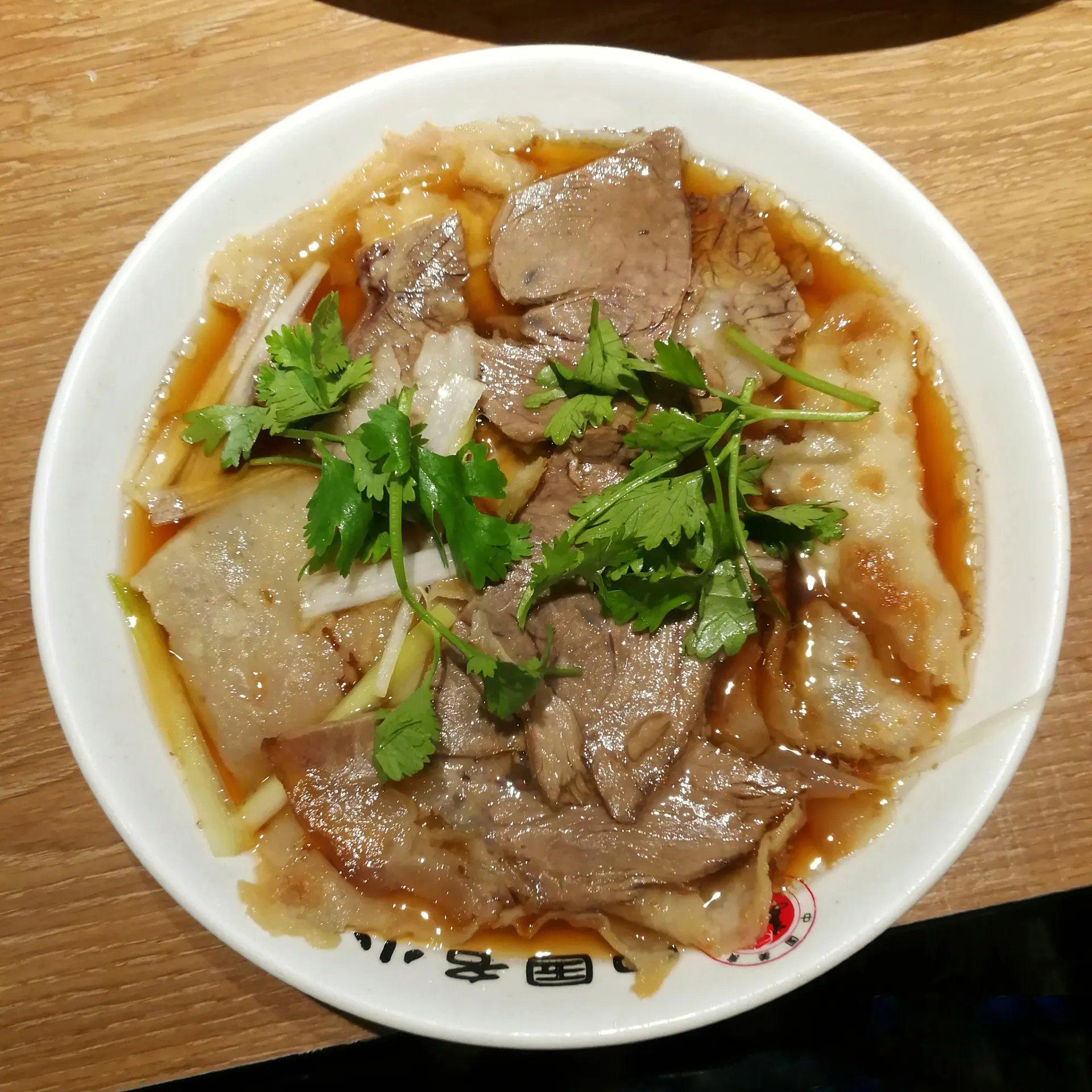
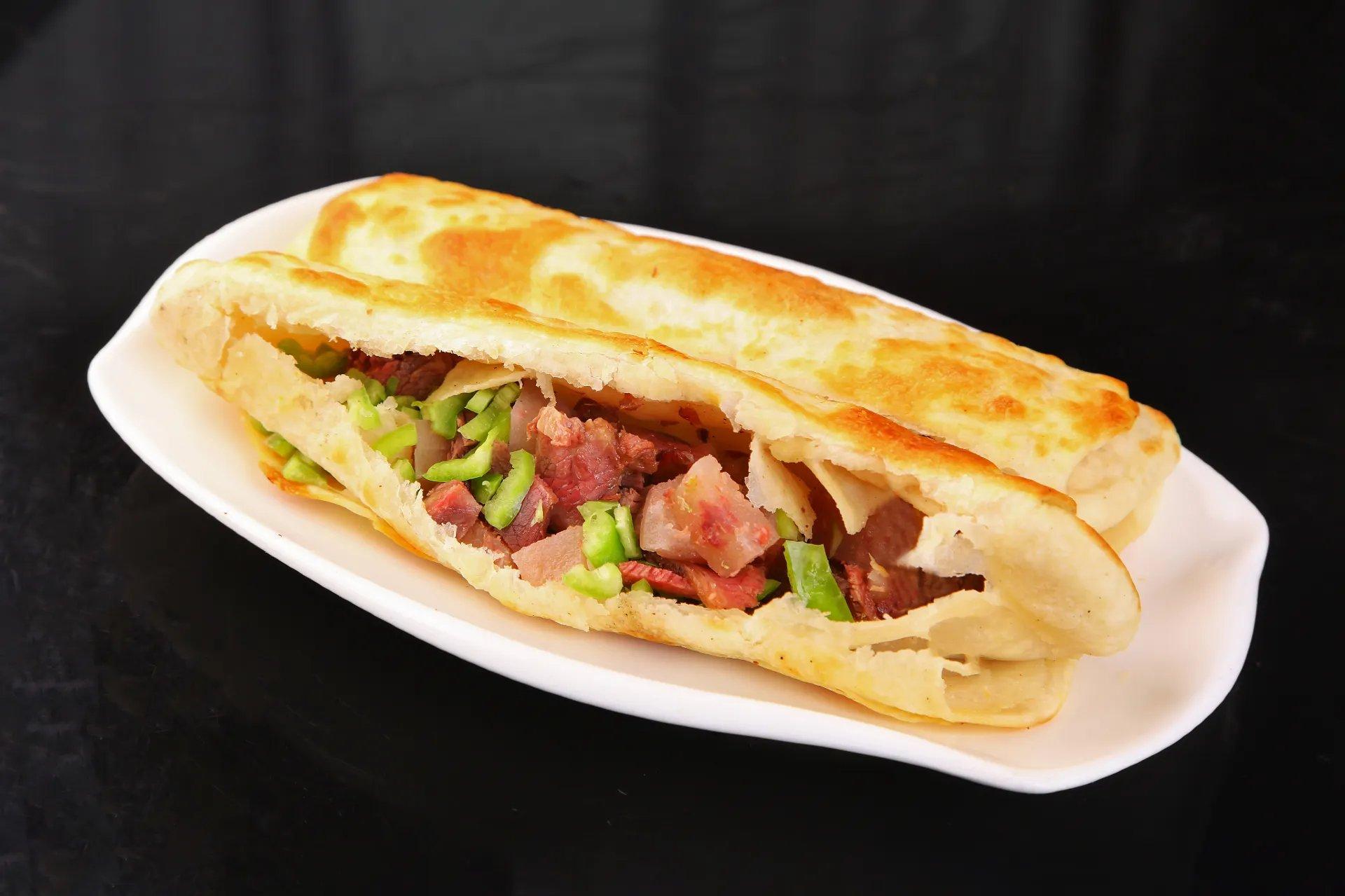
Beef banmian (noodles), clay oven rolls, beef covered pancake, donkey burger.

The culinary scene in Shijiazhuang is diverse and vibrant, featuring everything from crispy, savory donkey burgers to exceptionally flavorful beef noodles. Alongside these, the charred, crisp pot oven pancakes and aromatic beef-topped pancakes highlight the city’s excellence in blending textures and tastes, making for a memorable dining experience.

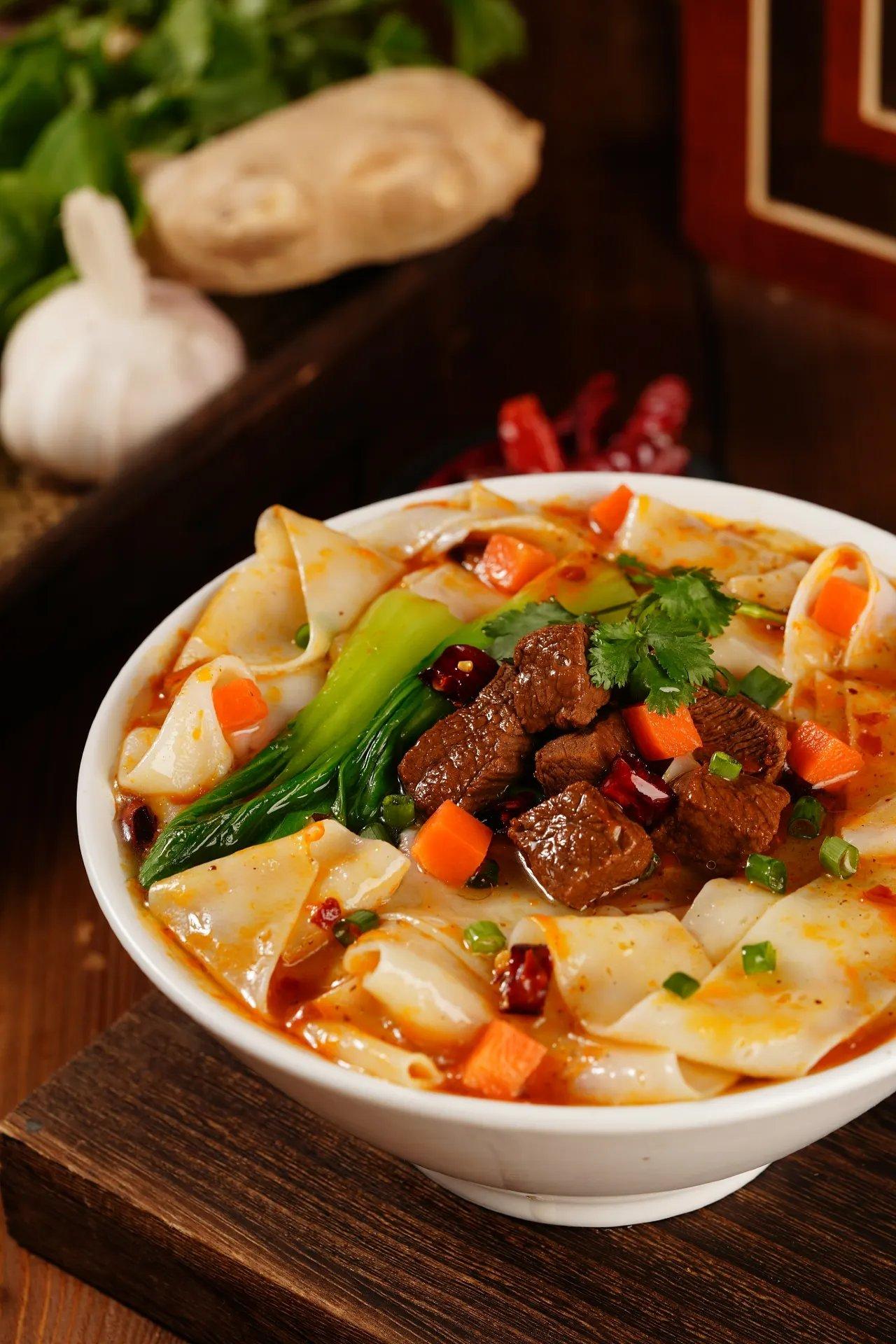
Beef Banmian

Beef Banmian

Originating from Taihe County in Anhui, where it is typically prepared with lamb, Banmian was adapted in the north using beef to suit local preferences. Today, beef Banmian is a common sight in Shijiazhuang, cherished for its affordability and tastiness.

The noodles, when cooked, appear clear and silky with a sparkling shine and are served in a crystal-clear broth. The dish boasts a myriad of ingredients that enhance its rich texture.

Complemented by beef and fresh green vegetables, the colorful mix of red, white, and green hues makes it irresistibly appealing and mouthwatering.

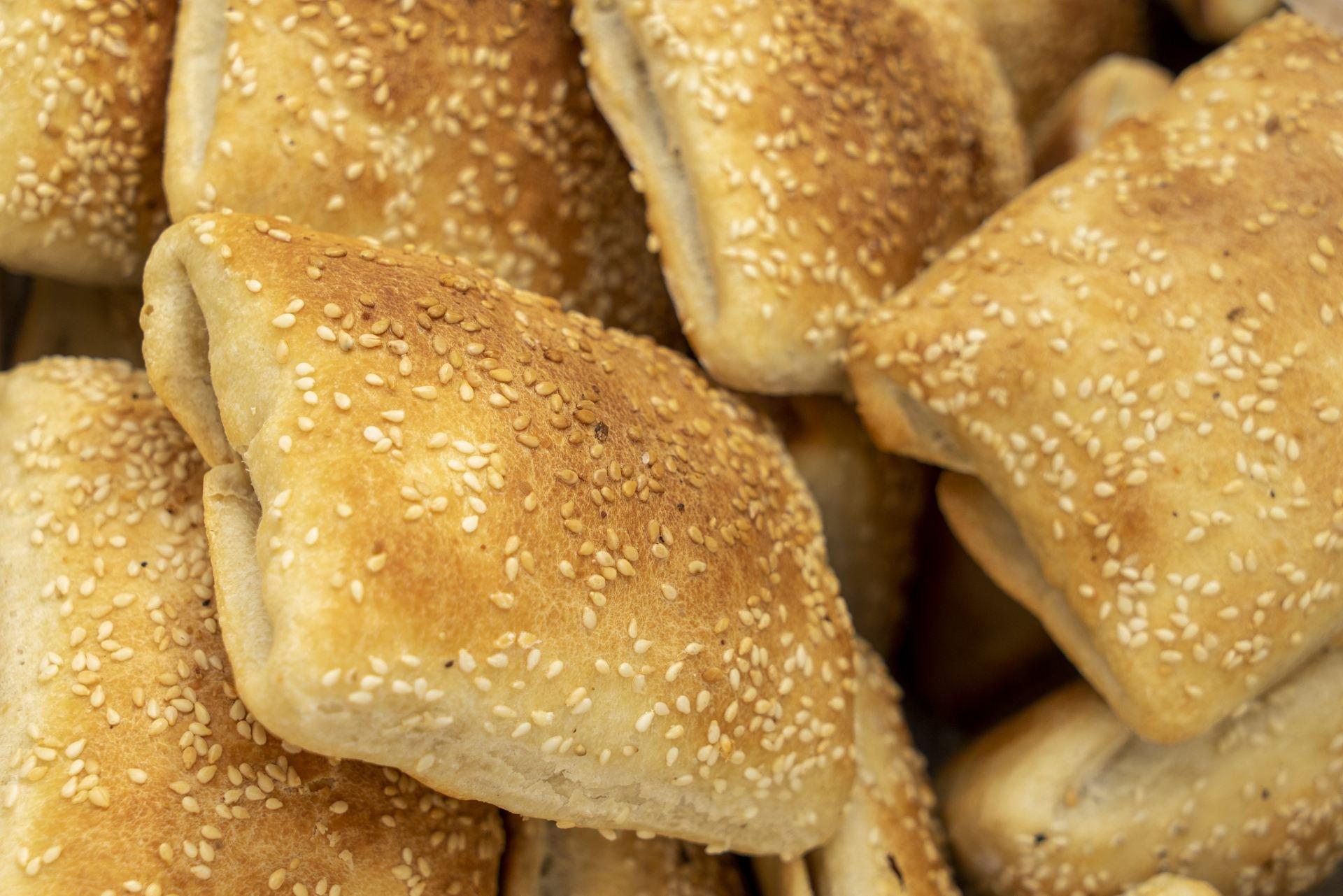
Clay Oven Roll

Clay Oven Roll

Clay oven rolls are made using a stove and a clay oven, with meticulous attention to temperature control during the baking process. If the temperature is too cool or too hot, the rolls will slide off the inner walls of the oven. When perfectly heated, the rolls are golden-brown and smooth with an oily surface. Biting into one, the crisp and slightly burnt flavor immediately spreads throughout your mouth.

Beef Covered Pancake

Beef Covered Pancake

The secret to a perfect beef covered pancake is the pancake itself—freshly made, thin yet flexible. In preparing it, no oil is used to retain the pancake's natural flavor.

  • After cooking, pieces of the pancake are immersed in a richly seasoned beef soup.
  • Combined with a handful of fresh green onions.
  • Repeatedly dipped three times in aromatic beef broth.

This simple process releases an irresistibly delicious aroma instantly.

Donkey Burger

Donkey Burger

Particularly popular in Hebei, donkey burgers are a common sight in snack shops lining both the main and side streets of the city. The richly flavored donkey meat is succulent yet not oily, combined with a savory aged broth and enclosed in crispy bread, creating a rich and aromatic experience that tantalizes the taste buds and is unforgettable.

Best Time to Visit

Spring (mid-April to mid-May) with blooming flowers; autumn (mid-September to mid-October) with cool weather and foliage.

The best times to visit Shijiazhuang are spring and autumn, specifically from mid-April to mid-May and mid-September to mid-October. During these periods, the weather is moderate and pleasant, ideal for travel and exploration.

  • Spring: Offers blooming flowers and comfortable temperatures.
  • Autumn: Provides cool, comfortable weather with beautiful foliage.
  • These seasons avoid the extreme heat of summer and the cold, dry winter, ensuring a more enjoyable visit.

Attraction Highlights

Longxing Temple (586 AD, Song architecture), Longquan Ancient Town (Ming-Qing), Zhengding Rongguofu (Chan Buddhism), Hebei Provincial Museum (jade suits).

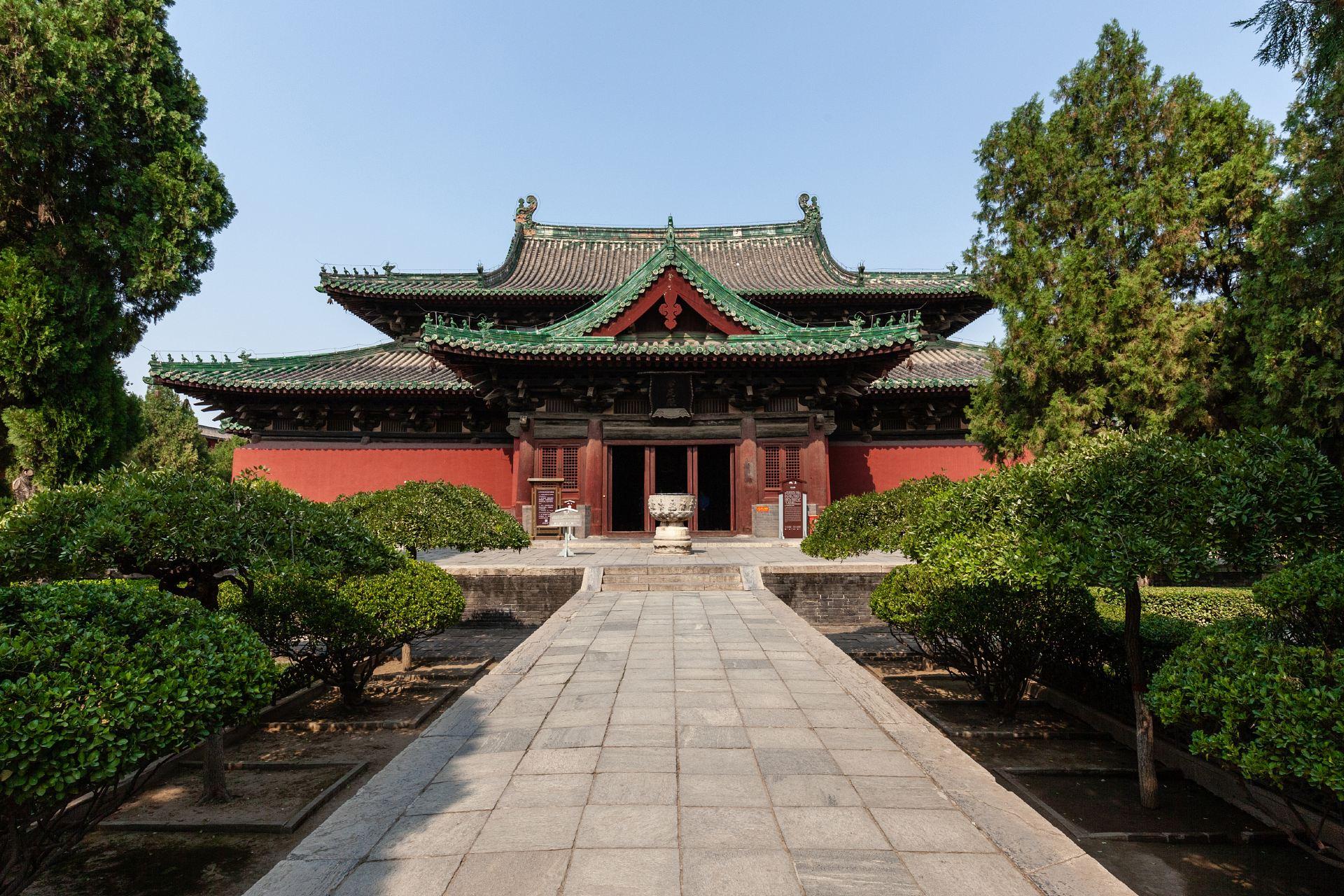
Longxing Temple

Longxing Temple

隆兴寺

Longxing Temple in Zhengding, founded during the Sui Dynasty, is one of China’s oldest and best-preserved temples. Spanning 600 by 200 meters, its halls display Song and Jin dynasty architecture, imperial inscriptions, and cultural relics. The highlight is a 21.3-meter Northern Song thousand-armed Avalokitesvara statue in the Great Compassion Pavilion.

2-3 hours
50 CNY
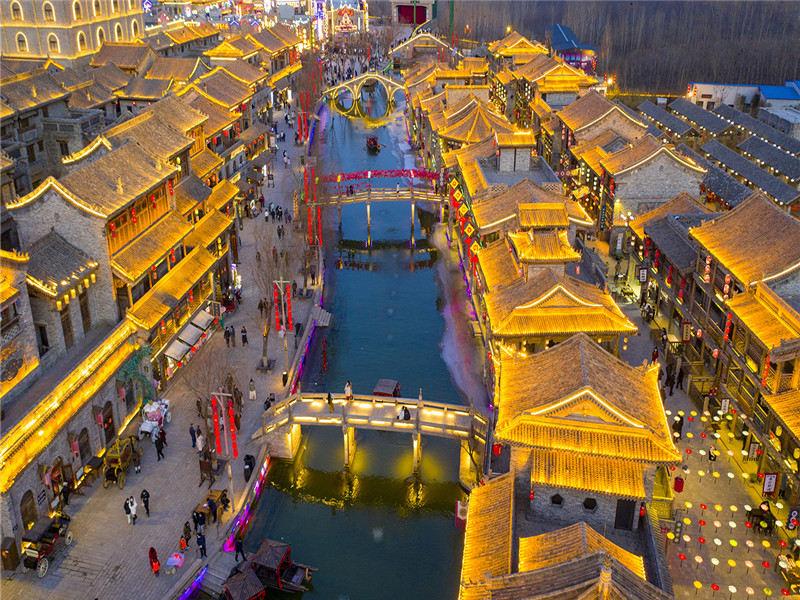
Longquan Ancient Town · Drama Illusion City

Longquan Ancient Town · Drama Illusion City

龙泉古镇·戏剧幻城

Longquan Ancient Town · Drama Illusion City in Shijiazhuang’s Luquan District spans 948 acres, featuring a vast collection of reassembled Ming, Qing, and Republic-era buildings. It offers deep insights into historical architecture, folk traditions, and marriage customs, playing a vital role in cultural preservation and education.

3-4 hours
96 CNY
Rong Mansion Scenic Spot

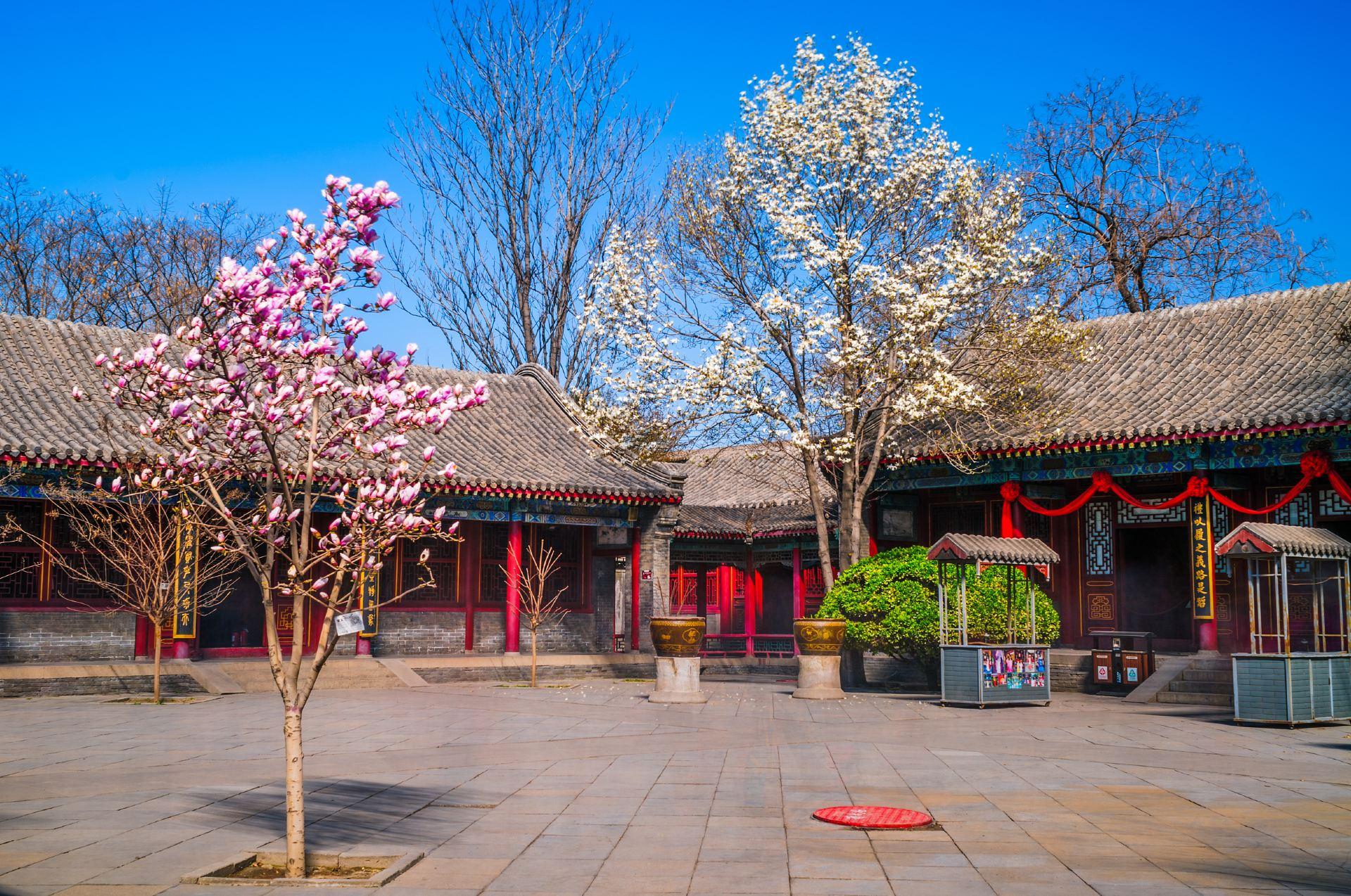
Rong Mansion Scenic Spot

正定荣国府

Zhengding Rong Mansion, north of Shijiazhuang, is an antique Ming-Qing style complex built per the classic 'Dream of Red Mansions.' It features the mansion and street sections, with a two-story hatchback courtyard layout divided into middle, east, and west routes, each a five-in-four courtyard.

1-3 hours
38 CNY
Hebei Museum

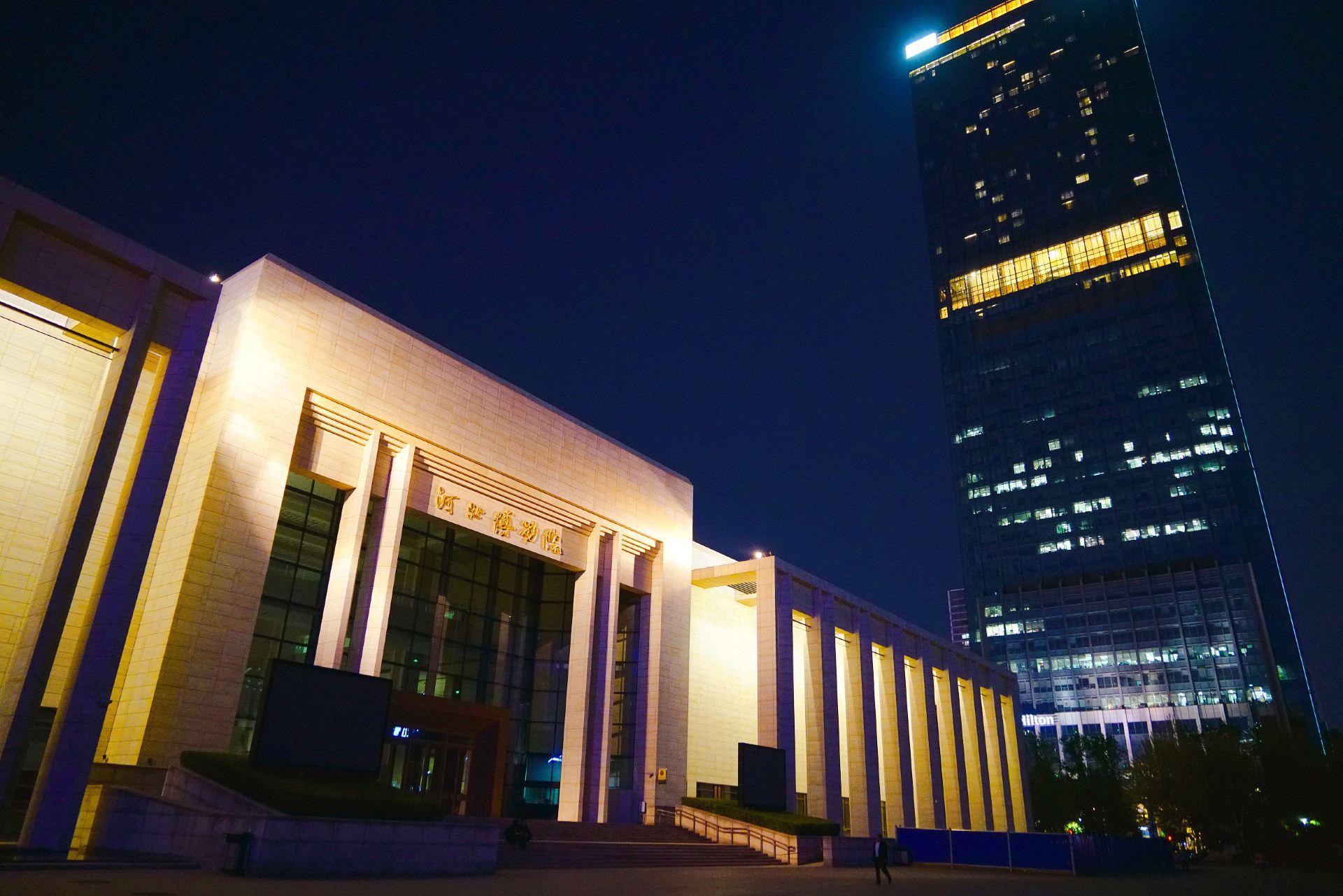
Hebei Museum

河北博物院

Hebei Museum, located in downtown Shijiazhuang, showcases a vast collection of precious artifacts, including Han Dynasty tomb treasures, Yan and Zhao relics, ancient kiln masterpieces, and anti-Japanese war exhibits. Renowned for the quantity and quality of its displays, it offers an essential introduction to Hebei's rich history and culture.

0.5-1 day
Free
Baodu Scenic Spot

Baodu Scenic Spot

抱犊寨

Baodu Scenic Spot, west of Shijiazhuang, is a steep mountain once fortified as a military stronghold. Its rugged slopes offer rewarding hikes and a chance to explore cultural and historical sites, making it an ideal destination for outdoor enthusiasts and history lovers.

3-4 hours
58.55 CNY

FAQ

What's the most popular attractions in Shijiazhuang?
The most popular attractions in Shijiazhuang include Shijiazhuang City Zoo, Manshanhua Valley Scenic Area, and Zhaozhou Bridge.
Things to do near Shijiazhuang for family & child?
Family-friendly activities near Shijiazhuang include Golden Village Ecological Tourist Area, Bailu Hot Springs, Shijiazhuang Botanical Garden, Baoduzhai, and Xinma Kingdom Theme Park.
How to get to Shijiazhuang from Anxin?
From Anxin to Shijiazhuang, there is a direct bus from the bus station at 6:00 AM and 9:00 AM daily, taking about 3 hours. Alternatively, take a bus to Baoding (departures at any time), then take bus 22 or 306 to the train station and catch a train to Shijiazhuang. The direct bus costs about 50 yuan, the bus to Baoding is less than 20 yuan, and the train to Shijiazhuang is less than 30 yuan.
How to get to Huangshan from Shijiazhuang?
Take the high-speed rail from Shijiazhuang to Huangshan, which is convenient, fast, and less affected by weather. Since there is no direct train, transfer at Xuzhou to Huangshan North Station. After arriving, take a bus directly to Tangkou.
How to get to Zhengding from Shijiazhuang?
First go to Shijiazhuang Railway Station, then turn left to find a CMB bus that goes directly to Zhengding.
How to get to Shanxi from Shijiazhuang?
Day 1: Drive from Shijiazhuang to Wutai Mountain (3.5 hours). Visit attractions including Buddha Top, Xiantong Temple, Tayuan Temple, and Luoluding in the afternoon. Stay overnight at Wutai Mountain. Day 2: Tour Wutai Mountain attractions (Wuxiang Temple, Wuye Temple), then head to Datong, visiting Hanging Temple en route. In the afternoon, visit Yungang Grottoes. Stay overnight in Datong. Day 3: Travel from Datong to Yanmen Pass, then to Taiyuan in the afternoon. Stay overnight in Taiyuan. Day 4: Morning tour of Jinci and Qiao Family Courtyard, then head to Pingyao Ancient City in the afternoon. Stay overnight in Pingyao. Day 5: Return from Pingyao to Shijiazhuang.
Last updated 10/8/2026 · published