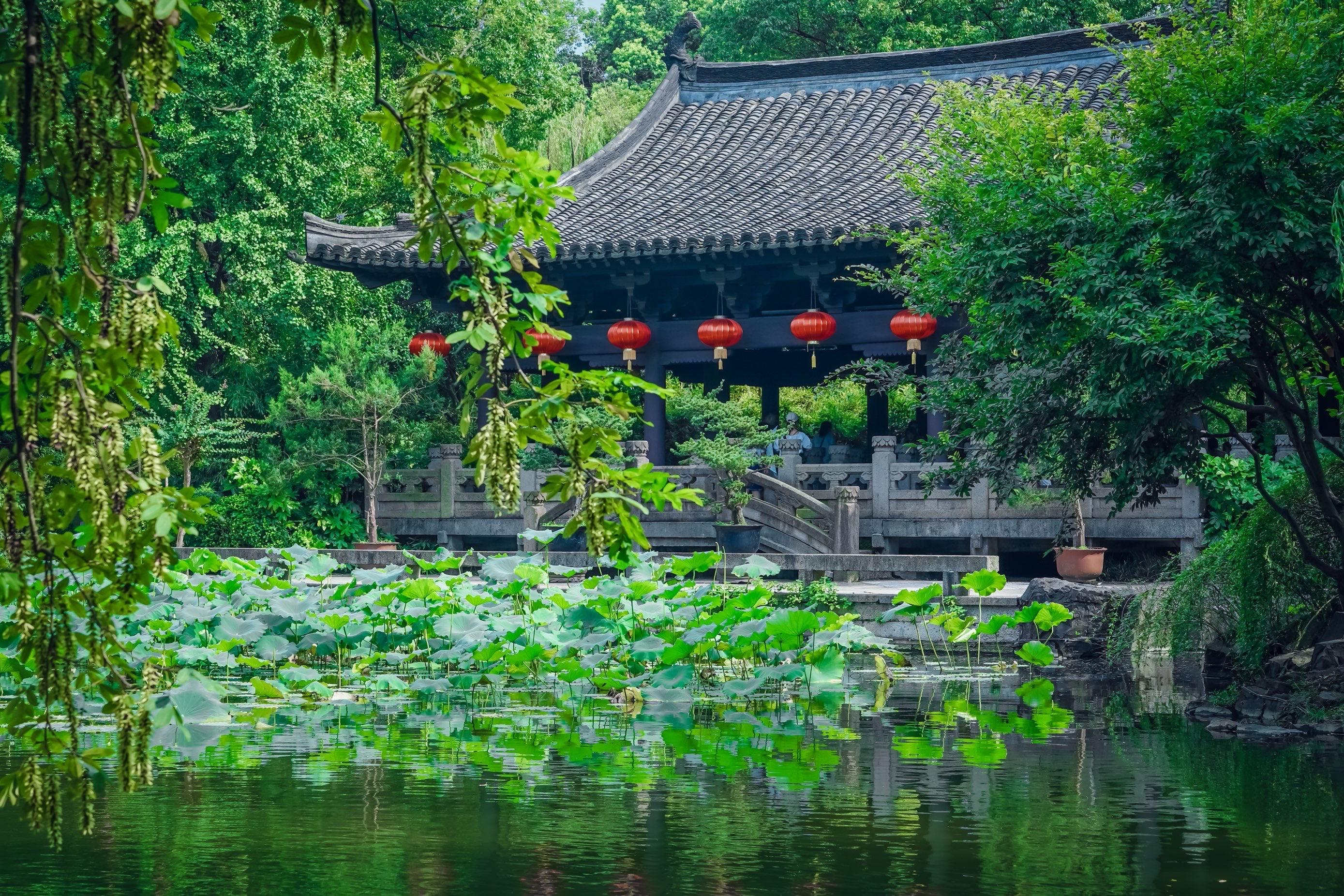
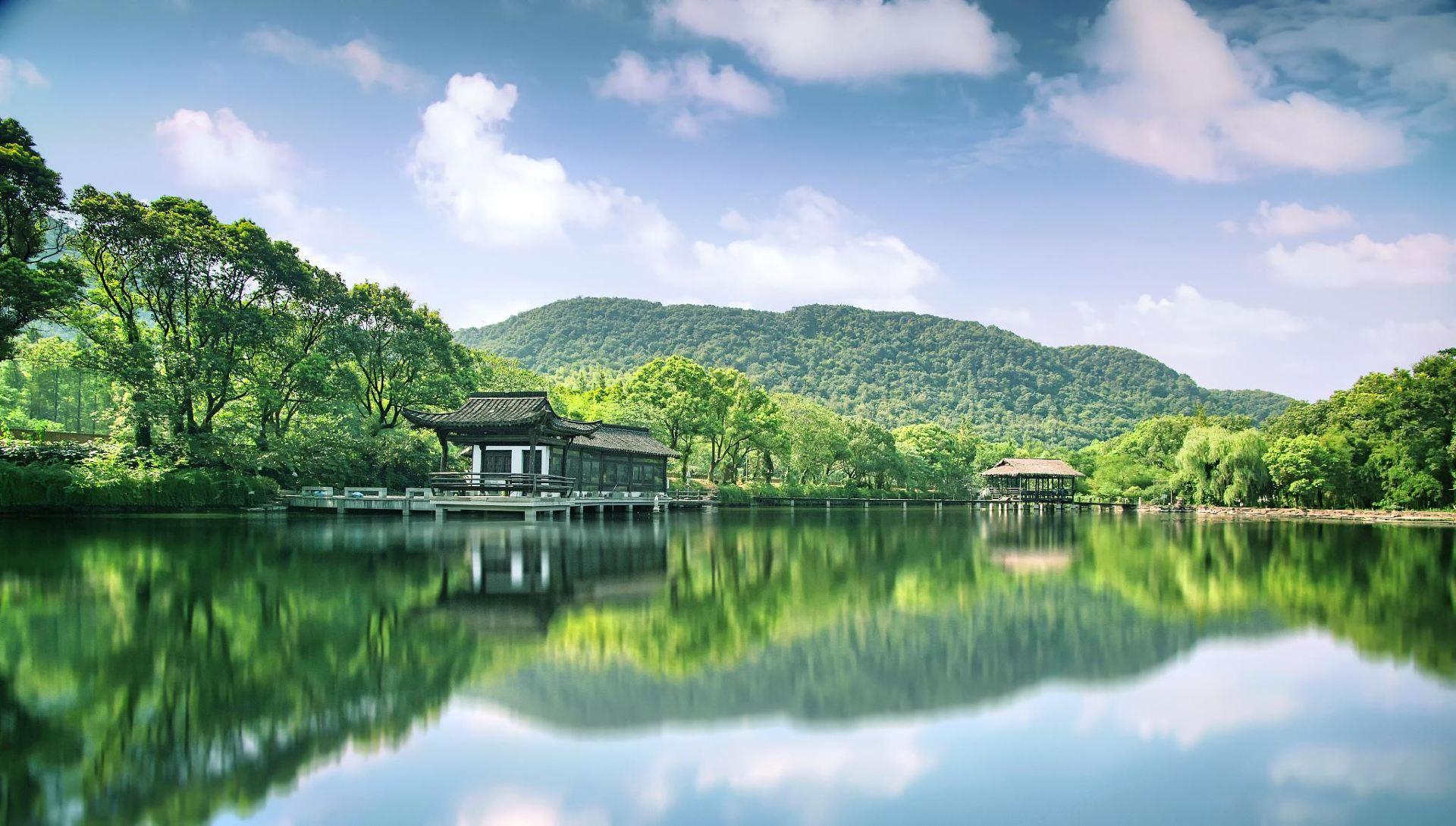
Shaoxing

China · Zhejiang

Shaoxing

Lu Xun’s hometown and Huangjiu heritage

Best for

Literary HistoryRice Wine CultureCanalsHistoric Sites

Recommended stay

1–2 days

Best season

Apr.–May & autumn

Location

China, Zhejiang

Snapshot

City Snapshot

A city at a glance

6 dimensions · 1–5 scale

PandaLoco's read of six travel-relevant dimensions on a 1–5 scale, built from public datasets and our travel criteria.

It describes the city's profile. It is not a ranking of better or worse cities.

Basis: Public datasets and PandaLoco travel criteria

Overview

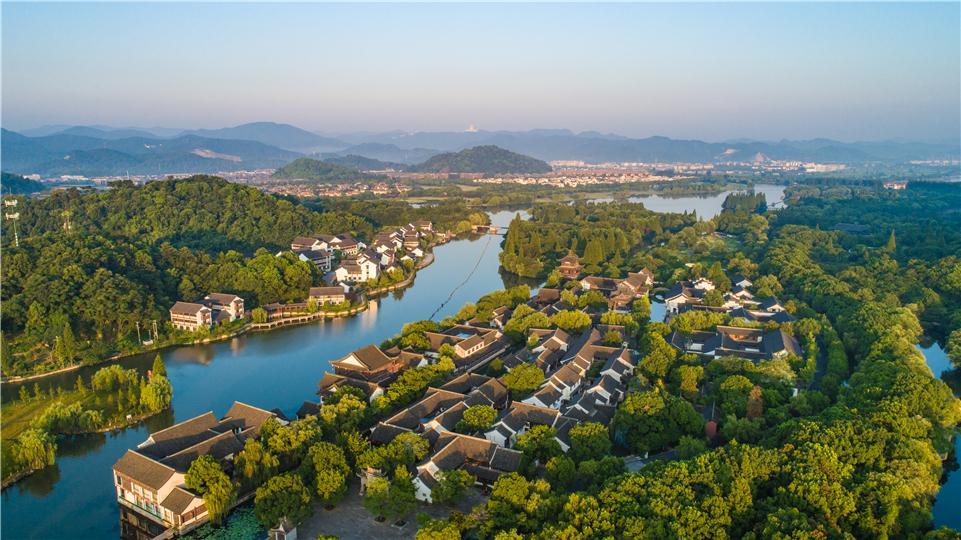
Shaoxing, hometown of writer Lu Xun, preserves his residence and Sanwei Study. Explore canals, taste Huangjiu (rice wine), and visit Keyan Scenic Area.

Ideal Pace

1–2 days

Seasonal Window

Apr.–May & autumn

Overview

Shaoxing, Lu Xun’s hometown, preserves his former residence, Sanwei Study, and Baicao Garden. A hub of Huangjiu (rice wine).

Brief Guide

Shaoxing is the hometown of Lu Xun, and his former residence, the Sanwei Study, and Baicao Garden from his time are all preserved here. In Lu Xun Town, you can see performances by characters such as Sister Xianglin and Ah Q to delve deeper into Lu Xun's stories. Shaoxing is also the hometown of Chinese Huangjiu. The local Yellow Wine Museum of China reveals the wine's ancient historical and cultural essence. If interested, you can enjoy "a bowl of hot fragrant yellow wine and a delightful dish of fennel broad beans."
Getting There & Around

Shaoxing North Railway Station links high-speed rail; buses cover city. Hangzhou Xiaoshan Airport accessible.

How to Get There

Shaoxing has a well-connected transportation network.

The main hubs for intercity travel are Shaoxing North Railway Station and Hangzhou Xiaoshan International Airport.

Shaoxing North Railway Station, located in Yuecheng District, is a key stop on the Hangzhou-Ningbo High-Speed Railway Line. It offers frequent high-speed train services to major cities such as Beijing, Shanghai, and Hangzhou.

To reach Shaoxing city center from the station, passengers can take the following bus routes:

  • Route 15
  • Route 16
  • Route 803
  • Route 815
  • Route 818
  • Route 846
  • Route 866
  • Route 867
  • BRT Night Line 1
  • BRT Line 3
  • BRT Line 5

Local Transportation

  • Shaoxing's city bus system is a primary mode of transportation, with over 60 bus lines in the downtown area and 80 in the surrounding area, ensuring comprehensive network coverage. Buses are categorized into self-service and distance-based, both starting at the same price, making travel within the city affordable and convenient.
  • Taxis in Shaoxing offer a unique experience, with each company featuring a distinct animal symbol for easy identification and a local touch. The fare structure includes a base fare plus charges for distance and time, ensuring transparent pricing.
  • Shaoxing Metro, also known as Shaoxing Rail Transit, operates two subway lines.
  • For a more traditional and scenic option, water transport such as the Shaoxing Huancheng River Night Tour provides a picturesque boat ride along the river, catering to both daily commuters and tourists seeking the city's charm from a different perspective.

Practical Information

Shaoxing dialect spoken; Mandarin widely used. Alipay/WeChat for payments. Prepaid SIM cards from China Mobile/Unicom.

Local Language

Shaoxing is home to the Shaoxing dialect, a distinct Wu dialect spoken in the city center and surrounding areas. This dialect is known for its role in Yue opera and its historical significance, forming a key part of the city's identity. Visitors may find translation services or language apps helpful, as the local dialect alongside Mandarin Chinese can pose a language barrier.

To navigate communication challenges, travelers are encouraged to use universal gestures, maps, and basic Chinese phrases. Understanding the local linguistic landscape enhances the travel experience in this historically and culturally profound city.

Local Apps

  • Alipay: is widely used for payments in almost all shops and also supports public transportation by scanning QR codes for subways and buses.
  • WeChat: is essential for communication and serves as the primary platform for messaging and transactions.
  • MetroMan: helps navigate subway systems in major cities, planning routes and calculating travel costs.
  • The 12306 App: is the official platform for booking high-speed train tickets, known for punctuality and speed.
  • Didi Chuxing: similar to Uber, is widely used for ride-hailing and can be accessed through Alipay without a Chinese phone number.

Internet and Communication

Tourists in China can purchase mobile data packages from local carriers like China Mobile and Unicom. Neither requires long-term contracts.

  • China Mobile: Offers prepaid SIM cards with unlimited text messages and calls within China, along with high-speed data, sometimes including 5G.
  • Unicom: Provides SIM cards with data packs that include unlimited music streaming.

eSIMs with unlimited data start at just $6 for China.

Public WiFi is widely available at airports, restaurants, coffee shops, and malls, but connecting often requires a Chinese phone number for text verification, which can be difficult without a local SIM card.

Global WiFi devices like Skyroam offer a convenient alternative, allowing multiple devices to connect without additional setup upon arrival.

Weather

Shaoxing, located in Zhejiang, China, has a humid subtropical climate with warm, moist conditions and four distinct seasons. The city experiences mild winters and hot, humid summers, with an average annual temperature ranging from 17.6°C to 19.3°C. Heavy rainfall is common, especially during the two rainy seasons from March to June and in September, with June being the wettest month.

  • Visitors should pack light, breathable clothing for summer and warmer layers for cooler months.
  • An umbrella or raincoat is advisable year-round due to frequent precipitation.
  • During extreme weather, such as the high temperatures in July, it is recommended to stay hydrated, wear sun protection, and avoid outdoor activities during peak sun hours.

Currency and Payment

In Shaoxing, keep payment planning practical and conservative. Use the options explicitly supported by your apps or merchant, and confirm details before relying on a single method.

  • Mobile Payments: Alipay and WeChat Pay are mentioned in the source; set up supported apps before relying on QR-code payments.
  • PayPal: Do not rely on PayPal for everyday local payments; use it only when a specific online merchant explicitly supports it.
  • Fees and Limits: Check transaction limits, service charges, and possible conversion or handling fees before larger payments.

Top Experiences

Visit Lu Xun’s Hometown Scenic Spot, hike Mount Kuaiji for panoramic views, and explore Shen Garden’s love story.

Must-Try Local Experiences

  1. Visit Lu Xun's Hometown Scenic Spot: Explore the memorial hall and former residence of Lu Xun to learn about his life and influence on Chinese literature.
  2. Hike Mount Kuaiji: Enjoy panoramic views of Shaoxing's landscapes, ancient temples, and lush greenery, and discover hidden waterfalls along the way.
  3. Explore the Ancient Town: Wander through traditional architecture and stone bridges, and take a boat ride on the canals.
  4. Discover the Orchid Pavilion: Visit this historically significant site known for Wang Xizhi's famous 'Lanting Xu' and its beautiful scenery.
  5. Explore East Lake: Relax with a boat ride surrounded by lush greenery and unique rock formations, perfect for enjoying Shaoxing's natural beauty.
  6. Experience Shaoxing Opera: Immerse yourself in the rich heritage of Shaoxing Opera with a performance at the Shaoxing Grand Theatre or a local teahouse.
  7. Discover Winemaking: Visit a traditional winery to learn about Shaoxing's renowned yellow wine, from fermentation to aging, and sample different varieties.
  8. Uncover Chinese Calligraphy: Learn about Shaoxing's calligraphy history at the Shaoxing Museum or a workshop, and try creating your own masterpiece.
  9. Savor Shaoxing Cuisine: Indulge in dishes like drunken crab, steamed fish with fermented tofu, and signature Shaoxing chicken.
  10. Capture the Shen Garden: Photograph classical Chinese architecture, pavilions, bridges, and ponds, capturing the essence of traditional garden design.
  11. Take a Canal Boat Ride: Experience Shaoxing's charm from the water with a boat ride on its ancient canals, offering a unique perspective of the city.

Food Highlights

Shaoxing Chicken, Pork and Shrimp Soup, Duck in Soybean Paste, Stinky Tofu, Xishi Tofu.

Shaoxing is renowned for its diverse and delicious cuisine. Signature dishes include traditional Shaoxing chicken, pork and shrimp soup, unique duck in soybean paste, flavorful stinky tofu, and creamy Xishi tofu. Each dish reflects the distinct local flavors of Shaoxing, offering an unforgettable culinary experience.

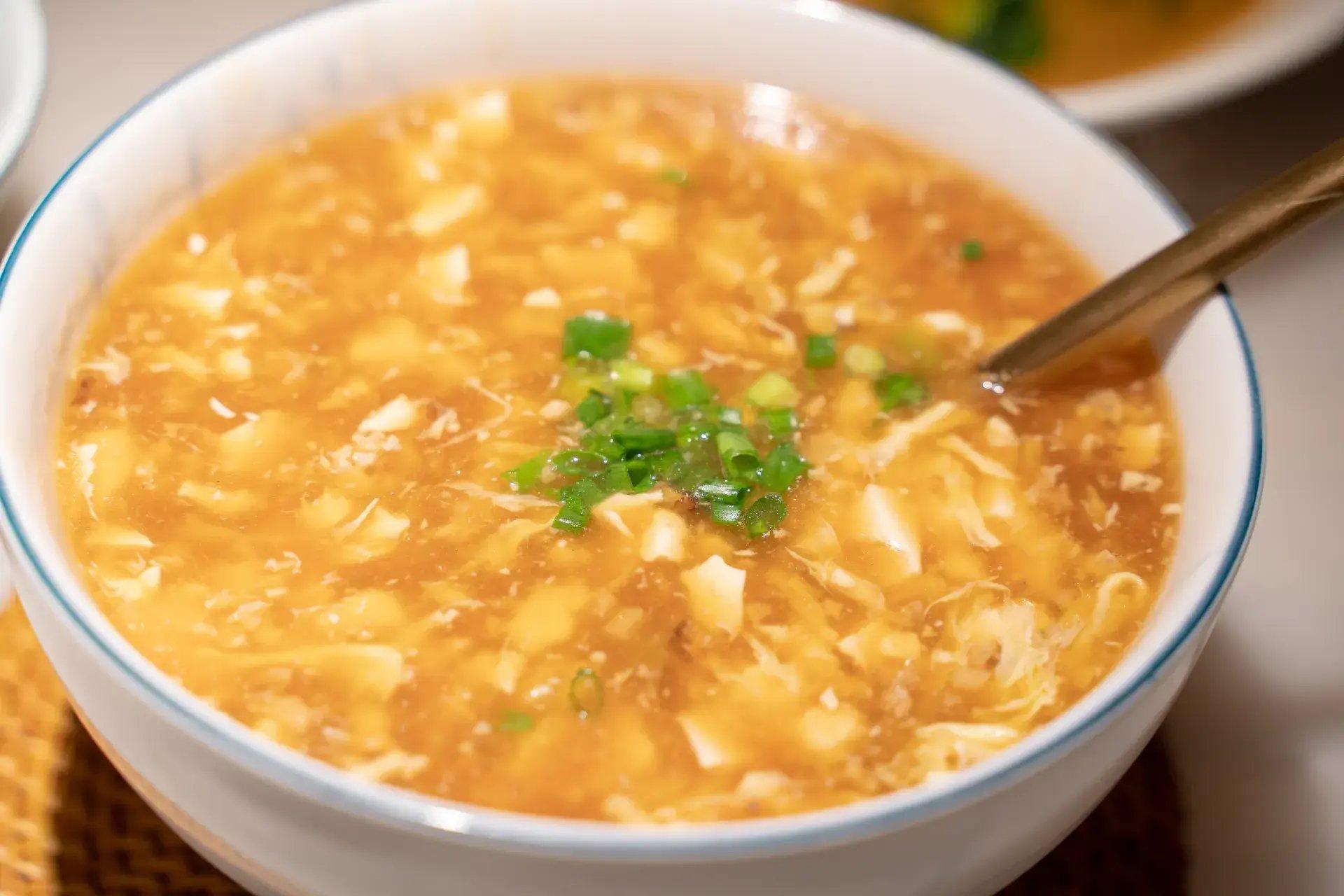
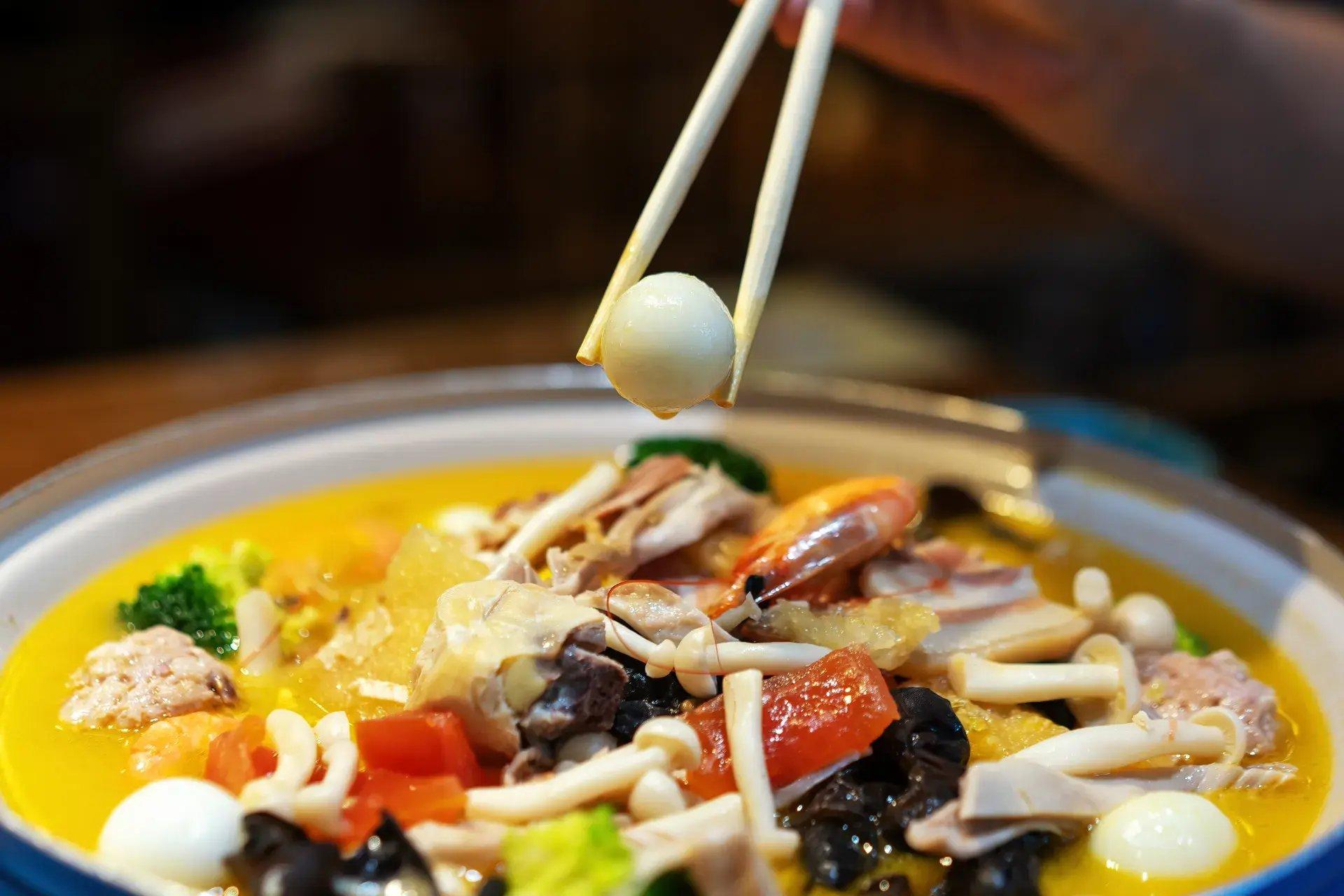
Shaoxing Chicken, Pork and Shrimp Soup

Shaoxing Chicken, Pork and Shrimp Soup

When visiting Shaoxing, be sure to try the local specialty: Shaoxing chicken, pork, and shrimp soup. This dish typically features a combination of pork skin, fish balls, and meatballs, complemented by chicken, river shrimp, sliced cooked pork liver, and Chinese cabbage. Note that ingredients may vary slightly between restaurants.

Renowned for its assortment of premium ingredients, the soup is visually appealing with bright colors, offers a rich and long-lasting flavor, and is fragrant and savory.

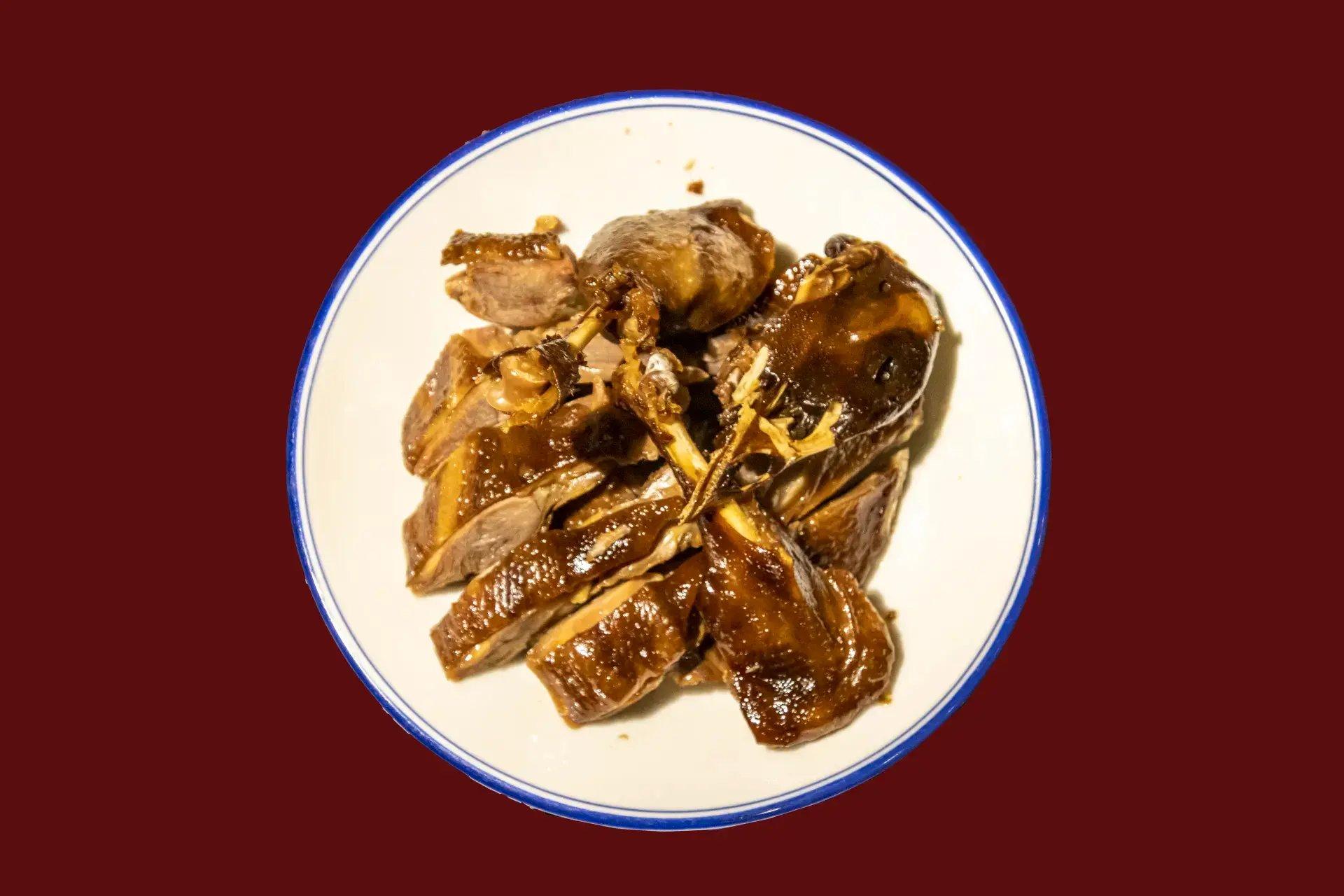
Duck in Soybean Paste

Duck in Soybean Paste

When in Shaoxing, tasting the local Duck in Soybean Paste is a culinary delight not to be missed. This dish features either mule duck or dumbo duck, celebrated in the region as the “pearl among poultry.”

  • Marinate ducks in richly brewed soy sauce for four days, turning frequently for an even soak.
  • Hang ducks to dry outside for several days.

The result is a mouthwatering Duck in Soybean Paste characterized by its indulgently rich aroma, crispy skin, and flavor-rich bones. The succulent flesh unveils a deep, savory saltiness with each bite, leaving a memorable aftertaste.

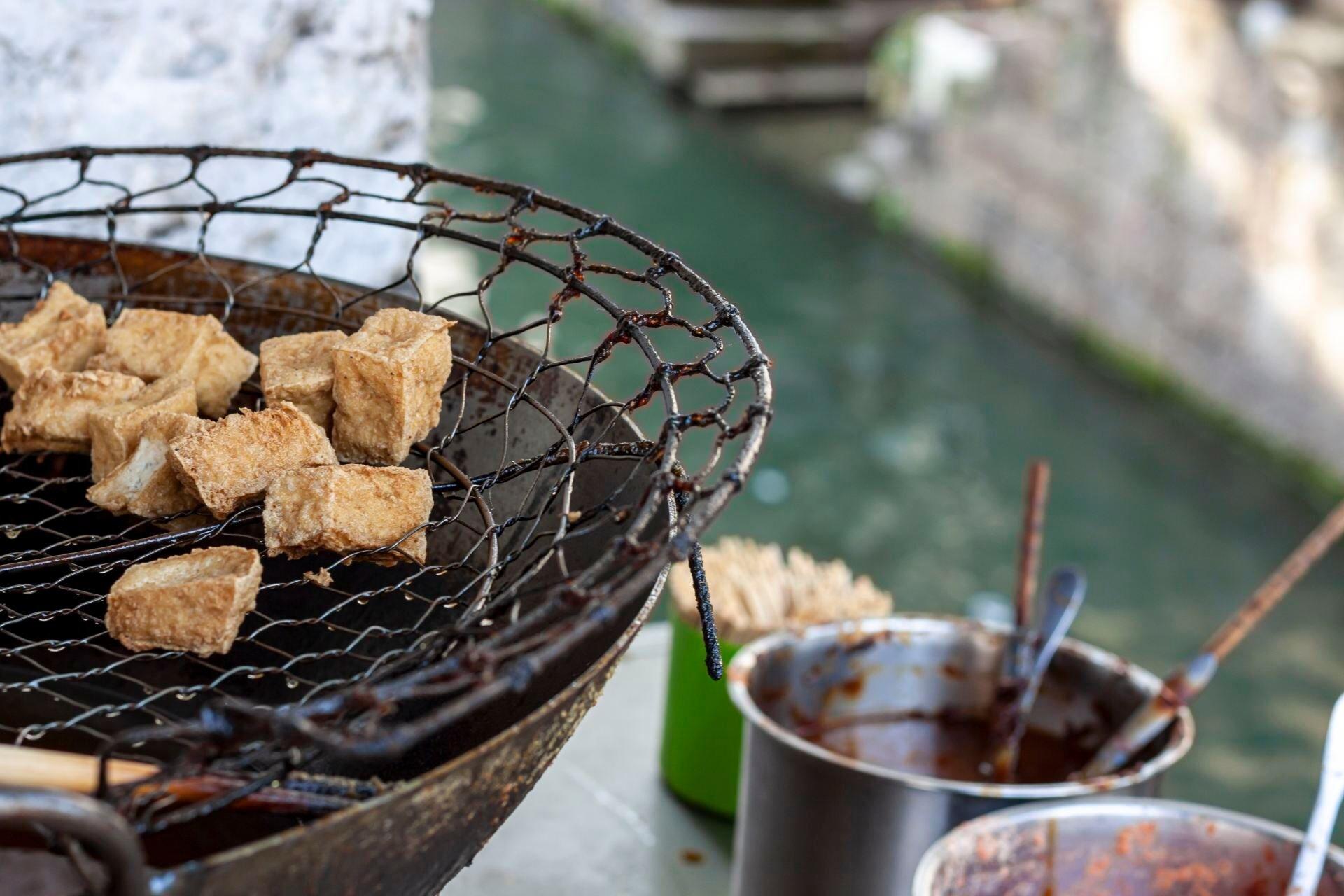
Stinky Tofu

Stinky Tofu

Stinky tofu is a famous local specialty in Shaoxing that many food lovers crave. The key ingredient in authentic Shaoxing stinky tofu is the juice from moldy amaranth stems, which gives it its distinctive smell.

  • Deep-frying: The most popular method; results in a bright yellow color, crispy exterior, and soft interior with a rich aroma.

It is often served with spicy or sweet bean sauce, enhancing its crisp yet sweet flavor.

Xishi Tofu

Xishi Tofu

Legend has it that Emperor Qianlong and his confidant, Liu Yong, discovered the dish "Xishi Tofu" at a rural home in Zhuji, Shaoxing, while touring the Jiangnan region. The emperor praised its taste, leading to its fame.

Xishi Tofu is a delightful broth-based dish that requires exceptionally high-quality tofu, which must be pure white and tenderly smooth. The accompanying ingredients must be premium and fresh to achieve the dish's silky texture and rich, vibrant broth.

Best Time to Visit

Spring (Apr.–May) for festivals and greenery; autumn for pleasant weather.

The best time to visit Shaoxing is during the comfortable weather of April and May, as well as the pleasant autumn season. April brings the city to life with greenery and is also the time for local festivals like the Orchid Pavilion International Calligraphy Festival and the Peachblossom Festival in Hou Mountain.

Attraction Highlights

Lu Xun’s Hometown Scenic Spot, Shaoxing Keyan Scenic Area, Shen Garden, Orchid Pavilion (Lanting), Anchang Ancient Town.

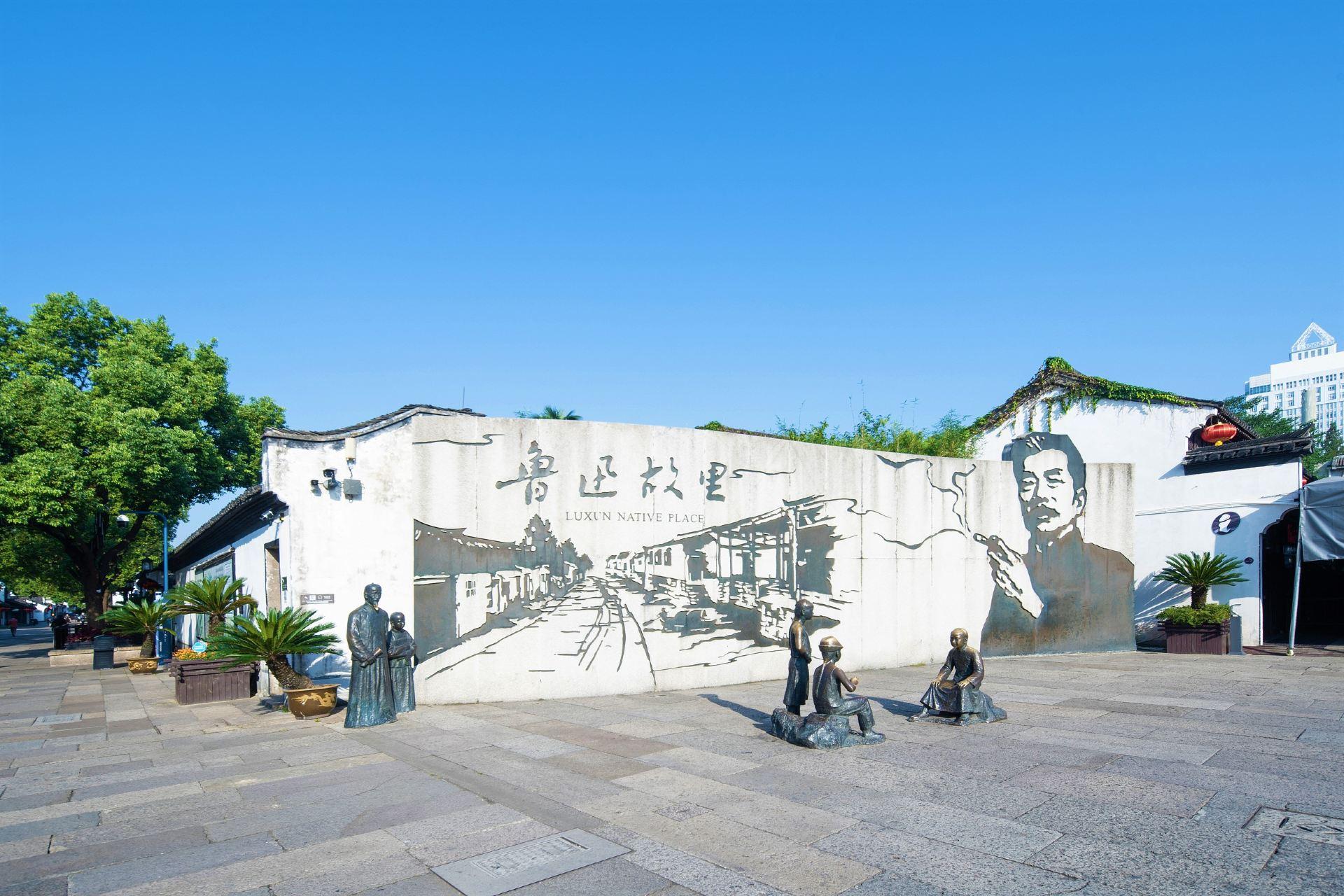
Lu Xun's Hometown Scenic Spot

Lu Xun's Hometown Scenic Spot

鲁迅故里景区

Lu Xun’s Hometown Scenic Spot preserves the historic Shaoxing street where the writer spent his childhood. Explore his former residence, Baicao Garden, and Sanwei College, where his desk remains. Visit Xianheng Hotel to see Kong Yiji’s bronze statue and enjoy fennel beans with yellow wine.

3-4 hours
Free
Shaoxing Keyan Scenic Area

Shaoxing Keyan Scenic Area

绍兴柯岩风景区

Shaoxing Keyan Scenic Area combines ancient quarry wonders, the serene Jianhu Lake, and Lu Town inspired by Lu Xun’s writings. Highlights include the Sui Dynasty Heavenly Buddha and the precariously balanced Qiyun Stone Bone. Visitors can enjoy black-sailed boat rides and experience local rice wine culture.

4-5 hours
90 CNY
Shen's Garden

Shen's Garden

沈园

Shen's Garden is a classical garden in Shaoxing, famed for its connection to Song Dynasty poet Lu You and his tragic love for Tang Wan, expressed in his poem 'The Hairpin of the Golden Phoenix.' By day, admire elegant historic buildings; by night, enjoy performances at the Shaoxing Pavilion.

2 hours
40 CNY
The Orchid Pavilion

The Orchid Pavilion

兰亭景区

Nestled at the foot of Lancang Mountain, the Orchid Pavilion is famed for the gathering of Wang Xizhi and other literati, who created the celebrated 'Lanting Preface.' The elegant grounds feature the Goose Pond Monument, Lanting Monument, Qushui Liuyu, and Yubei Pavilion, along with calligraphy and porcelain art museums.

2-3 hours
70 CNY
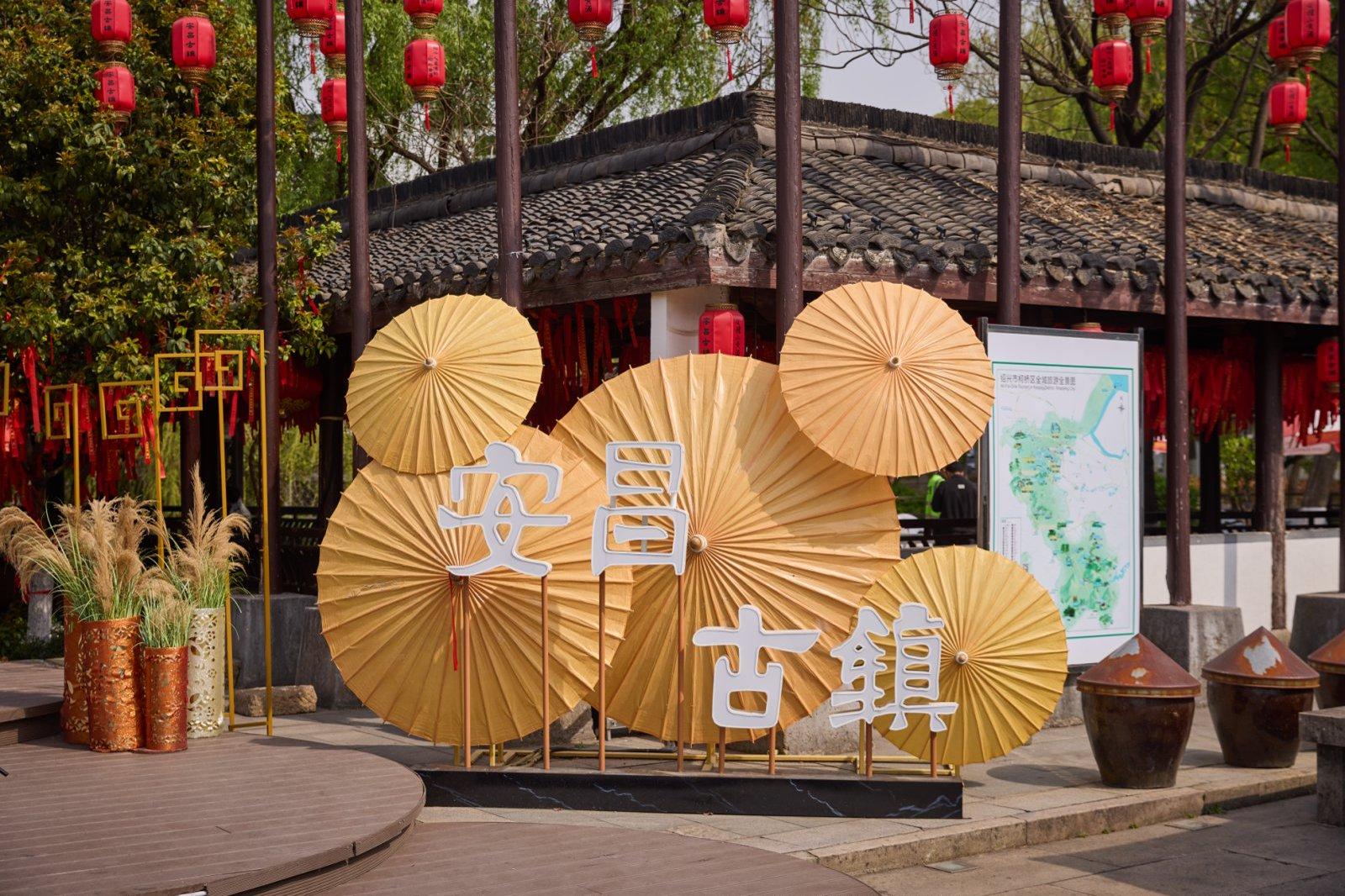
Anchang Ancient Town

Anchang Ancient Town

安昌古镇

Anchang Ancient Town in Keqiao District, Shaoxing, is a living thousand-year-old water town famed for its Ming and Qing architecture, seventeen stone bridges, and vibrant local life. Once a prosperous commercial port and hometown of legal advisors, its 1.2-square-kilometer core preserves rich cultural heritage and traditional riverside charm.

4 hours
Free

FAQ

What's the most popular attractions in Shaoxing?
The most popular attractions in Shaoxing include Shaoxing Keyan Scenic Area, Lu Xun Native Place, and East Lake.
Any recommended attractions about nature scenery in Shaoxing?
I recommend Jian Lake, the Nautical Flower Fields of Hangzhou Bay, Baizhang Feipu Drifting, Fuzhi Mountain Scenic Area, and Mount Huiji Scenic Area.
What is the best season to visit Shaoxing?
Shaoxing has four distinct seasons with a mild and humid climate, making it suitable for travel year-round. However, July is the hottest month and January the coldest, so it's best to avoid these two months. The natural scenery at Wuxie is most beautiful from April to March (likely April to May) when water flow is abundant, especially after heavy rain when the water volume surges and the scenery becomes particularly stunning. This period offers the best touring experience. Major festivals like the Lanting International Calligraphy Festival and the Lushan Peach Blossom Festival also take place during this time, making it the ideal season to visit Shaoxing.
What is a good souvenir from Shaoxing?
Sweet-scented osmanthus cake, Shaoxing rice wine, dried plum, and fermented bean curd are common souvenirs found at scenic spots, but prices are high. It is recommended to buy them at large supermarkets in the city instead.
What is the most beautiful place in Shaoxing?
Lu Xun's hometown, Keyan, and Bazi Bridge are among the most beautiful places in Shaoxing.
What's the best food in Shaoxing?
Three-flavored tofu, plum dried vegetables, and fennel beans are some of the best foods to try in Shaoxing.
Last updated 10/8/2026 · published