Shantou

China · Guangdong

Shantou

Coastal city with Chaoshan culture, seafood, and Nan'ao Island

Best for

Seaside scenerySeafood diningChaoshan heritageIsland beaches

Recommended stay

2-3 days

Best season

Oct–Nov

Location

China, Guangdong

Snapshot

City Snapshot

A city at a glance

6 dimensions · 1–5 scale

PandaLoco's read of six travel-relevant dimensions on a 1–5 scale, built from public datasets and our travel criteria.

It describes the city's profile. It is not a ranking of better or worse cities.

Basis: Public datasets and PandaLoco travel criteria

Overview

Shantou is a coastal city in eastern Guangdong with Chaoshan culture, fresh seafood, historic overseas Chinese influences, Queshi Scenic Area, and Nan'ao Island beaches.

Ideal Pace

2-3 days

Seasonal Window

Oct–Nov

Overview

Shantou blends Chaoshan culture, seafood, and historic overseas Chinese architecture with Queshi Scenic Area and Nan'ao Island's beaches.

Brief Guide

Shantou, a vibrant coastal city in eastern Guangdong Province, blends Chaoshan culture, fresh seafood, and historic overseas Chinese influences with relaxed beaches and bustling old quarters. Explore the colorful Queshi Scenic Area, savor world-famous Chaoshan beef hotpot and kungfu tea, or stroll Nan'ao Island for sea views and windmills. This guide will help you plan your perfect visit.
Getting There & Around

Served by Jieyang Chaoshan International Airport and high-speed rail at Chaoshan Station. Public buses cover city and Nan'ao; taxis are metered.

How to Get There

Shantou is served by Jieyang Chaoshan International Airport (SWA), which is shared with nearby Jieyang and Chaozhou, and offers good high-speed rail connections via Chaoshan Station (the primary HSR hub) or central Shantou Station. Most visitors arrive by air or train from Guangzhou or Shenzhen; direct international flights are limited.

  • By Air: Jieyang Chaoshan International Airport (SWA) is about 30–40 km north of downtown Shantou (a 40–60 minute drive). It offers both domestic and international flights. Airport to Shantou options include airport shuttle buses (multiple lines, ¥20–25, 45–70 minutes to central terminals like Shantou Bus Station) or taxi/ride-hailing (¥100–150, 40–60 minutes)
  • By High-Speed Train: The main high-speed rail station is Chaoshan Railway Station, located 31 km northwest of downtown. Shantou Railway Station serves some routes

Local Transportation

  • Public buses: Over 100 routes cover downtown, Queshi, and Nan'ao Island bridges; flat fare ¥1–2 (exact cash or Alipay/WeChat). Affordable and extensive; use Amaps for routes (limited English)
  • Taxis: Metered and plentiful; reliable, but drivers rarely speak English—show addresses in Chinese. Ride-hailing (Didi): Download the Didi app (English interface); cheaper than taxis, cashless, upfront pricing. Essential for airport, Nan'ao Island, or late-night travel
  • Ferries/boats: Short island hops to Nan'ao (from ports like Laiwu), frequent in season—great for beach access
  • Shared bikes/e-scooters: HelloBike or Meituan apps (¥1–3/30 min); convenient along promenades

Practical Information

Teochew is dominant; Mandarin official. Use Alipay, WeChat, Didi. eSIMs recommended for data. Cash and digital payments accepted.

Local Language

Mandarin Chinese (using Simplified characters) is the official language in Shantou, but Teochew (also called Chaoshan or Chaozhou dialect, a Southern Min variety) is the dominant local language spoken in daily life among residents.

English navigation is limited.

  • Available at: Bilingual signage and basic English from staff at major attractions like Nan'ao Island and Queshi Scenic Area.
  • Minimal elsewhere: Expect minimal English in taxis, markets, and smaller shops.

Local Apps

  • Alipay: QR payments, ride-hailing, and attraction tickets; easiest for foreigners with an international card linking
  • WeChat: Messaging, WeChat Pay, and mini-programs for bookings; useful for contacting locals or guides
  • Didi Chuxing: Ride-hailing like Uber; English interface for taxis to Nan'ao or Queshi. Amap (Gaode Maps): Best navigation with English; real-time bus routes and offline maps

Internet and Communication

Shantou has reliable 4G/5G coverage in urban and coastal areas like Queshi or Nan'ao. Free Wi-Fi is available at hotels, malls, and some attractions, but often requires passport registration and can be slow or insecure.

  • eSIM: eSIMs from providers like Airalo, Nomad, Holafly, or Saily are recommended; activate via QR code on compatible phones.
  • Physical SIM: Physical SIM cards (¥100–300 for 10–30GB) are available from China Mobile or China Unicom at Chaoshan Airport.
  • Pocket Wi-Fi: Pocket Wi-Fi rentals (¥150–250 per day) are suitable for groups.

Currency and Payment

The local currency is the Renminbi (RMB or CNY). Digital payments dominate, with over 95% of transactions.

  • Cash: Accepted in most places and handy for small purchases or emergencies. Carry small bills daily, as change for large notes can be hard to come by.
  • Credit/Debit Cards: Visa and Mastercard are accepted at hotels, larger restaurants, and attractions, with contactless payments common. UnionPay and JCB are also popular locally.
  • Fees: Foreign transaction fees of 2–3% may apply for credit cards; consider using no-fee cards like Wise. For digital payments linked to international cards, a ~3% fee applies.
  • Digital Payments: Alipay and WeChat Pay are widely used via QR code scans. You can link international cards directly (with a ~3% fee). They cover buses, shops, and food stalls; Alipay is the most tourist-friendly option.

Top Experiences

Visit Nan'ao Island for beaches, nature, and seafood.

Must-Try Local Experiences

  1. Escape to Nan'ao Island for Beaches and Nature: Cross the impressive Nan'ao Bridge to this island paradise, home to pristine Qing'ao Bay beaches, windmills, lighthouses, and hiking trails. Enjoy fresh seafood from local fishing villages, relax on golden sands, or explore Nan'ao Island Song Well and the former General Headquarters for a touch of history.
  2. Admire Rock Formations and Temples at Queshi Scenic Spot: Discover dramatic granite boulders, ancient caves, and coastal vistas at Queshi Scenic Spot, home to temples and panoramic sea views. Climb Tashan for a pagoda overlook, or wander paths that blend natural wonders with cultural sites.
  3. Wander Shantou's Historic Old Town and Arcade Buildings: Stroll the preserved qilou (arcade) streets in Xiaogongyuan (Small Park) and the surrounding areas, filled with early-20th-century architecture from the treaty-port era. Spot landmarks like the old post office and soak in the lively atmosphere.
  4. Tour the Grand Chen Cihong Former Residence: Step inside this lavish late-Qing mansion, known as the "Lingnan No.1 Overseas Chinese House," with intricate Teochew carvings, gardens, and a fusion of architectural styles reflecting merchant wealth.
  5. Stroll the Scenic People's Square Seaside Promenade: Walk the long coastal corridor lined with greenery, sculptures, and sea breezes, offering relaxing views of the harbor and city skyline—ideal for sunset photos.
  6. Master the Chaoshan Gongfu Tea Ceremony: Join a traditional tea session to learn the precise brewing ritual with small pots and phoenix oolong, appreciating the mindfulness and delicate flavors central to daily life in the region.
  7. Catch a Vibrant Teochew Opera Performance: Experience Chaoshan’s UNESCO-listed opera with elaborate costumes, expressive singing, and acrobatics—check venues like Huiru Theatre for regular shows telling ancient tales.
  8. Explore Zhongshan Park and Shantou Museum: Relax in lush Zhongshan Park, one of China's famous early-20th-century gardens, then visit the nearby museum for insights into the history of overseas Chinese and Chaoshan artifacts.
  9. Savor Iconic Chaoshan Cuisine: Dive into fresh seafood specialties like beef hotpot, oyster omelettes, braised goose, and kueh rice cakes at street stalls or classic spots. Pair with gongfu tea for the full, authentic flavor.
  10. Shop for Bargains in Bustling Markets: Hunt deals on snacks, clothes, and souvenirs in lively areas like the Small Park night markets or commodity centers—great for tasting street eats while browsing.

Food Highlights

Specialties include braised goose, rice noodle rolls, tofu pudding, and Dahao fish balls, reflecting Shantou's unique culinary traditions.

Shantou's cuisine is renowned for its unique regional character and diverse flavors. It features a variety of exquisite dishes such as braised goose, Teochew-style rice noodle rolls, traditional tofu pudding, and the time-honored Dahao fish balls. Each dish reflects the local culture and traditions, offering an unparalleled culinary experience.

Chaoshan Braised Goose

Chaoshan Braised Goose

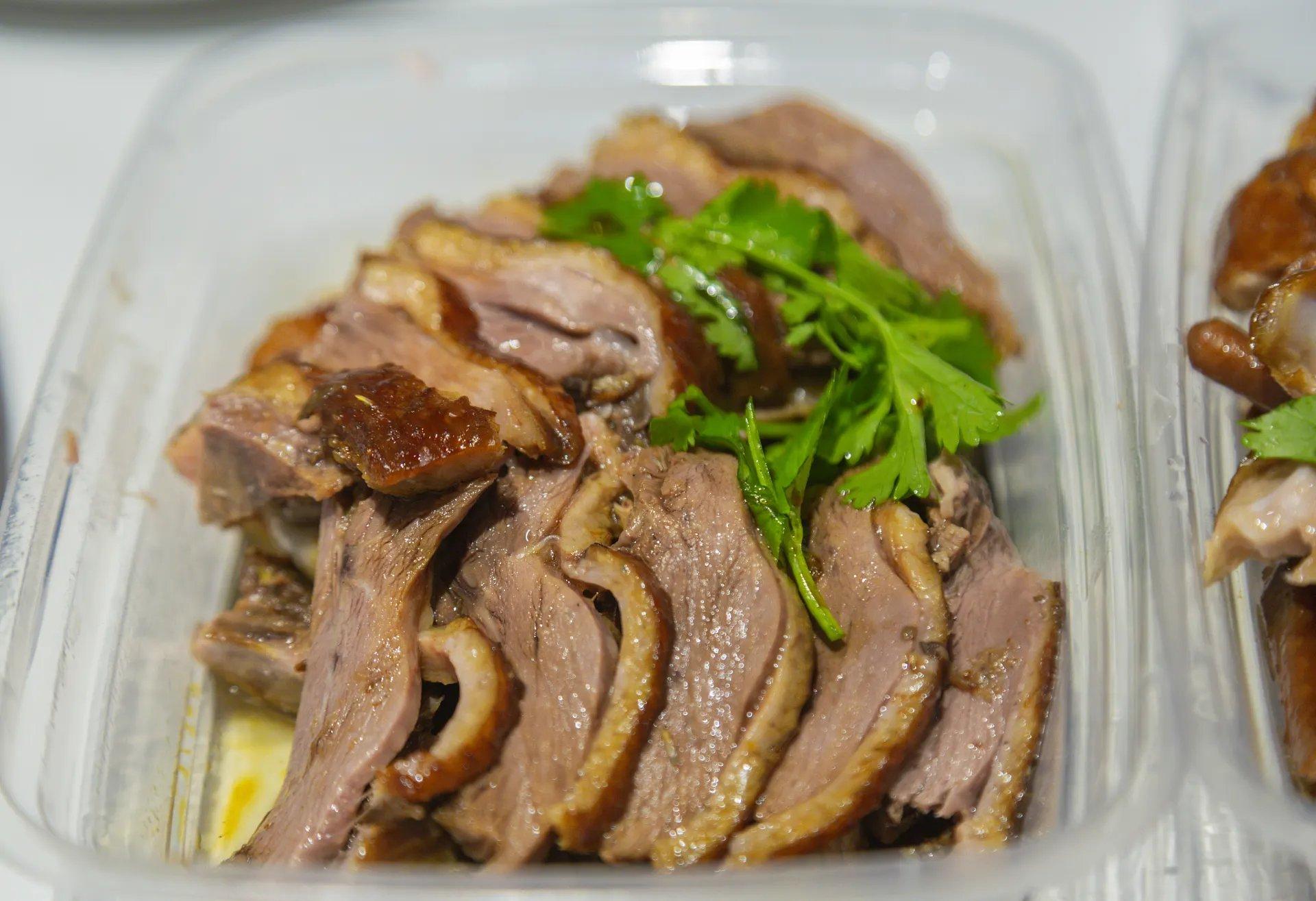
Shantou's braised goose is irresistibly delicious. From the tender liver to the perfectly balanced fatty meat, the firm and aromatic neck, the robust chewy gizzard, and the succulent fresh eggs, every part absorbs a rich blend of over ten spices. The result is a flavorful, aromatic taste that lingers, bringing a burst of happiness with each bite.

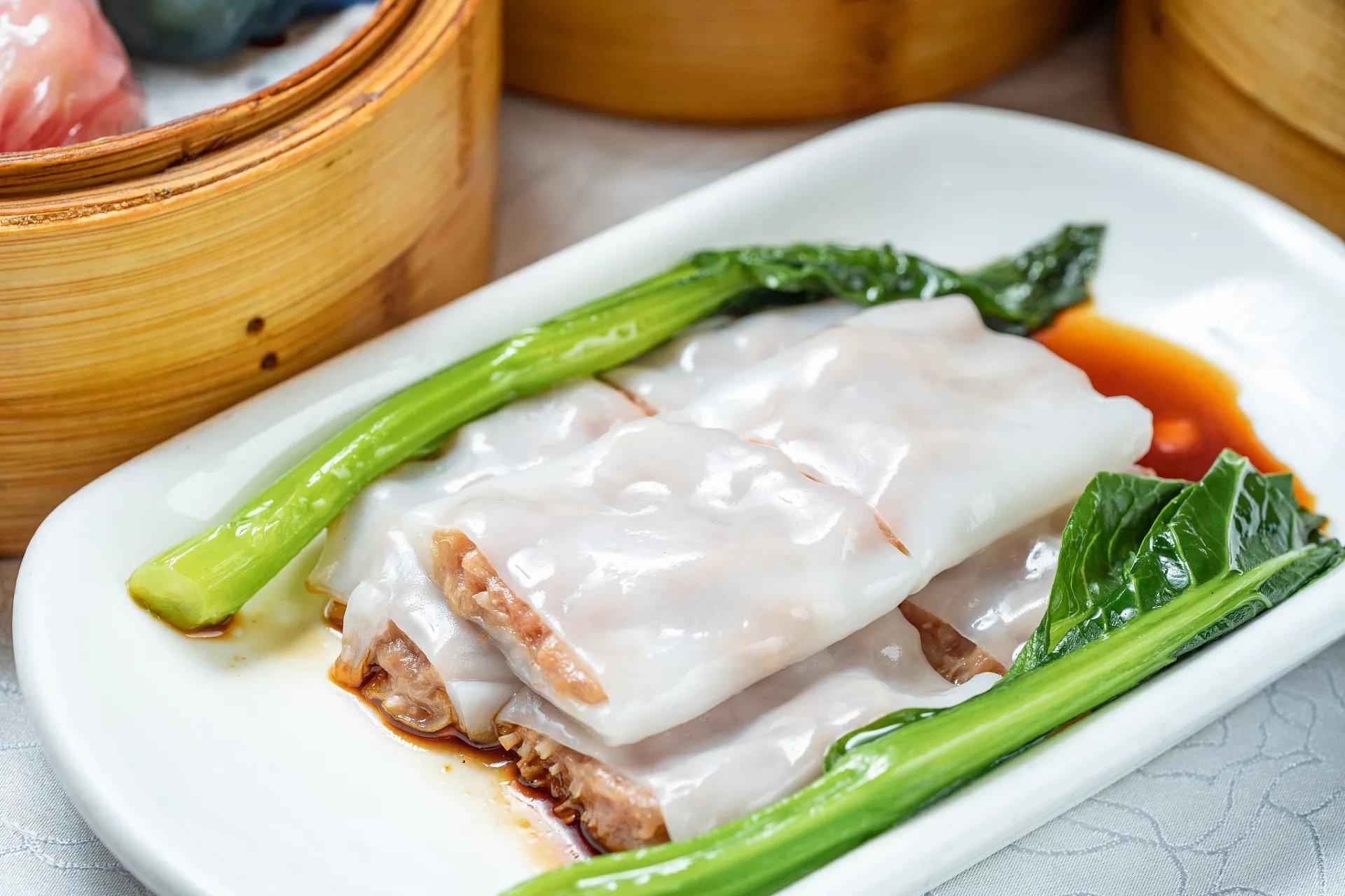
Rice Noodle Rolls

Rice Noodle Rolls

Rice noodle rolls are celebrated for their delicate, silky, and slightly chewy texture.

  • Popular fillings include pork, beef, and fresh shrimp.
  • A wide selection of sides is available for customization.

The favored condiment is a special marinade, often topped with thick peanut and sesame sauces that add a rich and savory taste.

These velvety rice noodle rolls hold a special place in the hearts of Shantou locals, evoking cherished memories.

Tofu Pudding

Tofu Pudding

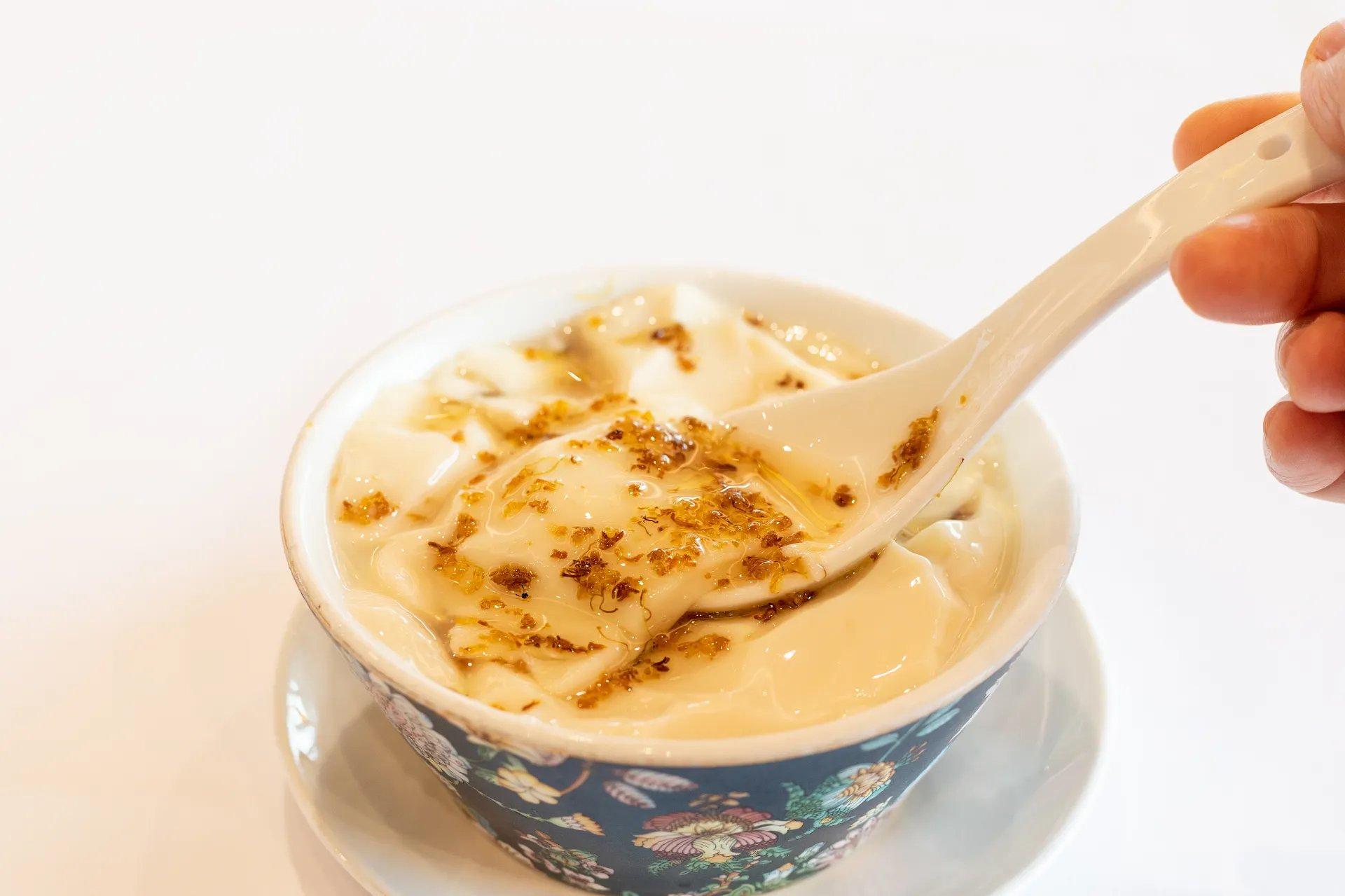
When in Shantou, tasting tofu pudding is a must for food lovers. This local specialty has a creamy texture, enhanced by warm brown sugar that seeps into the dense pudding, infusing it with an intense bean aroma and perfectly balanced sweetness. In short, it's glutinous, velvety, and sweet.

Dahao's Fish Balls

Dahao's Fish Balls

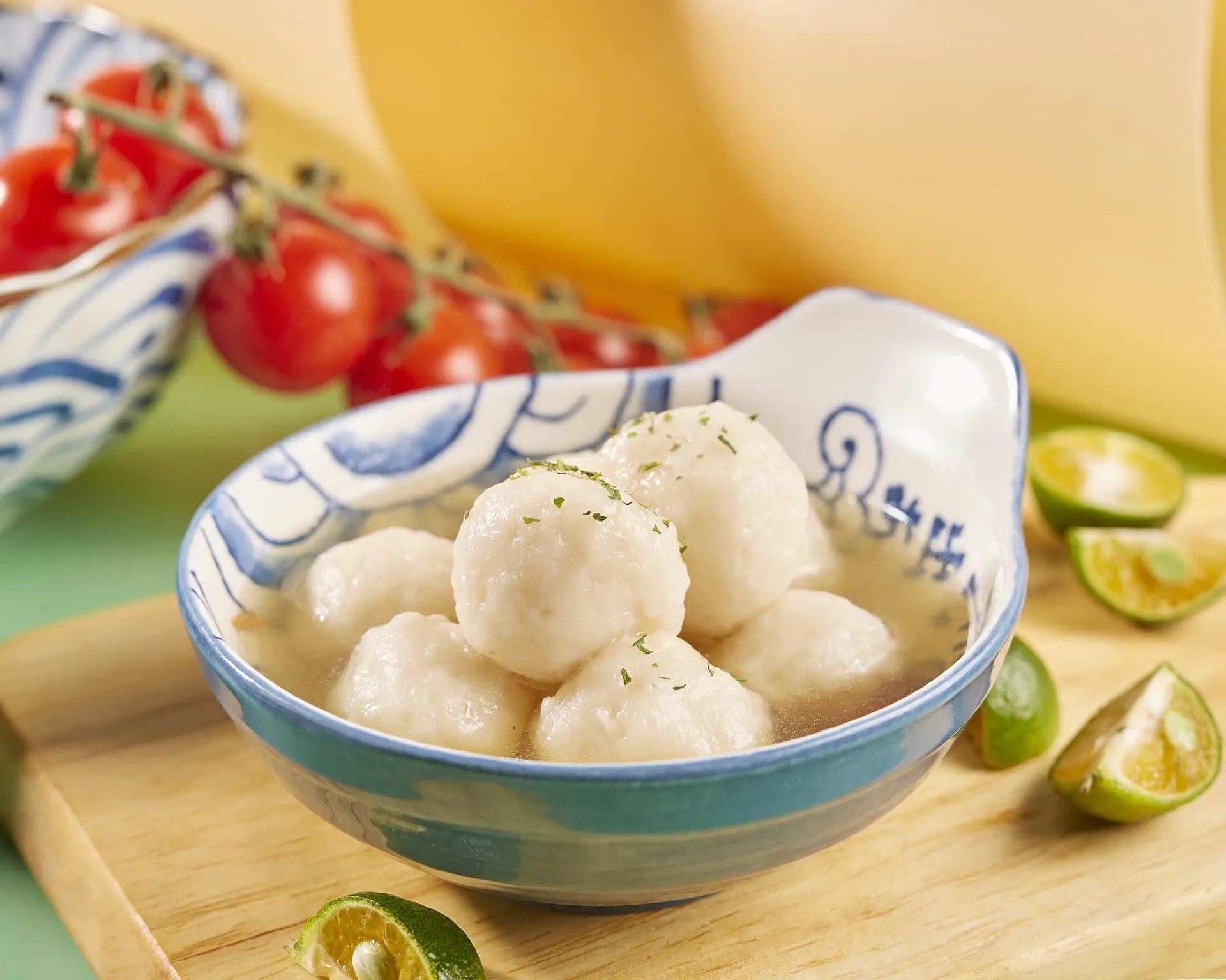
Dahao's fish balls are a celebrated specialty of Shantou, with a history spanning hundreds of years. They are made following a strict, traditional process that blends the finest fish from different seasons. The fish balls are known for their snowy white color, round shape, springy texture, and fresh, crisp flavor.

Best Time to Visit

Best from mid-October to late November for mild weather; avoid hot, humid summers.

The best time to visit Shantou is from mid-October to late November when the weather is mild and pleasant, perfect for exploring and participating in outdoor activities. Avoiding the hot and humid summer months, especially July and August, is highly recommended.

Attraction Highlights

Attractions include Queshi Scenic Area with sea and mountain views, and City of Glory showcasing overseas Chinese architecture.

Queshi Scenic Spot

Queshi Scenic Spot

礐石风景区

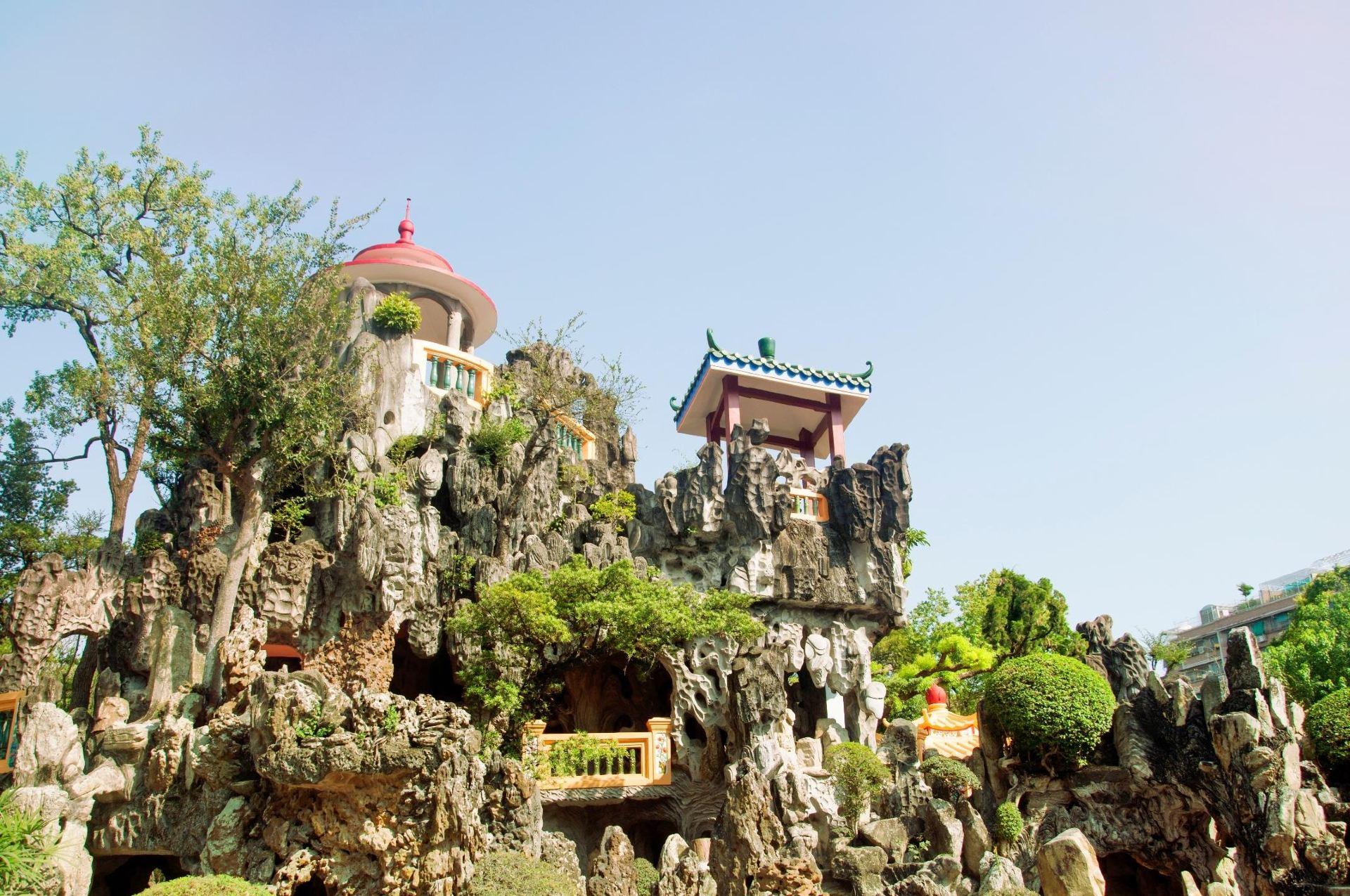
Queshi Scenic Spot lies along the Rongjiang River, blending dramatic rock formations with coastal views. It encompasses several areas, with Tashan featuring granite caves and ancient cliff carvings, while Yanfeng offers expansive natural scenery. Visitors can explore stone corridors, pavilions, and lakes amid Shantou’s distinctive landscape.

3-4 hours
Free
City of Glory (formerly known as Shantou European and American Cultural Town)

City of Glory (formerly known as Shantou European and American Cultural Town)

汕头狮子城(原汕头欧美文化小镇)

City of Glory, formerly Shantou European and American Cultural Town, spans 35,000 square meters with European-style gardens, Baroque pavilions, and an outdoor film base. Its 5,000-square-meter plaza hosts exhibitions and food festivals, complemented by Dingche Park, Ice and Snow World, and a film and television base.

0.5-1 day

FAQ

What's the most popular attractions in Shantou?
The best places to visit in Shantou include Nan'ao Island, Fantasy World Blue Mercury, and Shantou Zhonghai Resort.
Any recommended attractions about nature scenery in Shantou?
I recommend Lotus Peak, Natural Gate, Treasure Island, Zongbingfu, and the Tashan Scenic Area.
How to get to Macau from Shantou?
Take a bus from Shantou to Gongbei Port in Zhuhai, then cross into Macau.
How to get to Huangyao from Shantou?
Take a high-speed train from Shantou to Guangzhou, then transfer to another high-speed train to Hezhou. From Hezhou, take a taxi to Huangyao.
How to get from Shantou Railway Station to Nanao Island?
First, take a bus to Chenghai Bus Station. Then, transfer to another bus to Nanao Island.
What's the best food in Shantou?
There are many delicious options, such as taro beef balls, Puning tofu, Hongyang juice, and beef fried noodles.
Last updated 10/9/2026 · published