Nanjing

China · Jiangsu

Nanjing

Ming Dynasty walls, Qinhuai River heritage

Best for

Historical CapitalMing ArchitectureQinhuai CultureUNESCO Sites

Recommended stay

3–4 days

Best season

Mar.–May & Sep.–Nov.

Location

China, Jiangsu

Snapshot

City Snapshot

A city at a glance

6 dimensions · 1–5 scale

PandaLoco's read of six travel-relevant dimensions on a 1–5 scale, built from public datasets and our travel criteria.

It describes the city's profile. It is not a ranking of better or worse cities.

Basis: Public datasets and PandaLoco travel criteria

Overview

Once Jinling, Nanjing served as a dynastic capital. Walk the Ming City Wall, explore Confucius Temple Qinhuai River belt, and visit Xiaoling Mausoleum.

Ideal Pace

3–4 days

Seasonal Window

Mar.–May & Sep.–Nov.

Overview

Ancient Jinling, a multi-dynasty capital. Walk the Ming Dynasty City Wall on Xuanwu Lake’s south bank.

Brief Guide

Nanjing, known as Jinling in ancient times, served as a capital for several dynasties and kingdoms thousands of years ago. Traces of history can be found everywhere. Climb Taicheng, a five-minute walk along the Nanjing Ming Dynasty City Wall on the south bank of Xuanwu Lake. This 600-year-old wall offers views east to the verdant Zhongshan Mountain, while the blue waters of Xuanwu Lake ripple below and the bells of ancient Jiming Temple ring in the distance. Stroll through the beautiful Yihe Mansions area, grab a coffee in the renowned 1912 district, or walk beneath the colorful canopies of hundred-year-old trees in the warm sun. History unfolds moment by moment. At night, board a pleasure boat on the Qinhuai River to enjoy the ancient beauty along the riverbanks lit by streetlamps, evoking the poem "A Mooring on the River Qin Huai."

Getting There & Around

Nanjing Lukou International Airport (NKG) 36 km southeast; metro and buses cover all major attractions.

How to Get There

Nanjing, the historic capital of Jiangsu Province, is a well-connected transportation hub accessible by air, rail, bus, or road.

  • By Air: Nanjing Lukou International Airport (NKG) is 36 km southeast of downtown, serving international and domestic routes. To reach the city center, take Metro Line S1 (35–40 minutes, ¥8-10) to Nanjing South Station, or use airport shuttles (50 minutes, ¥25) or taxis (¥100–150)
  • By Train: Nanjing South Railway Station is the main high-speed rail hub, connecting to Shanghai (1–2 hours), Beijing (3.5–5 hours), Hangzhou (1–1.5 hours), and Guangzhou (7–8 hours). Nanjing Railway Station handles slower trains. Both stations connect to the metro
  • By Bus: Nanjing Central Bus Station and Nanjing South Bus Station serve regional destinations
  • By Road: Driving is possible via expressways like G2 (to Shanghai) or G36 (to Hangzhou), but is less recommended for international visitors due to complex regulations and language barriers

Local Transportation

  • Metro: Nanjing Metro has 14 lines covering major attractions, operating from 6:00 AM to 11:00 PM. Fares range from ¥2 to ¥12. Use single-ride tickets, a Nanjing Metro card, or mobile payments (WeChat/Alipay)
  • Buses: An extensive network complements the metro, reaching suburban areas like Qixia Mountain. Fares are ¥1–4, payable by cash (exact change), Metro card, or mobile payments. Note that there is no English signage; use Gaode Maps or Amap for route planning
  • Taxis and Ride-Hailing: Taxis are plentiful, and DiDi offers an English interface
  • Bicycles: Bike-sharing services like Meituan and HelloBike are ideal for areas like Xinjiekou or along the Qinhuai River, costing about ¥1–2 per 30 minutes via mobile apps

Practical Information

Mandarin with English signage in tourist areas. WeChat/Alipay for digital payments. eSIMs for connectivity.

Local Language

Mandarin Chinese is the official language. English signage is widespread in tourist areas, but English is not widely spoken.

Local Apps

  • WeChat: China’s all-in-one app for messaging, social media, and digital payments. English interface available
  • Alipay: A leading payment app for cashless transactions at restaurants, shops, and public transport. Its “Transport” feature supports metro and taxi payments. English version available
  • DiDi: China’s top ride-hailing app, offering taxi and private car services with an English interface. Integrates with Alipay or WeChat for seamless payments
  • Gaode Maps: The most reliable navigation app in China, offering detailed maps, real-time traffic, and transit routes for metro and buses. Superior to Google Maps for local accuracy
  • Alternative: Amaps app
  • Youdao Dictionary: A Chinese-English dictionary and translation app, perfect for communicating with non-English-speaking taxi drivers or reading menus. Includes offline OCR for scanning signs

Internet and Communication

Staying connected in Nanjing is essential for navigation, payments, and communication, given China’s reliance on mobile apps and limited access to some Western services. eSIMs: eSIMs are a convenient option for travelers, enabling instant activation without the need for a physical SIM card. Purchase online before your trip; activate upon arrival. Ensure your device supports eSIM.

  • Local SIM Cards: Local SIMs from providers like China Mobile, China Telecom, or China Unicom offer reliable 4G/5G coverage in Nanjing. Available at airports or official provider shops. Present your passport at the time of purchase; airport staff can assist with setup. China Unicom often has better English support
  • Wi-Fi: available in hotels, hostels, and some cafes (e.g., Starbucks) but less common in public spaces like parks or streets. Many Wi-Fi networks require a Chinese phone number for SMS verification

Currency and Payment

The official currency is the Chinese Yuan (CNY, ¥), also known as Renminbi (RMB). Notes come in denominations of ¥1, ¥5, ¥10, ¥20, ¥50, and ¥100; coins are available in denominations of ¥0.1, ¥0.5, and ¥1.

  • Digital Payments: Nanjing is essentially a cashless city, with mobile apps dominating transactions. WeChat Pay and Alipay are widely accepted. Link a foreign bank card (Visa/Mastercard) to WeChat or Alipay before arrival
  • Cash: Cash is rarely needed but can be useful for small vendors (e.g., street food stalls), single-ride tickets on public transportation, or in rural areas. Carry small denominations (¥1–20) for convenience
  • Credit/Debit Cards: Visa and Mastercard are accepted at major hotels, upscale restaurants, and some retailers in Nanjing, but less common at smaller venues. American Express is rarely accepted. Notify your bank of travel plans to avoid card blocks
  • ATMs and Cash Withdrawals: ATMs accepting foreign cards (Visa/Mastercard) are widely available at banks, airports, and shopping areas. Most offer English interfaces. Look for PLUS (Visa) or Cirrus (Mastercard) logos. American Express is rarely accepted, except at select ATMs in airports or high-end hotels
  • Fees: ¥10–15 per withdrawal (some banks waive for partners)
  • Home bank fees: ~3% + $5 (check your issuer)
  • Currency conversion fee: 1–3% (Visa/Mastercard rate)
  • Reliable Banks: Bank of China, ICBC, China Construction Bank, HSBC China

Top Experiences

Honor Nanjing’s modern history at the Memorial Hall for Nanjing Massacre victims and explore the Presidential Palace.

Must-Try Local Experiences

Nanjing rewards a slower, layered trip: solemn modern history, Ming imperial landmarks, atmospheric old streets, seasonal scenery, riverside nights, and deeply local food all sit close together.

  • Modern History and Reflection: Start with the Memorial Hall of the Victims of the Nanjing Massacre by Japanese Invaders, then continue to the Presidential Palace for Republic-era gardens, artifacts, and political history.
  • Imperial Landmarks on Purple Mountain: Visit Dr. Sun Yat-sen's Mausoleum and Ming Xiaoling Mausoleum to connect modern China's founding story with Ming dynasty royal heritage.
  • Ming City Wall Walks: Walk sections of the Nanjing City Wall from Zhonghua Gate, Jiefang Gate, or Xuanwu Lake for rampart views and a strong sense of the old capital's scale.
  • Confucius Temple and Qinhuai River: Explore the Confucius Temple area by day, then cruise the Qinhuai River at night past stone bridges, glowing teahouses, and lantern-lit riverside scenes.
  • Laomendong and Yihe Road: Wander Laomendong's traditional lanes and Yihe Road's tree-lined Republic-era villas, where teahouses, cobblestones, and mixed Chinese-Western architecture show Nanjing's old-world charm.
  • Museums and Cultural Relics: Spend time at Nanjing Museum for Ming and Qing porcelains, calligraphy, and jade burial-suit displays, or visit Nanjing Municipal Museum for jade carvings and silk trade relics.
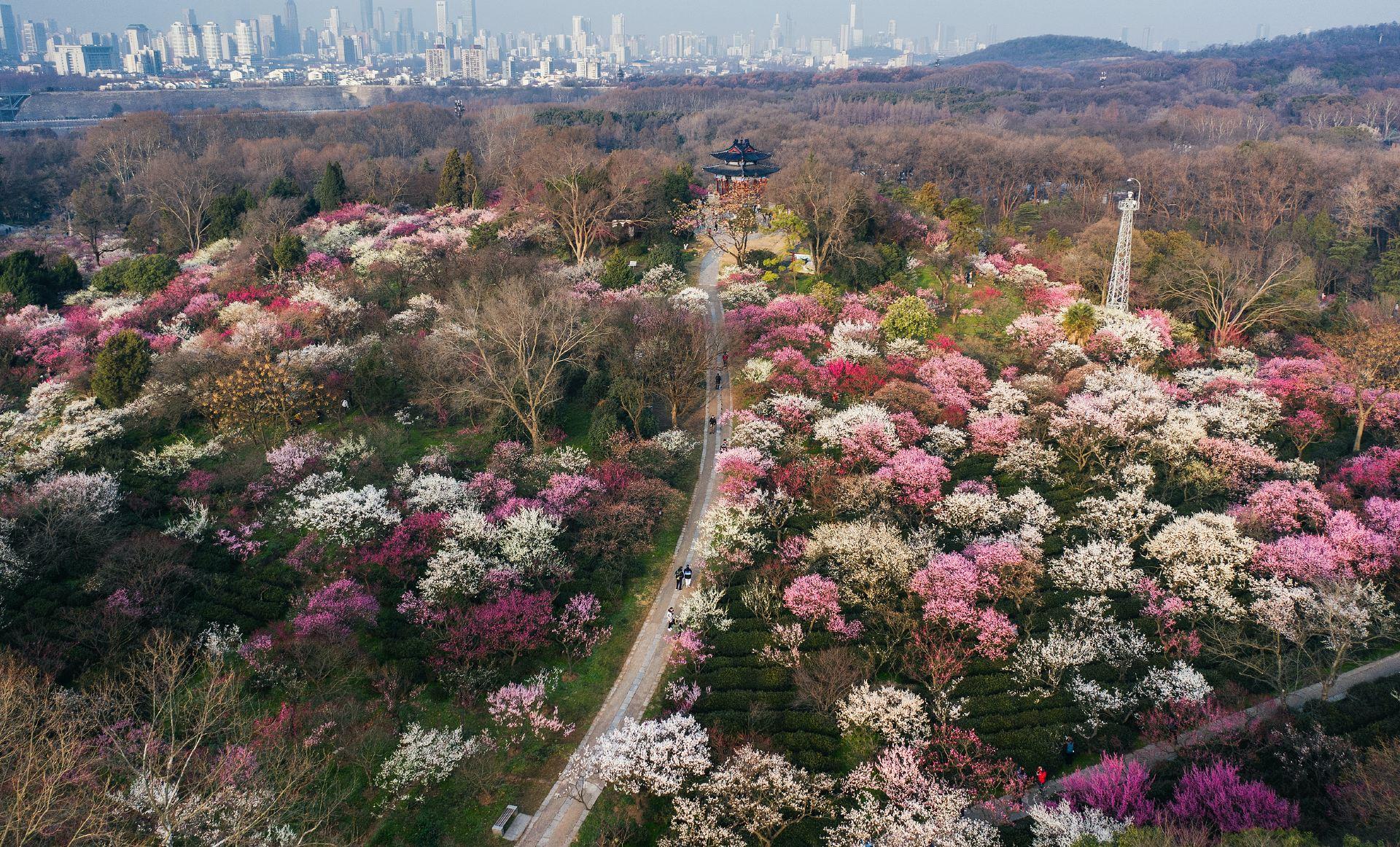
  • Spring Blossoms: In spring, look for cherry blossoms around Jiming Temple, Xuanwu Lake, and Nanjing Forestry University, or visit Plum-Blossom Hill during the late February to March plum blossom season.
  • Local Food Streets: Try Nanjing salted duck, duck blood vermicelli soup, tangbao, and sweet osmanthus cakes around Laomendong, Fuzimiao, or Shiziqiao.
  • Autumn, Hiking, and Hot Springs: Photograph ginkgo and maple colors around Ming Xiaoling, Wutong Avenue, and Qixia Mountain, hike Purple Mountain trails, or unwind in Tangshan's hot springs about 30 km from downtown.

Food Highlights

Duck Blood and Vermicelli Soup, Beef Potstickers, Salted Duck, Nanjing Soup Dumplings, Plum Blossom Cakes.

Nanjing Cuisine Overview

Nanjing's cuisine is known for its unique local characteristics and profound cultural heritage. Dishes like Duck Blood and Vermicelli Soup, Beef Potstickers, Salted Duck, Nanjing Soup Dumplings, and Plum Blossom Cakes each represent a heritage and innovation of traditional craftsmanship, leaving a lasting impression.

Duck Blood and Vermicelli Soup

Duck Blood and Vermicelli Soup

Nanjing Duck Blood and Vermicelli Soup is a classic Jinling dish made with duck blood, duck intestines, duck liver, and other ingredients in duck broth with vermicelli. It is known for its mild, fresh, and smooth taste. Extremely popular in Nanjing, it has become a landmark snack nationwide. The soup comes in clear and white varieties, each with its own flavor.

Seasonings like chili oil and coriander can be added to taste, offering a steaming, tender, and refreshing experience.

Beef Potstickers

Beef Potstickers

Beef potstickers are a traditional Nanjing snack, part of Jinling cuisine and one of the 'Eight Delicacies of Qinhuai.' They are tender on top and crispy on the bottom, with a flavorful beef filling. The key to making them is using Sichuan pepper water to season the beef, which removes any gamey taste and enhances freshness.

Salted Duck

Salted Duck

Nanjing salted duck is a famous local dish known for its white skin, tender meat, and rich yet non-greasy flavor. The preparation involves frying salt, marinating, drying, and boiling. The duck made during the eighth lunar month, when osmanthus flowers bloom, is especially renowned and called 'Osmanthus Duck.' It is considered to have dietary benefits, particularly for those with cardiovascular conditions.

Nanjing Soup Dumplings

Nanjing Soup Dumplings

Nanjing soup dumplings are famous for their thin skins, abundant broth, and delicious fillings. They are made with high-quality meat and have skins that are thin yet sturdy. After steaming, each dumpling is filled with savory broth.

Popular brands include Jiming and Yin's.

To eat, gently bite a corner to sip the broth before enjoying the meat filling—a staple of Nanjing breakfasts.

Plum Blossom Cakes

Plum Blossom Cakes

Plum blossom cakes are a traditional Nanjing snack dating back to the Ming Dynasty. They are shaped like plum blossoms and were praised by Emperor Qianlong. These pastries have a crispy crust and a sweet but not greasy filling, often red bean paste. The batter is poured into a mold, filled, topped with red and green melon shreds, and baked.

Each cake is decorated with a red date and small glutinous rice balls.

Best Time to Visit

Spring (Mar.–May) for blossoms and autumn (Sep.–Nov.) for mild weather.

The best time to visit Nanjing is during spring, from March to May, and autumn, from September to November. In spring, the weather is mild, and the city becomes a sea of flowers, with plum blossoms in March and cherry blossoms in April, making it ideal for outdoor activities.

Autumn offers cool temperatures, perfect for hiking and enjoying the red autumnal leaves at local attractions like Mount Qixia and the Xiaoling Mausoleum of the Ming Dynasty. These seasons provide the most comfortable climate and picturesque natural beauty, avoiding the intense heat of summer and the cold, humid winter.

Attraction Highlights

Niushou Mountain, Confucius Temple Qinhuai River, Nanjing Museum, Xiaoling Mausoleum (UNESCO).

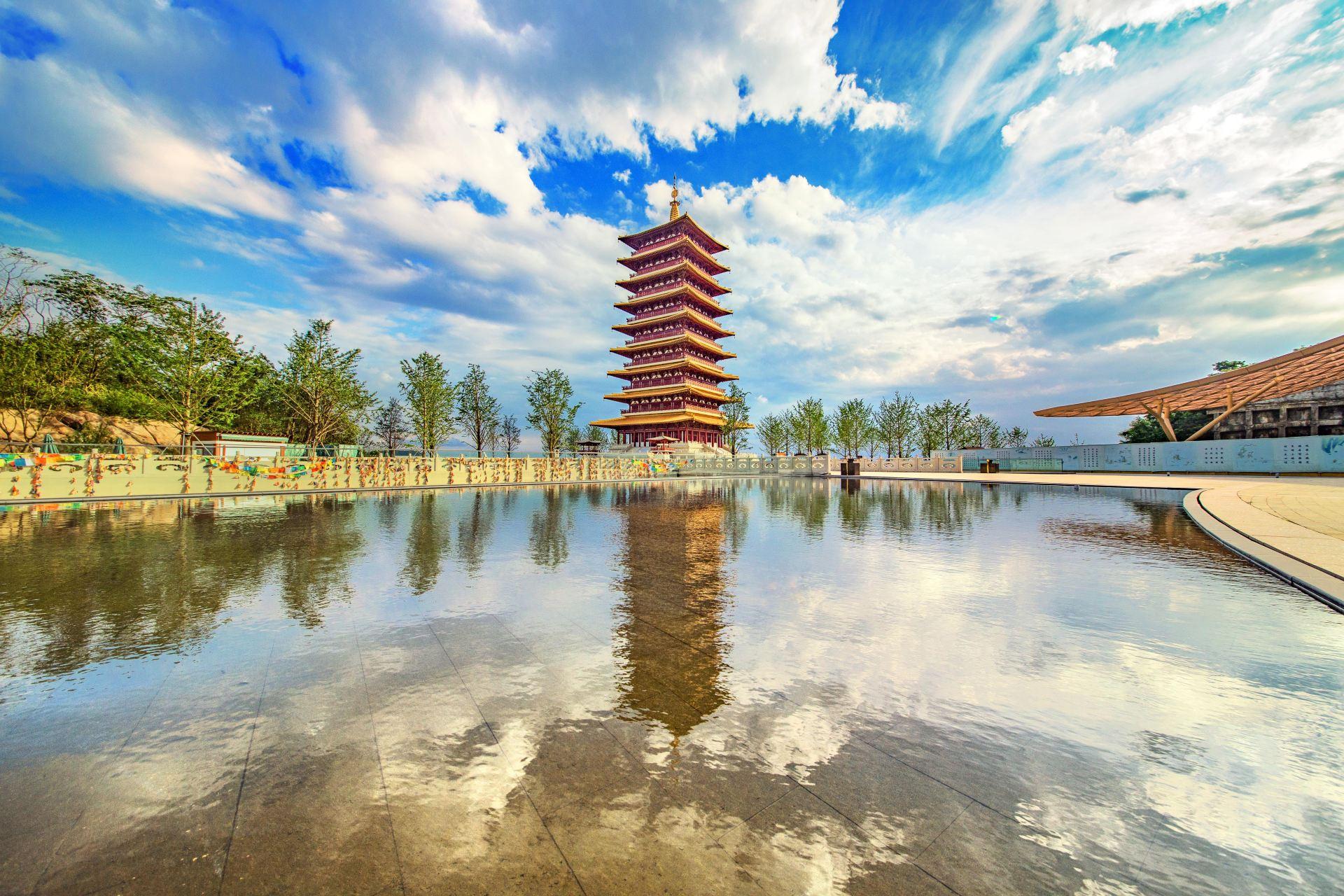
Niu Shou Shan

Niu Shou Shan

牛首山文化旅游区

Niu Shou Shan, or Tianque Mountain, features twin peaks resembling ox horns and is famed for its scenic beauty and historic sites like Yue Fei’s fortress. The Buddha’s Crown Palace, built around a mine pit, enshrines the Buddha’s skull relic and stands as a solemn Buddhist sanctuary.

0.5-1 day
145 CNY
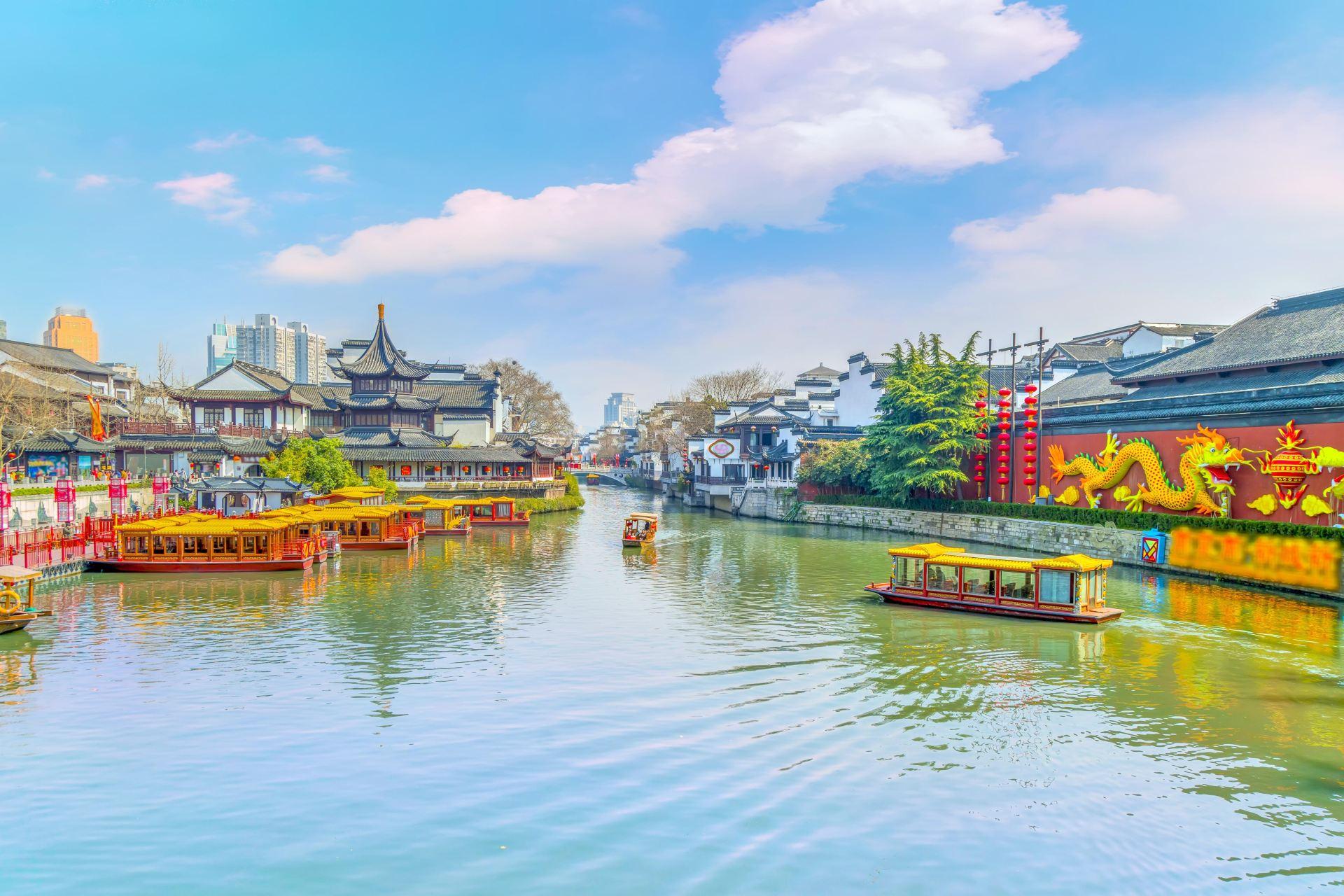
Fuzimiao (Confucius Temple) Qinhuai Scenic Area

Fuzimiao (Confucius Temple) Qinhuai Scenic Area

夫子庙秦淮风光带

Stretching along the Qinhuai River, the Fuzimiao (Confucius Temple) Qinhuai Scenic Area encompasses historic lanes, residences, and landmarks. Evoked in Liu Yuxi’s verse, this vibrant district invites visitors to explore the Confucian Temple, take a river cruise, savor local cuisine, and admire the enchanting nighttime scenery.

2-4 hours
Free
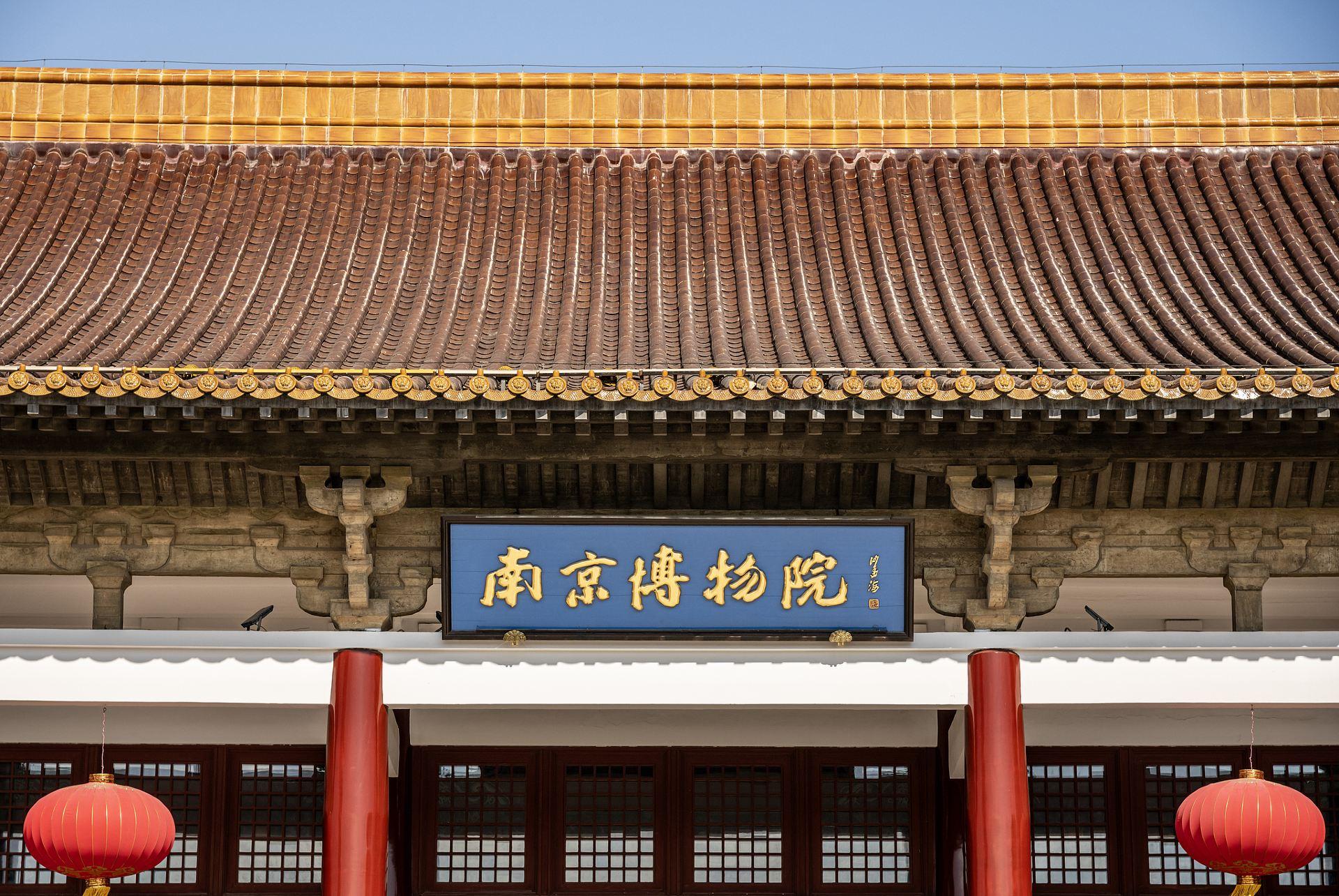
Nanjing Museum

Nanjing Museum

南京博物院

Nanjing Museum, at the southern foot of Purple Mountain, is one of China’s earliest museums. Its collections include ancient gold-threaded robes, exquisite painting and calligraphy, and Ming treasures like a gold-plated stupa. Visitors can journey through history and stroll along recreated streets from the Warlord Era.

3-5 hours
Free
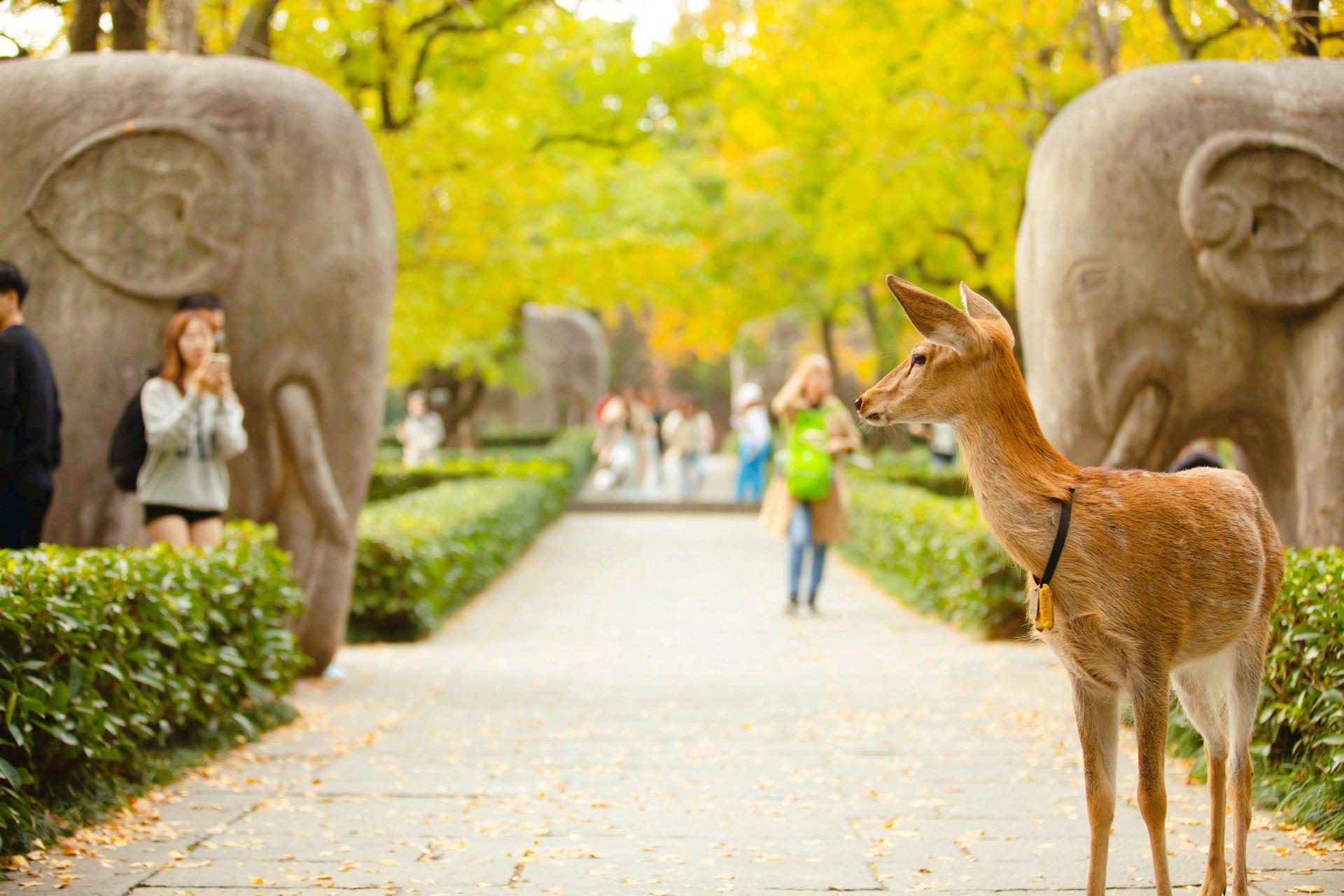
Ming Xiaoling Mausoleum

Ming Xiaoling Mausoleum

明孝陵

Ming Xiaoling Mausoleum, set in Nanjing's Zhongshan Scenic Area, is the tomb of the Hongwu Emperor and Empress Ma. Its majestic layout, featuring a winding 2,400-meter Sacred Way with monumental stone sculptures, pioneered the 'front court, rear bedchamber' design that shaped Ming and Qing imperial tombs.

2-4 hours
68 CNY
Zhongshan Mountain National Park

Zhongshan Mountain National Park

钟山风景名胜区

Zhongshan Mountain National Park, also known as Purple Mountain, rises in Nanjing’s eastern suburbs. Spanning 31 square kilometers, it encompasses over 200 scenic spots, including the Sun Yat-sen Mausoleum, the Ming Xiaoling Tomb, and Linggu Temple. Shaded paths and lush forests offer a cool, tranquil escape easily reached by public transport.

1-2 days
Free

FAQ

What's the most popular attractions in Nanjing?
The most popular attractions in Nanjing include the Presidential Palace of Nanjing, Sun Yatsen Mausoleum, and Ming Xiaoling Mausoleum.
How to get to Harbin from Nanjing?
Flying is the recommended option.
How to get to Nanjing from Suzhou?
The high-speed train is the most convenient choice.
How to get to Nanjing from Xitang?
The drive from Xitang to Jiaxing takes about 50 minutes, and from Jiaxing to Nanjing it takes about 3.5 to 4 hours.
How to get to Nanjing from Hangzhou?
The most convenient way is by train. There are 117 trains daily, including high-speed rail. The journey takes about 1 hour 30 minutes, and a second-class seat costs only 117.5 yuan.
How to get to Nanjing from Wuxi?
Take the high-speed train.

Local Moments

Zhimaling | A Free Day Trip to Nanjing's Little Jiuzhaigou

Zhimaling Forest Park in Liuhe District, Nanjing, features an 800-acre bald cypress forest growing in water, with seasonal color changes. The area also includes volcanic geological relics, a colorful mining pit lake, and a 5.5 km hiking loop. Free entry, open 24 hours. Best visited in autumn for photography. Accessible by car via Ninglian Expressway or by metro and bus.

naturehikingphotographygeology

Zhimaling Forest Park · Liuhe District · Nanjing · Daqian Lake Bald Cypress Forest · Lianshan Bashang Grassland · Jinniu Lake Wildlife Park

Kuala Lumpur to Nanjing Roundtrip – From 1K+ MYR! 🇨🇳🏯

May is ideal for student travel with moderate weather and lower prices. Seven cities accessible by high-speed rail offer budget-friendly 3-4 day trips (800-1200 RMB per person). Includes Quanzhou (West Street, Kaiyuan Temple, Qingyuan Mountain, Luoyang Bridge, Xunpu Village), Luoyang (Longmen Grottoes, Luoyang Museum, White Horse Temple), Changsha (Yuelu Mountain, Orange Isle, Hunan Museum), Chongqing (Yangtze River Cableway, Hongya Cave, Ciqikou), Xi'an (Terracotta Warriors, Shaanxi History Museum, City Wall), Nanjing (Confucius Temple, Sun Yat-sen Mausoleum, Nanjing Museum), and Wuhan (Yellow Crane Tower, Hubei Provincial Museum, East Lake). Student discounts available.

budget travelstudent travelhigh-speed railfoodcultural sites

Quanzhou · Luoyang · Changsha · Chongqing · Xi'an · Nanjing · Wuhan · West Street · Kaiyuan Temple · Qingyuan Mountain · Luoyang Bridge · Xunpu Village · Longmen Grottoes · Luoyang Museum · White Horse Temple · Yuelu Mountain · Orange Isle · Hunan Museum · Yangtze River Cableway · Hongya Cave · Ciqikou · Terracotta Warriors · Shaanxi History Museum · City Wall · Confucius Temple · Sun Yat-sen Mausoleum · Nanjing Museum · Yellow Crane Tower · Hubei Provincial Museum · East Lake

2D1N in Nanjing 🇨🇳

Niushou Mountain (Bull Head Mountain) is open 08:30-17:30, last entry 16:30. Tickets 160 RMB on-site, discounts online; students/seniors half-price. Shuttle bus 20 RMB unlimited rides. Take subway then taxi to East Entrance, or self-drive with ample parking. Recommended route: East Entrance → shuttle to Foding Palace (core attraction with Reclining Buddha, Thousand Buddha Hall, underground palace) → lunch at Tianque Vegetarian Noodles (next to Foding Palace, try Niushou Mountain Vegetarian Noodles or Five Blessings Mushroom Noodles) → climb Foding Pagoda for panoramic views → visit Foding Temple and Foding Front Garden. Tips: bring light jacket for air-conditioned underground palace; wear light-colored clothing for photos; comfortable shoes; bring own water/snacks to save money.

routefoodtransportexperience

Niushou Mountain · Foding Palace · Tianque Vegetarian Noodles · Foding Pagoda · Foding Temple · Foding Front Garden

Nanjing | University students' weekend review of the Magnolia Hotel

Located in Jinbao Commercial Plaza on Ruize Road, Hushu Street, Jiangning District, this hotel is near Yangliu Lake Scenic Area and East Suburb Outlets. The area is popular with college students, with many restaurants, food stalls, hot pot, a night market, and nearby coffee shops. Public transit includes a bus stop across the street and a subway station 6 km away. Free parking is available.

foodtransportneighborhood

Jinbao Commercial Plaza · Ruize Road · Hushu Street · Jiangning District · Yangliu Lake Scenic Area · East Suburb Outlets · China Pharmaceutical University subway station

Nanjing Xinjiekou | The soundproofing is so good it feels like hiding in the clouds, with a bustling CBD right outside the window.

Pilu Temple is a quiet alternative to crowded Jiming Temple in Nanjing. Located at No. 4 Hanfu Street, Xuanwu District, it is accessible via Line 2 to Xi'anmen Station. Admission is 20 yuan, open 9:00-16:30. Highlights include the Ten Thousand Buddhas Hall, a gilded Buddha statue, and a century-old ginkgo tree. Visitors can enjoy vegetarian noodles, count arhats, and turn prayer wheels. Nearby attractions include Presidential Palace and Six Dynasties Museum. Best visited during ginkgo season (mid-November to early December).

templeculturefoodtransport

Pilu Temple · Jiming Temple · Xi'anmen Station · Presidential Palace · Six Dynasties Museum · Jiangsu Provincial Art Museum · Meiyuan New Village Memorial Hall · Changjiang Road Cultural Tourism District

Last updated 10/8/2026 · published