Nanchang

China · Jiangxi

Nanchang

Historic city with revolutionary landmarks including the August 1st Uprising Memorial

Best for

Revolutionary HistoryTengwang PavilionPoyang LakeHan Dynasty Park

Recommended stay

2–3 days

Best season

Spring and autumn

Location

China, Jiangxi

Snapshot

City Snapshot

A city at a glance

6 dimensions · 1–5 scale

PandaLoco's read of six travel-relevant dimensions on a 1–5 scale, built from public datasets and our travel criteria.

It describes the city's profile. It is not a ranking of better or worse cities.

Basis: Public datasets and PandaLoco travel criteria

Overview

Nanchang is known for its revolutionary history, with sites like the August 1st Uprising Memorial Hall, as well as cultural landmarks such as Tengwang Pavilion and Poyang Lake.

Ideal Pace

2–3 days

Seasonal Window

Spring and autumn

Overview

Nanchang is an important site in Chinese revolutionary history, featuring the August 1st Uprising Memorial Hall and other historical landmarks.

Brief Guide

Nanchang is considered one of the birthplaces of the Chinese revolution and holds an important place in Chinese history. In Nanchang, you can visit the Nanchang August 1st Uprising Memorial Hall and other revolutionary sites. You can also explore the Jiangxi Museum to learn more about the province, as well as historic landmarks like Tengwang Pavilion and Shengjin Pagoda, and enjoy natural scenery such as Meiling Mountain or Poyang Lake.
Getting There & Around

Nanchang Changbei International Airport is 28 km from the center. Taxis are affordable. Metro system with four lines connects key areas

How to Get There

Nanchang has a well-developed transportation network, with Nanchang Changbei International Airport and the city's main railway stations as key hubs.

  • Airport: Nanchang Changbei International Airport, located about 28 km from the city center, connects to many domestic and international destinations. Shuttle buses and taxis are available to reach the city.
  • Railway Station: Nanchang Railway Station, founded in 1935, is a major hub in Xihu District serving both high-speed and normal-speed trains, with connections to major cities like Beijing, Shanghai, and Guangzhou.
  • Metro: Nanchang Metro Line 2 connects to Nanchang West Railway Station, a high-speed rail station, for intercity travel.
  • Local Transfers: Taxis and buses are available for local transfers.

Local Transportation

  • Taxis: Safe and affordable way to get around.
  • Metro: The Nanchang Metro system, known as Nanchang Rail Transit, has four operational lines with extensions under construction, providing efficient transportation across the city. Ticketing options include single tickets and smart cards.
  • Bike-sharing: Widely available, reflecting the city's commitment to sustainable travel.

Practical Information

Mandarin is predominant; Gan dialect is local. Alipay and WeChat are essential for payments and communication. Mobile data via China Mobile/Unicom.

Local Language

In Nanchang, the capital of Jiangxi Province, Mandarin is predominantly spoken as the official language. The local dialect is Gan, a branch of Chinese languages.

  • Travelers can use translation apps and services to navigate language barriers.
  • Effective non-verbal communication methods include gestures, maps, and facial expressions.

Embracing these tools and techniques can enhance the travel experience in Nanchang.

Local Apps

  • Alipay: A versatile app used for making payments, essential for public transportation and taxi services in China
  • WeChat: Indispensable for communication, payments, and social interactions, acting as a complete digital wallet solution
  • Gaode Maps: Provides reliable, real-time navigation and updated map information superior to Google Maps in China, ensuring you never get lost
  • Didi Chuxing: A widely used ride-hailing app that allows for smooth travel within cities, integrating with Alipay for effortless payment transactions

Internet and Communication

Mobile data packages for visitors in China are available through local carriers such as China Mobile and Unicom.

  • China Mobile: Offers prepaid data SIM cards with unlimited text messages and calls within China, and high-speed connections, sometimes even 5G.
  • Unicom: Provides SIM cards with data packs that include unlimited music applications, and both do not require long-term contracts.

Public WiFi in China is widely available in places like airports, restaurants, coffee shops, and malls.

However, connecting to these networks often requires a Chinese phone number for text verification, which can be a challenge for travelers without a local SIM card.

Currency and Payment

In Nanchang, mobile payments are the most common, but cash and credit cards are also accepted in various situations.

  • Digital Payments: Alipay and WeChat Pay dominate. Some transactions may require a registered Chinese bank card, and linking international cards requires preparation.
  • Cash: Valid, especially for transactions in rural areas or small purchases.
  • Credit/Debit Cards: Accepted mainly in hotels, restaurants, and shopping malls.

Top Experiences

Explore revolutionary landmarks like August 1st Memorial Hall and Bayi Square, visit Tengwang Pavilion for architecture and views, and enjoy Poyang Lake’s natural beauty.

Must-try local experiences

  1. Explore the Revolutionary Landmarks of Nanchang: Visit the Nanchang August 1st Memorial Hall and Bayi Square to learn about Nanchang's pivotal role in China's modern history.
  2. Find Tranquility at Tengwang Pavilion and Poyang Lake: Visit Tengwang Pavilion for its architectural splendor and panoramic views, and capture its beauty at night. Then take a scenic boat trip on Poyang Lake, known for its sunsets and bird populations.
  3. Visit the Star of Nanchang: Ride the Star of Nanchang Ferris wheel for panoramic views of the city, especially beautiful at sunset.
  4. Relax at Meiling National Scenic Area: Meiling National Scenic Area offers lush forests, waterfalls, and hiking trails, perfect for nature lovers seeking a peaceful escape.
  5. Stroll around Qiushui Square and Enjoy the Musical Fountains: Qiushui Square is a large open square with a spectacular musical fountain show at night. The fountain changes with the rhythm of the music, and the lighting effects are gorgeous, making it an ideal place for photos.
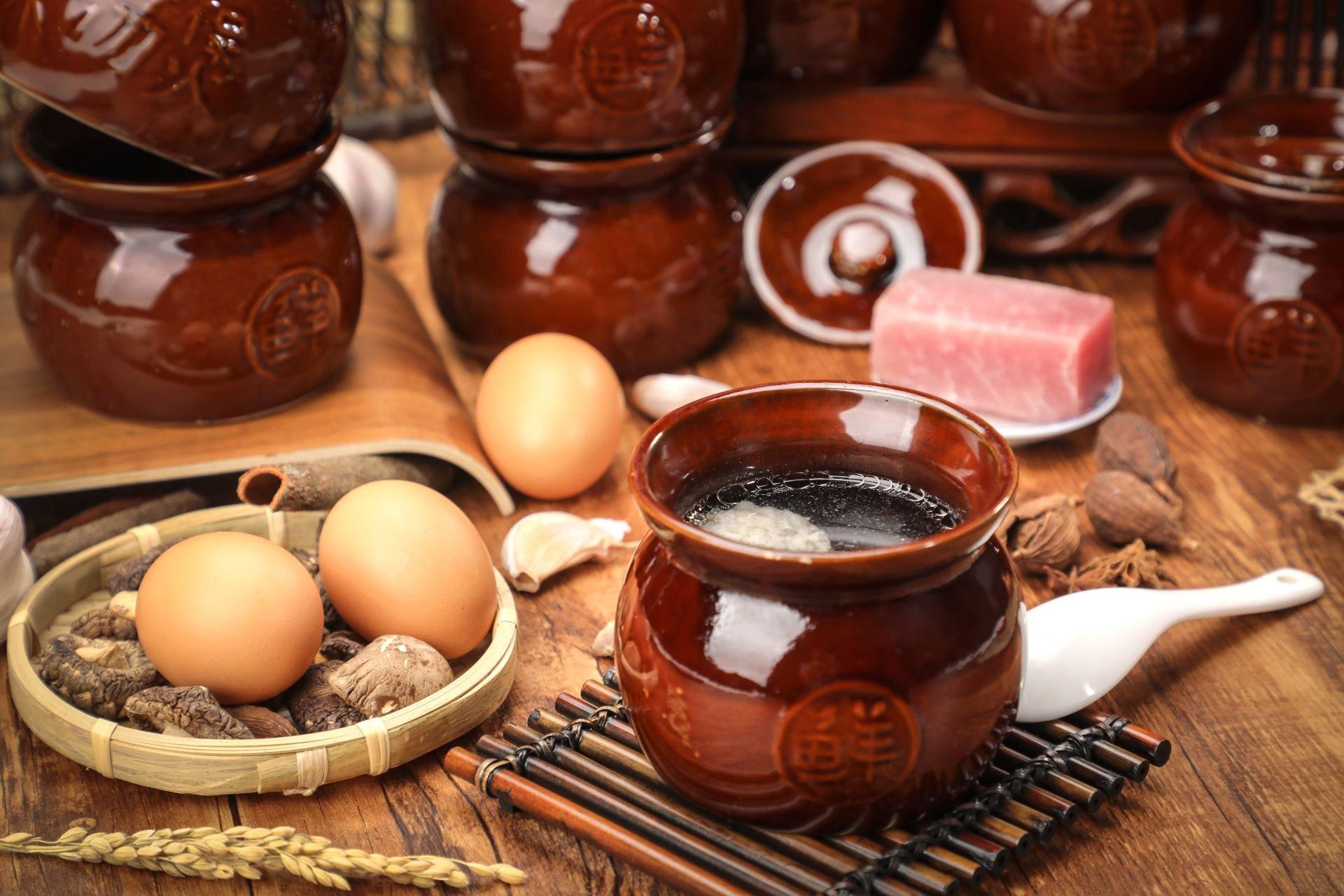
  6. Savor the Flavors of Nanchang Cuisine: Indulge in Nanchang's spicy and savory dishes like Nanchang Rice Noodles and soup cooked in a pottery jar, and try the local rice wine.
  7. Capture the Beauty of Qingshan Lake Scenic District: Qingshan Lake Scenic District offers picturesque views ideal for photography, especially at sunrise or sunset.
  8. Take a Boat Ride on the Gan River: A boat ride on the Gan River offers a unique perspective of Nanchang’s skyline and landmarks, providing a relaxing way to see the city.

Food Highlights

Nanchang cuisine features rice noodles, steamed pork with rice flour, Nanchang-style chicken, and clay pot soup with centuries-old tradition.

Nanchang cuisine is famous for its traditional flavors and unique cooking methods. Dishes like Nanchang rice noodles, steamed pork with rice flour, fried local chicken, and clay pot soup are rich in local character and cultural significance, leaving a lasting impression on anyone who tries them.

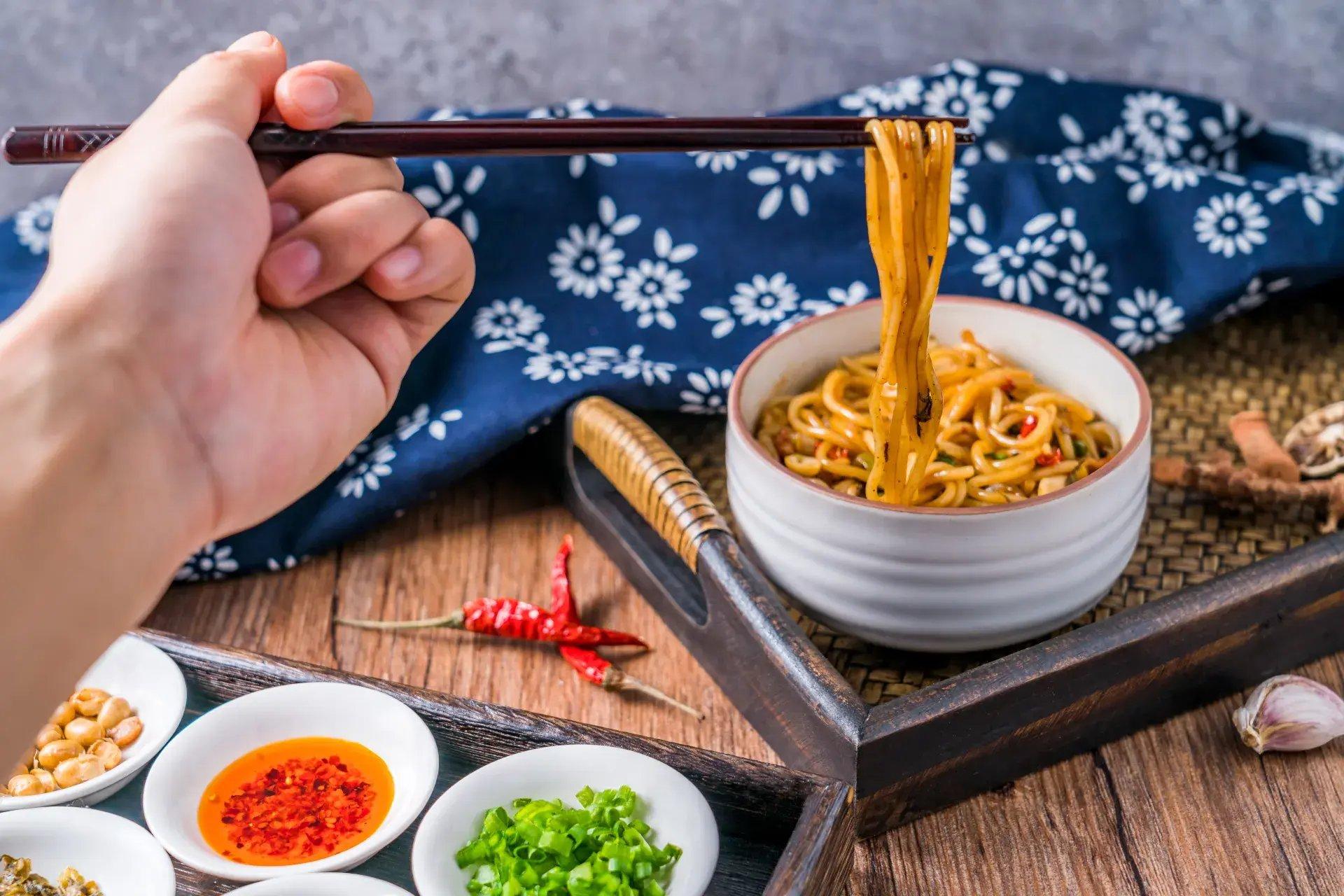
Nanchang Rice Noodles

Nanchang Rice Noodles

Nanchang rice noodles are a popular local dish. The noodles are boiled and then tossed with seasonings such as chopped peppers, soy sauce, and green onions. Over time, many additional seasonings have been introduced, allowing for a customizable flavor experience.

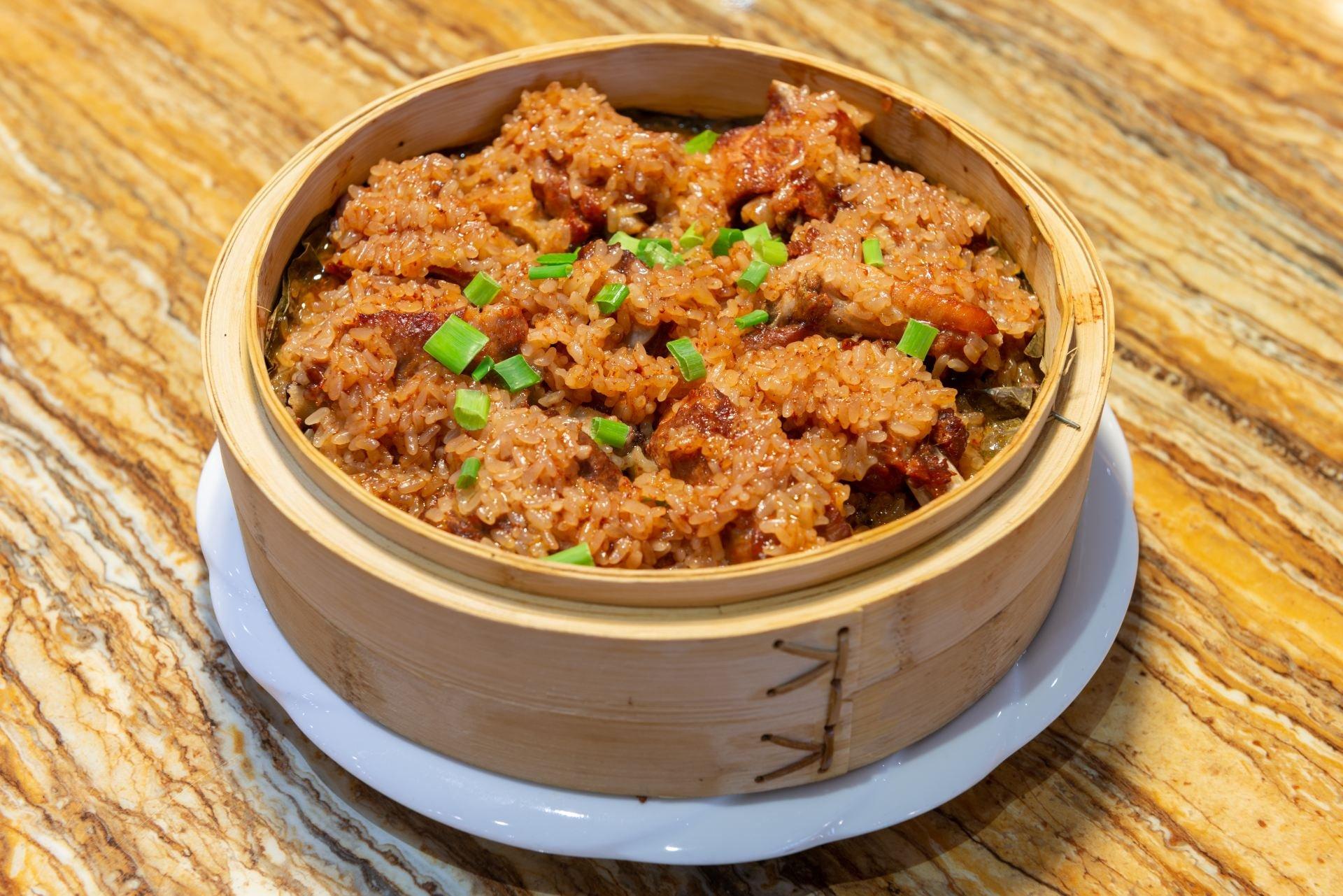
Steamed Pork with Rice Flour

Steamed Pork with Rice Flour

Steamed pork with rice flour is a celebrated dish in Nanchang, known for its tender, sticky, and aromatic qualities. It comes in different flavors, including spicy and sweet, and often includes ingredients like mushrooms, lotus roots, and Chinese yam, making it a favorite among food lovers.

Nanchang-Style Chicken

Nanchang-Style Chicken

Nanchang-style chicken is a local delicacy made primarily with free-range chicken, complemented by shiitake mushrooms, glutinous rice wine, and a spicy sauce. It offers a flavorful yet light taste, with an enticing color and tender texture that leaves a memorable impression.

Clay Pot Soup

Clay Pot Soup

Clay pot soup is a local culinary delight with over a thousand years of history, recognized as an intangible cultural heritage. Ingredients are placed in small clay pots, which are then layered inside a large clay pot and slow-cooked over charcoal for over six hours. The result is a nutritious and aromatic soup that is both tempting and nourishing.

Best Time to Visit

Best times are mild spring and autumn with pleasant weather, less rainfall, ideal for visiting outdoor attractions like Poyang Lake.

The best time to visit Nanchang is during the mild spring and autumn seasons when the weather is pleasant and conducive for travel.

During these months, temperatures are comfortable, and the city experiences less rainfall, making it ideal for exploring outdoor attractions such as the stunning Poyang Lake.

Additionally, October is notable for the harvest period around Poyang Lake and the Poyang Lake Crabs Festival, offering unique local experiences.

Autumn, especially from late September to early November, is highlighted as the least rainy and generally mild period, reducing the likelihood of encountering remnants of typhoons.

Attraction Highlights

Attractions include Tengwang Pavilion, Han Dynasty site park, Jiangxi Provincial Museum, Star of Nanchang Ferris Wheel, and Sunac Resort.

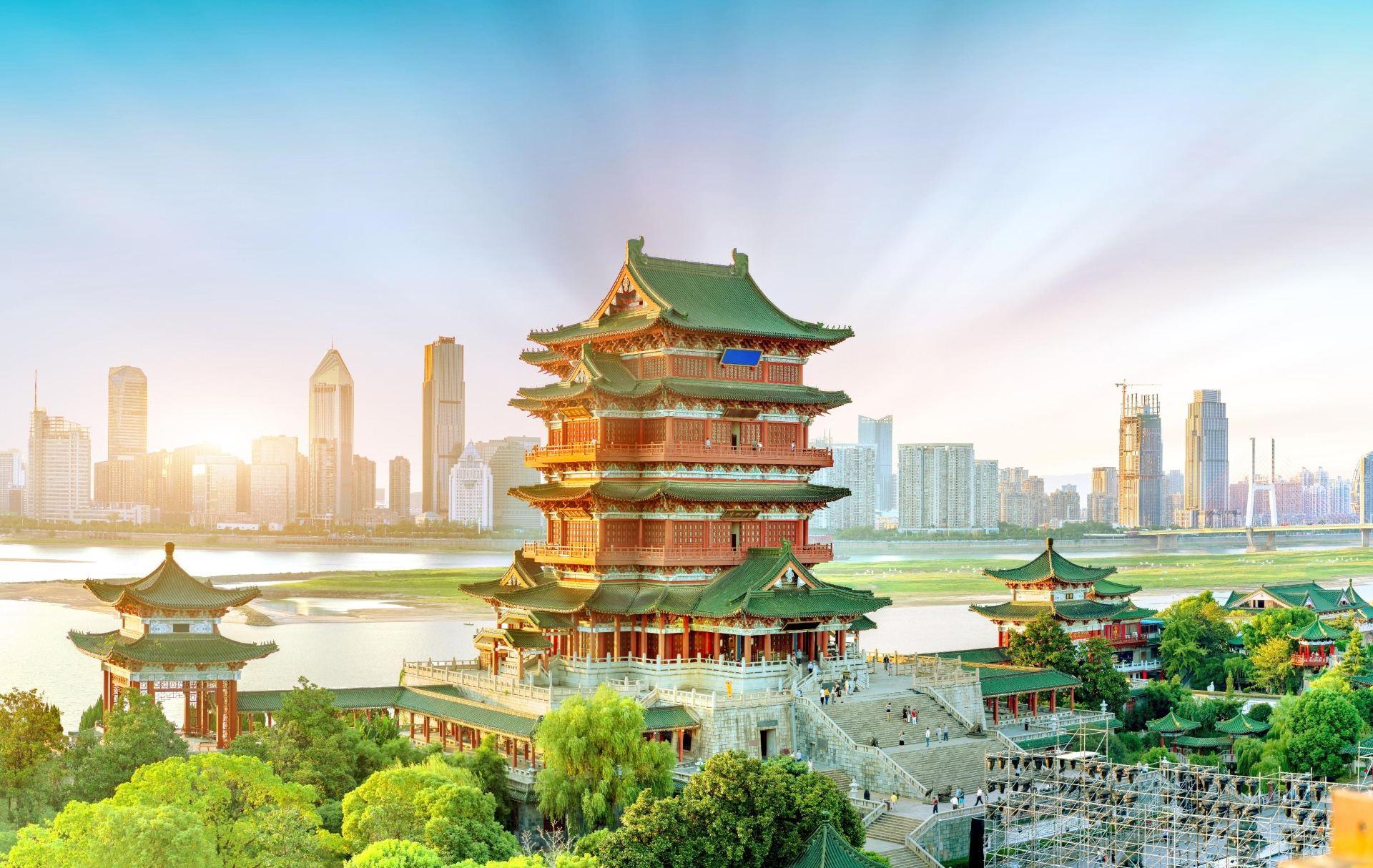
Tengwang Pavilion

Tengwang Pavilion

滕王阁

Tengwang Pavilion, a landmark on the Ganjiang River in Nanchang, is famed for Wang Bo's classic preface. As one of the Three Famous Towers of Jiangnan, it features a nine-story structure with halls displaying calligraphy, murals, and historical portraits, offering panoramic views from its upper levels.

2-3 hours
50 CNY
The National Archaeological Site Park of Nanchang Han Dynasty Haihun Marquis

The National Archaeological Site Park of Nanchang Han Dynasty Haihun Marquis

南昌汉代海昏侯国遗址公园

Explore the National Archaeological Site Park of Nanchang Han Dynasty Haihun Marquis, a vast Han-era capital settlement encompassing the Zijincheng city site and the tomb of Liu He. Over 10,000 relics have been unearthed, including 480 gold pieces—the most in Chinese archaeology—alongside bronze, jade, lacquerware, and bamboo slips.

3-5 hours
60 CNY
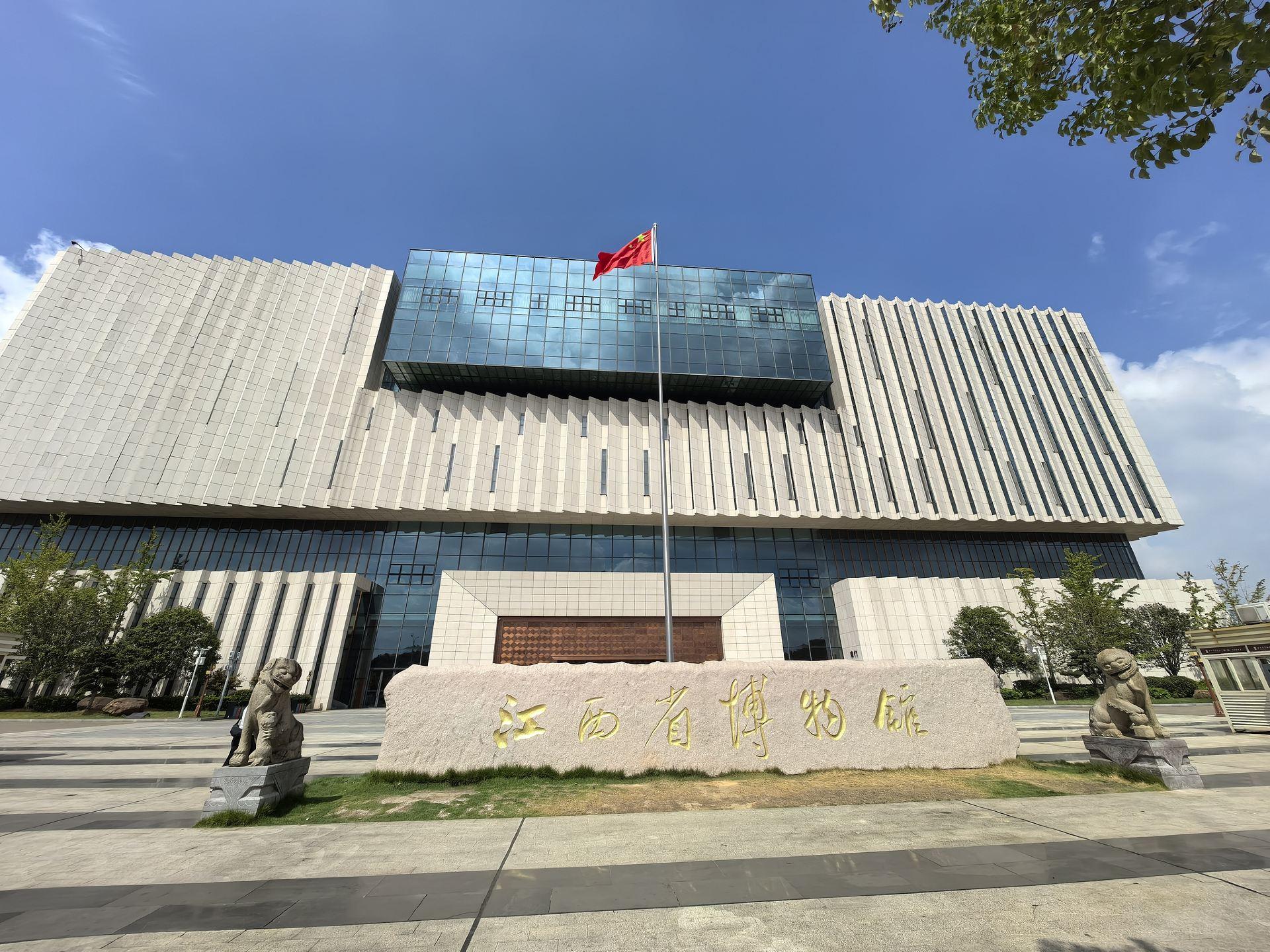
Jiangxi Provincial Museum

Jiangxi Provincial Museum

江西省博物馆(新馆)

Set along the Lancang River in Nanchang, the Jiangxi Provincial Museum blends ancient ceramic art with modern architecture, its form inspired by Ming Dynasty white porcelain. Housing a museum, revolution hall, and natural museum, it offers a serene cultural experience near the Fuhe River and Tengwang Pavilion.

1-2 hours
Free
Star of Nanchang Ferris Wheel

Star of Nanchang Ferris Wheel

南昌之星摩天轮

Rising 160 meters on the Gan River’s west bank near Nanchang Bridge, the Star of Nanchang is a city landmark. Its 60 capsules hold nearly a thousand visitors, offering panoramic views of the river scenery. The surrounding landscape belt invites daytime strolls and nighttime sightseeing.

1-2 hours
9.9 CNY
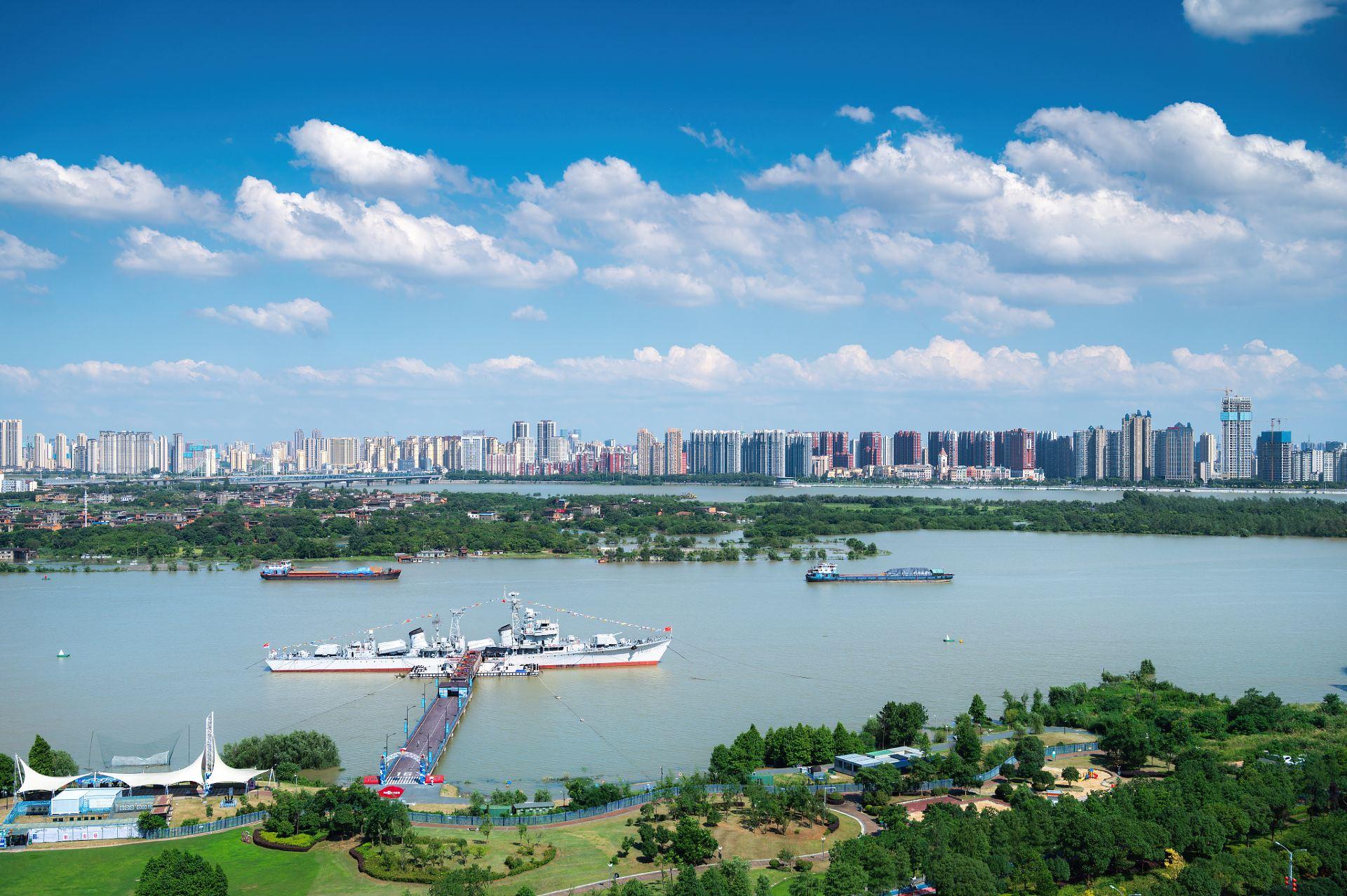
Navy Ship Nanchang

Navy Ship Nanchang

南昌舰

The Nanchang Warship, a Chinese-built guided missile destroyer, served from 1982 to 2016. Launched in 1979 and commissioned into the South China Sea Fleet, it symbolizes the modernization and growth of China's navy, witnessing its evolution from modest beginnings to a formidable maritime force.

1-2 hours
45 CNY

FAQ

What's the most popular attractions in Nanchang?
The best places to visit in Nanchang include Tengwang Pavilion, Nanchang Sunac Land, and Nanchang Rongchuang Aquarium.
How to get to Zhuhai from Nanchang?
Take a bus from Guangzhou to Zhuhai, which is a convenient option.
How to get to Nanchang from Jingdezhen?
Take a bus from Jingdezhen Long-distance Bus Station to Nanchang Long-distance Bus Station (Jiangxi Changyun). The journey takes about 3.5 hours. From Nanchang Coach Station, cross the underground passage to Pudong Development Bank, where you can catch Nanchang Airport Bus Line 1. After 6 stops, you will arrive at Changchang North Airport, taking about 25 minutes.
How to get to Nanchang from Changsha?
Take train D207 from Changsha to Nanchang. Departure at 11:33, arrival at 14:46. The journey covers 419 km in 3 hours 13 minutes. First class costs 156 yuan, second class 130 yuan.
What's the best food in Nanchang?
Nanchang specialties include fried braised bacon, bamboo tube steamed sausage, Yuzhang crispy duck, glutinous chicken legs, three cups of dog meat, stuffed melon rings, three cups of fish, and five yuan dragon and phoenix soup. These dishes pair well with local wines such as Dingfang, Site, and Lidu sorghum.
What is a good souvenir from Nanchang?
Consider buying Huang Shanghuang duck cooked food, a local brand with vacuum packaging for easy transport. Other options include distiller's fish, tea cake, Qiyunshan South jujube cake, and Fengcheng frozen rice sugar, all available at green food stores.
Last updated 10/8/2026 · published