Jingdezhen

China · Jiangxi

Jingdezhen

Porcelain capital with ancient kilns, ceramic museums, and creative squares.

Best for

Ceramics & PorcelainArt MuseumsHistorical KilnsCreative Districts

Recommended stay

2-3 days

Best season

Autumn (Aug–Oct), especially during

Location

China, Jiangxi

Snapshot

City Snapshot

A city at a glance

6 dimensions · 1–5 scale

PandaLoco's read of six travel-relevant dimensions on a 1–5 scale, built from public datasets and our travel criteria.

It describes the city's profile. It is not a ranking of better or worse cities.

Basis: Public datasets and PandaLoco travel criteria

Overview

Jingdezhen, the 'Porcelain Capital' with nearly 2000 years of ceramic history, houses extensive collections of Chinese ceramic art.

Ideal Pace

2-3 days

Seasonal Window

Autumn (Aug–Oct), especially during

Overview

Jingdezhen, Jiangxi, known for porcelain production for nearly 2000 years; features ceramic art and artifacts.

Brief Guide

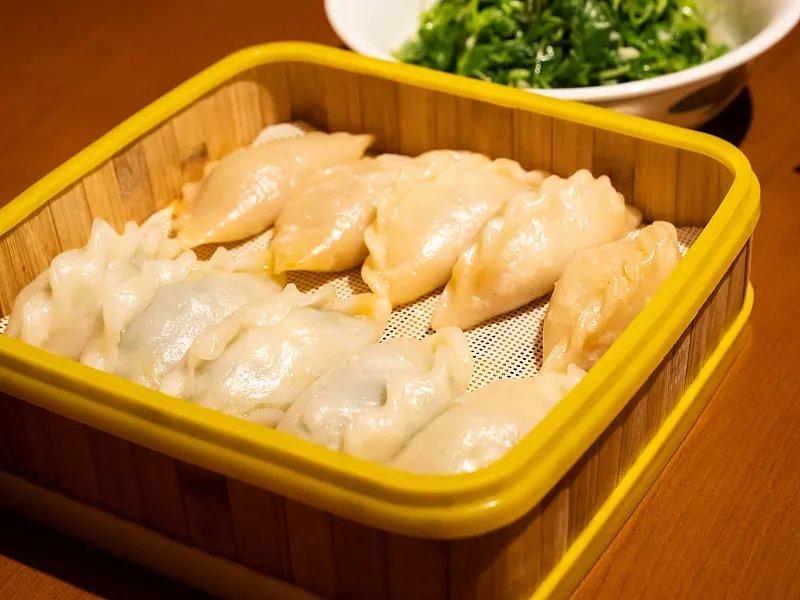
Jingdezhen is a city worth visiting for its cultural and industrial significance to China. Having produced porcelain for nearly two thousand years, it now houses one of the world's most impressive collections of Chinese ceramic art and artifacts. Over 30 historical ruins related to porcelain production have been found in the city, including the ancient Hutian kiln and the royal kilns of the Ming and Qing dynasties. Stop by the Ceramic History Museum, Porcelain Street, China Porcelain Garden, or the Sanbao International Ceramic Village to learn about the local ceramics collection. Sample local flavors by trying Jiaoziba, a spicy dumpling popular in this region.
Getting There & Around

Accessible via Jingdezhen Luojia Airport and railway; taxis and buses locally. Ride-hailing available but scarce near North Station.

How to Get There

Jingdezhen's transportation network is centered around its airport and railway stations, which are essential for intercity travel and contribute significantly to the city's connectivity.

  • Jingdezhen Luojia Airport (IATA: JDZ) serves as a key aviation hub for the region with domestic flights to major Chinese cities.
  • Located about 8 kilometers from the city center, it facilitates access for both domestic and international travelers.
  • To reach the city from the airport, use the airport shuttle bus service or take a taxi.
  • Jingdezhen North Railway Station (Jingdezhenbei) is a prominent railway hub offering high-speed train services to destinations including Shanghai, Beijing, Hangzhou, and Nanchang.
  • The station has modern facilities and serves as a convenient gateway to the city.
  • It is the most utilized station by tourists and offers easy access to the city center and other areas.
  • High-speed train routes make it a preferred choice for reaching Jingdezhen efficiently.

Local Transportation

  • Taxis: Convenient way to navigate the city.
  • Public bus: Another mode of local transportation.
  • Ride-hailing: Available but can be expensive and less convenient, especially around Jingdezhen North Station where vehicles are scarce. This has led to an oversupply of ride-hailing drivers in the city.
  • Electric scooter rental: Cost-effective alternative for exploring at your own pace.

Practical Information

Mandarin primary, English limited. Use Alipay/WeChat for payments. Gaode Maps for navigation. eSIMs and local SIM cards available.

Local Language

Jingdezhen, known as the "Porcelain Capital," is in Jiangxi Province, China, where Mandarin is the official language. Visitors may also encounter local dialects like Gan. English is not widely spoken, so translation apps and gestures can help overcome language barriers. Engaging with locals through the universal language of art, especially porcelain, can be enriching.

Local Apps

Alipay is ideal for cashless payments, widely accepted across China. WeChat is essential for messaging, social media, and payments. Gaode Maps provides reliable navigation within China. Didi Chuxing is the go-to ride-hailing app, similar to Uber.

Internet and Communication

Mobile data packages are available from local carriers like China Mobile and Unicom.

  • China Mobile: prepaid SIMs with unlimited texts, calls, and high-speed data.
  • Unicom: SIMs with data packs including unlimited music apps.

Both carriers require no long-term contracts.

Public WiFi is widely available in airports, restaurants, and malls, but often requires a Chinese phone number for verification, which can be challenging for travelers without a local SIM.

Currency and Payment

In Jingdezhen, mobile payments via Alipay and WeChat Pay are the dominant payment method. Most vendors accept these platforms, which allow QR code scanning.

  • Digital Payments: Alipay and WeChat Pay are the dominant mobile payment platforms, widely accepted and allowing QR code scanning.
  • Credit/Debit Cards: These platforms now support international bank cards, enhancing accessibility for tourists.
  • Fees: Be aware of potential transaction fees when using mobile payments.
  • Security: Protect your personal data when using mobile payments.

Top Experiences

Discover porcelain legacy at Ancient Kiln Museum and Porcelain Street; see centuries-old kilns and buy wares.

Must-try Local Experiences

  1. Discover the Legacy of Porcelain: Explore Jingdezhen's rich history of porcelain production at the Ancient Kiln Folk Customs Museum and Porcelain Street, where you can see centuries-old kilns and buy exquisite porcelain wares.
  2. Embrace Your Inner Artist with a Pottery Workshop: Unleash your creativity at Jingdezhen's pottery workshops, where you can learn shaping, molding, and glazing techniques from experienced artisans.
  3. Visit the Jingdezhen Ceramics Museum: Discover an extensive collection of ceramics from different dynasties.
  4. Witness the Spectacle of the International Ceramic Fair: Held annually in October, this fair showcases contemporary and traditional ceramics from around the world.
  5. Savor the Flavors of Jingdezhen: Indulge in unique dishes like Porcelain-bowl Steamed Chicken and explore local eateries and night markets for regional specialties.
  6. Bring Home a Piece of Jingdezhen: Browse shops along Porcelain Street or specialized markets to find exquisite porcelain souvenirs, from delicate tea sets to intricate sculptures.
  7. Capture the Beauty of Sanbao International Porcelain Village: Photograph contemporary ceramic art installations, traditional workshops, and charming cafes.
  8. Capture the Beauty of Yaoli Ancient Town: This town offers well-preserved ancient architecture and beautiful landscapes, perfect for photography.

Food Highlights

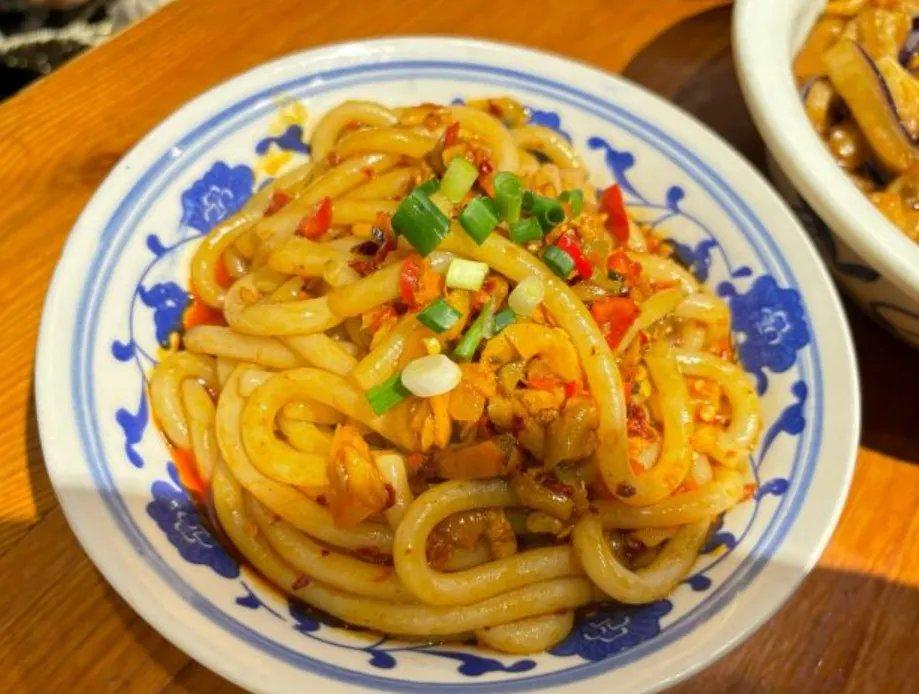
Local snacks: glutinous rice dumplings (Jiaozi Ba), cold noodles (Lengfen), alkaline rice cakes (Jian Shui Ba), tofu in soup (Dou Chong).

The traditional cuisine of Jingdezhen focuses primarily on local snacks.

  • Jiaozi Ba: glutinous rice dumplings
  • Lengfen: cold noodles
  • Jian Shui Ba: alkaline rice cakes
  • Dou Chong: bean broth

Each dish boasts distinctive flavors, incorporating traditional local tastes such as spicy radish and chive bean curd filled dumplings, as well as unique culinary innovations like alkaline rice cakes paired with stewed vegetables.

These dishes are not only popular among locals but also carry deep historical and cultural meanings.

Glutinous Rice Dumplings

Glutinous Rice Dumplings

Glutinous rice dumplings are a classic snack from Jingdezhen, available in both spicy and mild versions.

  • Spicy: Filled with shredded radish.
  • Mild: Filled with Chinese chives, dried tofu, bean sprouts, and pickled vegetables.

Though shaped like traditional dumplings, dumpling cakes differ in that they have a rice flour skin. After steaming, they can be optionally fried for a unique taste and texture.

Cold Noodles

Cold Noodles

In Jingdezhen, while porcelain-making is merely a livelihood, eating cold noodles is central to their way of life.

Jingdezhen's cold noodles are distinct for their thicker strands that offer a satisfying blend of softness and chewiness.

To prepare, they are simply mixed with condiments such as:

  • Chili peppers
  • Green onions
  • Sesame oil
  • Minced pickles
  • Radish pieces
  • Orange peel

More than just a local favorite, Jingdezhen's cold noodles symbolize the nostalgia of those who’ve moved away from their hometown, preserving a taste of home for generations.

Jian Shui Ba (Alkaline Rice Cakes)

Jian Shui Ba (Alkaline Rice Cakes)

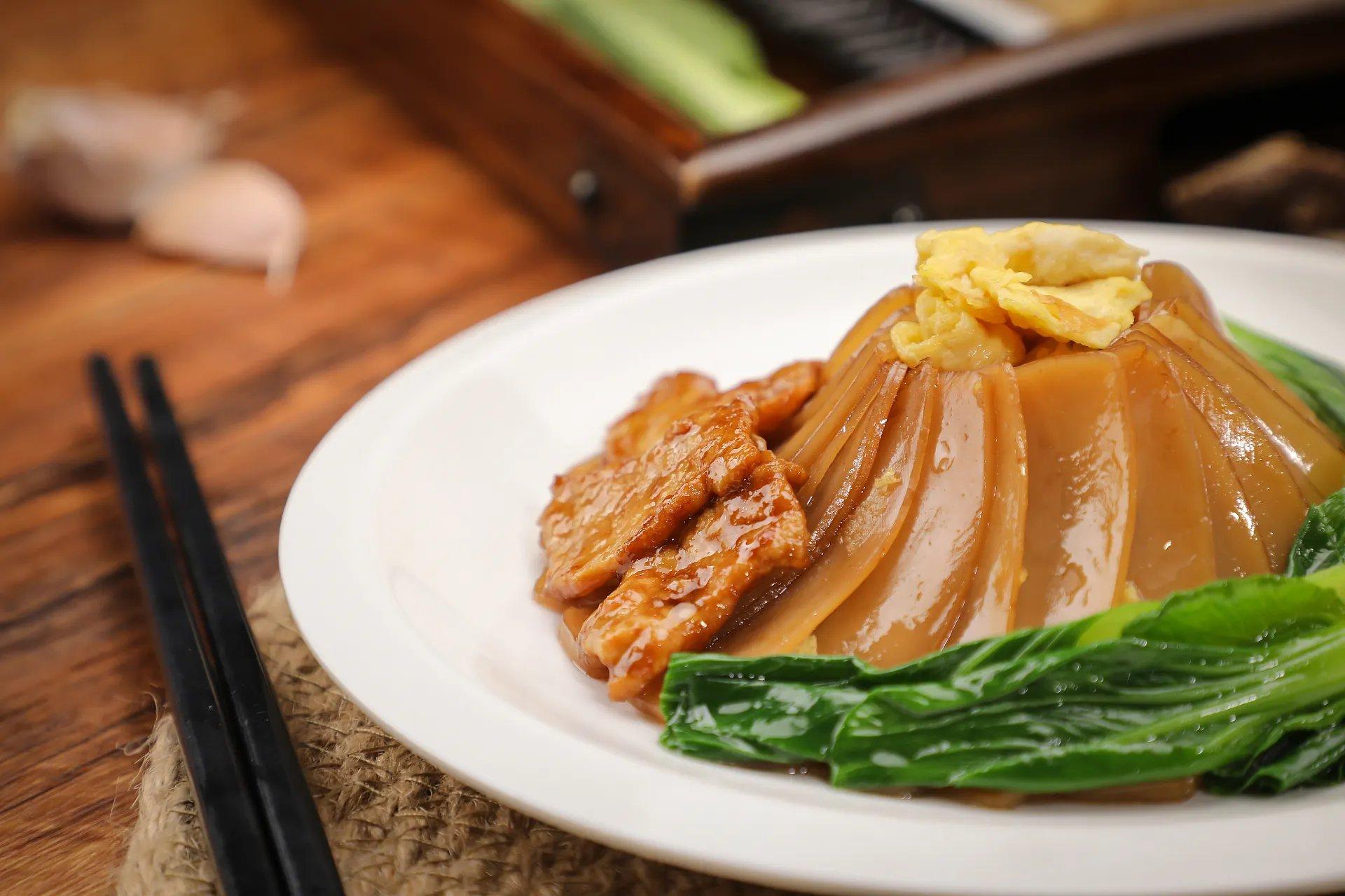
Jian Shui Ba, or alkaline rice cakes, is a traditional snack from Jingdezhen. Made with a mixture of rice flour and alkaline water, these cakes are known for their unique texture and flavor. Typically enjoyed steamed and served with a variety of fillings or as a side dish, they embody the rich culinary heritage of the region.

Dou Chong Tofu in Soup

Dou Chong Tofu in Soup

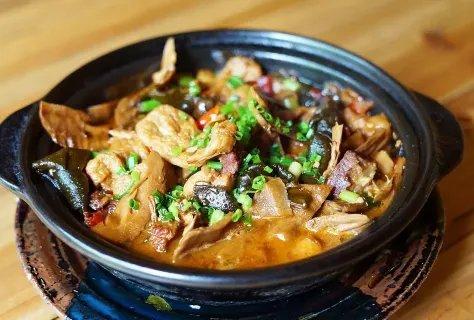
A staple in Jingdezhen cuisine, dou chong is essentially tofu, akin to fried tofu, and when simmered in a broth of pork ribs or fish, it becomes exceptionally flavorful.

  • Pan-fry fresh fish or meat with various seasonings.
  • Add pre-soaked dou chong.
  • Gently simmer the mixture in clear water until it absorbs the flavors.

This dish uniquely combines the savory essence of meat with the fresh taste of dou chong, creating a delightful culinary experience.

Best Time to Visit

Best in autumn (Aug–Oct) with sunny days; annual International Pottery and Porcelain Festival in October.

  • Autumn (August to October): Favorable weather with more sunny days. The Jingdezhen International Pottery and Porcelain Festival in October is a highlight, offering a chance to experience the city's ceramic culture.
  • Spring (February to April): Moderate rainfall and temperatures suitable for outdoor activities and exploring attractions.

Attraction Highlights

Ancient Kiln Museum, Taoyang Alley historical area, Ceramics Museum with 40,000 items, Taoxichuan Creativity Square, Yaoli scenic area.

Jingdezhen Ancient Kilns and Folk Customs Museum

Jingdezhen Ancient Kilns and Folk Customs Museum

景德镇古窑民俗博览区

Explore the Ancient Kiln Folk Customs Museum in Jingdezhen, featuring historic kilns from the Song to Qing dynasties and displays of local folk ceramics. See reproductions of 15th- and 16th-century porcelain, enjoy porcelain instrument performances, and join hands-on workshops in traditional-style buildings to experience the city's ceramic heritage.

3-4 hours
82 CNY
Tao Yang Alley

Tao Yang Alley

景德镇陶阳里历史文化旅游区

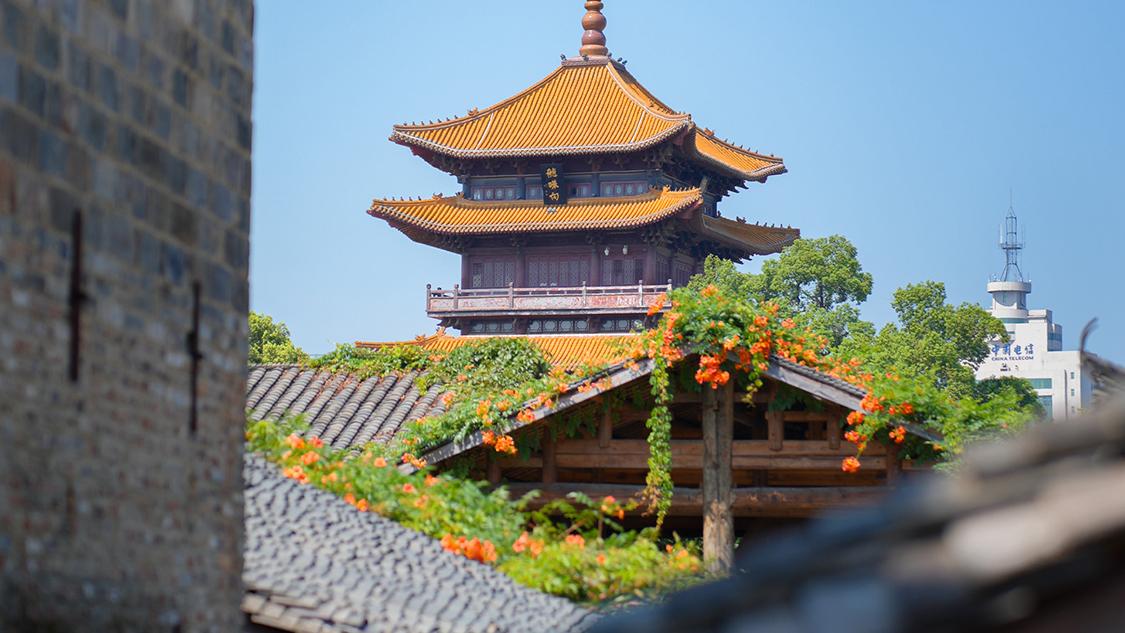
Tao Yang Alley in Jingdezhen preserves the Ming and Qing imperial kiln ruins, with excavated gourd-shaped kilns and ancient roads. The Longzhu Pavilion displays a miniature model of the Yuyao Factory, recreating the splendor of the historic Royal Kiln and offering a vivid glimpse into centuries of ceramic heritage.

1-2 hours
53 CNY
Jingdezhen China Ceramics Museum

Jingdezhen China Ceramics Museum

景德镇中国陶瓷博物馆

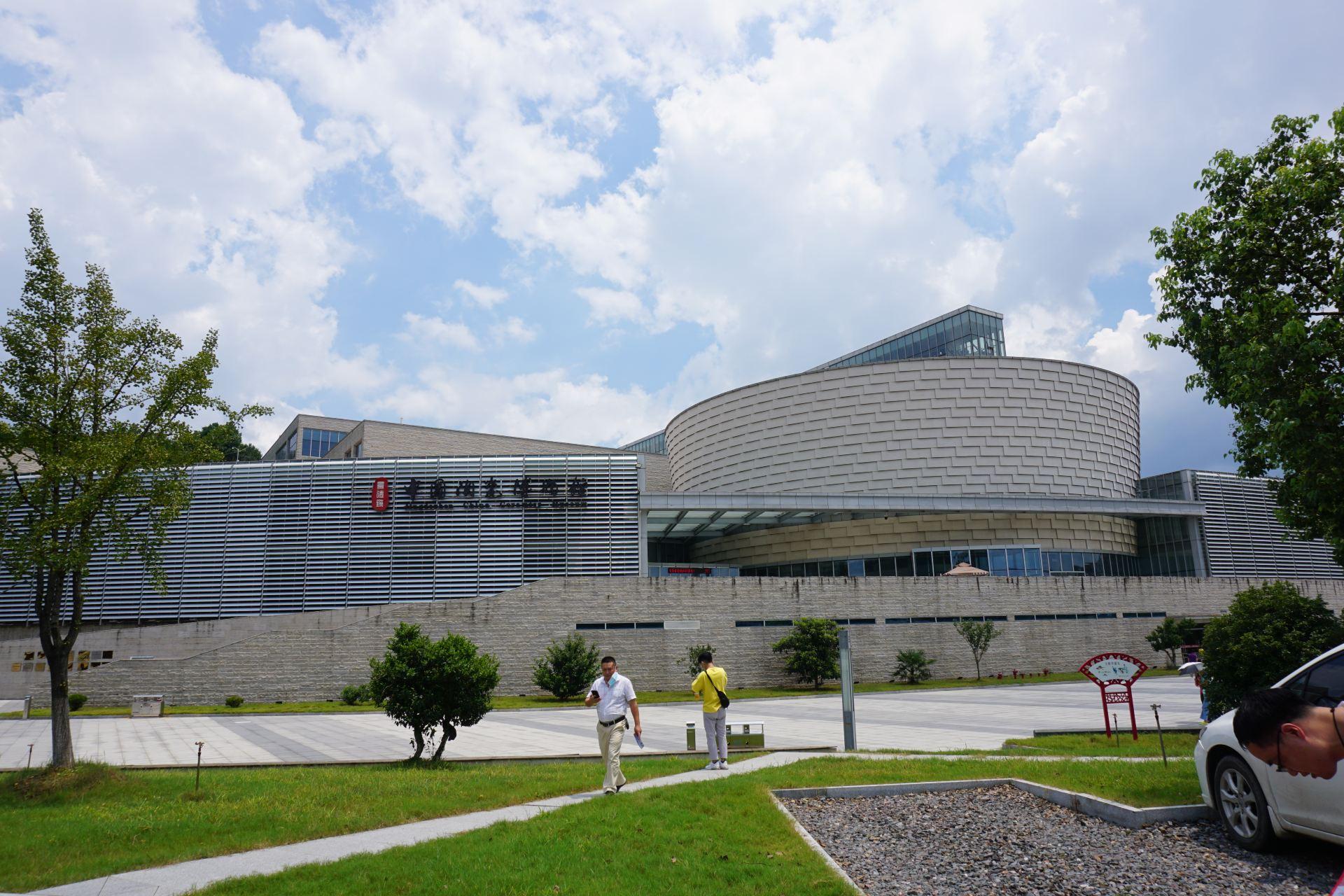
The Jingdezhen China Ceramics Museum showcases the city’s porcelain heritage through its History Department, New China Department, and special exhibition halls. Highlights include Five Dynasties celadon, Song Dynasty Qingbai ware, and Ming Dynasty blue-and-white porcelain, offering an insightful journey into ceramic art and craftsmanship.

2 hours
Free
Ceramic Art Avenue Taoxichuan

Ceramic Art Avenue Taoxichuan

陶溪川文创街区

Set in Jingdezhen, Ceramic Art Avenue Taoxichuan blends ceramic heritage with contemporary creativity. This cultural district features an industry heritage museum, art galleries, a pottery school, innovation spaces, a theater, and design-driven hospitality, offering visitors an immersive fusion of tradition, art, and modern lifestyle.

2-3 hours
Free
Yaoli Ancient Town

Yaoli Ancient Town

瑶里景区

Yaoli Ancient Town, northeast of Jingdezhen, is known as the birthplace of Jingdezhen ceramics. It features serene Huizhou-style architecture, lush forests, waterfalls, and traces of a thriving ceramics industry. The scenic area includes Wang Lake, a picturesque spot with ancient buildings that has appeared in several films.

2-4 hours
97 CNY

FAQ

What's the most popular attractions in Jingdezhen?
The most popular attractions in Jingdezhen include the Ancient Kiln Folk Customs Museum, Yaoli Destination, and Fuliang Former County Government.
Last updated 10/8/2026 · published