Harbin

China · Heilongjiang

Harbin

Massive ice and snow sculptures, Russian-influenced architecture

Best for

Ice & Snow FestivalSiberian Tiger ParkSt. Sophia CathedralSonghua River

Recommended stay

3–4 days

Best season

Winter (Dec–Feb)

Location

China, Heilongjiang

Snapshot

City Snapshot

A city at a glance

6 dimensions · 1–5 scale

PandaLoco's read of six travel-relevant dimensions on a 1–5 scale, built from public datasets and our travel criteria.

It describes the city's profile. It is not a ranking of better or worse cities.

Basis: Public datasets and PandaLoco travel criteria

Overview

Harbin features a winter ice festival with large illuminated sculptures, Russian-influenced architecture on Central Street, and a cold Siberian climate.

Ideal Pace

3–4 days

Seasonal Window

Winter (Dec–Feb)

Overview

Harbin features a winter ice festival with giant illuminated sculptures, Russian-influenced architecture on Central Street, and a freezing Siberian climate.

Brief Guide

Harbin, the capital of China’s northernmost province, is famous for its epic winter ice and snow festival, Russian-influenced architecture, and freezing Siberian climate. From the dazzling Ice and Snow World’s giant illuminated sculptures to historic Central Street and nearby Snow Town, it offers a unique cold-weather adventure. This guide will help you plan your perfect trip!
Getting There & Around

Accessible by air via Harbin Taiping International Airport (HRB), 33-41 km from downtown, with metro lines connecting key areas, plus taxis and buses.

How to Get There

Harbin's transportation network makes it accessible year-round, though winter snow can cause minor delays—plan ahead for flights and trains during the Ice Festival (January–February).

  • By Air: Harbin Taiping International Airport (HRB), 33–41 km northwest of downtown (40–60 min drive). Serves 50+ routes to major Chinese cities (Beijing 2h, Shanghai 3h, Guangzhou 4h, Shenyang 1.5h) and international spots like Seoul, Osaka, Vladivostok, and Los Angeles
  • Airport to City options: Airport shuttle buses (8 lines, ¥20, 50–70 min to Harbin Railway Station or Central Street; runs 6:00 AM–last flight)
  • Taxi/Didi: ¥100–150, 40–60 min (insist on meter; app English-friendly)
  • By Train: Harbin West Railway Station (HSR hub, 10 km southwest of the center) and Harbin Railway Station (central, near attractions). Over 100 daily HSR trains
  • From stations: Metro Line 2/3 to center (¥2–5, 10–20 min) or Didi (¥20–50)

Local Transportation

Harbin's local transport is efficient and tourist-friendly, with a growing metro network ideal for winter warmth, plentiful taxis and ride-hailing, plus cheap buses.

  • Metro: Three lines (1, 2, and loop Line 3) connect key areas, including Central Street, Harbin Railway Station, West Railway Station, and Ice and Snow World. Clean, heated, with English signage/announcements; fares ¥2–6; runs 6:00 AM–10:30 PM
  • Public Buses: Over 100 routes cover the city extensively, including tourist spots; flat fare ¥1–2 (exact cash or QR/mobile pay). Affordable but crowded in winter; limited English—use Amaps or the Alipay app for routes and real-time tracking
  • Taxis: Metered and abundant; reliable for short trips, but drivers rarely speak English—have destinations in Chinese. Ride-Hailing (Didi): Download the Didi app (English interface available); often cheaper than taxis with multiple car options (including taxis), cashless, upfront pricing
  • Shared Bikes: Apps like HelloBike (blue), Meituan (yellow), or Didi Qingju (green) via Alipay/WeChat; ¥1.5–3 per 30 min. Convenient in summer along Central Street or riverside, but avoid in winter due to ice and snow

Practical Information

Mandarin is the official language; English is limited outside major sites. Alipay and WeChat are key apps for payments. Strong 4G/5G coverage; public Wi-Fi available.

Local Language

Mandarin Chinese (Standard Chinese, using Simplified characters) is the official language in Harbin and across China. Navigating with English is challenging outside major tourist spots like the Ice and Snow Festival or Central Street, where bilingual signage and basic English from younger locals (under 40) or staff can help. Rely on translation apps.

Local Apps

  • Alipay: Super-app for payments, ride-hailing, and attraction tickets; you can link international cards or use it via TourCard for foreigners.
  • WeChat: All-in-one app for messaging, payments (WeChat Pay), and mini-programs like bookings; essential for contacting locals or guides.
  • Didi: Ride-hailing service similar to Uber, with an English interface and cashless payments, great for cold-weather taxis to Ice World.
  • Amap (Gaode Maps): Accurate navigation with English support, real-time metro and bus routes, and offline maps for Central Street.
  • Gaode Maps: Alternative mapping app that integrates transport and translation, useful for rural spots like Volga Manor.
  • Google Translate / Papago: Instant text and camera translation for menus and signs; Papago is better for Mandarin accuracy.

Internet and Communication

Harbin offers strong 4G and 5G coverage in the city center and tourist areas.

Free public Wi-Fi (iHarbin or hotel and cafe networks) is available at metro stations, malls, and attractions, but often requires passport registration and can be slow or insecure.

  • eSIM: Easiest option. Buy from Airalo, Nomad, Holafly, or Saily. Activate via QR code before your flight on compatible phones.
  • Physical SIM: Cost ¥100 to ¥300 for 10 to 30 GB over 30 days. Available from China Mobile, China Unicom, or China Telecom counters at Taiping Airport.
  • Pocket Wi-Fi: Rentals cost ¥150 to ¥250 per day. Suit groups but require pickup at the airport.

Currency and Payment

China's currency is the Renminbi (RMB or CNY). Digital payments dominate over 90% of transactions, but cash is still accepted in most places.

  • Digital Payments: Alipay and WeChat Pay via QR code; link international cards or preload TourCard in-app. Ideal for metro, tickets, etc. Set up before your trip.
  • Cash: Carry ¥100–300 in small bills (¥10–50) for emergencies. Cash is widely accepted but change is scarce for ¥100+ notes.
  • Credit/Debit Cards: Visa, Mastercard, and JCB accepted at hotels, malls, and chains (tap/contactless common). Amex limited. Use no-fee cards like Wise; 2–3% foreign fees may apply.

Top Experiences

Explore Ice and Snow World with illuminated ice buildings and slides, and Sun Island Snow Sculpture Art Expo with large snow sculptures.

Harbin is at its best when you mix winter spectacle with Russian-influenced streets, river life, hearty Northeastern food, and a few big-ticket family attractions.

  • Ice and Snow World: In winter, see illuminated ice buildings, slides, and night displays at Harbin Ice and Snow World, then pair it with daytime snow sculptures at Sun Island Snow Sculpture Art Expo.
  • Central Street: Walk the 1.4 km cobblestone Central Street for early-1900s Baroque and Byzantine facades, historic cafes, Russian souvenirs, chocolates, and a classic Harbin street scene.
  • Saint Sophia Cathedral: Visit the green-domed Saint Sophia Cathedral and nearby Architecture Art Square to understand Harbin's Russian, Jewish, Art Nouveau, and multicultural architectural layers.
  • Siberian Tiger Park: Ride a protected vehicle through Siberian Tiger Park to observe tigers in semi-natural habitats; optional feeding sessions make the visit more intense.
  • Songhua River in Two Seasons: In winter, cross the frozen Songhua River or try skating, sleigh rides, ice sailing, and ice slides; in summer, take a river cruise or cable car for open views.
  • Zhaolin and Stalin Parks: See Zhaolin Park's gardens and winter ice lanterns, then stroll Stalin Park along the riverbank for statues, open spaces, picnics, and people-watching.
  • Northeastern Food and Street Snacks: Look for crispy sweet-and-sour pork, smoked red sausages, dumplings, Madie'er popsicles, tanghulu, and other hearty Harbin staples.
  • Volga Manor: Head to Volga Manor, about 45 minutes from downtown, for replica churches, onion domes, birch forests, borscht, black bread, and seasonal walks or snow play.
  • Harbin Grand Theatre: Attend a concert, ballet, or opera at the MAD Architects-designed Harbin Grand Theatre, or join a guided visit to see its form and acoustics.
  • Polar and Marine Parks: Visit Harbin Polarland for polar animals and shows, or Poseidon Underwater World for marine tunnels, shark exhibits, and indoor family activities.

Food Highlights

Harbin cuisine features sweet and sour Guo Bao Rou, street snack Grilled Cold Noodles, smoky Harbin Red Sausage, and traditional Pig Slaughter Dish.

Harbin Food Guide

Harbin, a city in Northeastern China, is renowned for culinary delights such as the sweet and sour Guo Bao Rou, the street snack Grilled Cold Noodles, the culturally symbolic Harbin Red Sausage, and the traditional Pig Slaughter Dish, each reflecting the region's rich gastronomic heritage and local flavors.

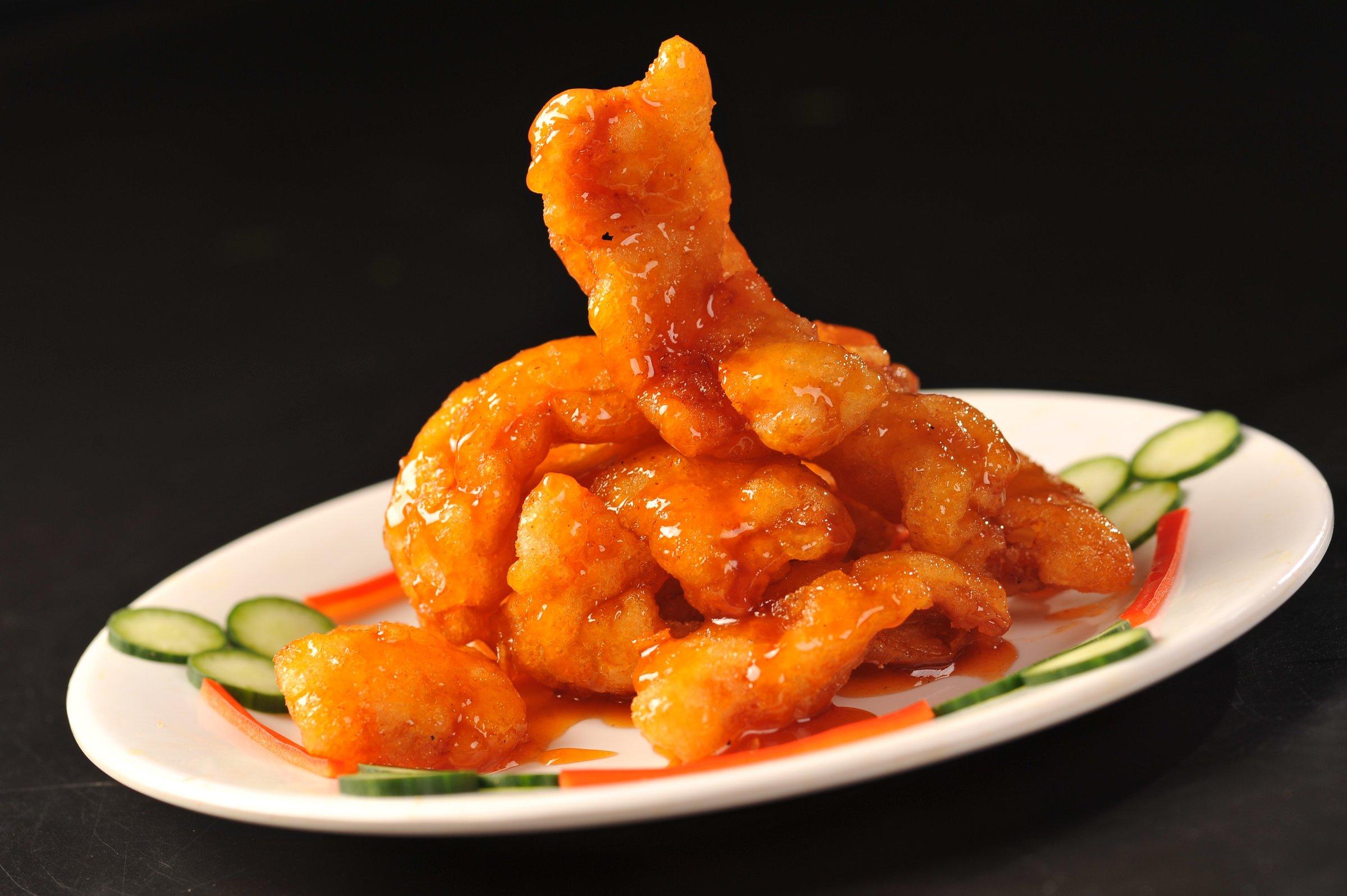
Guo Bao Rou

A traditional Northeastern Chinese dish originating from Harbin, it primarily uses pork tenderloin as the main ingredient, while Halal restaurants substitute beef for pork. Guo Bao Rou is golden in color, with a sweet and sour taste, crispy on the outside and tender on the inside.

It is a landmark delicacy of Harbin and has been included in the national "Landmark Delicacies Directory". The cooking process includes slicing, marinating, coating with batter, frying until golden brown, then stir-frying with thickened sauce, and finally drizzling with a prepared sweet and sour sauce.

It is recommended to be consumed hot to maintain its optimal flavor.

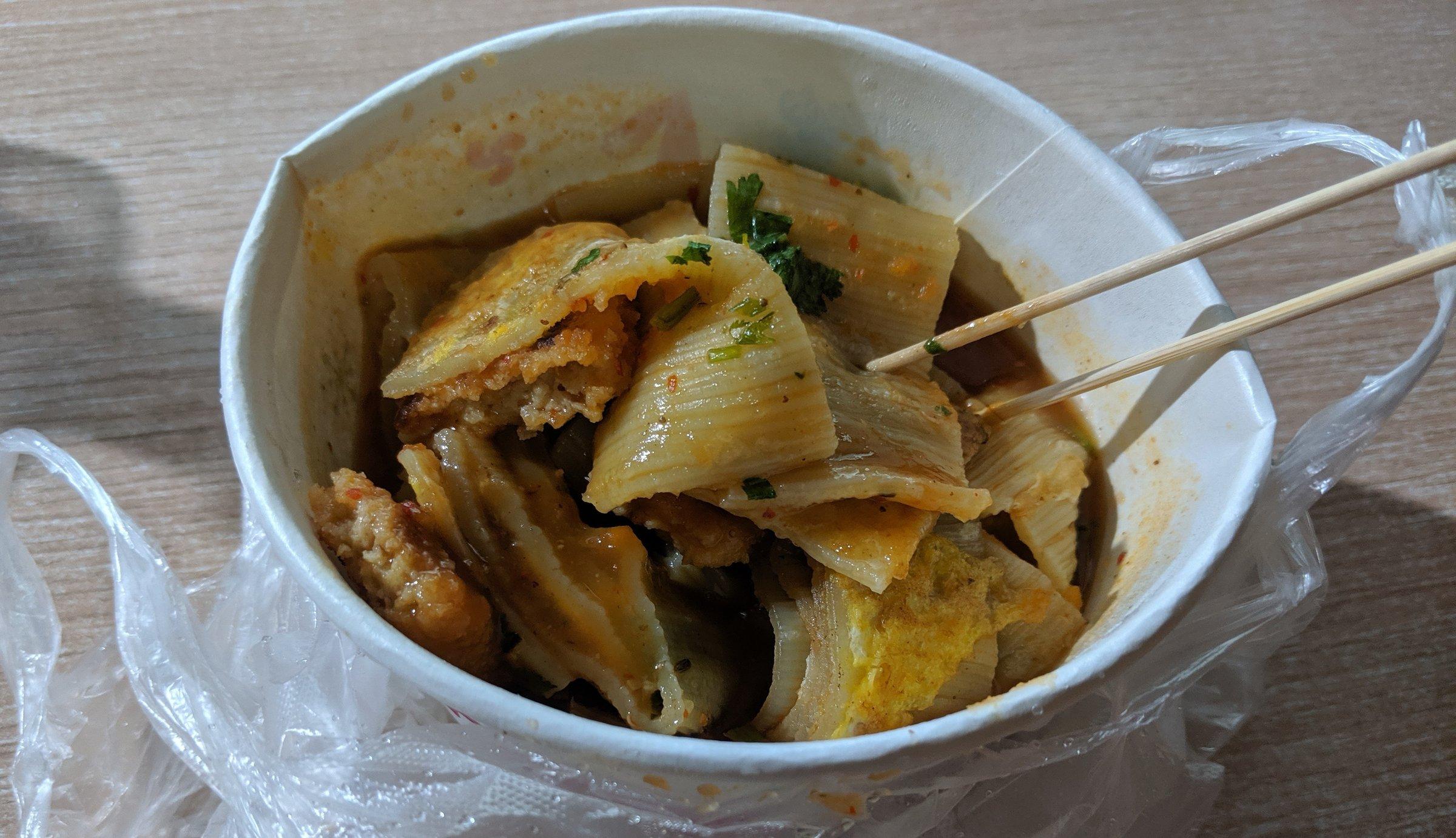
Grilled Cold Noodles

Grilled Cold Noodles are one of the characteristic snacks of the Northeast region, originating from Mishan City in Heilongjiang Province.

  • Place the cold noodle dough on an iron plate.
  • Add ingredients such as eggs, sausages, onions, etc.
  • Grill.
  • Brush with a special sauce.

The taste is moderately salty and sweet, and it is very popular.

Grilled Cold Noodles are not only a street snack but have also become a common memory of Northeastern youth, a culinary miracle created by an era.

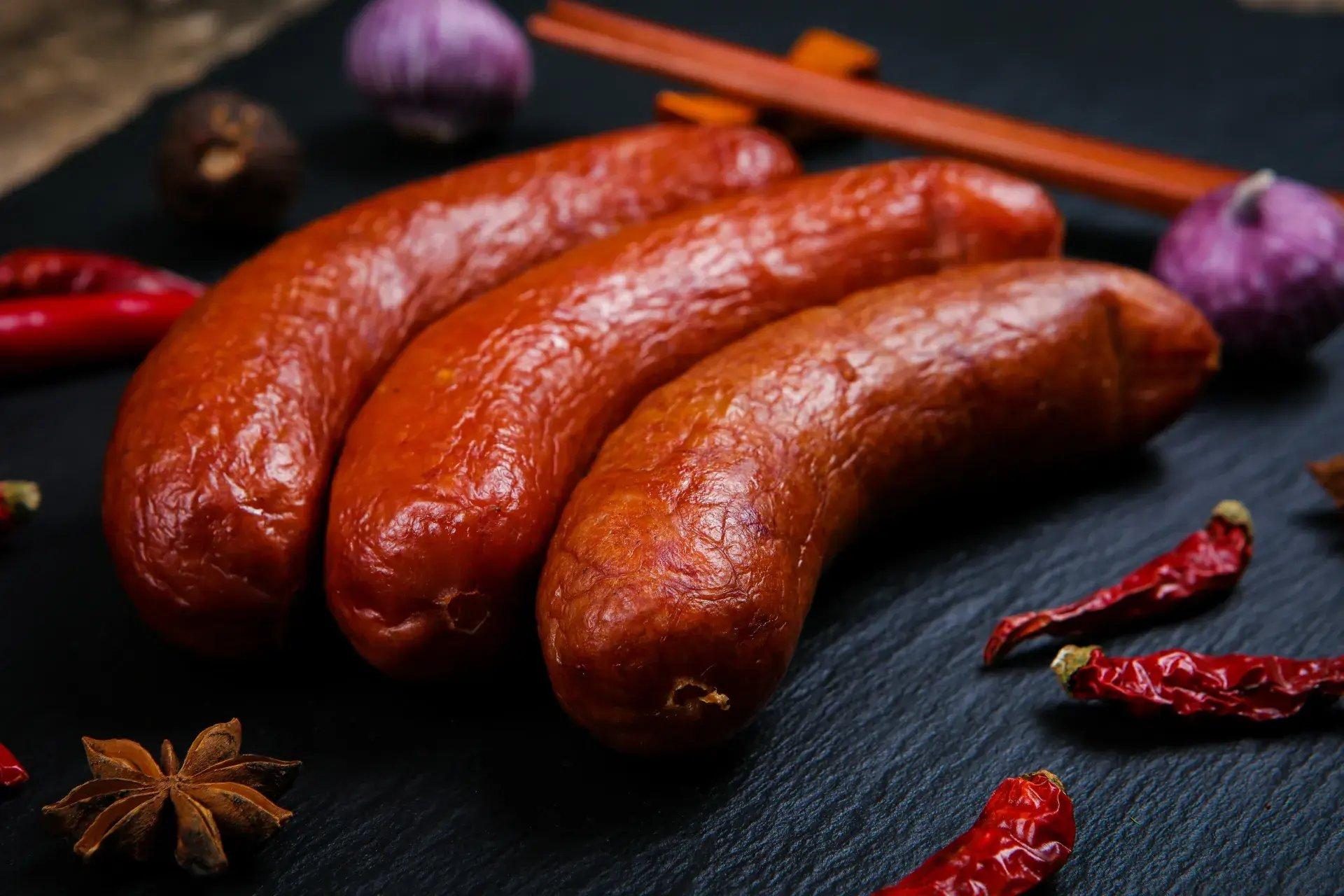
Harbin Red Sausage

Harbin Red Sausage

Originating from Russia, Harbin Red Sausage is a type of sausage made from pork, starch, garlic, and other ingredients. It has a jujube-red color and a rich, delicious taste.

This sausage is made through multiple processes, giving it a unique smoky flavor.

  • Marinating
  • Stuffing
  • Filling
  • Baking
  • Boiling
  • Smoking

It is fatty but not greasy and is nutritionally rich.

Harbin Red Sausage is not only an authentic Northeastern specialty but also a cultural symbol with a hundred years of history.

It can be consumed directly or used in cooking:

  • Direct eating
  • Frying
  • Stir-frying
  • Boiling in soups
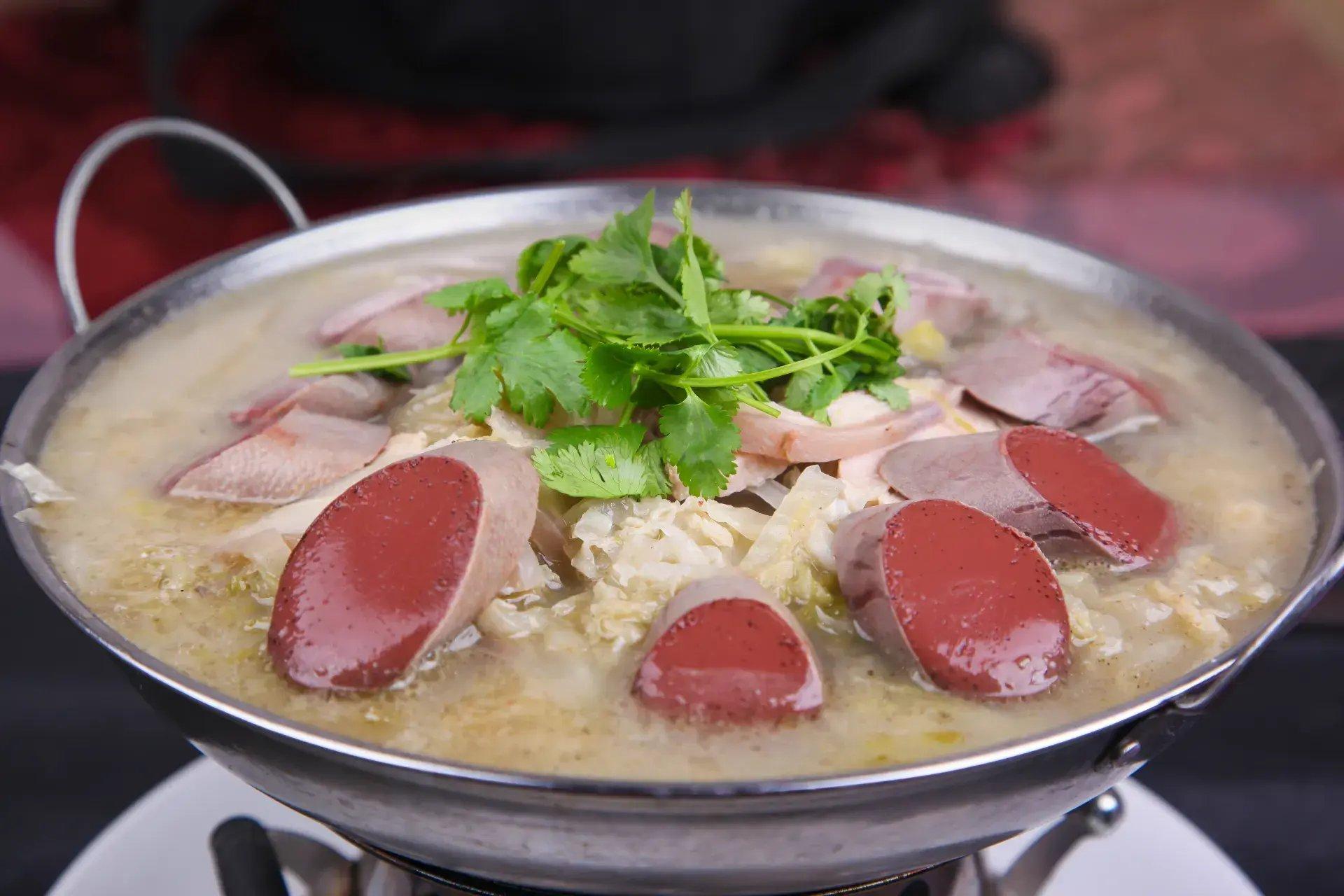
Pig Slaughter Dish

Pig Slaughter Dish

Pig Slaughter Dish is a Northeastern specialty cuisine, particularly popular in the Harbin area.

It is a series of stewed dishes cooked from various parts of the pig.

This dish originates from the traditional practices of Northeastern rural areas, where every household would cook Pig Slaughter Dish during the pig slaughtering season at the end of the year.

It has now developed into a representative delicacy of Harbin.

The preparation is exquisite, with main ingredients including pork belly, blood sausage, pickled vegetables, etc.

Various seasonings are added during cooking, making the dish both delicious and not greasy, much loved by diners.

Best Time to Visit

Optimal period is winter, December to February, coinciding with the ice festival that officially starts January 5 but often opens in late December.

The optimal period to visit Harbin is during the winter months, specifically from December to February. This season offers the unique experience of the Harbin International Ice and Snow Festival, which officially starts on January 5th but often opens for visitors in late December.

The festival showcases magnificent ice and snow sculptures, and visitors can engage in various winter activities such as skiing and ice fishing. Despite the cold, with temperatures dropping as low as -38.1 degrees Celsius, the city's transformation into a winter wonderland is a sight to behold and attracts tourists from around the globe.

For those interested in less crowded times, it is advisable to avoid peak days and visit after the opening ceremonies or in February.

Attraction Highlights

Attractions include the Siberian Tiger Park with over 1,000 tigers, Songhua River cableway offering panoramic views, St. Sophia Cathedral, and Sophia Square.

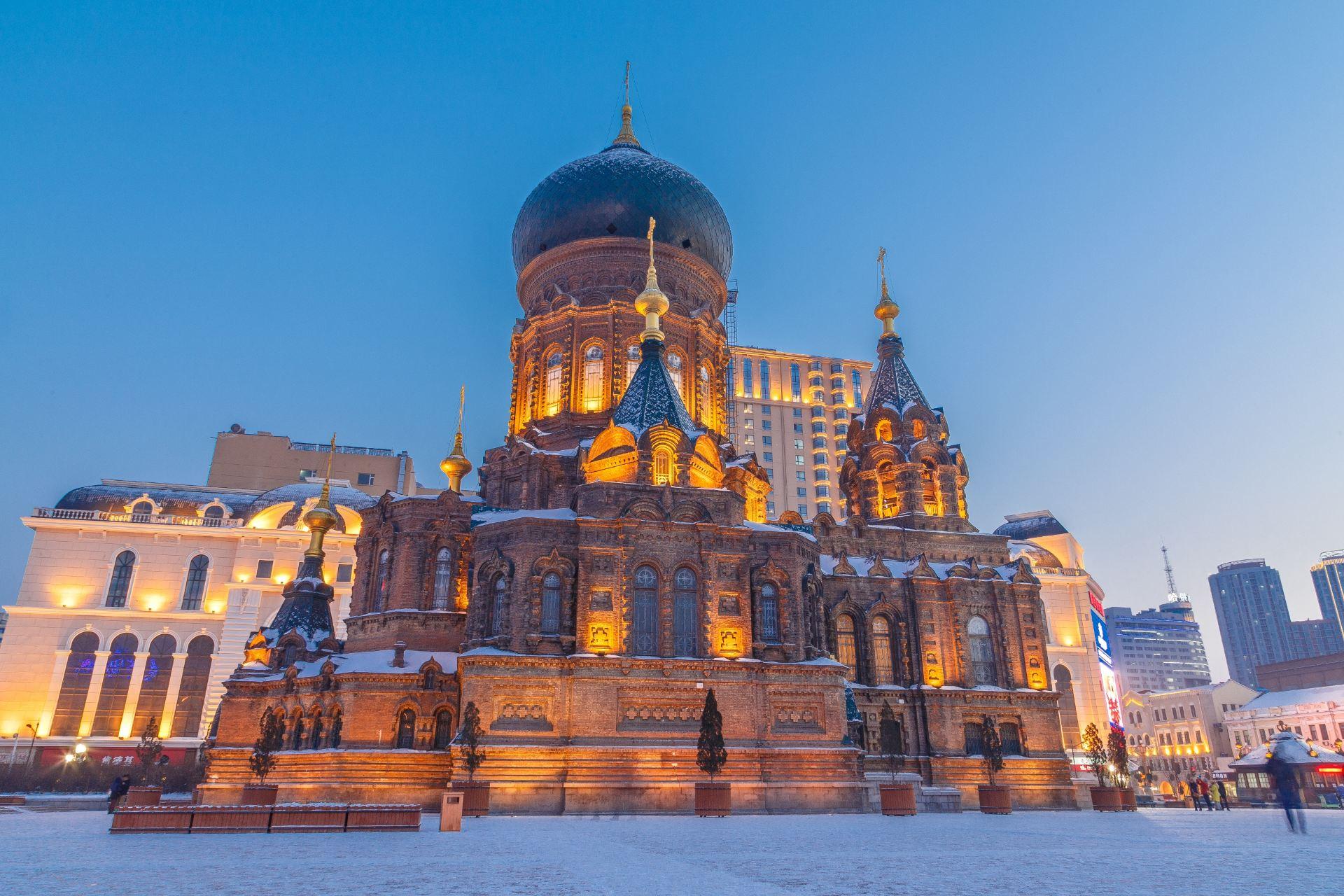
Saint Sophia Cathedral

Saint Sophia Cathedral

圣索菲亚大教堂

Built in 1907, Saint Sophia Cathedral is a striking Byzantine-style landmark in Harbin, famed for its onion-shaped dome. Now functioning as the Harbin Architecture Art Gallery, this beautifully preserved building captivates visitors with its exotic architecture and remains a beloved symbol of the city.

1-2 hours
25 CNY

FAQ

What's the most popular attractions in Harbin?
The most popular attractions in Harbin include Harbin Polar Museum, Harbin Wanda Theme Park, and Northeast Tiger Forest Park.
Things to do near Harbin for family & child?
For family and child-friendly activities near Harbin, try Harbin Wanda Theme Park, Harbin Polar Museum, Harbin Wanda BMW Snow Park, Northeast Tiger Forest Park, and Poseidon Ocean Kingdom in Harbin.
Any recommended attractions about nature scenery in Harbin?
Recommended nature scenery attractions in Harbin include Jinlong Mountain National Forest Park, Heilongjiang Forest Botanical Garden, Hulanhekou Wetland Scenic Area, Snow Valley, and Pingshan Shenlu Tourist Area.
How to get to Harbin from Nanjing?
The recommended way to get to Harbin from Nanjing is by plane.
How to get to Harbin from Guangzhou?
You can book a flight from Guangzhou to Beijing more than two weeks in advance, then take a train from Beijing to Harbin. This is more cost-effective in both time and money. In Harbin, you can enjoy ice sculptures, snow scenes, and skiing.
How to get to Mohe from Harbin?
Direct flights are available from Harbin to Mohe. There are also three daily direct trains to Mohe. For the train, it is recommended to take the express service, which arrives in the evening.
Last updated 10/8/2026 · published