Hangzhou

China · Zhejiang

Hangzhou

West Lake beauty and tea fields

Best for

West Lake SceneryTea CultureBuddhist TemplesUNESCO Sites

Recommended stay

2–3 days

Best season

Mar.–May & Sep.–Nov.

Location

China, Zhejiang

Snapshot

City Snapshot

A city at a glance

6 dimensions · 1–5 scale

PandaLoco's read of six travel-relevant dimensions on a 1–5 scale, built from public datasets and our travel criteria.

It describes the city's profile. It is not a ranking of better or worse cities.

Basis: Public datasets and PandaLoco travel criteria

Overview

Hangzhou’s beauty centers on West Lake, a UNESCO Site. Explore Lingyin Temple, Xixi Wetlands, and Dragon Well tea fields.

Ideal Pace

2–3 days

Seasonal Window

Mar.–May & Sep.–Nov.

Overview

Hangzhou captivates with West Lake, Lingyin Temple, and Dragon Well tea fields—a blend of natural beauty and cultural heritage.

Brief Guide

Hangzhou, the capital of Zhejiang Province, is renowned for its extraordinary beauty and elegance, making it one of China's most impressive tourist destinations. Historically significant and naturally stunning, Hangzhou and nearby Suzhou are celebrated as "Heaven on Earth." Located in East China's Yangtze River Delta and northern Zhejiang, Hangzhou is a major commercial and trade city with an urban population of about 12 million. It comprises 10 urban districts, with Gongshu District as the central heart offering convenient transportation, while Xihu District to the west is home to the famous West Lake. For centuries, Hangzhou has been known for its fine silk and tea production, but it gained political importance during the Southern Song Dynasty (1127–1279 AD) when the emperor moved the capital here. The city's wealth and commerce grew further in the Ming Dynasty after the construction of the Grand Canal—the oldest and longest canal in the world—linking Hangzhou to Beijing and ocean trade routes. Today, Hangzhou remains an economic center of east-central China. From the beautiful West Lake and romantic bridges to tranquil tea plantations and ancient shrines, Hangzhou is a top tourist destination. With countless awe-inspiring scenic spots, visitors need several days to explore the highlights. Unforgettable experiences include a sunset stroll or bike ride around West Lake, visiting picturesque water towns like Wuzhen and Xitang, learning about tea culture, or seeing giant pandas at Hangzhou Zoo.
Getting There & Around

Hangzhou Xiaoshan International Airport (HGH); metro with 12 lines covers West Lake, Xixi Wetlands, and Qiantang CBD.

How to Get There

Hangzhou, the scenic capital of Zhejiang Province, is a well-connected transportation hub accessible by air, rail, bus, or road from international and domestic locations.

  • By Air: Hangzhou Xiaoshan International Airport (HGH) is the primary gateway, located about 40 km (25 miles) east of downtown. It serves over 150 international and domestic routes. To reach the city center, take Metro Lines 1, 7, or 19. Airport shuttles cost ¥20 to key hubs (70 minutes, departing hourly), or taxis cost ¥100–150 depending on traffic
  • By Train: Hangzhou East Station and Hangzhou West Station are the main hubs for high-speed trains (G-series) connecting to popular destinations like Shanghai (45 minutes), Beijing (4.5 hours), and Guangzhou (6.5 hours). Hangzhou Railway Station offers conventional trains and select high-speed routes (e.g., to Ningbo). All stations connect to Metro Lines 1, 4, 5, and 19
  • By Bus: Major terminals include Jiubao (east) for regional routes (e.g., Shaoxing) and West Bus Station for routes to Anhui and Jiangxi
  • By Road: Driving or private transport is possible via expressways like the G60 (to Shanghai) or G25 (to Ningbo). Road travel is less recommended for international visitors due to complex driving regulations and language barriers

Local Transportation

  • Metro: An extensive network of 12 lines covers all major attractions, including West Lake, Xixi Wetlands, and Qiantang CBD. Operating hours are 5:50 AM–11:30 PM (midnight on Fridays and Saturdays for Lines 1, 2, and 4). Fares range from ¥2 to ¥14 based on distance; payment can be made via single-ride tickets, Alipay/WeChat QR codes (scan at gates), or the Hangzhou Tong card
  • Buses: An extensive network supplements the metro, extending to suburban areas like Longjing Tea Village. Fares are ¥1–4, payable with cash (exact change), Hangzhou Metro card, or mobile payments. There are no English announcements; use Gaode Maps or Amap for route planning
  • Taxis & Ride-Hailing: Taxis are widely available; DiDi offers ride-hailing with an English interface
  • Bicycles: Shared bikes such as HelloBike (blue) and Meituan (yellow) cost approximately ¥1–2 per 30 minutes via mobile apps

Practical Information

Mandarin with English signage in tourist areas. WeChat/Alipay for payments. eSIMs for internet.

Local Language

Mandarin Chinese is the official language. English signage is widespread in tourist areas, but English is not widely spoken.

Local Apps

  • WeChat: China’s all-in-one app for messaging, social media, and digital payments. English interface available
  • Alipay: A leading payment app for cashless transactions at restaurants, shops, and public transport. Its “Transport” feature supports metro and taxi payments. English version available
  • DiDi: China’s top ride-hailing app, offering taxi and private car services with an English interface. Integrates with Alipay or WeChat for seamless payments
  • Gaode Maps: The most reliable navigation app in China, offering detailed maps, real-time traffic, and transit routes for metro and buses. Superior to Google Maps for local accuracy
  • Alternative: Amap
  • Youdao Dictionary: A Chinese-English dictionary and translation app, perfect for communicating with non-English-speaking taxi drivers or reading menus. Includes offline OCR for scanning signs

Internet and Communication

Staying connected in Hangzhou is essential for navigation, payments, and communication, given China’s reliance on mobile apps and limited access to some Western services. eSIMs: eSIMs are a convenient option for travelers, enabling instant activation without the need for a physical SIM card. Purchase online before your trip; activate upon arrival. Ensure your device supports eSIM.

  • Local SIM Cards: Local SIMs from providers like China Mobile, China Telecom, or China Unicom offer reliable 4G/5G coverage in Hangzhou. Available at airports or official provider shops. Present your passport at the time of purchase; airport staff can assist with setup. China Unicom often has better English support
  • Wi-Fi: available in hotels, hostels, and some cafes (e.g., Starbucks) but less common in public spaces like parks or streets. Many Wi-Fi networks require a Chinese phone number for SMS verification

Currency and Payment

The official currency is the Chinese Yuan (CNY, ¥), also known as Renminbi (RMB). Notes come in denominations of ¥1, ¥5, ¥10, ¥20, ¥50, and ¥100; coins are available in denominations of ¥0.1, ¥0.5, and ¥1.

  • Digital Payments: Hangzhou is largely a cashless city, with mobile apps dominating transactions. WeChat Pay and Alipay are widely accepted. Link a foreign bank card (Visa/Mastercard) to WeChat or Alipay before arrival
  • Cash: Cash is rarely needed but can be useful for small vendors (e.g., street food stalls), single-ride tickets on public transportation, or in rural areas. Carry small denominations (¥1–20) for convenience
  • Credit/Debit Cards: Visa and Mastercard are accepted at major hotels, upscale restaurants, and some retailers, but less common at smaller venues. American Express is rarely accepted. Notify your bank of travel plans to avoid card blocks
  • ATMs and Cash Withdrawals: ATMs accepting foreign cards (Visa/Mastercard) are widely available at banks, airports, and shopping areas. Most offer English interfaces. Look for PLUS (Visa) or Cirrus (Mastercard) logos. American Express is rarely accepted, except at select ATMs in airports or high-end hotels
  • Fees: ¥10–15 per withdrawal (some banks waive for partners)
  • Home bank fees: ~3% + $5 (check your issuer)
  • Currency conversion fee: 1–3% (Visa/Mastercard rate)
  • Reliable Banks: Bank of China, ICBC, China Construction Bank, HSBC China

Top Experiences

Savor West Lake’s beauty: stroll causeways, view Leifeng Pagoda at sunset, and enjoy ‘Impression West Lake’ show.

Must-try Local Experiences

Savor West Lake's

  • Timeless Beauty: Stroll along West Lake's paths, where Su Causeway and Bai Causeway connect Liu's Willows, Broken Bridge's snowy legends, and Leifeng Pagoda's sunset glow. Sail to Three Pools Mirroring the Moon, where pagodas reflect soft light. Enjoy "Impression West Lake" or a fountain light show. Rowboats glide to quiet Maojiabu Village and Yuhu Bay, revealing Hangzhou's serene charm
  • Wander Historic Streets: Stroll through Qinghefang, Southern Song Imperial Street (Nan Song Yu Jie), and Xiaohe Straight Street (Xiaohe Zhijie), lined with ancient shops and canal-side homes. Taste scallion pancakes, buy silk scarves, or choose tea leaves and porcelain souvenirs. These lanes pulse with Hangzhou's old trade and modern craft, blending river-town charm with lively stalls
  • Cruise the Grand Canal: Board a water bus along the Grand Canal from Wulinmen Wharf to Gongchen Bridge, passing Xiangji Temple's Tang Dynasty arches. See whitewashed homes and bridges. At night, lanterns cast reflections, framing a classic Chinese river scene. This journey captures Hangzhou's canal heritage with historic charm
  • Dive into Tea Culture: Visit Longjing Tea Culture Village or Meijiawu, strolling through emerald tea fields. Pick leaves or learn to roast Longjing tea, then sip its nutty flavor in a teahouse. In April and May, buy fresh tea harvests. This centuries-old tradition, famed since the Ming Dynasty, offers Hangzhou's calm elegance
  • Explore Ancient Temples: Discover Lingyin Temple, framed by lush hills, with Feilai Peak's 470+ Buddhist carvings. Jingci Temple, a Zen retreat, serves tea in serene courtyards. Three Tianzhu Temples echo with chants. These sacred sites, central to Hangzhou's Buddhist history since the Song Dynasty, blend spirituality and stunning scenery
  • Enjoy Traditional Opera: Experience Yue opera, China's second-largest opera genre, at Hangzhou Theater. The Small Hundred Flowers Troupe performs "Butterfly Lovers," a Chinese Romeo and Juliet, weaving a tragic love story. Vibrant costumes and soaring melodies, born in Zhejiang's 100-year tradition, captivate with emotional drama, enchanting global visitors through universal tales of passion. Taste Hangzhou's
  • Delicacies: Savor Hangzhou dishes at local eateries. Try West Lake carp in vinegar sauce, slow-cooked Dongpo pork, or Longjing shrimp infused with tea. Sample scallion pancakes, ding sheng cakes, or cat's ear noodles. Hefang Street's stalls serve these fresh, light flavors rooted in Hangzhou's Song Dynasty culinary heritage
  • Witness the Qiantang Tidal Bore: Experience the Qiantang River's tidal bore, a massive wave surging like wild horses, viewed from Tide-Watching Site or Jiubao Bridge. Peaking in mid-autumn, this natural spectacle, rooted in Hangzhou's river history, draws crowds to see the roaring tide that names Zhejiang
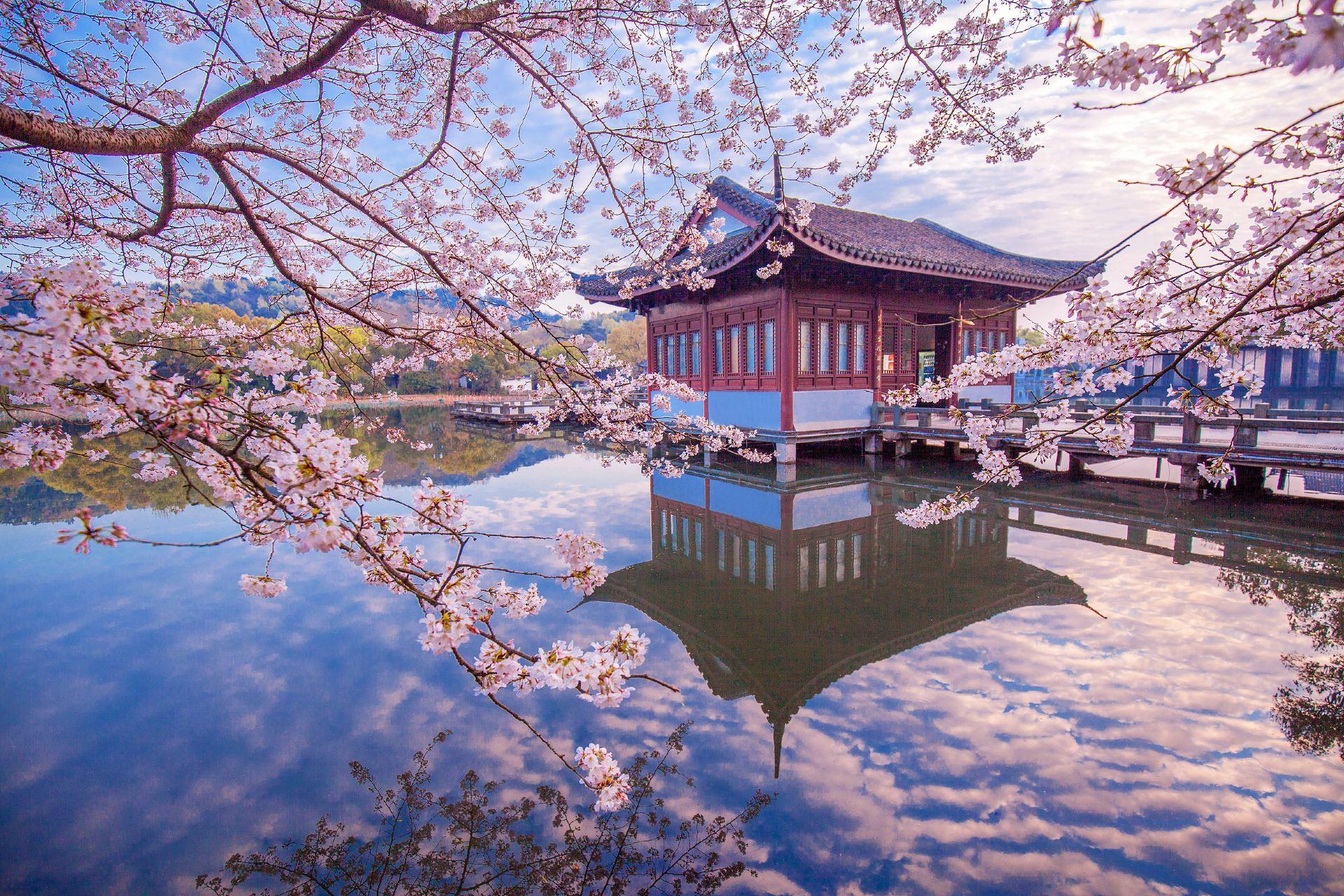
  • Chase Seasonal Blooms: In March, West Lake's cherry and peach blossoms bloom vibrantly. August brings lotus flowers to curved bridges. September's osmanthus scents fill the air. February's plum blossoms glow at Lingfeng or Xixi Wetland. Hangzhou's seasons weave a rich floral collection across its lakes and hills. Discover Autumn's
  • Red Hues: In October, Tianmu Mountain and Manjuelong Village burst with red maples. Hupao Park's trails and Lingyin's paths glow with golden ginkgoes. Hike ancient routes where vibrant leaves frame Hangzhou's hills, a fall spectacle tied to the city's forested heritage since the Tang Dynasty. Explore Hangzhou's
  • Scenic Outdoor Trails: Explore Hangzhou's forest trails, from Longjing Tea Culture Village to Jiuxi Scenic Area's babbling streams. Yunqi Bamboo Path winds through towering groves. Climb Beigao Peak for sweeping views or trek Linglong Mountain past tea fields and villages. These paths unveil Hangzhou's lush hills and natural splendor

Food Highlights

West Lake Vinegar Fish, Hangzhou Xiaolongbao, Sister Song’s Fish Soup, Dongpo Pork, Pian Er Chuan noodles.

Hangzhou's cuisine is renowned for its traditional craftsmanship and rich historical and cultural background. From the sweet and sour West Lake Vinegar Fish, the delicious Song Sao Fish Soup, the classic Dongpo Pork, to the uniquely textured Hangzhou Xiaolongbao and the century-old Pian Er Chuan noodles, each dish is a delicate interpretation of taste and a heritage of tradition.

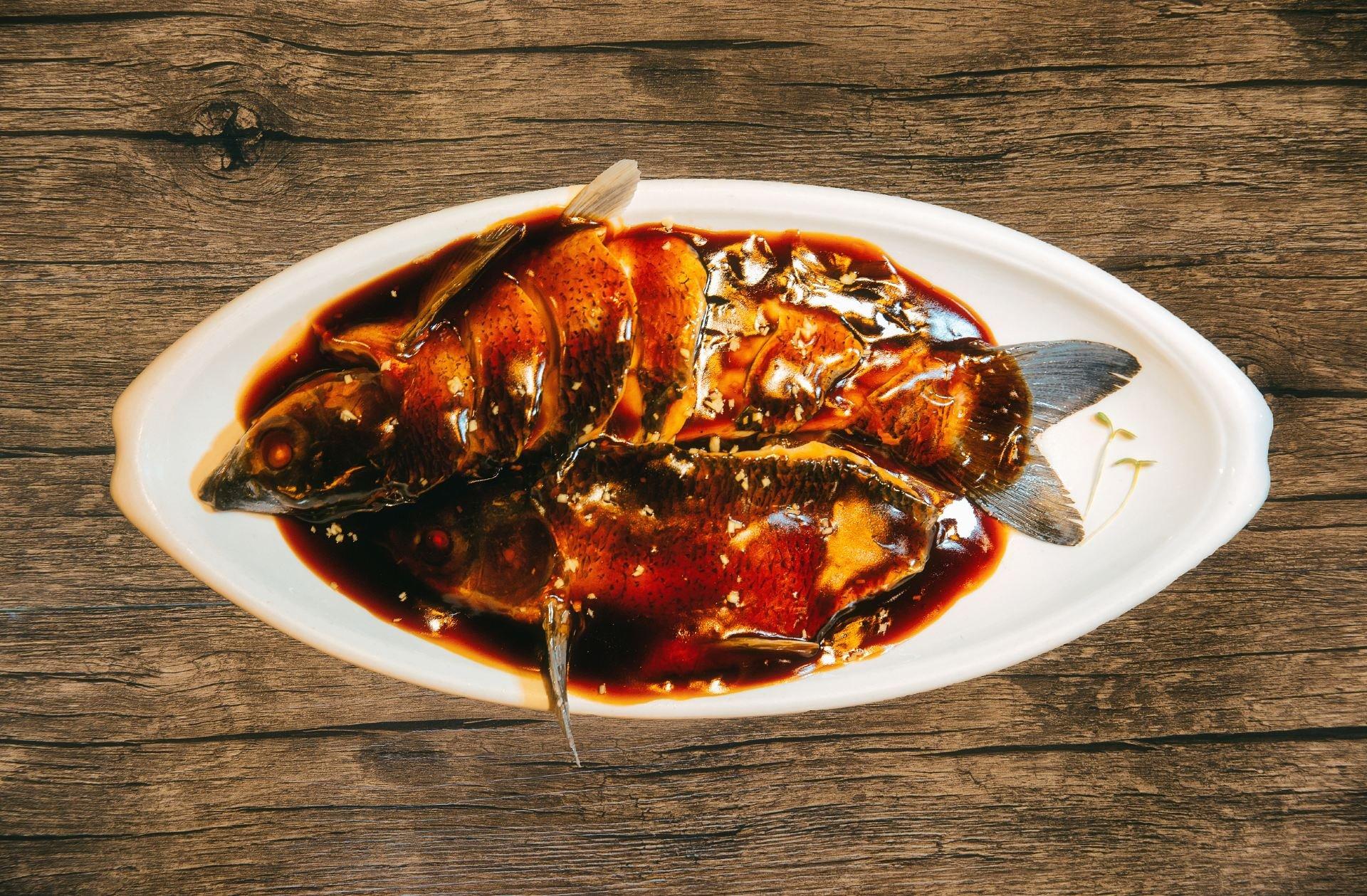
West Lake Vinegar Fish

West Lake Vinegar Fish

West Lake Vinegar Fish is a traditional specialty dish of Hangzhou, made mainly with grass carp, cooked through a special process, with a bright red color, sweet and sour taste, and tender meat quality. This dish originated in the Southern Song Dynasty and has a long historical and cultural background. It was once tasted by Emperor Gaozong of the Southern Song Dynasty and highly praised, thus gaining great fame.

When cooking, attention must be paid to the heat and seasoning to ensure the tenderness of the fish and the smoothness and brightness of the sweet and sour sauce. It is very popular with diners for its sweet and sour taste when eaten.

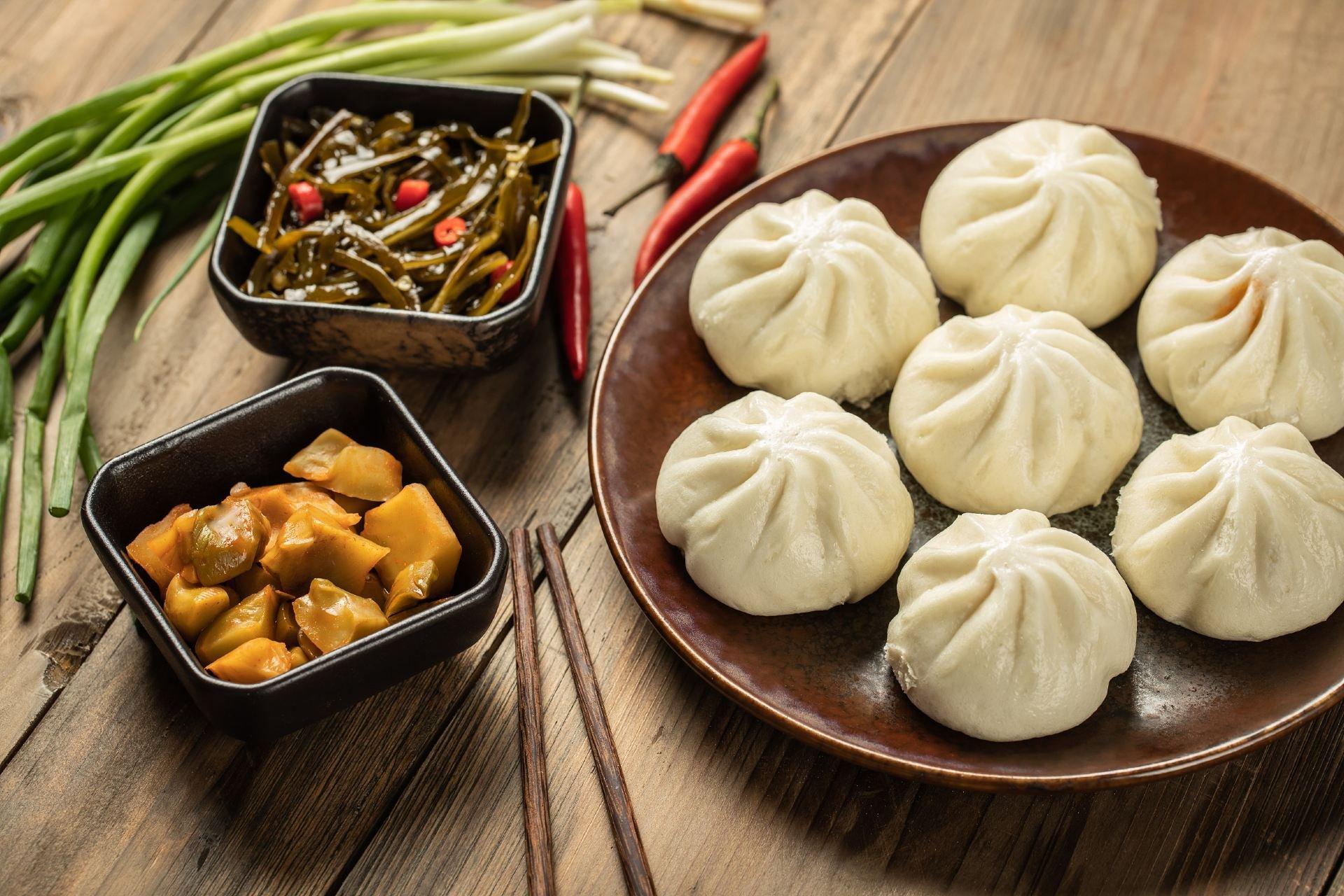
Hangzhou Xiaolongbao

Hangzhou Xiaolongbao

Hangzhou Xiaolongbao are known for their thin, elastic skin, tender meat filling, abundant juice, fresh taste, and beautiful shape.

  • Skin: Thin and elastic, made from flour and water, kneaded and stretched repeatedly.
  • Filling: Typically includes pork, shrimp, and dried bamboo shoots, offering a fresh flavor.

However, authentic Hangzhou Xiaolongbao are rare in Hangzhou itself; instead, Shengzhou Xiaolongbao are widely sold across the country under the name "Hangzhou Xiaolongbao."

Sister Song's Fish Soup

Sister Song's Fish Soup

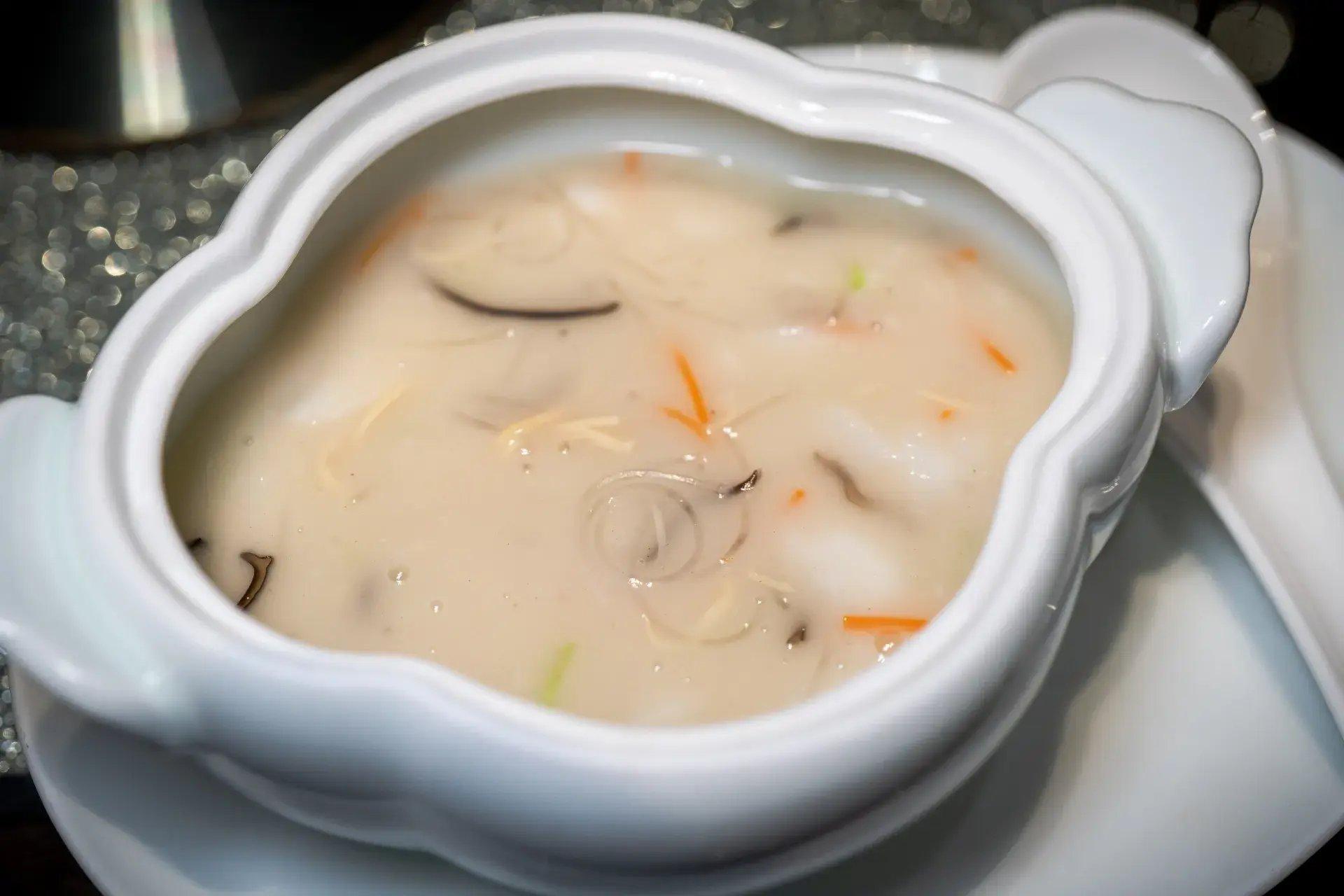
Sister Song's Fish Soup is a traditional Hangzhou delicacy that originated during the Chunxi period of the Southern Song Dynasty. It was created by Sister Song, who originally came from Bianjing in the Northern Song Dynasty and became famous selling fish soup by West Lake.

The dish uses mandarin fish or perch as the main ingredient, which is steamed, deboned, and then cooked with ham shreds, mushrooms, bamboo shoot tips, and chicken broth. The result is a shiny, tender, and smooth soup with a flavor reminiscent of crab meat. Beyond its taste, the dish carries rich cultural stories and is an indispensable classic of Hangzhou cuisine.

Dongpo Pork

Dongpo Pork

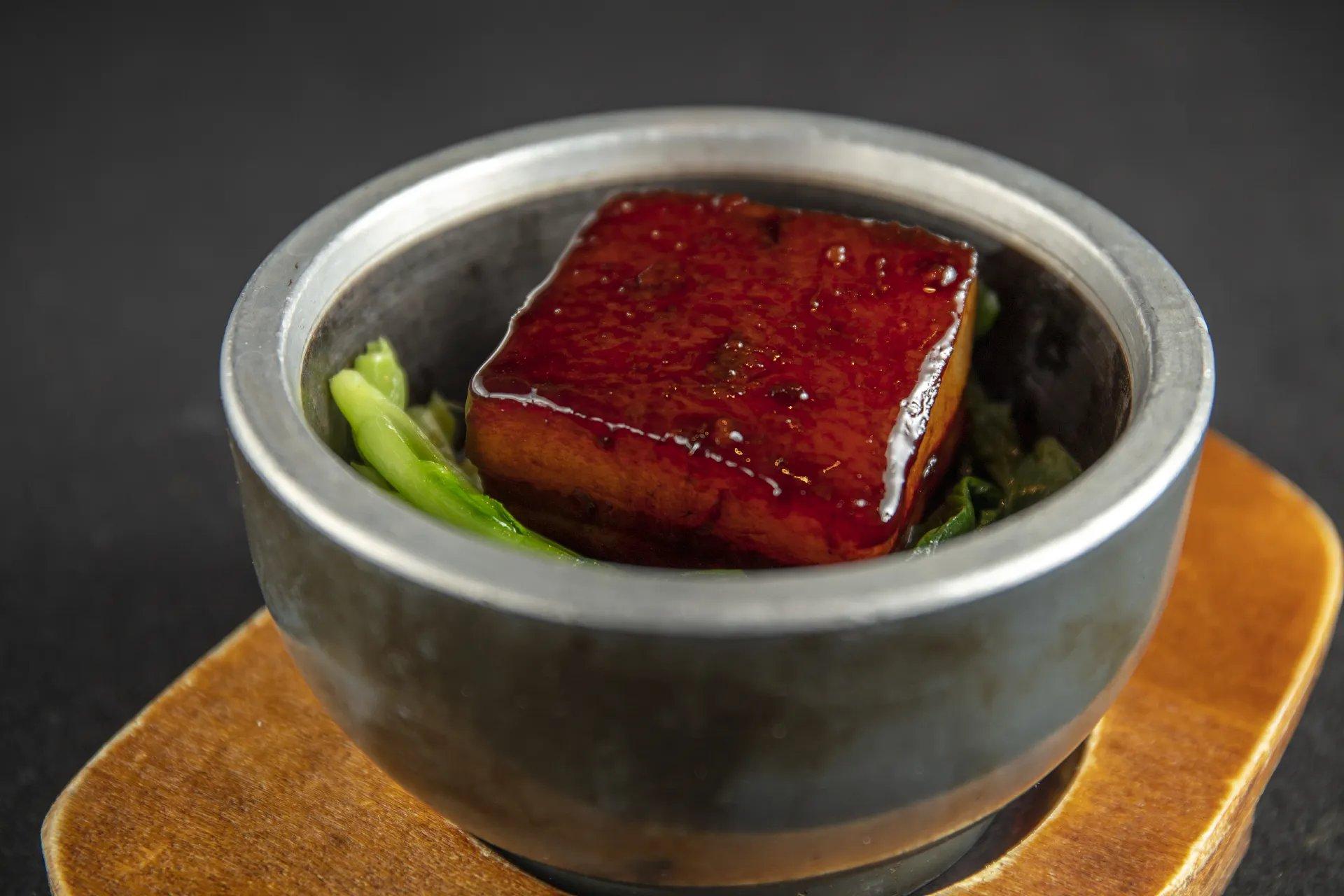
Dongpo Pork is a traditional Hangzhou dish made from pork, characterized by its bright red color, soft but not mushy texture, and rich yet non-greasy taste. The dish is named after the Northern Song Dynasty poet Su Dongpo, who, as governor of Hangzhou, is said to have made braised pork to thank the people for their support during flood control efforts.

It is typically made with half-fat, half-lean pork, slow-cooked in a clay pot, and can be served with vegetables like baby bok choy to enhance the flavor.

Pian Er Chuan Noodles

Pian Er Chuan Noodles

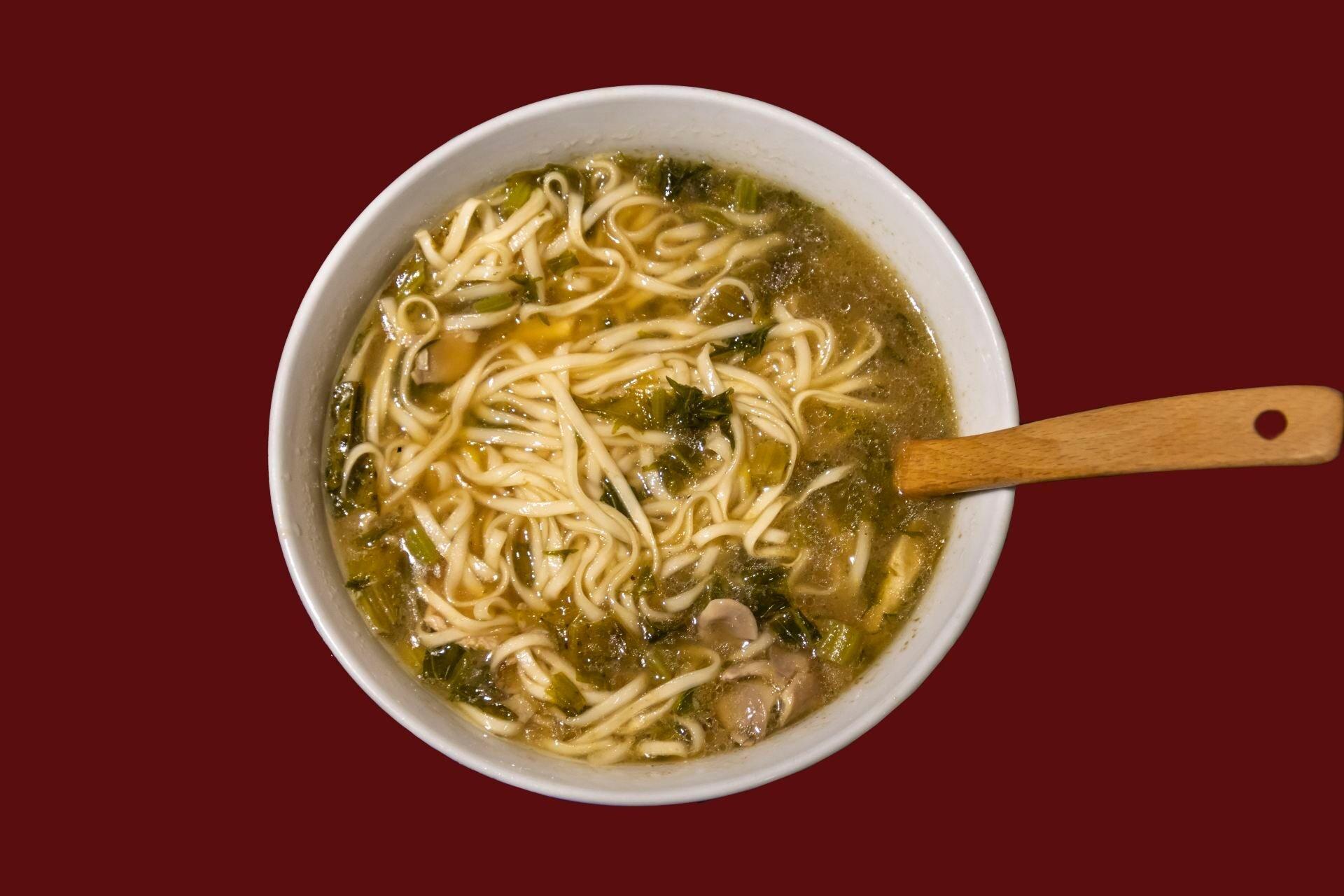
Pian Er Chuan Noodles are a famous dish from Hangzhou's Kui Yuan Guan restaurant and a traditional local snack. The noodle toppings mainly consist of preserved vegetables, bamboo shoot slices, and lean meat slices, which are delicious and appetizing. With a history of over a hundred years, this dish was first created by the old Hangzhou restaurant Kui Yuan Guan.

Its specialty lies in the freshness of the preserved vegetables and bamboo shoots, leaving a lasting impression on diners. To prepare, pork leg and bamboo shoot meat are cut into long, thin slices, stir-fried with preserved vegetables, and then poured over cooked noodles. The noodles are smooth, the soup is rich, the meat slices are tender, and the bamboo shoots are crisp.

Best Time to Visit

Spring (Mar.–Apr.) for blossoms and autumn (Sep.–Nov.) for clear skies and mild temperatures.

Spring (March–April) and fall (September–November) are Hangzhou’s prime seasons, offering mild weather, vibrant natural beauty, and ideal conditions for exploring UNESCO sites like West Lake and ancient tea fields.

Spring temperatures range from 10–22°C (50–72°F), with occasional drizzle and plum rain in late April. Peach and cherry blossoms peak at West Lake’s Bai Causeway in late March, and tea-picking season in Longjing Village runs from late March to April.

Summer is hot and humid, 25–35°C (77–95°F), with frequent thunderstorms. West Lake’s Quyuan Garden lotus blooms from June to August, turning the lake into a pink sea.

Fall is crisp and sunny, 14–26°C (57–79°F), with minimal rain. Golden ginkgos appear at Wuyun Mountain and red maples at Nine Creek Misty Forest, peaking from late October to November.

Winter is chilly and damp, 1–10°C (34–50°F), with rare light snow and fewer crowds.

  • Spring Festival fireworks
  • temple fairs at Hefang Street
  • light displays

Attraction Highlights

West Lake (UNESCO), Lingyin Temple, Hangzhou Songcheng Park, Xixi National Wetland Park, Thousand Island Lake.

Lingyin Temple

Lingyin Temple

灵隐寺

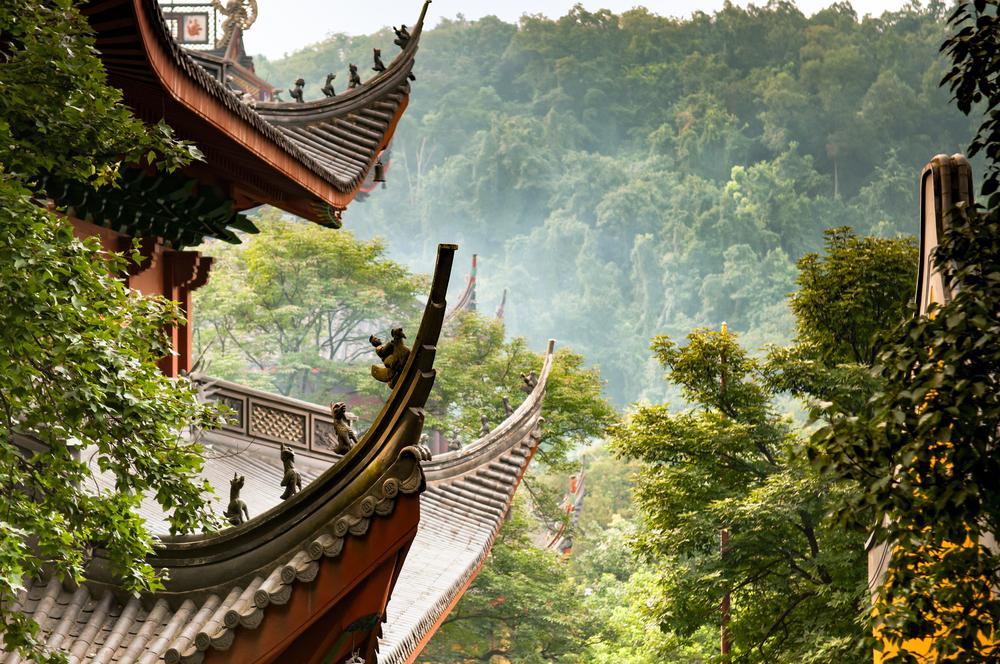
Nestled at the foot of Lingyin Mountain near West Lake, Lingyin Temple is Hangzhou’s oldest Buddhist sanctuary, founded over 1,700 years ago. Its halls house imperial calligraphy, ancient pagodas, and rare sutras. Behind it, Feilai Peak features hundreds of historic cave statues, drawing pilgrims and visitors year-round.

1-3 hours
Free
Hangzhou Songcheng Park

Hangzhou Songcheng Park

杭州宋城

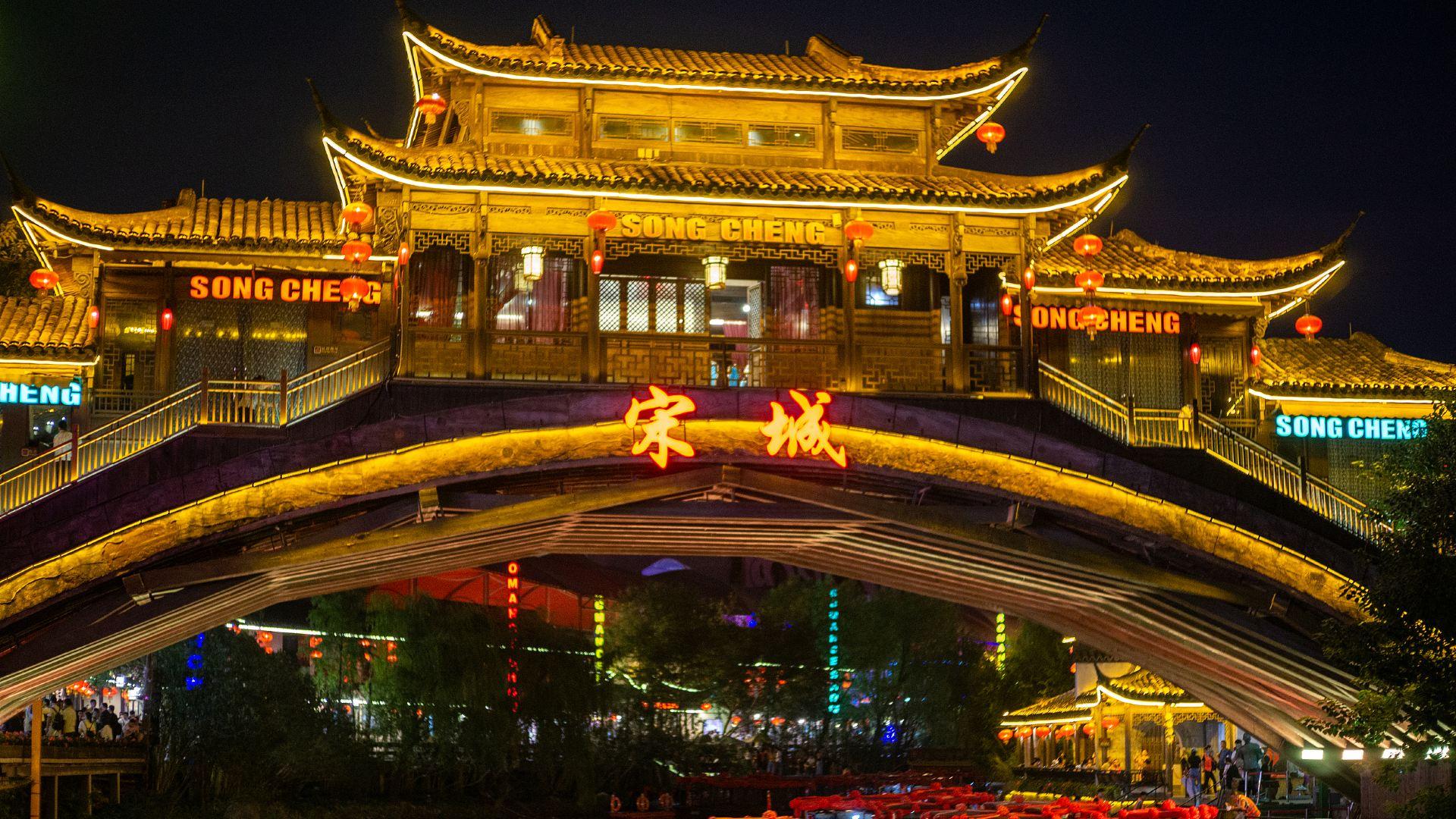
Hangzhou Songcheng Park brings the Song Dynasty to life with bustling streets, traditional architecture, and hundreds of performances across 20 theaters. Highlights include the acclaimed 'Songcheng Eternal Love' show, immersive experiences like the Riverside Cinema, and riverside boating through Jiangnan scenery, offering a vivid journey into ancient China.

0.5-1 day
270 CNY
West Lake

West Lake

西湖风景名胜区

West Lake epitomizes Hangzhou’s beauty, with its famed Ten Scenes blending nature and culture. Stroll along the shores to discover Buddhist, Taoist, and tea traditions amid a landscape recognized as a UNESCO World Heritage Site. The vast scenic area encompasses over 100 attractions, offering serene, timeless charm.

0.5-1 day
Free
Xixi National Wetland Park

Xixi National Wetland Park

西溪国家湿地公园

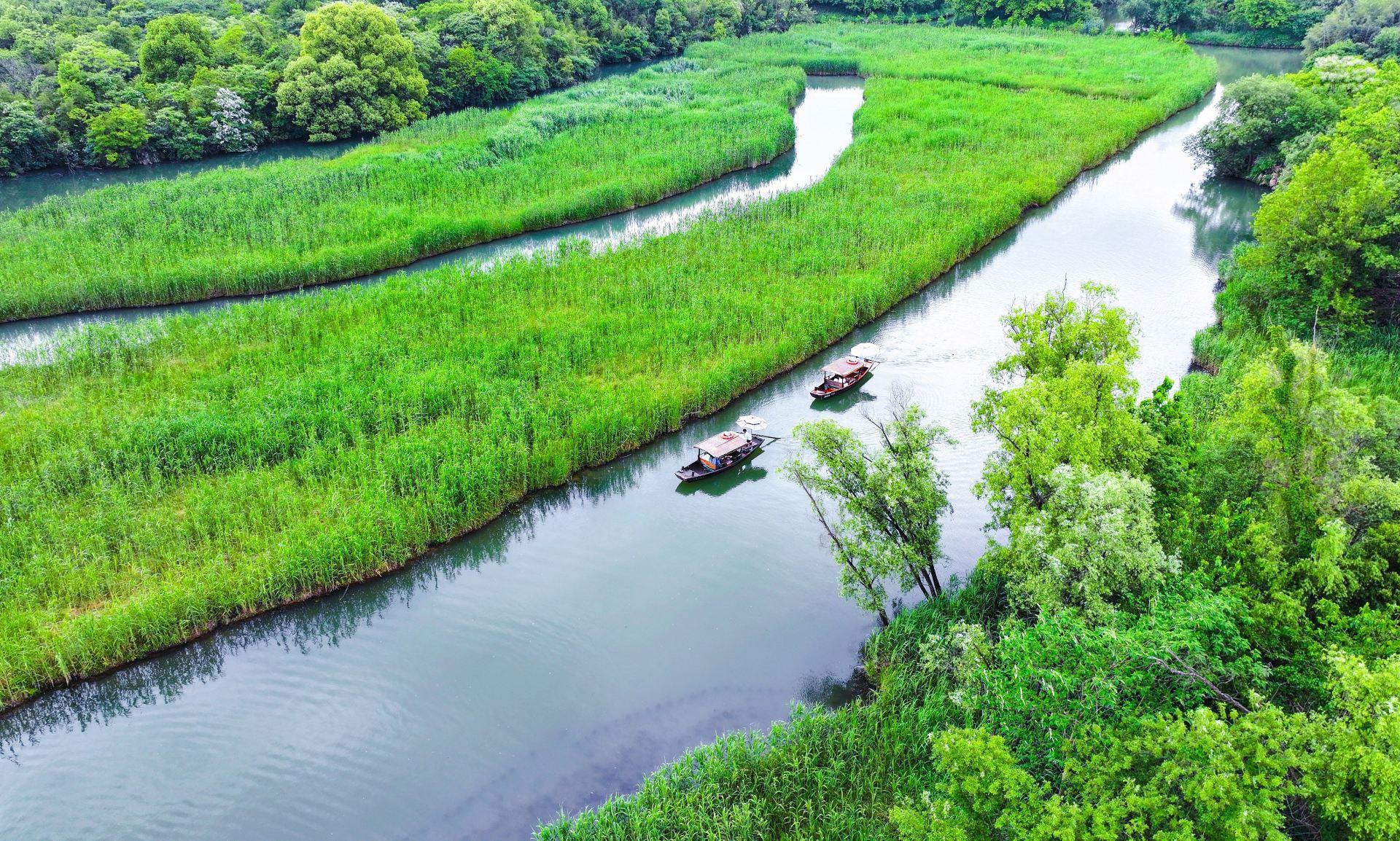
Xixi National Wetland Park, just 5 km from West Lake, spans about 10.38 km² and blends urban, agricultural, and cultural wetlands. Its ten scenic spots include Autumn Reeds Flying Snow and Fishing Village Misty Rain, while three embankments and a 300-acre plum forest highlight its serene, poetic charm.

0.5-1 day
80 CNY
Thousand Island Lake

Thousand Island Lake

千岛湖景区

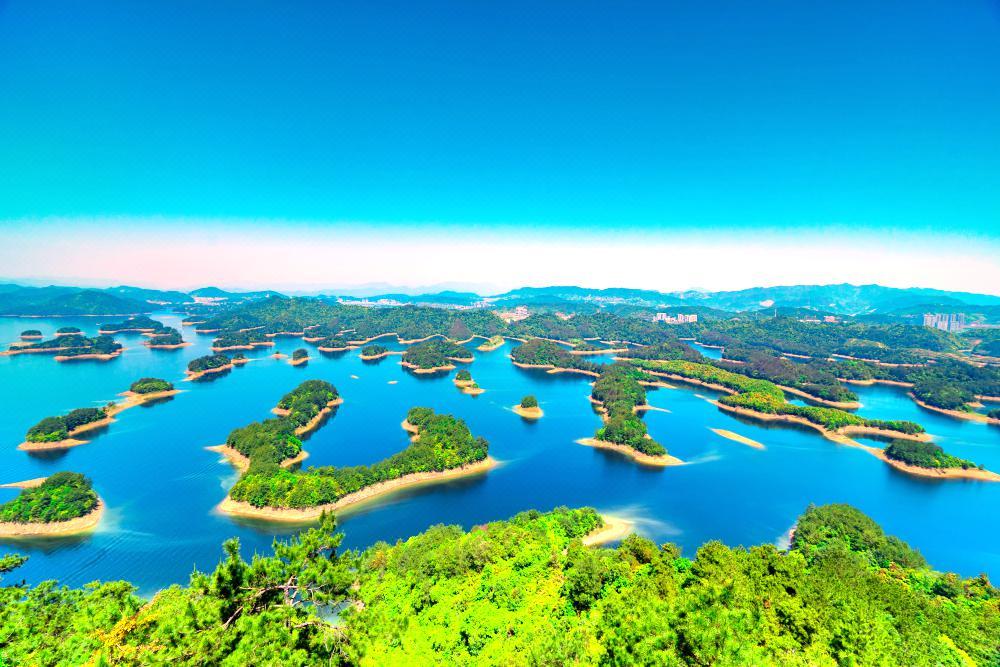
Thousand Island Lake is a vast man-made reservoir spanning 580 square kilometers on the upper Xin'an River, midway between Hangzhou and Mount Huangshan. Named for its 1,078 islands, it boasts crystal-clear waters and scenic beauty. Highlights include Meifeng Island, Monkey Island, the Stone Forest, and summer rafting spots.

1-2 days
185 CNY

FAQ

What's the most popular attractions in Hangzhou?
The most popular attractions in Hangzhou include Hangzhou Songcheng Park, Xixi National Wetland Park, and West Lake.
Things to do near Hangzhou for family & child?
Consider visiting Hangzhou Songcheng Park, Lingyin Temple and Feilai Peak Scenic Spot, Hangzhou Safari Park, Hangzhou Paradise Park, or Hangzhou Zoo.
How to get to Wuyuan from Hangzhou?
You can take a train or drive from Hangzhou to Zhangzhou, then transfer to Wuyuan. There are 16 fast trains daily from Hangzhou West Bus Station to the Hangzhou Long-distance Passenger Transport Center. The entire journey is on highways and takes about 3 hours. There are also many train options: express trains take about 3 hours, while slower ones take 4-5 hours. From Zhangzhou long-distance bus station, there are 4 buses to Wuyuan daily, departing at 6:00, 9:30, 11:00, and 12:30, with a travel time of just over 4 hours.
How to get to Nanjing from Hangzhou?
The most convenient way from Hangzhou to Nanjing is by train. There are 117 trains daily, including high-speed rail options that take 1 hour 30 minutes. A second-class seat costs only 117.5 yuan.
How to get to Huangshan from Hangzhou?
You can take a high-speed train from Hangzhou East Railway Station to Huangshan North. From there, take a shuttle bus to the Huangshan South Gate from the Huangshan High-speed Railway Passenger Transport Center. The earliest bus is at 9:15, the latest at 20:20, and the fare is 20 yuan. The distance is over 50 kilometers and takes about an hour.
How to get to hulunbeier from Hangzhou?
It depends on your time. Direct flights are the most expensive. If traveling by train, I recommend going from Shanghai to Harbin, then from Harbin to Hailar. Alternatively, you could fly from Shanghai to Harbin and then take a train to Hailar, which balances time and cost.
Last updated 10/8/2026 · published