Foshan

China · Guangdong

Foshan

Lingnan culture hub with Ancestral Temple and martial arts heritage

Best for

Martial arts heritageHistoric gardensCeramic kilnsLingnan culture

Recommended stay

2-3 days

Best season

March-April and October-November

Location

China, Guangdong

Snapshot

City Snapshot

A city at a glance

6 dimensions · 1–5 scale

PandaLoco's read of six travel-relevant dimensions on a 1–5 scale, built from public datasets and our travel criteria.

It describes the city's profile. It is not a ranking of better or worse cities.

Basis: Public datasets and PandaLoco travel criteria

Overview

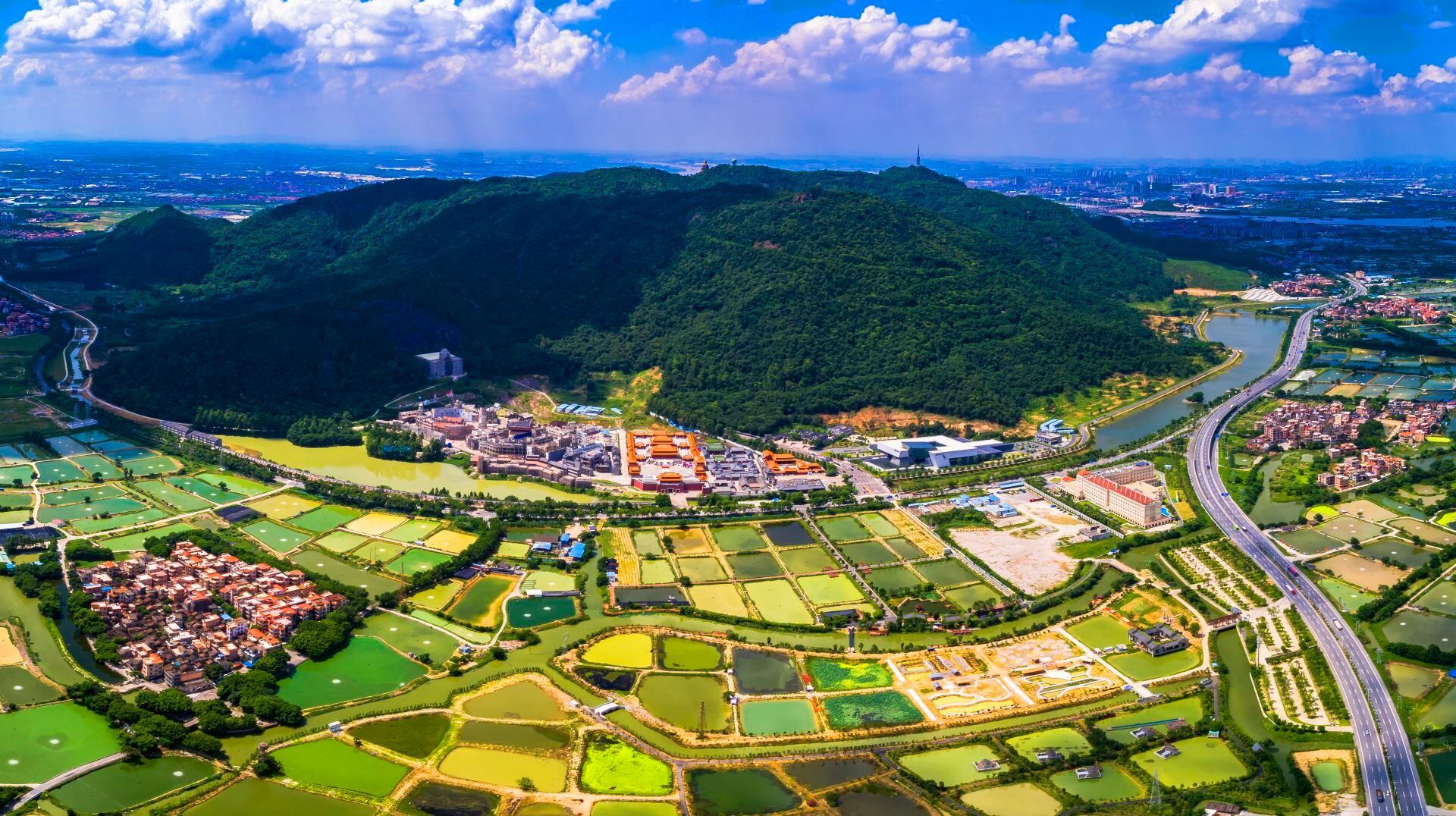
Foshan is a hub of Lingnan culture, home to Cantonese opera, martial arts, dragon dances, and ceramics.

Ideal Pace

2-3 days

Seasonal Window

March-April and October-November

Overview

Foshan is a Lingnan culture center known for Cantonese opera, martial arts, dragon dances, and ceramics.

Brief Guide

Foshan is a hub of Lingnan culture, home to Cantonese opera, martial arts (kung fu), dragon dances, and ceramics. The Ancestral Temple showcases local culture with elegant Lingnan architecture, martial arts, and dragon dance performances. Foshan is also the birthplace of martial arts legends Ip Man, Wong Fei-hung, and Bruce Lee. Lingnan Tiandi is a cultural district transformed from traditional residential areas, blending old and new as a city landmark. Shunde is renowned for its cuisine, being the origin of a major Cantonese cooking school, attracting food enthusiasts.
Getting There & Around

Foshan Shadi Airport, 7 km from center, serves major Chinese cities. Extensive bus system connects districts; fares CNY2-10.

How to Get There

Foshan's transportation network is well-integrated, with Foshan Shadi Airport and Foshan West Railway Station as key hubs.

Foshan Shadi Airport (FUO) is located in Nanhai District about 7 km from the city center. It is a regional airport with flights to major Chinese cities such as Beijing, Shanghai, and Chengdu.

Foshan West Railway Station is 15 km northwest of downtown in Nanhai District. It is a major high-speed rail hub connecting to destinations including Hong Kong and Shenzhen.

  • Taxis: Drop-off and pick-up areas are on the station square.
  • Buses: Route G5 goes downtown, taking about 1 hour.

Local Transportation

  • Bus: Extensive system connecting districts and major attractions. Operates 06:00 to 22:30, fares CNY2 to CNY10 depending on distance. Dongping Road Bus Line: scenic route with smart bus stop kiosks.
  • Metro: Includes Guangfo Line (connecting Foshan to Guangzhou) and Line 2 (linking Foshan to Guangzhou South Railway Station). The system is expanding.
  • Bike-sharing: Eco-friendly system includes hydrogen-powered bikes in Nanhai District, offering sustainable exploration.

Practical Information

Cantonese is widely spoken; Mandarin understood. Use Alipay, WeChat, Didi. Prepaid SIM cards available. Humid subtropical climate with hot, rainy summers.

Local Language

Foshan, an industrial city in Guangdong, China, primarily speaks Cantonese, with Mandarin also widely understood due to migration and national language policies.

While English is not commonly spoken, younger generations may have basic proficiency.

Translation apps and local interpreters can aid communication for travelers.

Multilingualism stems from Foshan's diverse population and the government's promotion of Mandarin in education and media.

To overcome language barriers, tourists should:

  • Learn key Chinese phrases
  • Use visual aids like maps
  • Employ universal gestures

Local Apps

  • Alipay: A ubiquitous payment app in China, also used for public transportation and taxis by scanning QR codes
  • WeChat: An essential app for communication, social sharing, and digital wallet services, including paying for meals and taxis
  • Didi Chuxing: A ride-hailing app that can be used directly or through Alipay, even without a Chinese phone number
  • MetroMan: Helps navigate city metros, planning routes, and calculating costs, ideal for exploring major cities with ease
  • WAYGO: A translation app that translates Chinese, Japanese, and Korean text into English without an internet connection, useful for menus, signs, and printed text

Internet and Communication

Mobile data packages for immigrants in China are available through local carriers such as China Mobile and Unicom.

  • China Mobile: Offers prepaid data SIM cards with unlimited text messages and calls within China, and high-speed connections, sometimes even 5G.
  • Unicom: Provides SIM cards with data packs that include unlimited music applications. Neither carrier requires a long-term contract.

Prices for eSIMs with unlimited data start at just $6 for China.

Public WiFi in China is widely available in places like airports, restaurants, coffee shops, and malls. However, connecting to these networks often requires a Chinese phone number for text verification, which can be a challenge for travelers without a local SIM card.

Global WiFi devices like Skyroam can be a convenient alternative, offering the ability to connect multiple devices and requiring no additional setup upon arrival in China.

Weather

Foshan has a humid subtropical climate with mild winters and hot, rainy summers. The city sees significant rainfall year-round, even in the driest months.

  • General: Pack light and breathable clothing, plus a raincoat or umbrella for frequent rain.
  • Summer: Wear T-shirts, trousers, and use sunscreen; temperatures often exceed 30°C.
  • Winter: Bring a sweater and coat; temperatures around 10°C, snow is rare.

Due to the potential for typhoons, especially from May to September, visitors should stay updated on local weather forecasts and may need to plan for indoor activities during such events.

Currency and Payment

In Foshan, digital payments are a key option for foreign tourists.

  • Digital Payments: The e-CNY app allows convenient online recharges and payments at physical and online merchants, with quick pay features.
  • Credit/Debit Cards: Visa and Mastercard are accepted, providing flexibility for foreigners to manage their finances.
  • Fees: Be mindful of potential fees for currency conversion or transactions. Ensure payment apps are set up and funded before purchases.

Top Experiences

Explore Qinghui Garden and Ancestral Temple; visit Bruce Lee Paradise; experience pottery at Ancient Nanfeng Kiln; stroll through Liang Yuan.

Must-try local experiences

  • 1. Explore ancient architectural gems like Qinghui Garden and Foshan Ancestral Temple.
  • 2. Visit Bruce Lee Paradise to learn about his life and see martial arts demonstrations.
  • 3. Experience pottery at the Ancient Nanfeng Kiln, one of China's oldest kilns.
  • 4. Stroll through Liang Yuan for serene gardens and traditional architecture.
  • 5. Discover Foshan Lingnan Tiandi, a modern district blending Lingnan architecture with contemporary design.
  • 6. Visit Huang Feihong Memorial Hall for martial arts demonstrations.
  • 7. Experience intangible cultural heritage: Cantonese opera, lion dance, and paper cutting.
  • 8. Savor Cantonese dim sum and Shunde cuisine, including fish, double-skin milk, and morning tea.
  • 9. Shop at Zumiao Commercial Street for crafts, souvenirs, and local delicacies.
  • 10. Photograph landmarks like Ancestral Temple, Liang Yuan, Qinghui Garden, and Xiqiao Mountain.
  • 11. Hike Xiqiao Mountain for scenic trails and ancient temples.
  • 12. Explore Foshan Pioneer Industrial Park for contemporary art and design.

Food Highlights

Specialties include Lunjiao Cake, Double Skin Milk, Wonton Noodles, 'No.1 Scholar' Congee, and Beef Offal, each with unique preparation and cultural significance.

Foshan Food Guide

Foshan, in Guangdong Province, is celebrated for traditional culinary delights such as sweet and sour Lunjiao Cake, nutritious Double Skin Milk, savory Wonton Noodles, auspicious "No.1 Scholar" Congee, and flavorful Beef Offal. Each dish has unique preparation methods and deep cultural significance.

Lunjiao Cake

Lunjiao Cake

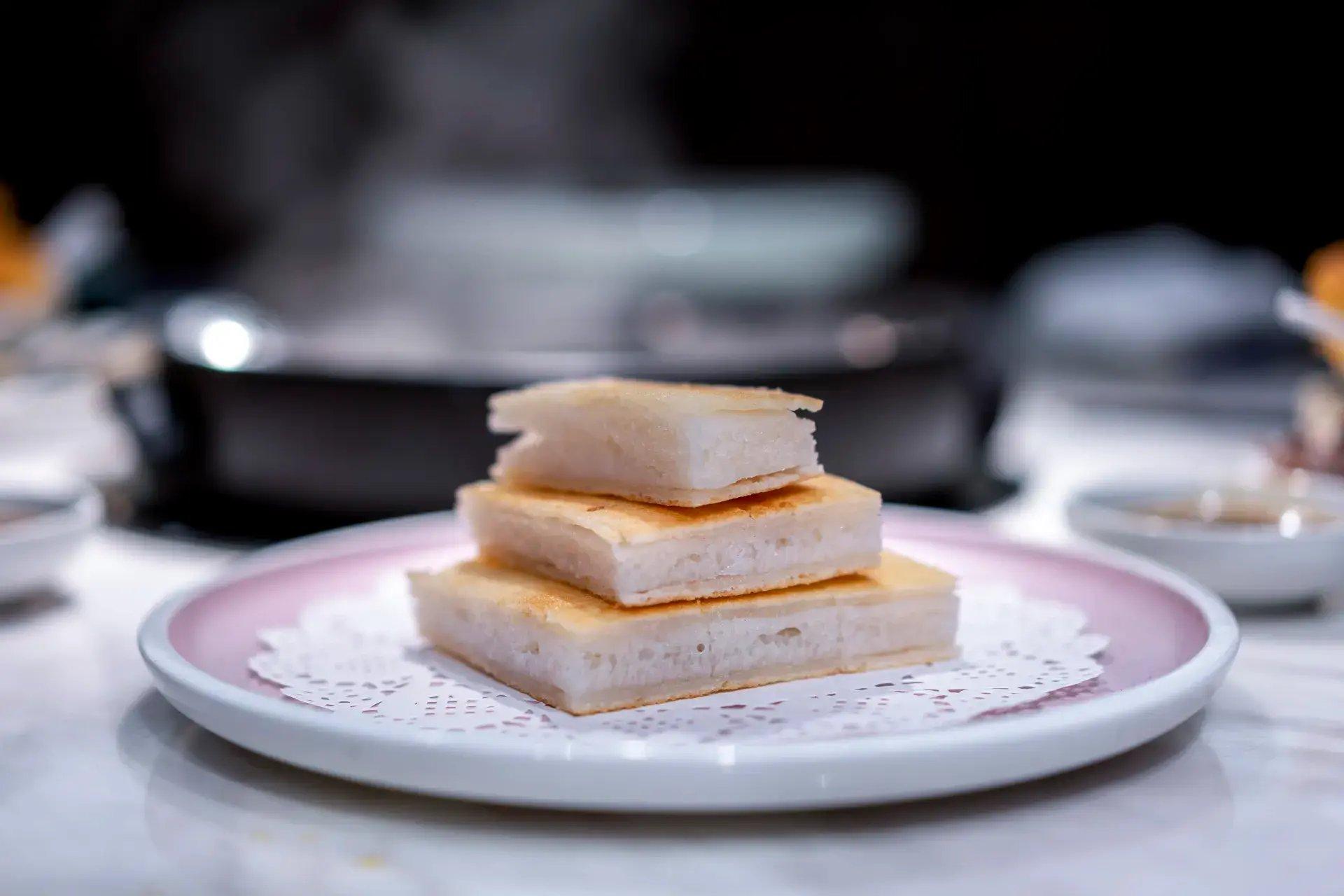
Lunjiao Cake is a specialty of Lunjiao Town, Shunde District, Foshan. Known for its crystal-clear, soft, and smooth texture, it is a representative Lingnan pastry. Made without additives, it relies on natural fermentation to produce amino acids that enhance immunity and delay aging. The cake has a sweet and smooth taste with a slight sourness from lactic acid, making it a healthy traditional snack.

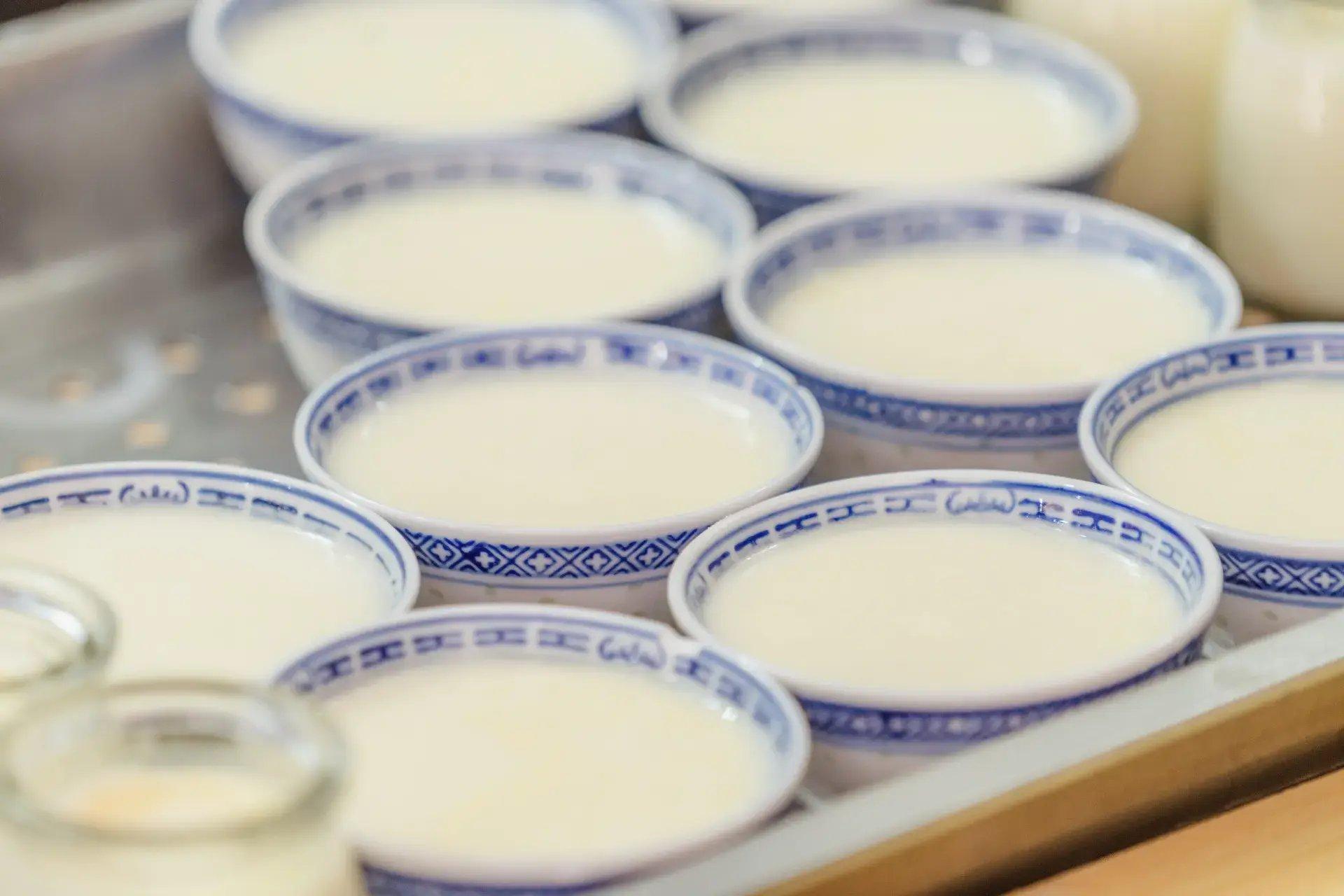
Double Skin Milk

Double Skin Milk

Shunde's Double Skin Milk is famous for its unique production process and taste. The upper layer of milk skin is sweet, while the lower layer is fragrant and smooth.

Made with buffalo milk, the process involves four steps:

  • Gently heating and cooling
  • Poking holes to pour out
  • Stirring and returning to the bowl
  • Slow baking

This handmade dessert takes about two hours. It is delicate, smooth, nutritious, and suitable for both hot and cold consumption.

  • Aids digestion
  • Nourishes the stomach
  • Especially beneficial for women's beauty and skincare
Wonton Noodles

Wonton Noodles

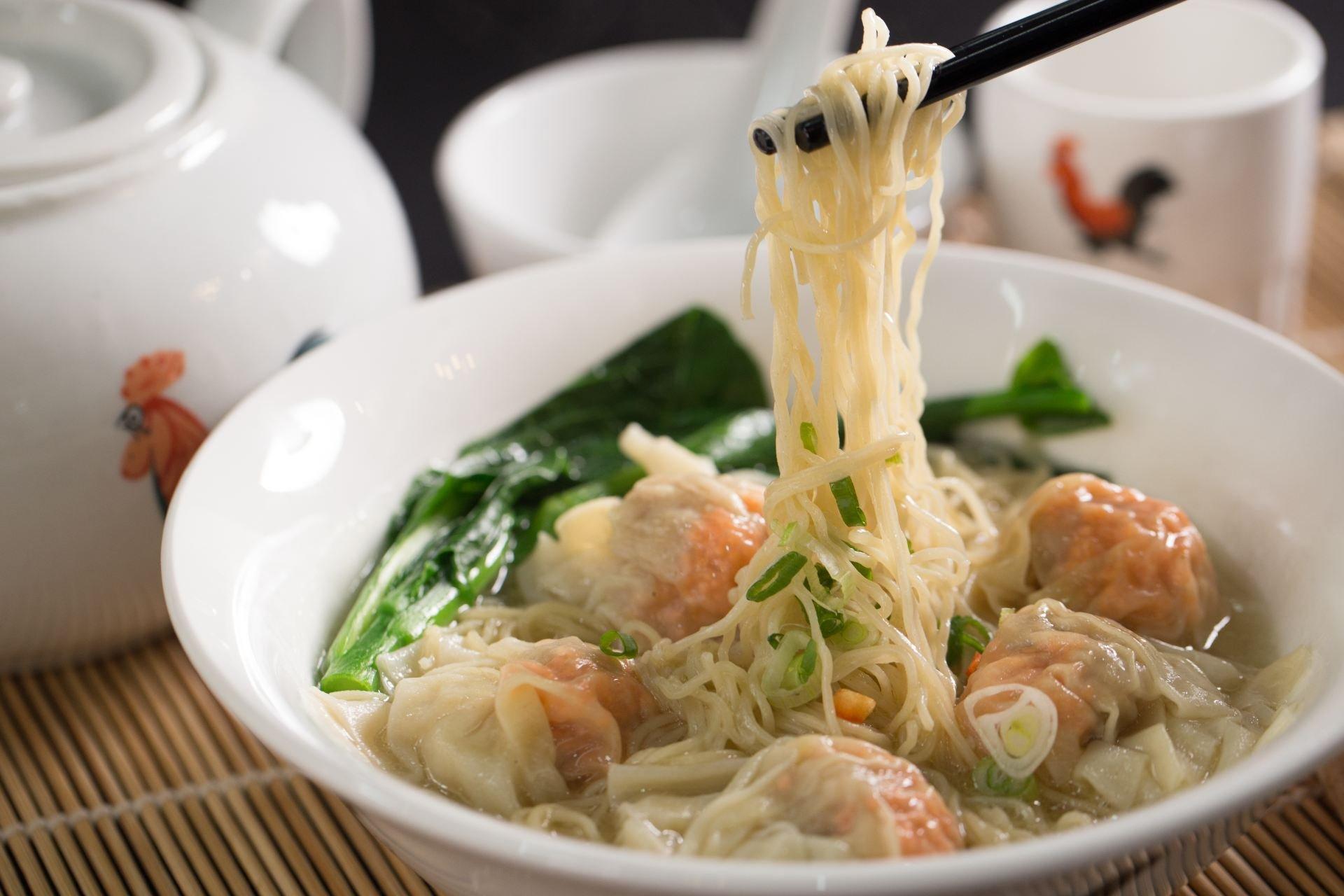
Foshan's Wonton Noodles are known for their unique flavor, especially Yingji Wonton Noodles, which feature fresh shrimp wontons, egg noodles, and a distinctive soup.

  • Wonton skins: thin with a thick filling
  • Shrimp: smooth and sweet
  • Noodles: traditionally made with a rich egg flavor

This dish is a daily delicacy for locals and a must-try for tourists. The Foshan Wonton Noodle Festival showcases traditional and innovative versions.

"No.1 Scholar" Congee

"No.1 Scholar" Congee

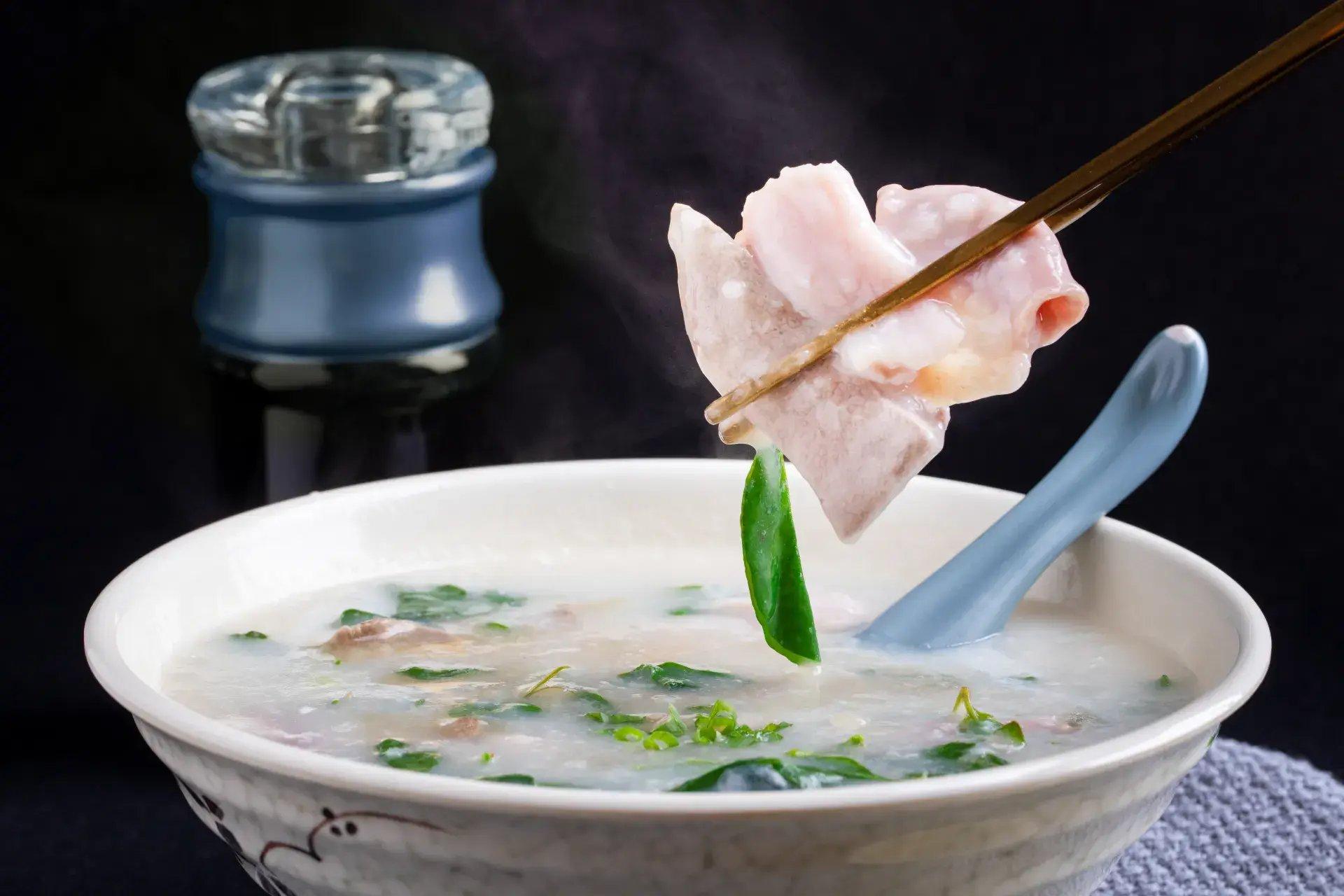
Foshan "No.1 Scholar" Congee is a traditional porridge with an auspicious meaning, made from pork, pork liver, and rice intestine. It is rich in nutrition and delicious.

The porridge is linked to the legend of Ming Dynasty top scholar Lun Wenxu, who was given porridge by a shop owner when he was poor. After becoming a scholar, he named the porridge to express gratitude.

The preparation emphasizes simmering the porridge base and selecting fresh ingredients, resulting in a fragrant, soft, and smooth texture.

Beef Offal

Beef Offal

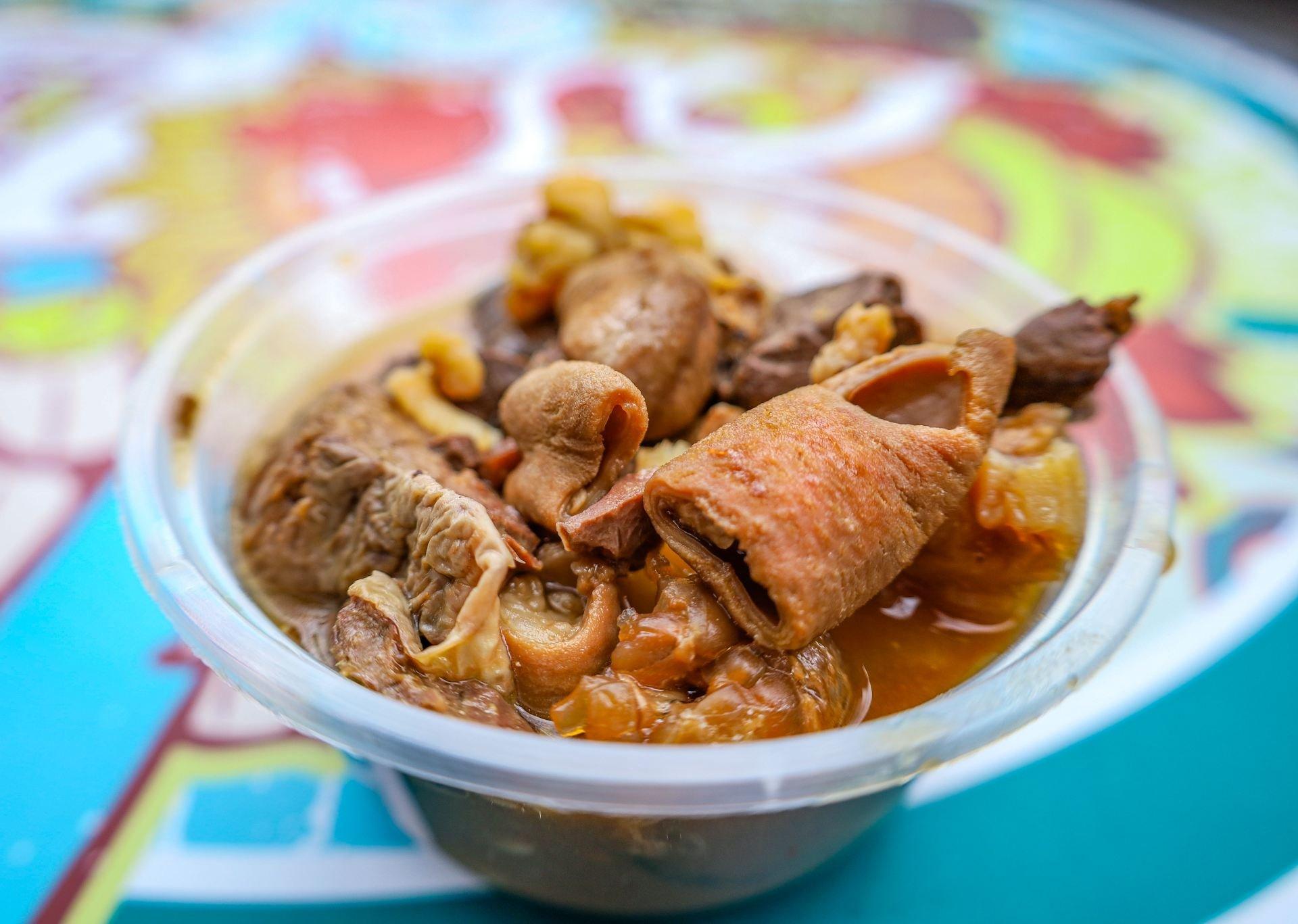
Foshan beef offal is a local favorite, known for its rich ingredients and unique cooking method. The beef is stewed for a long time until tender, and the offal is cleaned thoroughly to remove any unpleasant smell.

Beef offal stalls are scattered throughout Foshan's streets, evoking fond memories for many people from their school days and late-night snacks. A bowl of beef offal with rice noodle rolls after working late brings a sense of happiness.

It can be paired with different sauces to enhance the flavor.

  • Curry sauce
  • Homemade chili sauce

Enjoying it with lemon tea is recommended.

Best Time to Visit

Best from mid-March to mid-April and mid-October to late November for comfortable temperatures ideal for exploring cultural sites.

The best times to visit Foshan are from mid-March to mid-April and from mid-October to late November. During these periods, the weather is comfortable with mild temperatures, ideal for exploring the city's rich cultural heritage and traditional handicrafts.

  • Spring (mid-March to mid-April): Offers pleasant warmth before the heavy rains in May.
  • Autumn (mid-October to late November): Provides a respite from the hot, humid summer, with less chance of typhoons and cool, comfortable days.

These months allow visitors to enjoy outdoor attractions and local festivals without extreme weather.

Attraction Highlights

Attractions include Foshan Ancestral Temple, Chuanlord Tourism & Leisure Expo Garden, Xiqiao Mountain Scenic Area, Shunde OCT Harbour PLUS, and Qinghui Garden.

Foshan Zumiao

Foshan Zumiao

佛山祖庙

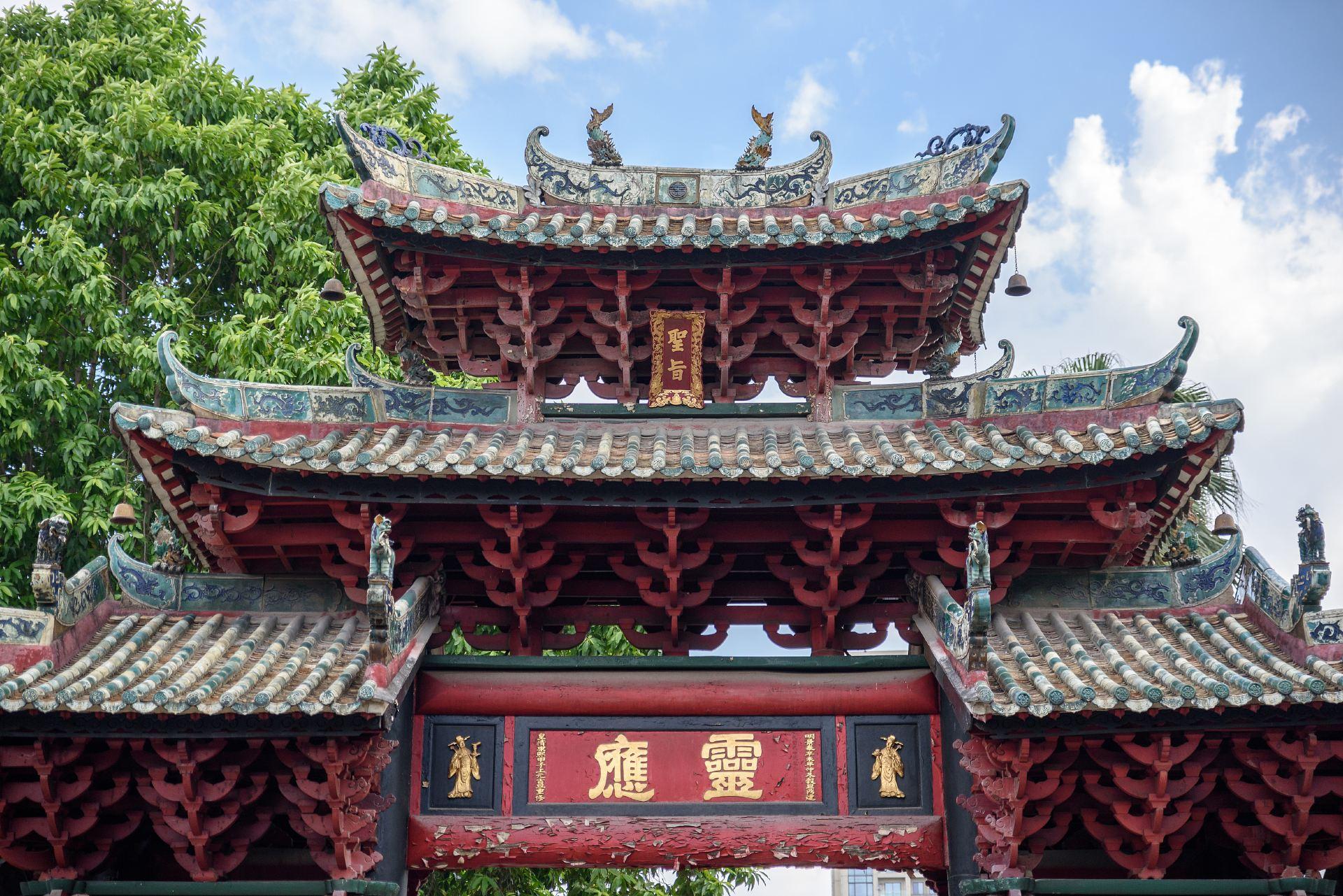
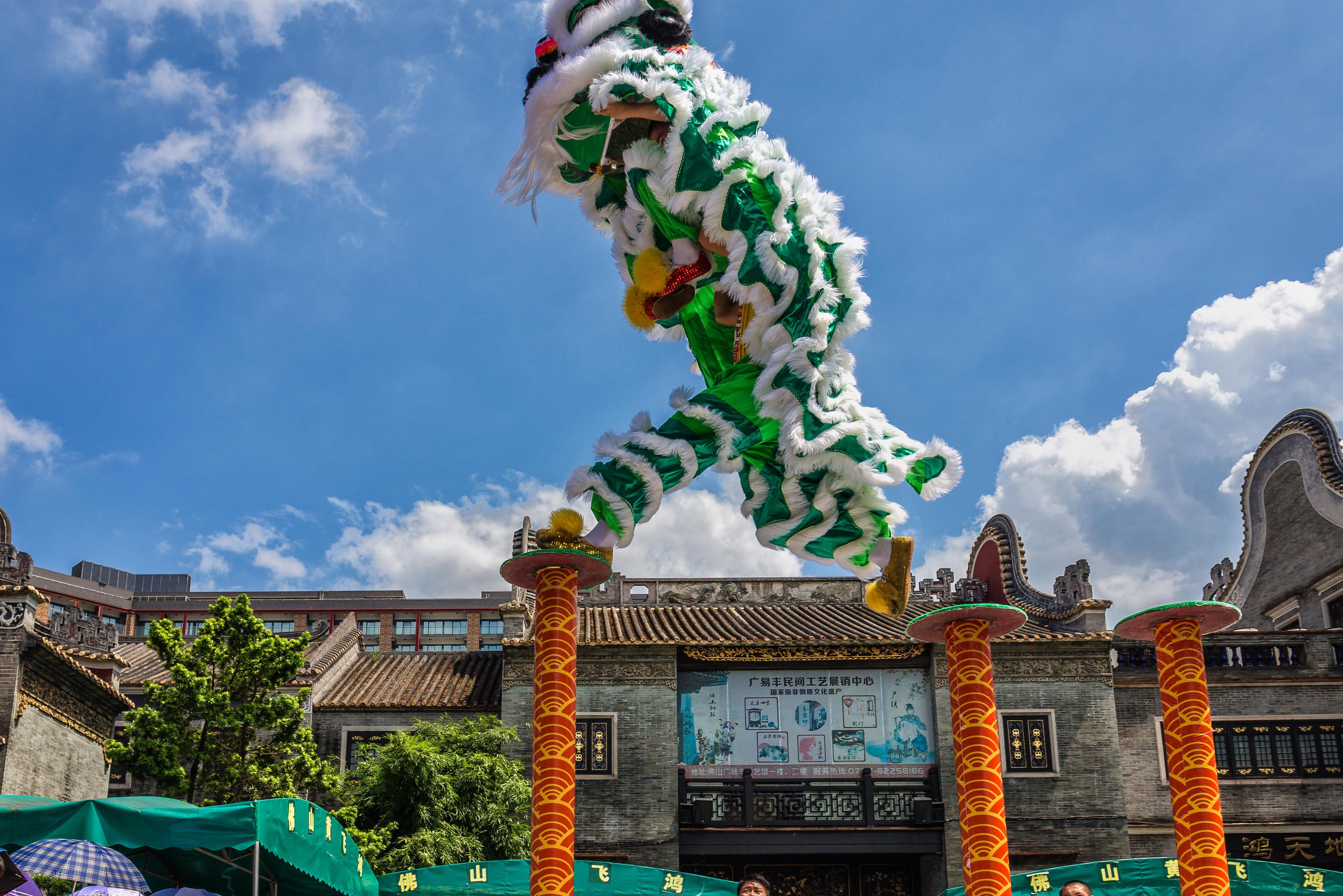
Foshan Ancestral Temple, dating to the Northern Song Dynasty, sits in downtown Foshan. This historic complex encompasses the Confucius Temple, Huang Feihong Memorial Hall, and Yewen Pavilion. Visitors can admire traditional Lingnan architecture and enjoy live lion dance and martial arts performances, making it an essential cultural stop.

2-3 hours
20 CNY
Chuanlord Tourism & Leisure Expo Garden

Chuanlord Tourism & Leisure Expo Garden

长鹿旅游休博园

Chuanlord Tourism & Leisure Expo Garden is a national 5A-level attraction in Foshan, blending Lingnan culture, Shunde water village charm, and farm life. It features 11 themed parks with thrilling rides, an innovative animal kingdom, and the Global Village Theater show, offering diverse leisure, dining, and entertainment experiences.

1 day
149 CNY
Xiqiao Mountain Scenic Area

Xiqiao Mountain Scenic Area

西樵山风景名胜区

Xiqiao Mountain Scenic Area in Foshan blends natural beauty with rich cultural heritage. Highlights include the Nanhai Guanyin Culture Park, Baofeng Temple, Tianhu Park, Baiyundong, Biyu Cave, Cuiyan Rock, Shiyan Rock, Jiulong Rock, Taohua Garden, and the Huang Feihong Lion Martial Arts Pavilion.

0.5-1 day
Free
Oct Harbour Plus

Oct Harbour Plus

顺德欢乐海岸PLUS

Oct Harbour Plus in Foshan features the Happy Hour Theme Park and Maya Beach Water Park, spanning 200,000 square meters. The open-access Happy Hour park offers over 20 rides across five themed zones inspired by the Age of Sail, from Rose Square to Steam Pier, complemented by street performances and educational displays.

3 hours
Free
Qinghui Garden Museum

Qinghui Garden Museum

清晖园博物馆

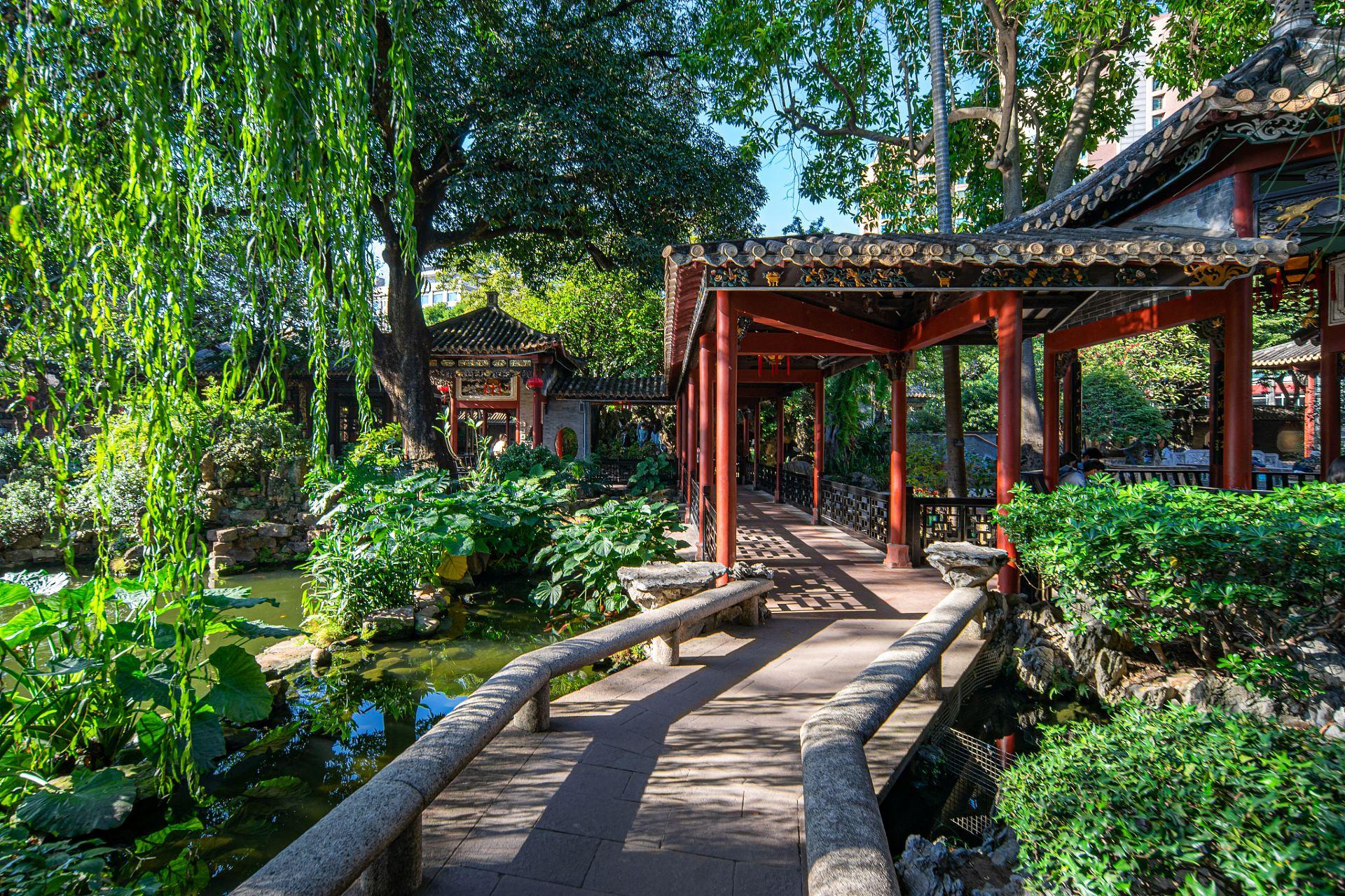
Qinghui Garden Museum in Foshan’s Shunde District is one of Guangdong’s four famous gardens. Its exquisite Lingnan design features water-linked spaces, intricate brick carvings, and stained glass. Tropical plants like jackfruit and lotus, along with ginkgo trees, create a tranquil urban retreat near local specialty food streets.

2-3 hours
26 CNY

FAQ

What's the most popular attractions in Foshan?
The most popular attractions in Foshan include Chuanlord Tourism & Leisure Expo Garden, The CCTV Nanhai Movie and TV Town, and Xiqiao Mountain Scenic Area.
Things to do near Foshan for family & child?
Family-friendly attractions in Foshan include Chuanlord Tourism & Leisure Expo Garden, Nandanshan Discovery Park, Gaoming Yingxiang Ecological Park, Egret Lake Exploration Kingdom, and The CCTV Nanhai Movie and TV Town.
Any recommended attractions about nature scenery in Foshan?
Recommended nature scenery attractions in Foshan include Danzao Fairy Lake Resort, Tianhu Park, Zaomu Mountain, The Qingyun Caves, and Shiwan Park.
How to get to Dali from Foshan?
Take the subway from Foshan to Guangzhou, then take a train from Guangzhou to Kunming. From Kunming, continue by train or car to Dali.
How to get to Foshan from Guangzhou Baiyun Airport?
For a group of four, renting a car costs about the same as the airport bus. For a single person, take the airport bus to Foshan. For two or three people, consider a taxi.
How to get to Macau from Foshan?
Take a direct train from Foshan Station to Gongbei Station in Zhuhai, which is near the Macau border. There are also direct buses available.
Last updated 10/8/2026 · published