Dongguan

China · Guangdong

Dongguan

Qing Dynasty gardens and ancient villages

Best for

Historic gardensAncient villageZooForest park

Recommended stay

2-3 days

Best season

Mar–Apr & Sep–Dec

Location

China, Guangdong

Snapshot

City Snapshot

A city at a glance

6 dimensions · 1–5 scale

PandaLoco's read of six travel-relevant dimensions on a 1–5 scale, built from public datasets and our travel criteria.

It describes the city's profile. It is not a ranking of better or worse cities.

Basis: Public datasets and PandaLoco travel criteria

Overview

Dongguan, in the Pearl River Delta near Hong Kong, is known for Ke Garden, a Qing Dynasty garden, Yuehui Garden, and Nanshe Ming and Qing Ancient Village.

Ideal Pace

2-3 days

Seasonal Window

Mar–Apr & Sep–Dec

Overview

Dongguan features Ke Garden, one of the four great Qing gardens, Yuehui Garden, and Nanshe Ming and Qing Ancient Village, rich in Lingnan culture.

Brief Guide

Dongguan is located in the Pearl River Delta, very close to Hong Kong. It is a famous hometown for overseas ethnic Chinese. Dongguan has several ancient monuments. The Ke Garden is one of the four great gardens of the Qing Dynasty. There is also the expansive Yuehui Garden, as well as the Nanshe Ming and Qing Dynasty Ancient Village. Once upon a time, Humen Town was an important place. In 1839, at the beginning of the First Opium War, Lin Zexu supervised the destruction of large quantities of seized opium. Today, the Opium War Museum, the Sea Battle Museum, ancient cannonades and historic battlefield sites are located here. Songshan Lake is Dongguan's high technology industrial center. Songshan Lake Park is a place where you can enjoy the natural landscape by riding a bike around the lake. The ocean of flowers and the lakeside landscape are beautiful. There is also a spot where locals can be seen fishing. Xiabeifang in Batou Village is a good place to relax. The combination of modern creativity and old towns is excellent. There are many small shops and boutiques if you like to go window shopping as you walk.
Getting There & Around

Dongguan Railway Station connects to high-speed rail hubs. Buses include tourist routes; local buses and taxis serve the city.

How to Get There

Dongguan's transportation network is well-developed, with its railway stations and proximity to major airports playing a crucial role in its connectivity.

  • Dongguan Railway Station: Key hub on the Guangzhou-Shenzhen Intercity High-Speed Railway Line, serving high-speed trains to major cities and non-bullet trains to other destinations. Direct Metro Line 2 connection to reach the city center.
  • Humen Railway Station: Located about 25 km southwest of downtown, on the Guangzhou-Shenzhen-Hong Kong Express Rail Link, serving high-speed trains to Guangzhou, Shenzhen, Hong Kong, and other cities. Accessible via Metro Line 2.

While Dongguan does not have its own airport, it is close to several major airports, including Shenzhen Bao'an International Airport and Guangzhou Baiyun International Airport, which are 71 km and 82 km away, respectively. These airports offer both international and domestic flights, with shuttle buses and ferries providing transfers to Dongguan.

Local Transportation

Dongguan offers a comprehensive and accessible public transportation system.

  • City bus service includes specialized tourist routes; buses like No. 58 and No. 60 connect key parts of the city and surrounding towns with frequent services operating throughout the day.
  • The metro system is expanding; currently Line 2 operates, with additional lines under construction to increase connectivity across the city and neighboring regions; it is essential for daily commutes and conveniently connects with other modes of local public transport.

Practical Information

Cantonese and Mandarin spoken; use Alipay, WeChat, Didi. Prepaid SIMs available. Humid subtropical with heavy rainfall Apr-Sep. WeChat Pay and cards accepted.

Local Language

Dongguan features a diverse linguistic landscape with Cantonese as the traditional language. Due to significant migration, Mandarin has become widely spoken. Travelers can use translation apps like Google Translate or handheld devices such as Pocketalk to overcome language barriers.

Local Apps

  • Alipay: A widely used app in China for cashless payments, including transportation like subways and taxis, by scanning a QR code
  • WeChat: Essential for communication and social networking, also functions as a digital wallet for various transactions
  • MetroMan: Helps navigate subway systems across major cities in China, plan routes, and track costs efficiently
  • WAYGO: A translation tool that instantly converts Chinese, Japanese, and Korean text into English without an internet connection, useful for reading signs and menus

Internet and Communication

Mobile data packages for travelers in China are available through local carriers such as China Mobile and Unicom.

  • China Mobile: Prepaid data SIM cards with unlimited texts and calls within China, and high-speed connections, sometimes even 5G. No long-term contract required.
  • Unicom: Data packs with unlimited music streaming. No long-term contract required.
  • Public Wi-Fi: Widely available in airports, restaurants, coffee shops, and malls. However, connecting often requires a Chinese phone number for text verification, which can be challenging without a local SIM card.

Weather

Dongguan experiences a dry-winter humid subtropical climate with an average annual temperature of about 23°C (73°F).

The city receives ample rainfall, averaging around 1,900 millimeters per year, with the rainiest months from April to September. Summers are hot and humid, with temperatures regularly exceeding 30°C (86°F), while winters are mild, rarely dropping below 10°C (50°F).

  • Light, breathable clothing and proper hydration are advisable during summer.
  • From April to September, carrying a raincoat or umbrella is essential.
  • During typhoon season (June to November), stay updated on local weather reports and follow safety advisories.

Currency and Payment

In Dongguan, WeChat Pay and credit/debit cards are the primary payment methods for foreign tourists.

  • Digital Payments: WeChat Pay allows easy transactions by linking international cards such as Visa, Mastercard, and JCB. Ensure you complete all necessary verification.
  • Credit/Debit Cards: Credit and debit card payments are widely accepted. Digital platforms enable foreign card use without needing cash.
  • Fees: No transaction fees are charged for WeChat Pay transactions under RMB 200. For credit cards, check with your bank regarding potential foreign transaction fees.

Top Experiences

Enjoy natural landscapes at Songshan Lake or Huying Country Park; discover history at the Opium War Museum and Kejia House.

Must-try local experiences

  1. Explore Dongguan's Natural Beauty: Escape the city bustle and immerse yourself in Dongguan's scenic landscapes. Visit Songshan Lake or stroll through Huying Country Park for a refreshing break.
  2. Discover Dongguan's Cultural Heritage: Explore Dongguan's rich history at the Opium War Museum and Kejia House. These landmarks offer insights into the city's past and traditional architecture.
  3. Stroll through Qifeng Park: Qifeng Park offers scenic views, hiking trails, and the iconic Qifeng Pagoda. It's a great place to relax and enjoy nature.
  4. Experience the Dongguan Science and Technology Museum: Perfect for families and tech enthusiasts, this museum features interactive exhibits on scientific and technological advancements.
  5. Discover the Humen Bridge: The Humen Bridge is an engineering marvel offering stunning views of the Pearl River, ideal for photography.
  6. Immerse Yourself in Cantonese Opera: Experience Cantonese Opera with its elaborate costumes, expressive singing, and captivating storytelling at a local theater.
  7. Learn Traditional Lion Dancing: Lion Dancing is a significant cultural performance in Dongguan. Visitors can learn about its history and even try the dance.
  8. Sample Local Cuisine: Dongguan offers specialties like rice rolls, roasted goose, and herbal tea. Explore local markets and restaurants to savor these dishes.
  9. Capture Moments at Songshan Lake: Songshan Lake is ideal for photography with its serene waters, lush greenery, and scenic walking paths.
  10. Snap Shots at Nanshe Ancient Village: Nanshe Ancient Village is a well-preserved historical site with traditional architecture, ideal for photography enthusiasts.

Food Highlights

Specialties include Dongguan Simmered Goose, Meatball Congee, Glutinous Rice Balls with Peanuts, and Roast Goose Lai Fun, known for unique preparation and flavors.

Food Guide

Dongguan is famous for its culinary delights which are known for their rich flavors and unique preparation techniques.

  • Succulent Shao Goose
  • Daojiao Meatball Congee: known for its chewiness and flavor depth
  • Traditional sweet treat "Tang Bu Shuai": renowned for its soft and smooth texture
  • Aromatic Lai Fen noodles: served with roast goose

These highlights collectively showcase the unique allure of Dongguan’s local snack scene.

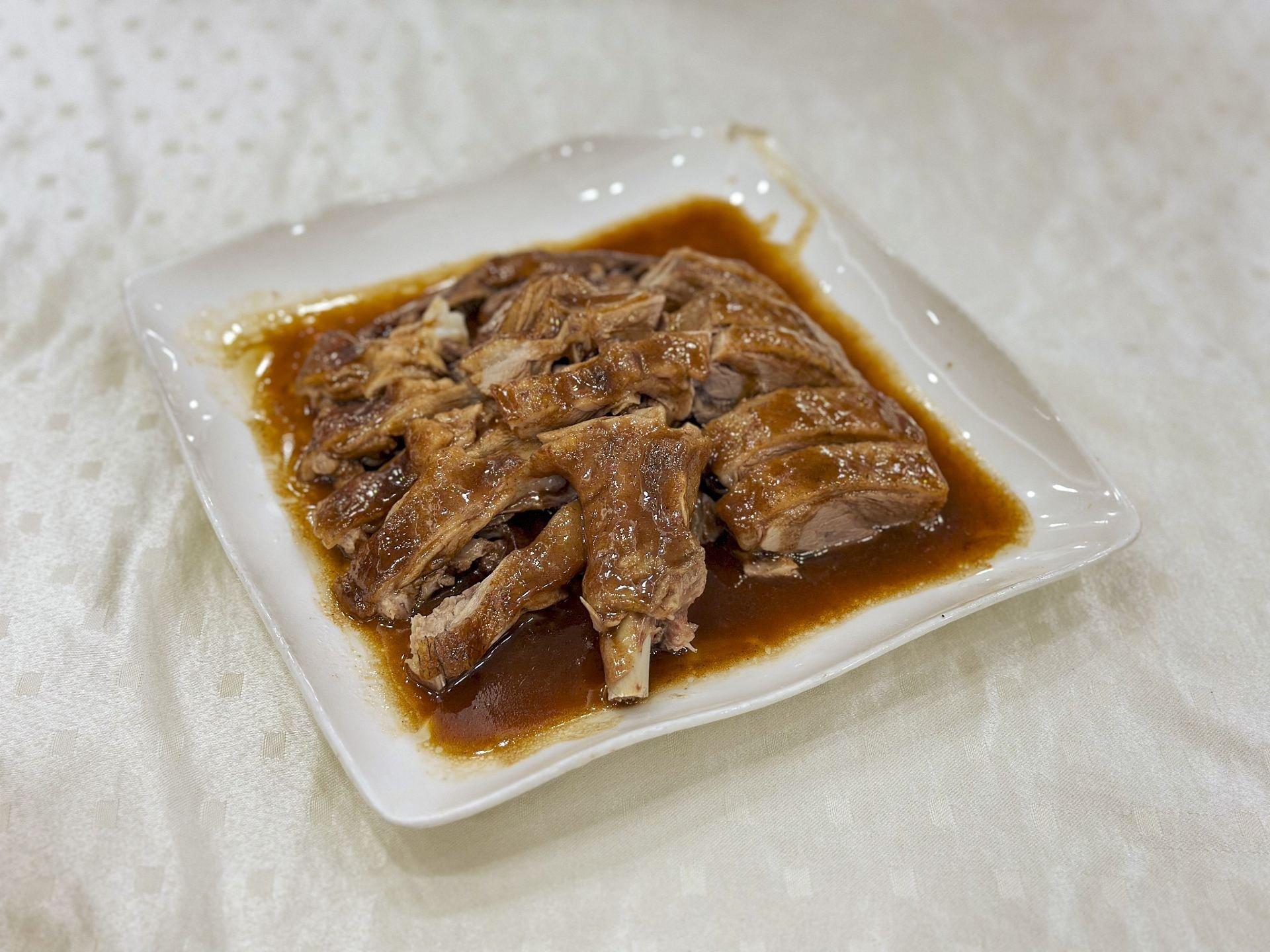
Dongguan Simmered Goose

Dongguan Simmered Goose

Tangxia's simmered goose (lu goose) is a traditional Hakka dish from Dongguan, known for its unique preparation. The clean goose is cooked in a specially seasoned broth, allowing the flavors to deeply infuse the meat. This results in tender flesh with flavor-rich bone marrow that is both fresh and delectably tasty.

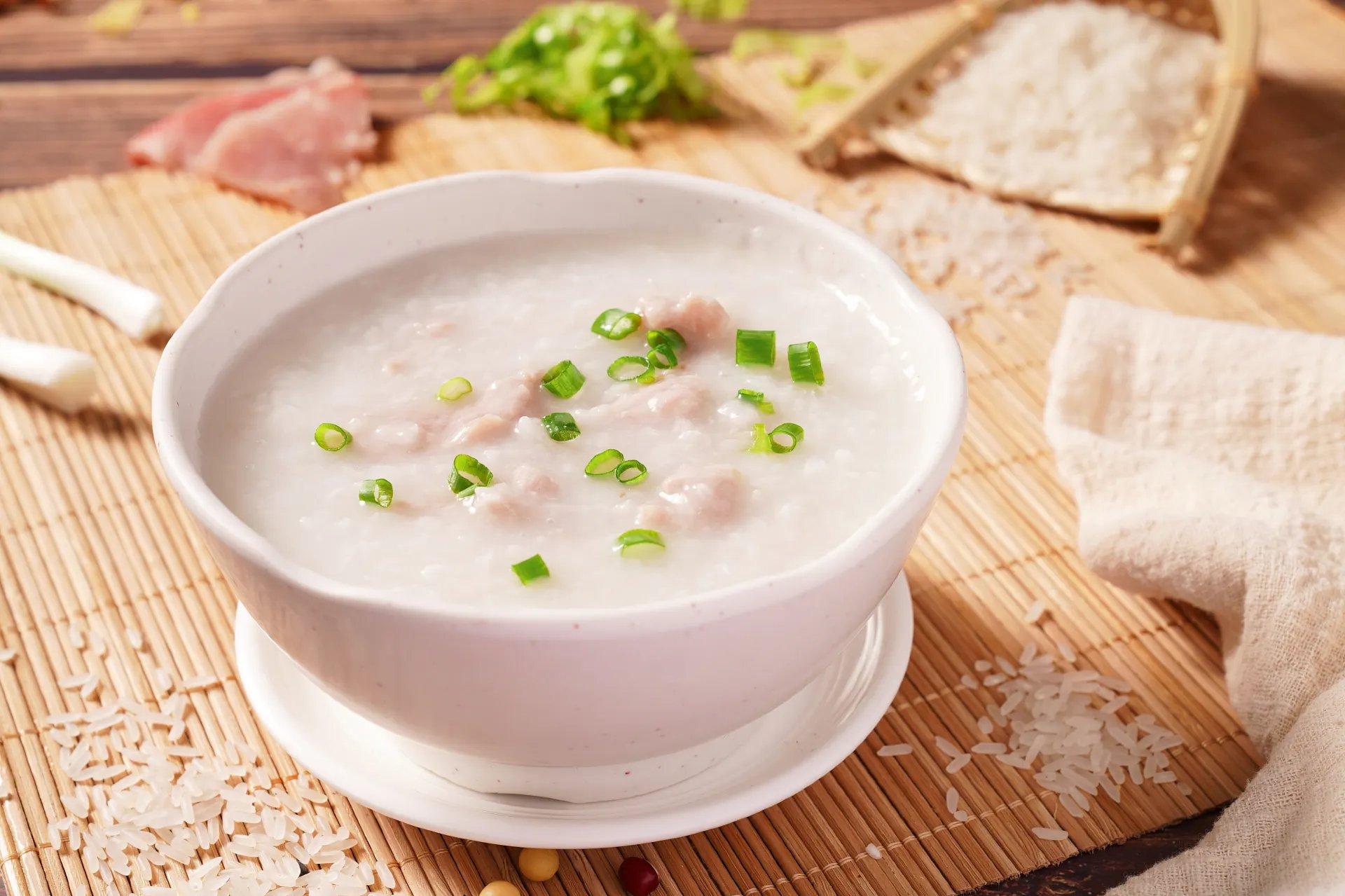
Meatball Congee

Meatball Congee

Meatball congee has gained popularity for its distinctive flavor. The congee features meatballs crafted from premium fresh meat. The meat is finely chopped and vigorously pounded with steel rods until it becomes a fine mince. This method results in meatballs that are wonderfully chewy and aromatic, offering a rich texture without being overly fatty.

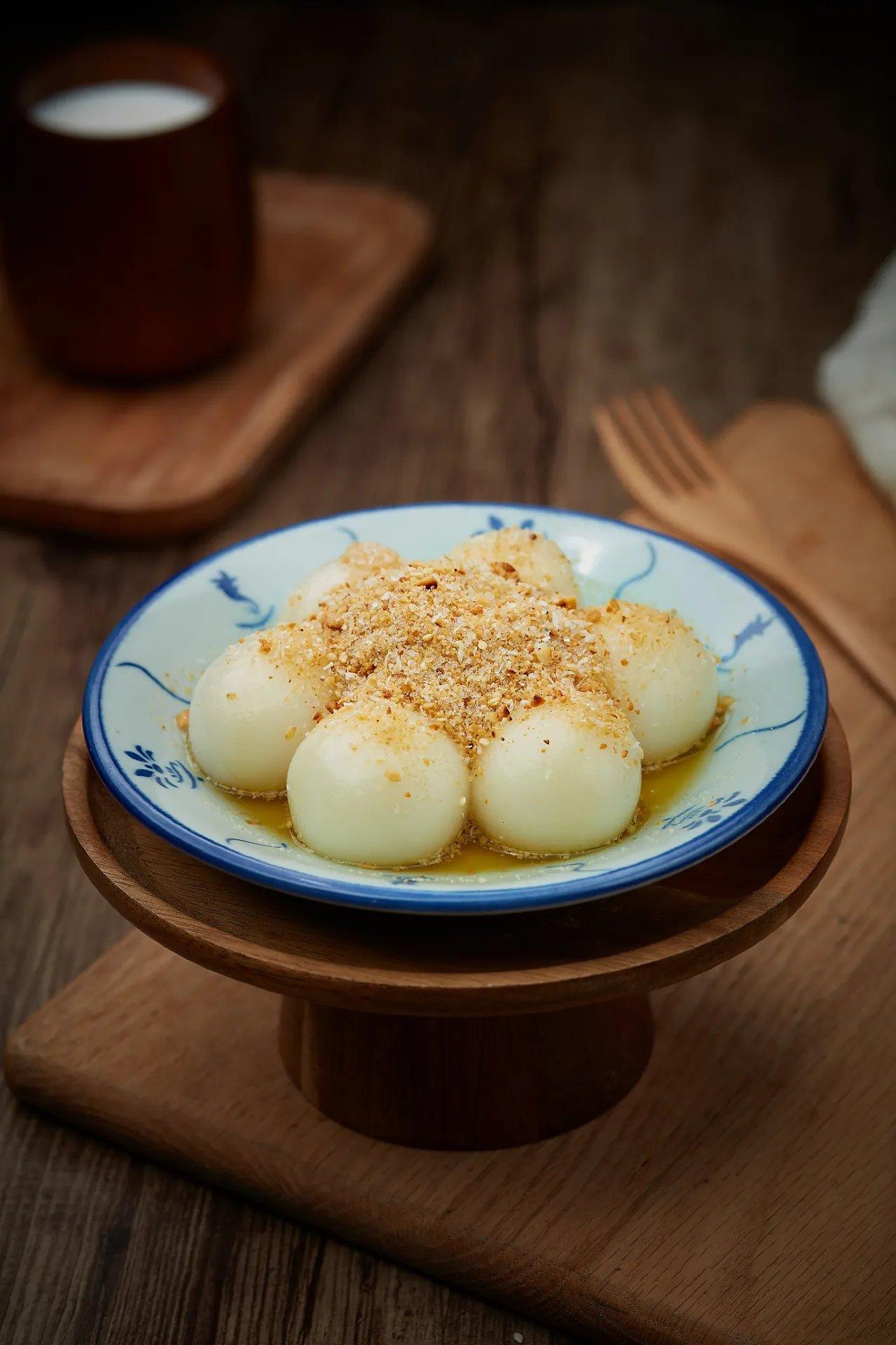
Glutinous Rice Balls with Peanuts

Glutinous Rice Balls with Peanuts

Glutinous rice balls with peanuts, also referred to as Ruyi Fruit, are a classic Cantonese delicacy. The preparation involves cooking glutinous rice flour, forming it into uniform balls, boiling these in hot syrup, and then topping them with roasted crushed peanuts. This results in a delightfully soft, smooth, and sweet snack with a rich aroma.

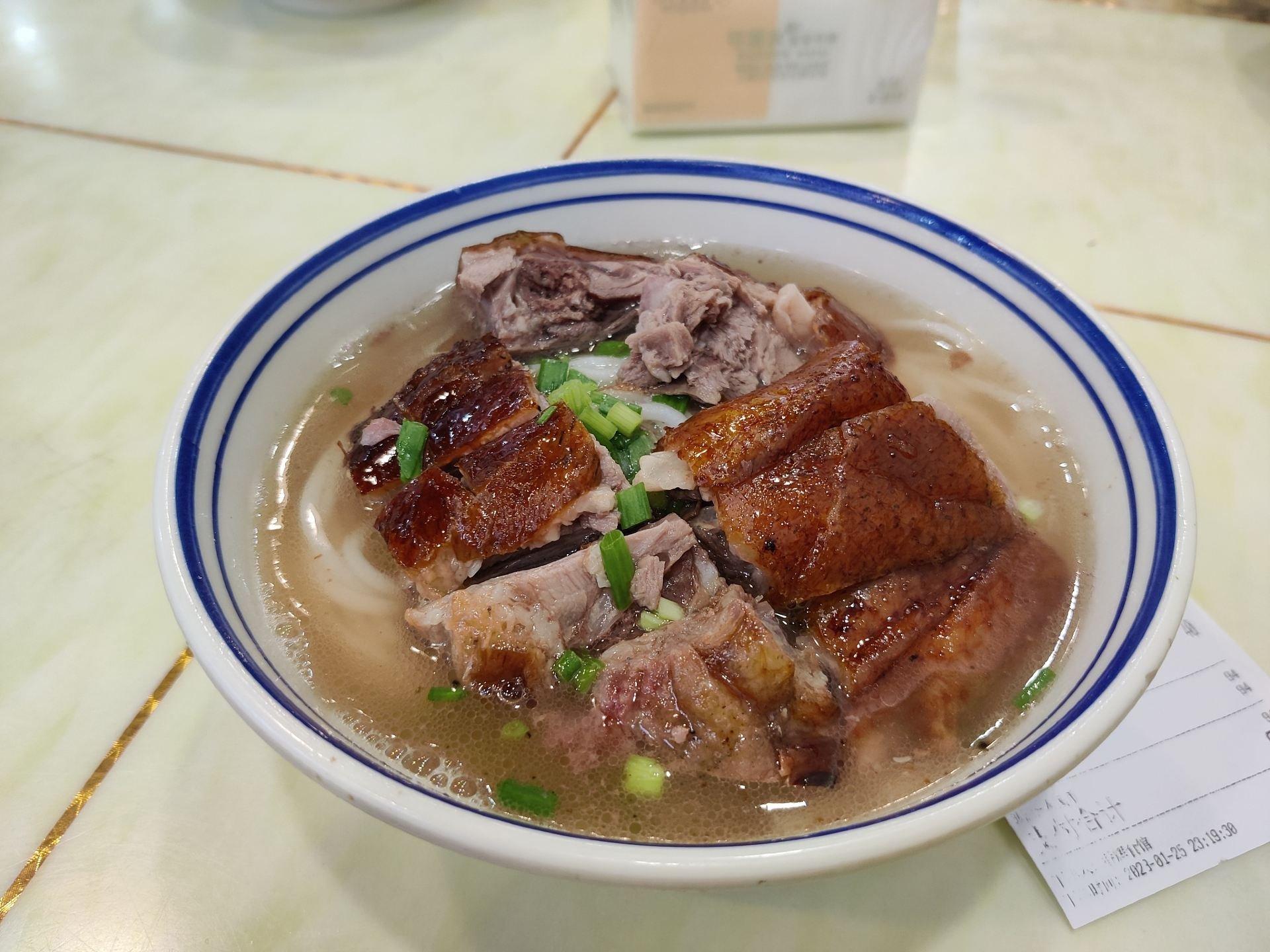
Roast Goose Lai Fun

Roast Goose Lai Fun

Lai fun, a traditional Dongguan delicacy, is served with a well-known and uniquely flavored roast goose. The broth for roast goose lai fun is carefully prepared from chicken, pork bones, various medicinal herbs, and spices.

  • Scald lai fun briefly in boiling water.
  • Transfer to a bowl.
  • Cover with a layer of succulent roast goose with crispy skin, making it incredibly appetizing and mouthwatering.

Best Time to Visit

Best from mid-March to mid-April and late September to December for pleasant outdoor exploration.

The best time to visit Dongguan is from mid-March to mid-April and from late September to December. These periods offer a pleasant climate ideal for exploring the city and engaging in outdoor activities. Autumn (late September to December) provides good weather with minimal rain, clear skies, and moderate temperatures, making it excellent for sightseeing and exploring the region's natural beauty.

Attraction Highlights

Attractions include Guanyin Mountain National Forest Park, Nanshe Ming and Qing Ancient Village, Xiangshi Zoo, and Longfeng Villa Resort.

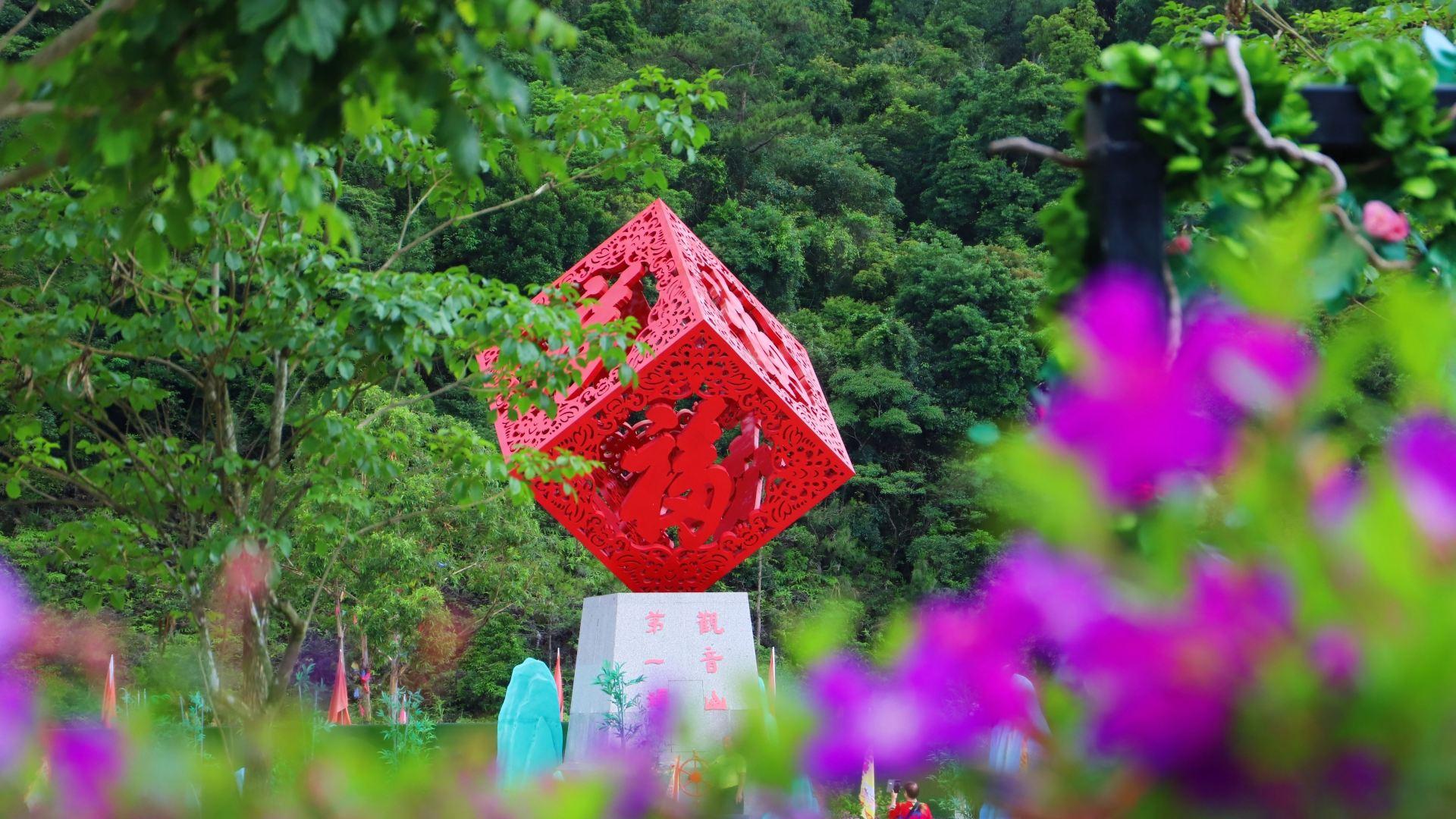
National Forest Park of Guanyin Mountain

National Forest Park of Guanyin Mountain

观音山旅游风景区

Located near Zhangmutou Town, Guanyin Mountain National Forest Park offers lush forests, fresh air, and small waterfalls. Its centerpiece is a 33-meter basalt Guanyin statue. From Guanyin Square, visitors can enjoy panoramic views stretching across Zhangmutou and glimpses of Huizhou, Shenzhen, and Dongguan in the distance.

0.5-1 day
39 CNY
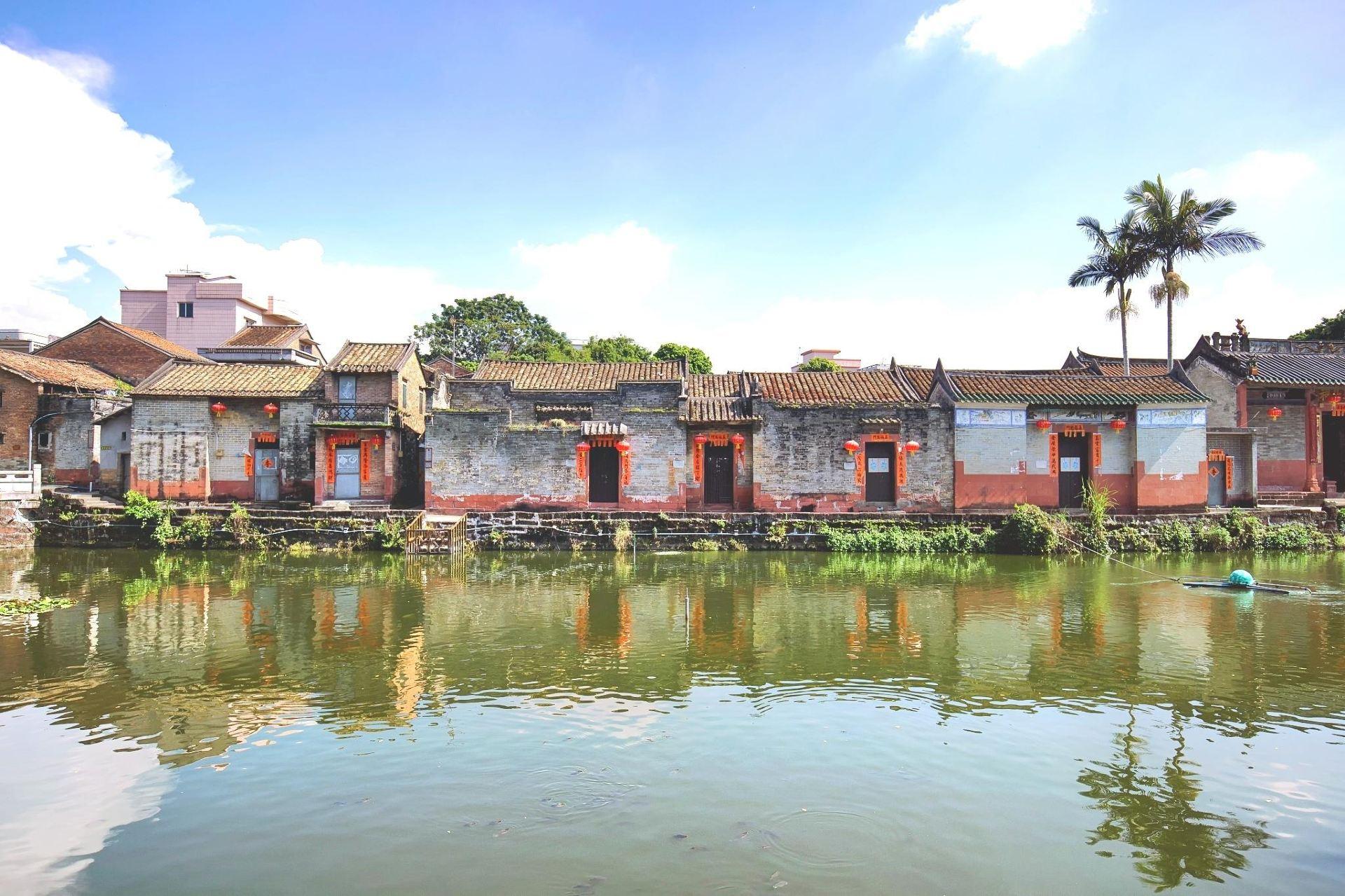
Nanshe Ming and Qing Ancient Village

Nanshe Ming and Qing Ancient Village

南社明清古村落

Nanshe Ming and Qing Ancient Village in Dongguan preserves centuries-old architecture from the Ming and Qing dynasties. Highlights include the Xie’s Ancestral Hall with red stone foundations and a traditional three-bay courtyard with triple entrances, offering a glimpse into the region’s cultural heritage.

2-3 hours
27 CNY
Dongguan Xiangshi Zoo

Dongguan Xiangshi Zoo

东莞香市动物园

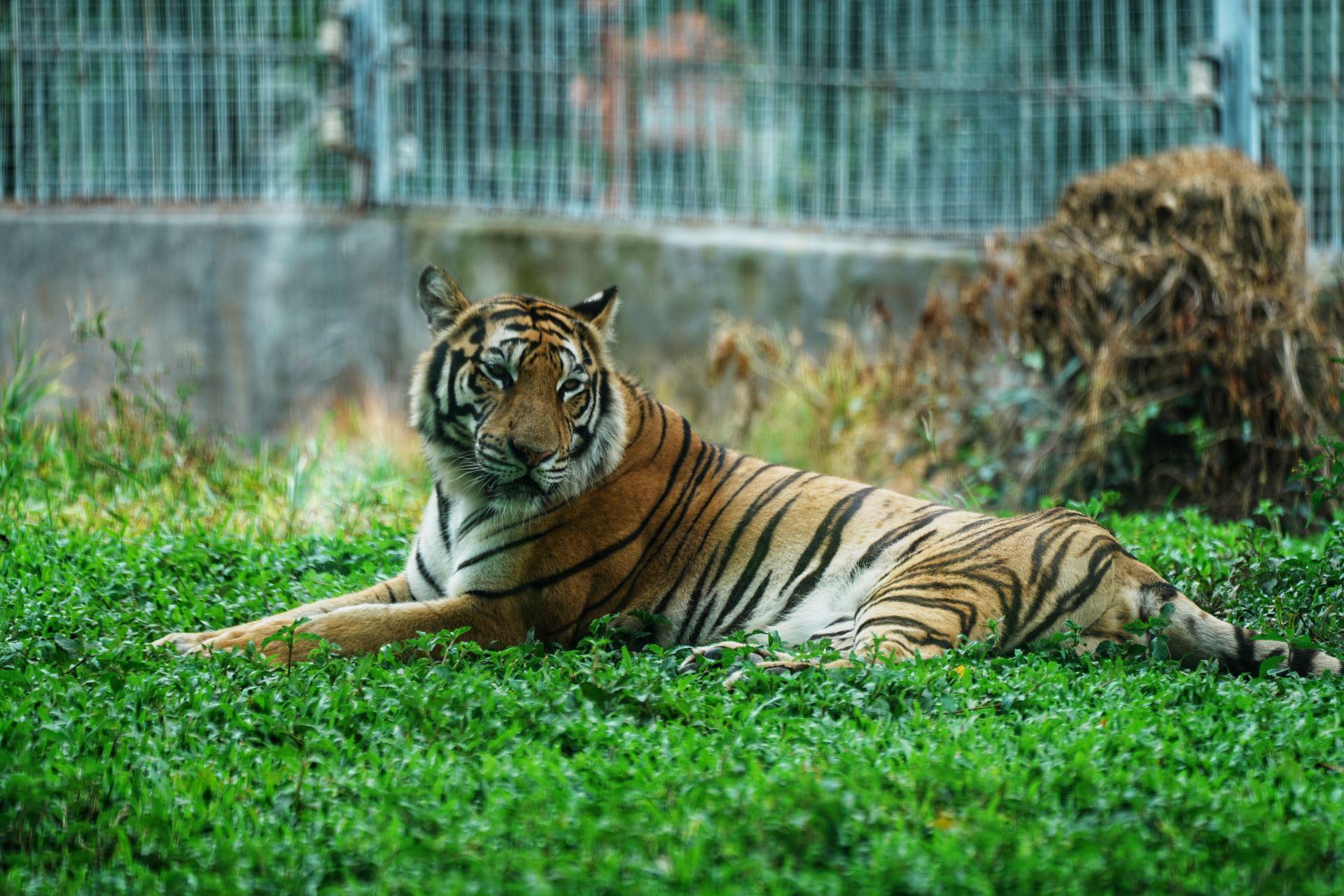
Dongguan Xiangshi Zoo offers immersive wildlife encounters in spacious, free-range habitats where diverse species coexist. Visitors can observe Asian elephants, giraffes, tigers, lions, and black bears from around the world, and enjoy captivating performances by elephants and sea lions in a beautifully designed natural setting.

4 hours
110 CNY

FAQ

What's the most popular attractions in Dongguan?
The best places to visit in Dongguan include Yinxian Mountain Villa, Longfeng Villa Resort, and Xiangshi Zoo.
Things to do near Dongguan for family & child?
For family and child-friendly activities, try Yinxian Mountain Villa, Longfeng Villa Resort, Xiangshi Zoo, Fantasy Baihuazhou, and Dongguan Botanical Garden.
How to get to Dongguan from Ganzhou?
There are many ordinary trains from Ganzhou to Dongguan, with a travel time of about 6 hours. There are no high-speed rail services on this route.
How to get to Dongguan from Shanghai?
If flying, it is recommended to fly to Shenzhen first, as flights from Shanghai to Shenzhen are cheaper than to Guangzhou. Then take a bus to Dongguan, which takes about 1 hour. Note that Guangzhou's airport is now in Huadu District, and it takes considerable time to take the airport bus to the bus terminal.
What's the best food in Dongguan?
Local specialties include Daowei, Houjie powder, Ma Yong fish bag, Dongkeng's sugar not simmer, Houjie roast goose with scallions, Dongguan sausage, Dongguan rice noodles, and Daowei meatballs.
What is a good souvenir from Dongguan?
Good souvenirs include Wanxiang, Houjie sausage, Humen cream crab, and sugar pomelo. You can also visit the old town area to buy many Tang Dynasty specialties.
Last updated 10/9/2026 · published