Datong

China · Shanxi

Datong

Historic Northern Wei capital with Buddhist cave art and cliffside monastery.

Best for

Buddhist GrottoesCliffside MonasteryAncient City WallsHistoric Temples

Recommended stay

2–3 days

Best season

Apr–Oct, best May–Jun & Sep–Oct

Location

China, Shanxi

Snapshot

City Snapshot

A city at a glance

6 dimensions · 1–5 scale

PandaLoco's read of six travel-relevant dimensions on a 1–5 scale, built from public datasets and our travel criteria.

It describes the city's profile. It is not a ranking of better or worse cities.

Basis: Public datasets and PandaLoco travel criteria

Overview

A former Northern Wei capital in northern Shanxi, Datong preserves the Yungang Grottoes, a rare Liao Dynasty Huayan Monastery, and other heritage from nomadic rulers.

Ideal Pace

2–3 days

Seasonal Window

Apr–Oct, best May–Jun & Sep–Oct

Overview

Datong, a historical city in northern Shanxi and former Northern Wei capital, is home to the Yungang Grottoes and the rare Liao Dynasty Huayan Monastery.

Brief Guide

Datong is a famous historical city in northern Shanxi. It was once the capital of the Northern Wei Dynasty. Nomads from the north left behind precious heritage sites like the Yungang Grottoes. Inside the city, there is a rare Liao Dynasty temple, Huayan Monastery. History lovers will find everything here fascinating. If you have time to venture further, the Hengshan Mountains in southern Datong are among China's most famous mountains. The mountain scenery is elegant and beautiful, dotted with many Taoist temples and monasteries. The Hanging Monastery on the cliffs at the foot of the mountain is a wonder to behold. The ancient engineers who designed and built it must have been extremely skilled.
Getting There & Around

Datong Yungang International Airport lies 15.2 km from the city center. The bus network spans 50 routes with seasonal fares from 1–3 yuan.

How to Get There

Datong's transportation infrastructure is well-developed, with its airport and railway stations being the primary hubs for intercity travel. Datong Yungang International Airport (

  • IATA: DAT,
  • ICAO: ZBDT) serves as a key gateway to the city, located approximately 15.2 kilometers from the city center. It operates both domestic and international routes, connecting Datong to major cities in China and Southeast Asian destinations like Siem Reap and Bangkok. To reach the city from the airport, travelers can take a taxi or arrange for private transportation. Datong South Railway Station, which opened in 2019, is another significant transportation hub. It is situated in the Pingcheng District, about 6 kilometers southeast of the city center, and serves high-speed trains on the Datong–Xi'an and Datong–Zhangjiakou lines. The station has the capacity to handle a large number of passengers and is equipped with modern facilities. To get to the city from Datong South Railway Station, passengers can use taxis or the city bus service, with bus numbers 14, 31, and 61 mentioned as options

Local Transportation

Datong's city bus network has 50 routes, providing extensive coverage across the city.

  • 1 June to 15 September: 1 yuan per ticket.
  • 1 November to 15 April: 2 yuan per ticket (air-conditioned).

Taxis provide a convenient option with a starting fare of CNY 7 for the first 3 km, plus per-km and waiting charges. Rates vary between day and night, ensuring 24-hour availability.

Practical Information

Mandarin predominates; Alipay and WeChat are essential. Winters are cold down to -18°C, summers warm up to 29°C. Dress modestly at religious sites.

Local Language

Datong, in Shanxi Province, predominantly speaks Mandarin, the official language of China. While Mandarin is widely understood, local dialects may also be present. Travelers can use translation apps or local interpretation services to navigate language barriers. For non-Mandarin speakers, learning basic phrases, using gestures, and carrying a translation app are effective communication strategies.

Local Apps

  • Alipay: Allows easy transactions and public transport usage, indispensable for local navigation
  • WeChat: Essential for communication, social networking, and transactions, serving as an all-in-one platform in China
  • Didi Chuxing: A popular ride-sharing app that can be used through integration with Alipay without needing a local phone number
  • Gaode Maps: The preferred map app in China for accurate, real-time navigation and finding local services like restaurants and taxis
  • MetroMan: Helps navigate city metro systems efficiently, ensuring smooth transit between destinations

Internet and Communication

  • China Mobile: Prepaid data SIM cards with unlimited texts and calls within China, high‑speed connections, sometimes 5G. No long‑term contracts required.
  • Unicom: SIM cards with data packs that include unlimited music apps. No long‑term contracts required.
  • eSIMs: Unlimited data eSIMs start at $6 for China.

Public WiFi is widely available in airports, restaurants, coffee shops, and malls. However, connecting often requires a Chinese phone number for text verification, which can be challenging without a local SIM card.

Global WiFi devices like Skyroam offer a convenient alternative, allowing multiple devices to connect without additional setup upon arrival.

Weather

Datong, in northern Shanxi province, has a continental monsoon-influenced steppe climate with four distinct seasons. Winters are cold, with temperatures dropping to -18°C, and summers warm, reaching up to 29°C. Precipitation is low, mostly in summer.

  • Due to significant temperature fluctuations between day and night, pack layers, including warm attire for evenings even in summer.
  • In winter, heavy coats, leather jackets, and snow boots are essential.
  • Given the high altitude and intense sunshine, protective measures like sunscreen, sunglasses, and hats are recommended year-round.

Customs and Taboos

  • Religious Sites: Dress modestly by covering shoulders and knees, and avoid loud or disruptive behavior when visiting sites like Yungang Grottoes or Huayan Monastery.
  • Hanging Monastery: Show respect for all beliefs by observing quietly and thoughtfully, as it blends Buddhism, Taoism, and Confucianism.
  • Photography: Always ask permission before photographing locals or cultural sites, especially at the Yungang Grottoes.
  • Bargaining: Bargaining is common in local markets, but offer fair prices to avoid offending vendors.

Currency and Payment

In Datong, common payment methods include digital platforms, bank transfers, and cash.

  • Digital Payments: Alipay (via Tour Pass with international card top-up), PayPal (service fee applies); ensure reliable internet.
  • Cash: Accepted, especially for on-site transactions.
  • Fees: Service fees may apply (e.g., PayPal for full tour payments); inquire about additional charges.
  • Reliable Banks: Bank and Western Union transfers available using local banking details.

Top Experiences

Explore the UNESCO-listed Yungang Grottoes and the gravity-defying Huayan Monastery, a Liao Dynasty temple built into a cliff.

Must-try local experiences

  1. Discover the Yungang Grottoes and Huayan Monastery: Explore the Yungang Grottoes, a UNESCO World Heritage site with thousands of ancient Buddhist sculptures, and visit the Huayan Monastery, a gravity-defying monastery built into a cliffside.
  2. Explore Datong Ancient City Wall: Walk along the well-preserved Datong Ancient City Wall for panoramic views and a glimpse into the city's historical defense mechanisms.
  3. Experience the Nine-Dragon Wall: Admire the Nine-Dragon Wall, a masterpiece of Chinese glazed art featuring vibrant colors and detailed dragon depictions.
  4. Witness the Datong Opera: Enjoy a captivating performance of Datong Opera, known for its lively music, expressive singing, and colorful costumes.
  5. Learn the Art of Paper-cutting: Participate in a workshop to learn the traditional craft of Datong paper-cutting and create your own designs.
  6. Explore the Vibrant Local Markets: Immerse yourself in Datong's bustling markets, sample regional delicacies, and browse handcrafted souvenirs.
  7. Visit the Datong Museum: Explore the Datong Museum to learn about the city's rich history and culture through various artifacts and exhibits.
  8. Celebrate the Datong Photo Festival: Attend the Datong Photo Festival to see stunning photography and participate in workshops and discussions.
  9. Enjoy the Datong Chrysanthemum Festival: Visit the Chrysanthemum Festival in autumn to enjoy beautiful flower displays, cultural performances, and local crafts.
  10. Savor Datong's Culinary Delights: Indulge in Datong's local specialties like knives-cut noodles, savory bean curd dishes, and flavorful meat pies.
  11. Explore the Datong Shopping Mall: For a modern shopping experience, visit the Datong Shopping Mall, offering local brands and unique dining and entertainment options.
  12. Hike Hengshan Mountain: Enjoy a scenic hike through Hengshan Mountain, one of China's Five Sacred Mountains, with panoramic views and ancient temples. As you climb, you can take in the magnificent natural scenery and unique landscape of Hengshan.

Food Highlights

Datong's cuisine features northern flair like spicy rabbit heads, hand-sliced noodles, mutton offal soup, and sticky millet cake.

Datong Cuisine Overview

Datong's cuisine is celebrated for its distinctive northern flair. Favorites among locals and tourists include spicy and aromatic rabbit heads, an assortment of noodles like hand-sliced varieties, traditional mutton offal noodle soup, and the regionally distinct Sticky Millet Cake.

Sliced Noodles

Sliced Noodles

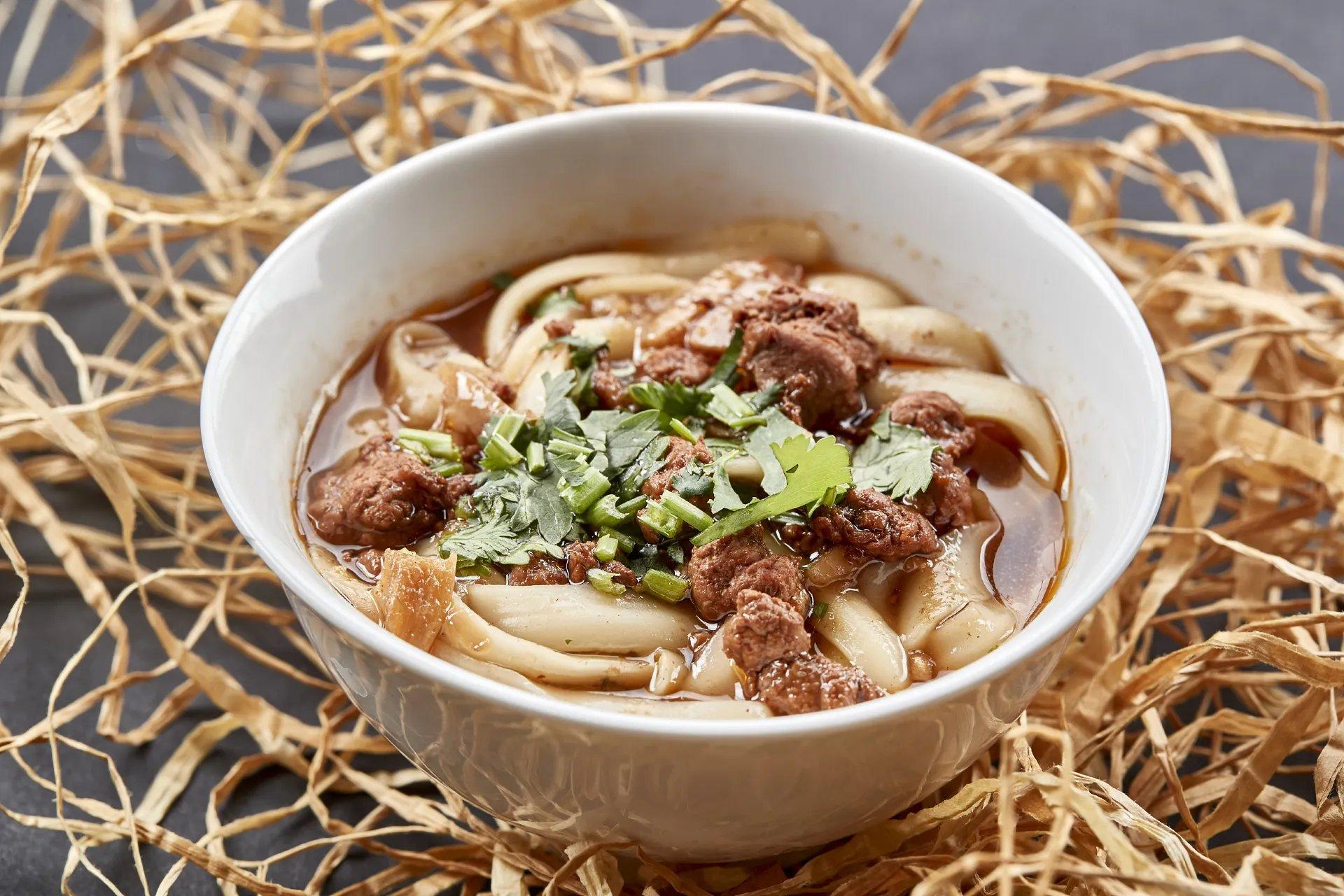
Shanxi province is celebrated for its variety of pasta dishes, among which Datong Sliced Noodles stand out as a famous traditional delicacy, earning the accolade “King of Kings” in the pasta category.

The making of Datong Sliced Noodles demands precise dough kneading techniques and exceptional knife skills, often using a specially crafted curved slicing knife.

These noodles are noted for their thin, resilient texture, resembling willow leaves, and offer a chewy, smooth, and soft eating experience.

They can be enjoyed with a variety of accompaniments:

  • Meat chunks
  • Braised eggs
  • Meatballs
  • Dried tofu
Datong Rabbit Head

Datong Rabbit Head

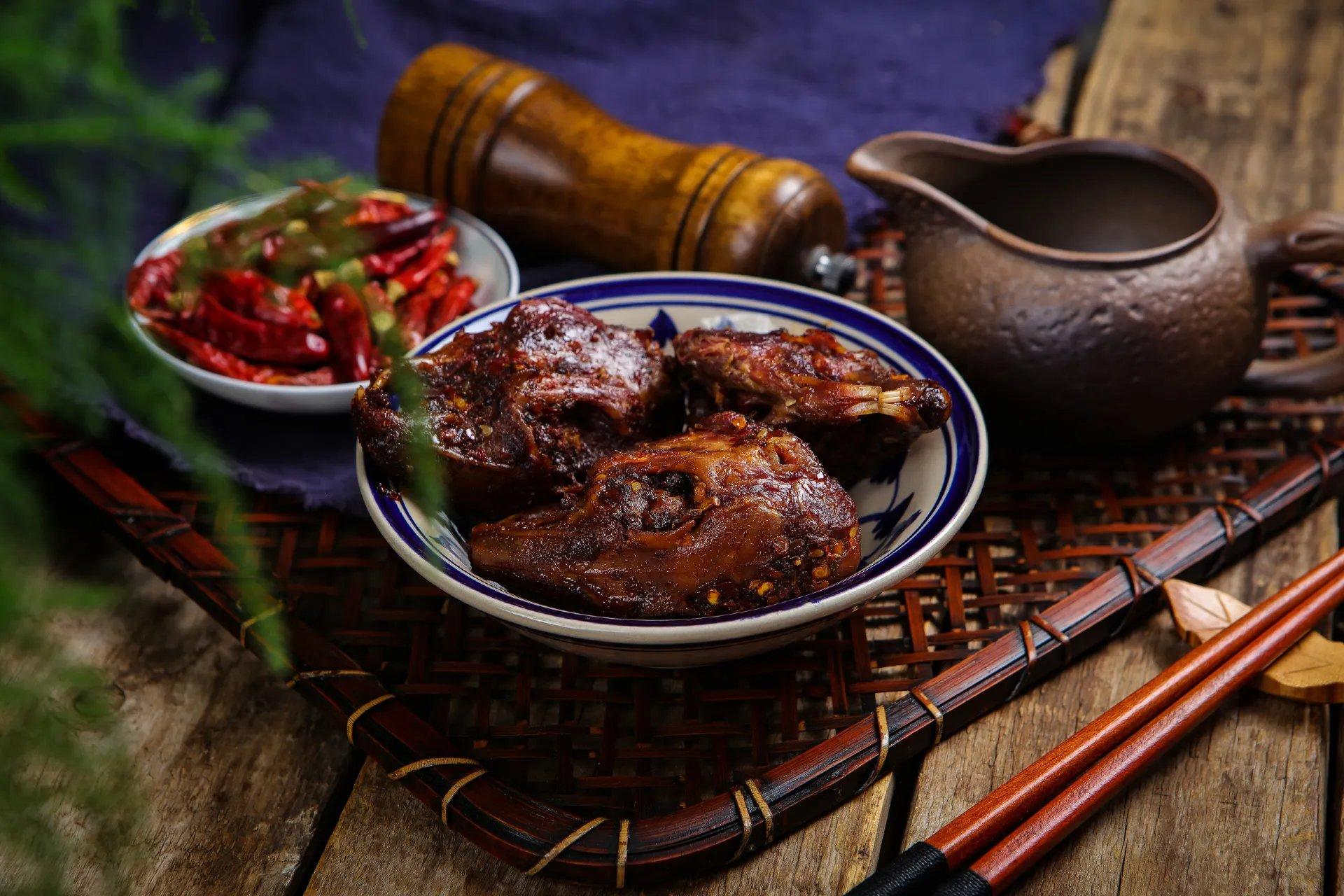
Datong rabbit head, a traditional and renowned dish from Datong, Shanxi, is known for its typical northern Chinese spicy flavor. Shuai Fu Street in Datong, bustling with numerous shops specializing in rabbit heads, is affectionately dubbed Rabbit Head Street due to its popularity.

The dish itself is prized for its tender meat, delicious flavor, and nutritional benefits, making it a favored choice among both locals and visitors.

Sticky Millet Cake

Sticky Millet Cake

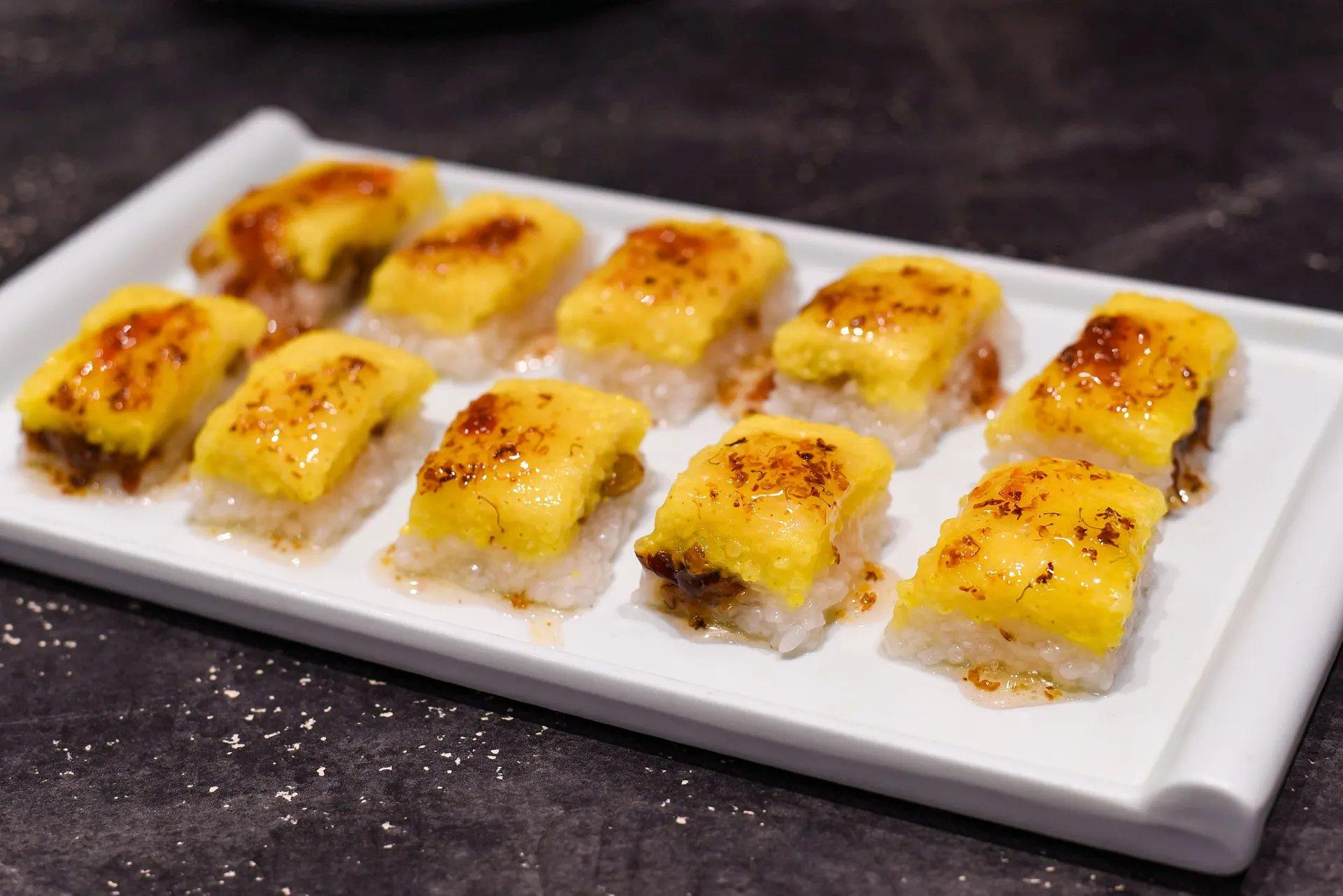
Datong Sticky Millet Cake is a traditional cake frequently found in Datong, known for its yellow color, soft texture, chewiness, and delightful fragrance.

The word 'cake' in Chinese shares the same pronunciation as 'high,' symbolizing joy and success.

  • Serving styles: Plain and fried.
  • Fillings: Red bean paste, date paste, marrow oil, sauerkraut, minced meat.
  • Chess pieces
  • Crescents
  • Triangles

Featuring a soft and tasty texture with a golden hue, Datong Yellow Cake is an essential treat during local festive occasions.

Spiced Mutton and Organ Meat Soup

Spiced Mutton and Organ Meat Soup

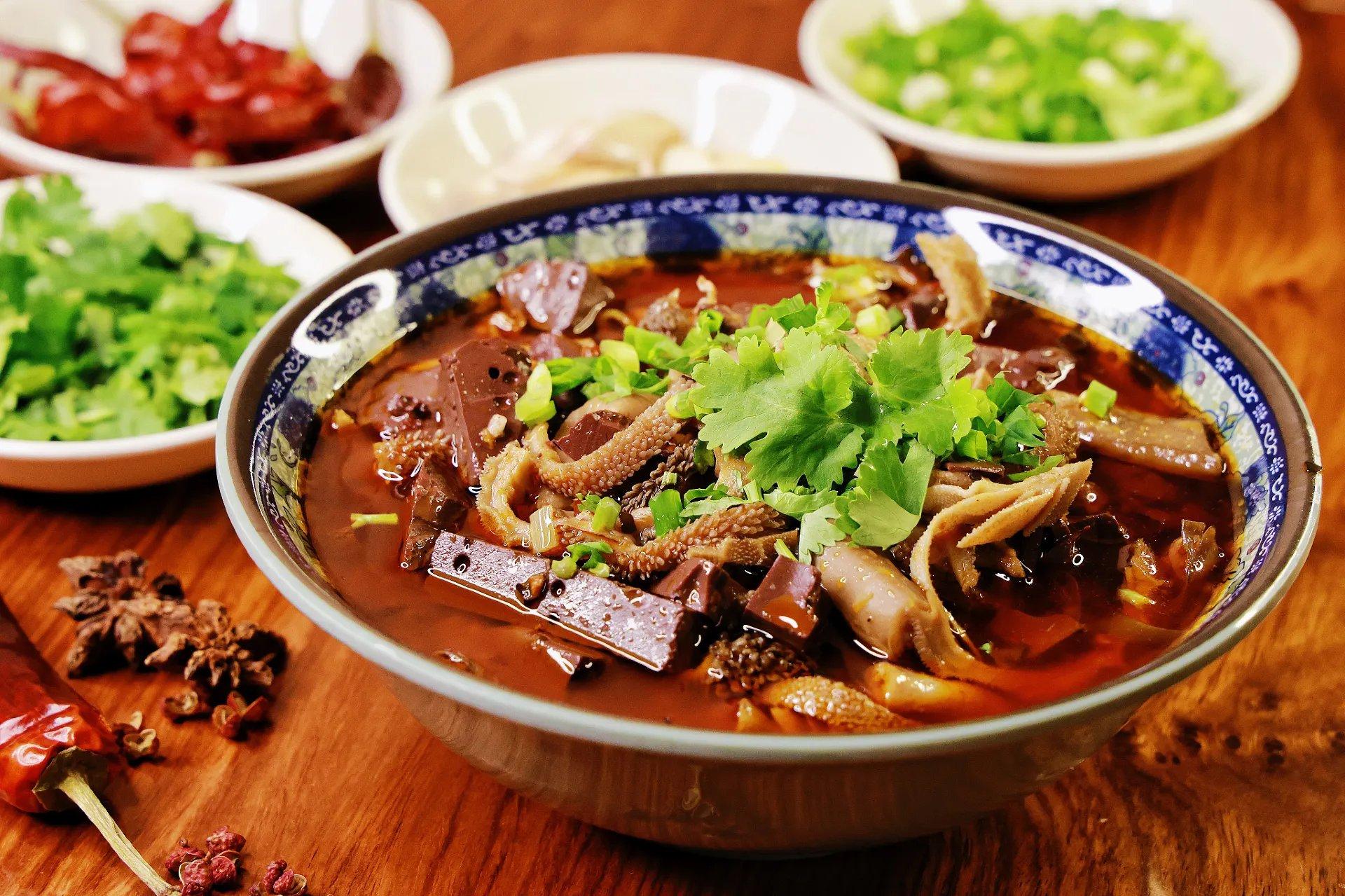
In Datong, the local specialty, Spiced mutton and organ meat soup, is prepared by finely chopping sheep's heart, liver, lungs, stomach, and intestines, and soaking them in a seasoned mutton broth.

  • Complemented with smooth yam noodles.
  • Seasoned with oil, salt, green onions, ginger, garlic, and pepper.

Served steaming hot, the soup offers a mix of red and white colors, and delivers a rich yet refreshingly ungreasy taste that is absolutely mouthwatering. Moreover, it serves as a perfect remedy for the cold, warming up the stomach. Visitors to Datong regard tasting this spicy and aromatic soup as an essential experience.

Best Time to Visit

Best visited April through October, particularly May, June, September, and October for comfortable weather.

The optimal time to visit Datong is from April to October, especially May, June, September, and October. During these months, the climate is comfortable, avoiding the extreme heat of July and August.

This period is ideal for exploring historical sites like the Yungang Grottoes and the Hanging Monastery, as well as enjoying outdoor activities under clear skies.

  • The Lantern Festival during Spring Festival offers a unique cultural experience, despite colder weather.
  • Bring warm clothing for cool autumn nights and rain gear during the rainy season from May to September.

Attraction Highlights

Key attractions include the Yungang Grottoes, Hanging Monastery, Datong Ancient City, and Hengshan Mountain.

Yungang Grottoes

Yungang Grottoes

云冈石窟

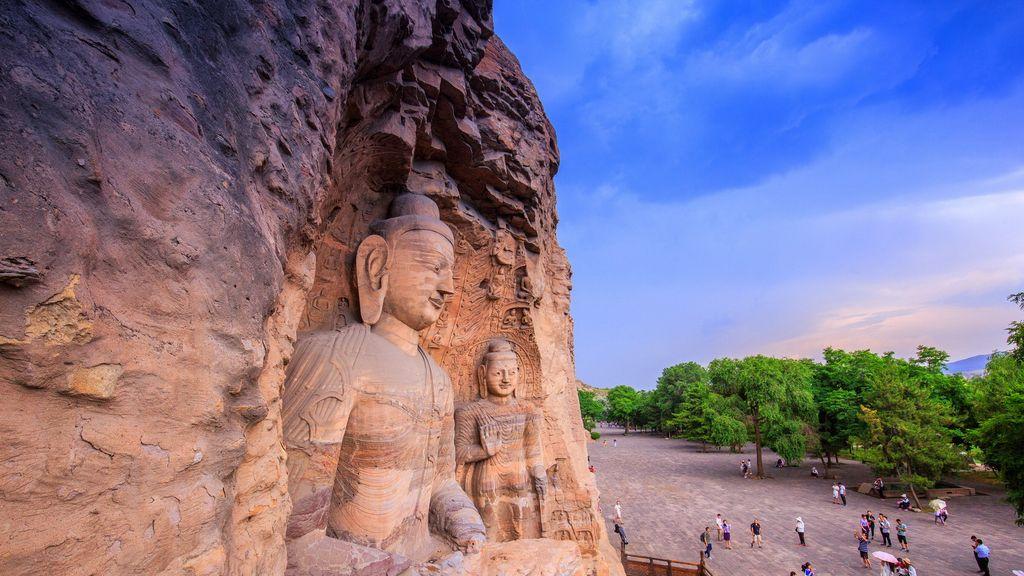
The Yungang Grottoes, a UNESCO World Heritage site near Datong, showcase 5th-century Buddhist cave art blending Chinese, Indian, and Central Asian influences. With 45 major caves and over 51,000 statues, they represent a pinnacle of Northern Wei Dynasty sculpture, reflecting a harmonious fusion of diverse artistic traditions.

3-4 hours
120 CNY
Xuankong Temple

Xuankong Temple

悬空寺

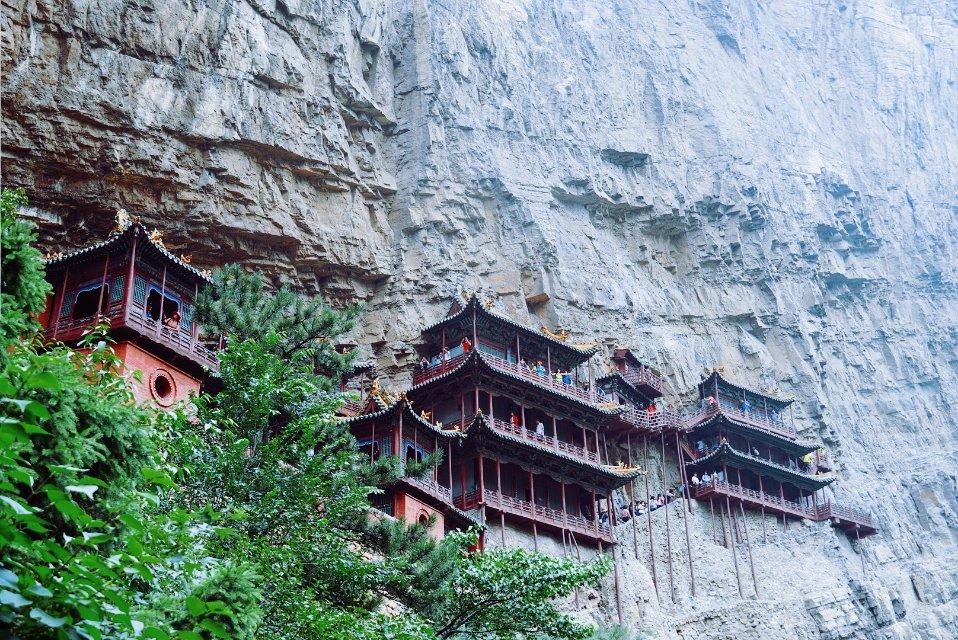
Perched dramatically on the cliffs of Cuiping Peak in Jinlong Gorge, Xuankong Temple dates back over 1,500 years to the Northern Wei Dynasty. This remarkably preserved high-altitude wooden structure appears suspended mid-mountain, cleverly integrated into the cliff face. Visitors traverse its wooden walkways to experience its extraordinary architectural ingenuity.

1-2 hours
78 CNY
Datong Ancient City

Datong Ancient City

大同古城

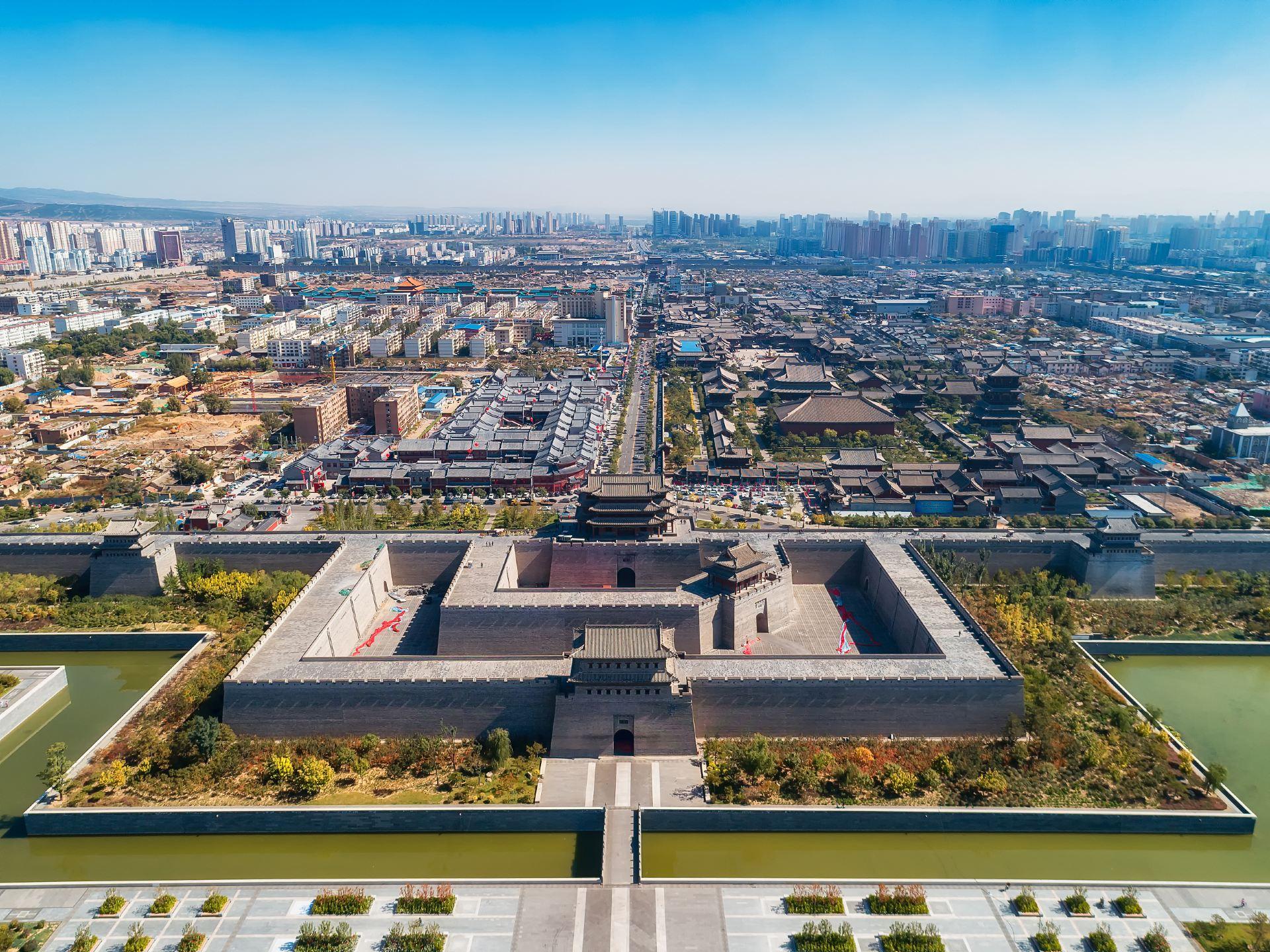
Datong Ancient City, a historic military stronghold since the Northern Wei era, showcases restored Ming-Qing style architecture. Visitors can walk the ancient city walls, explore Huayan Temple, Shanhua Temple, and the Nine Dragon Wall, and sense the layered cultural heritage from Northern Wei to Ming-Qing dynasties in its enduring layout.

1 day
78 CNY
Heng Shan Mountain

Heng Shan Mountain

恒山

Mount Heng, the northern peak of China's Five Sacred Mountains, encompasses scenic areas like Tianfengling. Renowned for its natural beauty, it is also a significant Taoist birthplace, dotted with ancient temples. Legend holds that Zhang Guolao, one of the Eight Immortals, attained enlightenment here.

0.5-1 day
78 CNY
Datong Fantawild Adventure

Datong Fantawild Adventure

大同方特欢乐世界

Datong Fantawild Adventure in Yudong New District offers over 20 themed areas with 200+ attractions, blending sci-fi and interactive experiences. Highlights include the suspended roller coaster Fire Meteor, indoor rafting Escape from Dinosaur Island, and the 4D theater Conch Bay, catering to all ages.

0.5-1 day
159 CNY

FAQ

What's the most popular attractions in Datong?
The most popular attractions in Datong include the Yungang Grottoes, the Hanging Temple, and Datong Fantawild Adventure.
Things to do near Datong for family & child?
Family-friendly activities near Datong include visiting the Yungang Grottoes, Datong Fantawild Adventure, Datong Ancient City Wall, Weidu Water World, and the Nine Dragons Wall.
Last updated 10/8/2026 · published