Chongqing

China · Chongqing

Chongqing

Mountain metropolis on the Yangtze with multi-tiered cityscape and spicy cuisine

Best for

Mountain CityscapeSpicy HotpotRiver ViewsCultural Heritage

Recommended stay

3-4 days

Best season

Spring and autumn for mild weather

Location

China, Chongqing

Snapshot

City Snapshot

A city at a glance

6 dimensions · 1–5 scale

PandaLoco's read of six travel-relevant dimensions on a 1–5 scale, built from public datasets and our travel criteria.

It describes the city's profile. It is not a ranking of better or worse cities.

Basis: Public datasets and PandaLoco travel criteria

Overview

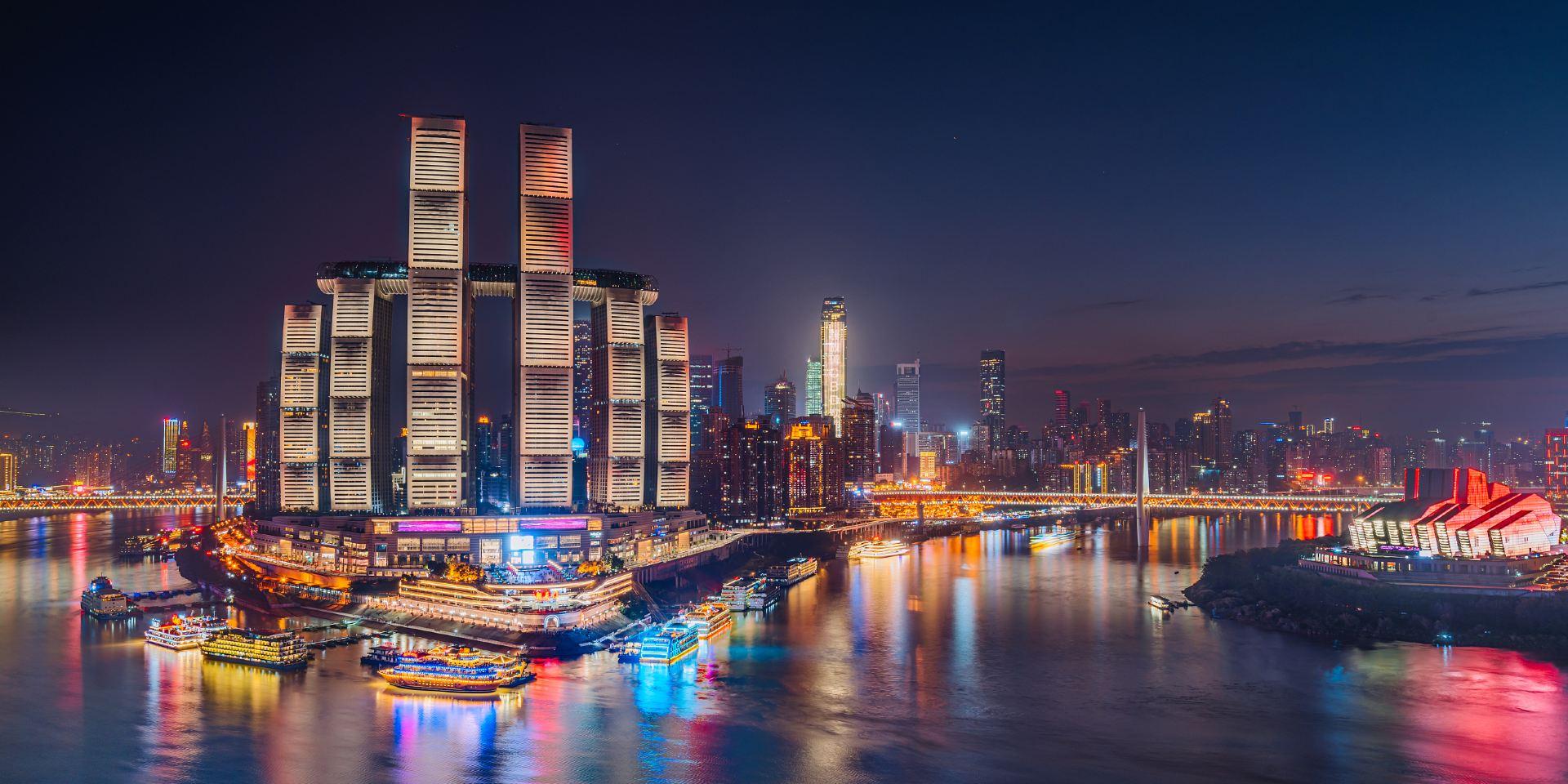
Chongqing is a mountain metropolis on the Yangtze River, featuring a multi-tiered cityscape carved into hills, riverside neon, and famous spicy cuisine.

Ideal Pace

3-4 days

Seasonal Window

Spring and autumn for mild weather

Overview

China's mountain metropolis on the Yangtze with a multi-tiered cityscape, riverside neon, misty valleys, and famous spicy cuisine.

Brief Guide

Chongqing, China's mountain metropolis on the Yangtze River, stuns with a multi-tiered cityscape carved into steep hills, where riverside neon meets misty valleys. Explore its delicious spicy cuisine, hilly terrain, and unique city views. This guide will help you plan your perfect Chongqing adventure.

Getting There & Around

Chongqing Jiangbei International Airport (CKG) is 25 km northeast of downtown. Metro: 15 lines covering Hongyadong, Ciqikou, and other attractions.

How to Get There

Chongqing, a vast municipality in southwest China, is a major transportation hub accessible by air, rail, bus, or road from international and domestic locations.

  • By Air: Chongqing Jiangbei International Airport (CKG) is the primary gateway, located about 25 km northeast of downtown, serving international and domestic flights. To reach the city center from CKG, take Metro Line 10 (45–60 minutes, ¥3–12) to stations like Hongqihegou. Airport shuttles (60–90 minutes, ~¥20–35) serve areas like Jiefangbei and North Railway Station. Taxis cost ~¥70–130 depending on traffic
  • By Train: Chongqing North Railway Station is the largest hub for high-speed trains (G-series), connecting to Chengdu (1.5–2 hours), Beijing (10–12 hours), Shanghai (10.5–12 hours), Xi’an (5–6 hours), and other major cities. Chongqing West and East Railway Stations handle high-speed and regional routes. Chongqing Station (Caiyuanba) manages slower trains. All major stations connect to the metro
  • By Bus: Chongqing Long-distance Bus Terminal and Shapingba Station connect to regional destinations like Wulong (3 hours) or Dazu (2 hours)
  • By Road: Driving or private transport is possible via expressways like the G50 (to Shanghai) or G65 (to Chengdu). Road travel is less recommended for international visitors due to complex driving regulations, language barriers, and Chongqing’s hilly terrain

Local Transportation

Chongqing’s public transportation is efficient and affordable, with English signage in metro stations and key areas, though its hilly topography can complicate navigation.

  • Metro: Chongqing Rail Transit (CRT) has 15 lines covering all major attractions like Hongyadong, Ciqikou Ancient Town, and Liziba’s “train-through-building.” Lines 2 and 3 use monorail designs to navigate the terrain. Operating hours are 6:00 AM–11:30 PM. Fares are distance-based, ¥3–15. Single-journey tickets can be purchased at vending machines (English interface, accepts ¥1 coins and ¥5–20 bills). The Yikatong Card is rechargeable, offers a 10% metro fare discount, and is valid for buses and ferries. Mobile QR codes can be used via Alipay/WeChat “Chongqing Public Transport Code” mini-program. Keep tickets until exiting; use Gaode Maps for navigation. Lines may be at different elevations due to hilly terrain
  • Buses: An extensive network complements the metro and covers areas beyond metro reach, like Nanshan Scenic Area. Less tourist-friendly due to signage and announcements in Chinese only. Use Gaode Maps or Amap to plan routes
  • Fares: ¥2–15, payable via cash (exact change), Yikatong card, or Alipay/WeChat QR codes
  • Taxis and Ride-Hailing: DiDi is the primary ride-hailing app with an English interface
  • Bicycles: Bike-sharing (Meituan, HelloBike) is limited due to hilly terrain, best for flat areas like Jiefangbei CBD
  • Cost: ~¥1–2 per 30 minutes via mobile apps
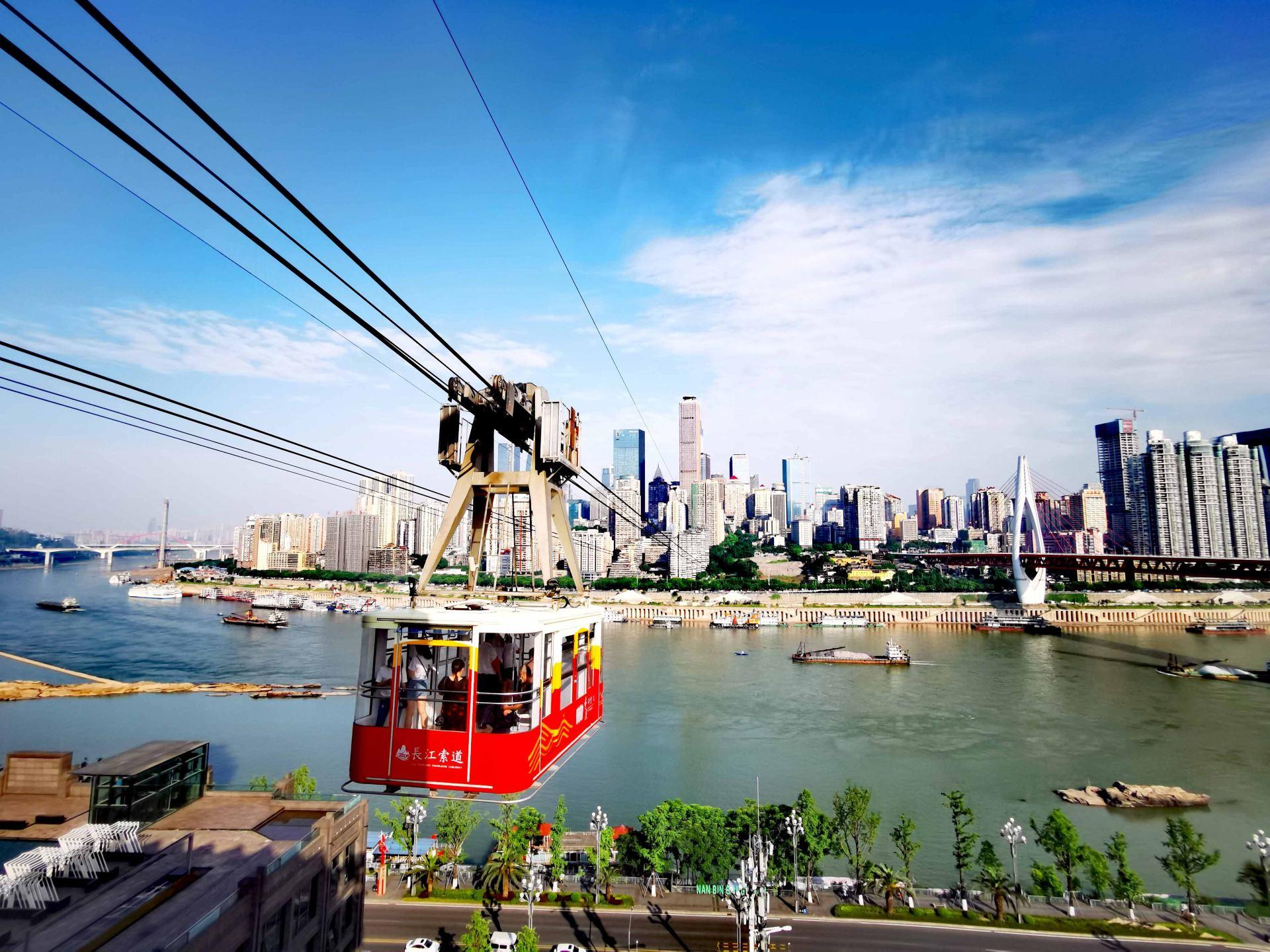
  • Cableways: The Yangtze River Cableway provides scenic cross-river transport between Yuzhong and Nan’an districts, near Hongyadong
  • Fares: ~¥10–20, payable via Yikatong card or mobile payments. Popular for tourists; expect queues during peak times. Book via "CQ Cableway" WeChat for timed slots

Practical Information

Mandarin official, English signage in tourist areas. WeChat, Alipay essential. China Mobile prepaid SIMs with 5G. Digital payments; CNY currency.

Local Language

Mandarin Chinese is the official language. English signage is widespread in tourist areas, but English is not widely spoken.

Local Apps

  • WeChat: China’s all-in-one app for messaging, social media, and digital payments. English interface available
  • Alipay: A leading payment app for cashless transactions at restaurants, shops, and public transport. Its “Transport” feature supports metro and taxi payments. English version available
  • DiDi: China’s top ride-hailing app, offering taxi and private car services with an English interface. Integrates with Alipay or WeChat for seamless payments
  • Gaode Maps: The most reliable navigation app in China, offering detailed maps, real-time traffic, and transit routes for metro and buses. Superior to Google Maps for local accuracy
  • Alternative: Amaps app
  • Youdao Dictionary: A Chinese-English dictionary and translation app, perfect for communicating with non-English-speaking taxi drivers or reading menus. Includes offline OCR for scanning signs

Internet and Communication

Staying connected in Chongqing is essential for navigation, payments, and communication, given China’s reliance on mobile apps and limited access to some Western services. eSIMs: eSIMs are a convenient option for travelers, enabling instant activation without the need for a physical SIM card. Purchase online before your trip; activate upon arrival. Ensure your device supports eSIM.

  • Local SIM Cards: Local SIMs from providers like China Mobile, China Telecom, or China Unicom offer reliable 4G/5G coverage in Chongqing. Available at airports or official provider shops. Present your passport at the time of purchase; airport staff can assist with setup. China Unicom often has better English support
  • Wi-Fi: available in hotels, hostels, and some cafes (e.g., Starbucks) but less common in public spaces like parks or streets. Many Wi-Fi networks require a Chinese phone number for SMS verification

Currency and Payment

The official currency is the Chinese Yuan (CNY, ¥), also known as Renminbi (RMB). Notes come in denominations of ¥1, ¥5, ¥10, ¥20, ¥50, and ¥100; coins are available in denominations of ¥0.1, ¥0.5, and ¥1.

  • Digital Payments: Chongqing is largely a cashless city, with mobile apps dominating transactions. WeChat Pay and Alipay are widely accepted. Link a foreign bank card (Visa/Mastercard) to WeChat or Alipay before arrival
  • Cash: Cash is rarely needed but can be useful for small vendors (e.g., street food stalls), single-ride tickets on public transportation, or in rural areas. Carry small denominations (¥1–20) for convenience
  • Credit/Debit Cards: Visa and Mastercard are accepted at major hotels, upscale restaurants, and some retailers in Chongqing, but less common at smaller venues. American Express is rarely accepted. Notify your bank of travel plans to avoid card blocks
  • ATMs and Cash Withdrawals: ATMs accepting foreign cards (Visa/Mastercard) are widely available at banks, airports, and shopping areas. Most offer English interfaces. Look for PLUS (Visa) or Cirrus (Mastercard) logos. American Express is rarely accepted, except at select ATMs in airports or high-end hotels
  • Fees: ¥10–15 per withdrawal (some banks waive for partners)
  • Home bank fees: ~3% + $5 (check your issuer)
  • Currency conversion fee: 1–3% (Visa/Mastercard rate)
  • Reliable Banks: Bank of China, ICBC, China Construction Bank, HSBC China

Top Experiences

Discover Chongqing's vertical cityscape: Jiefangbei's Kuixing Tower, Liziba Station light rail through building, and Baixiangju's aerial corridors.

Must-try local experiences

Discover Chongqing's

  • Vertical Cityscape: Chongqing's hilly terrain creates a layered cityscape, with buildings stacked on cliffs. Explore Jiefangbei's Kuixing Tower, where high floors open to plazas, see Liziba Station's light rail cut through a building, and wander Baixiangju's aerial corridors. This journey through Chongqing's vertical design reveals its bold, multi-level architecture
  • Ride the Yangtze Cableway: Cross the Yangtze River on the 1,160-meter Yangtze River Cableway, linking Chongqing's banks. View Jiefangbei's downtown skyline, cliffside homes, and ships below. At night, city lights shine brightly. This short ride captures Chongqing's dramatic riverside and urban expanse with striking clarity
  • Savor Numbing-Spicy Cuisine: Taste Chongqing's fiery hot pot, numbing Sichuan peppercorns, spicy broth, featuring tripe and duck intestine. Slurp Chongqing noodles, blending ma-la flavors, try spicy noodles and grilled fish at Bayihaochijie or Guanyinqiao Pedestrian Streets. This bold cuisine, distinct from typical chili heat, ignites the palate
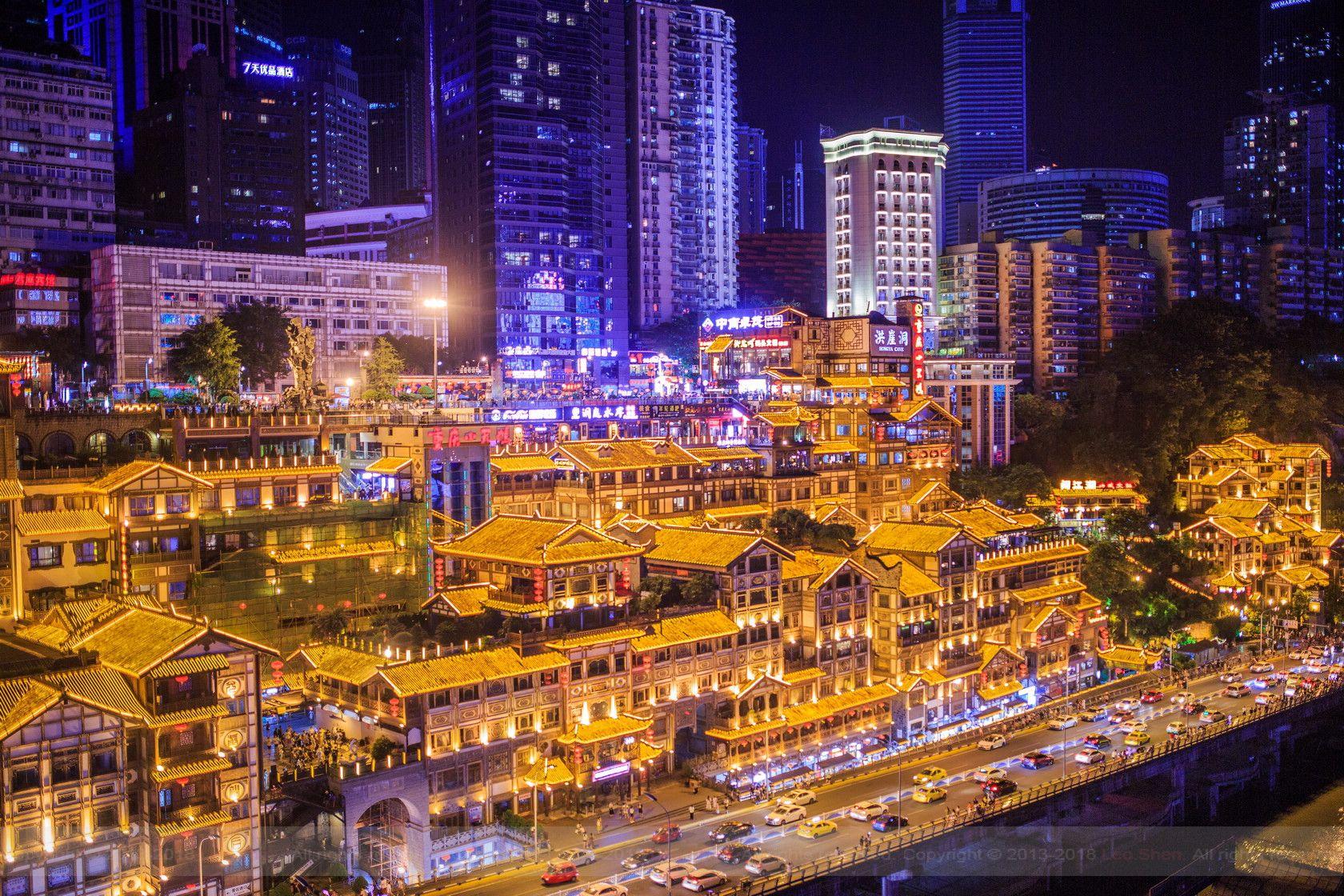
  • Capture Night City Views: From Nanshan A Tree Viewing Platform, a hilltop lookout, see Chongqing's skyline glow with skyscraper lights. Photograph Hongya Cave's stilt houses from Jiangbei's riverside, where the Yangtze reflects neon. Reachable by metro or taxi, these spots showcase Chongqing's dazzling nighttime charm. Wander Chongqing's
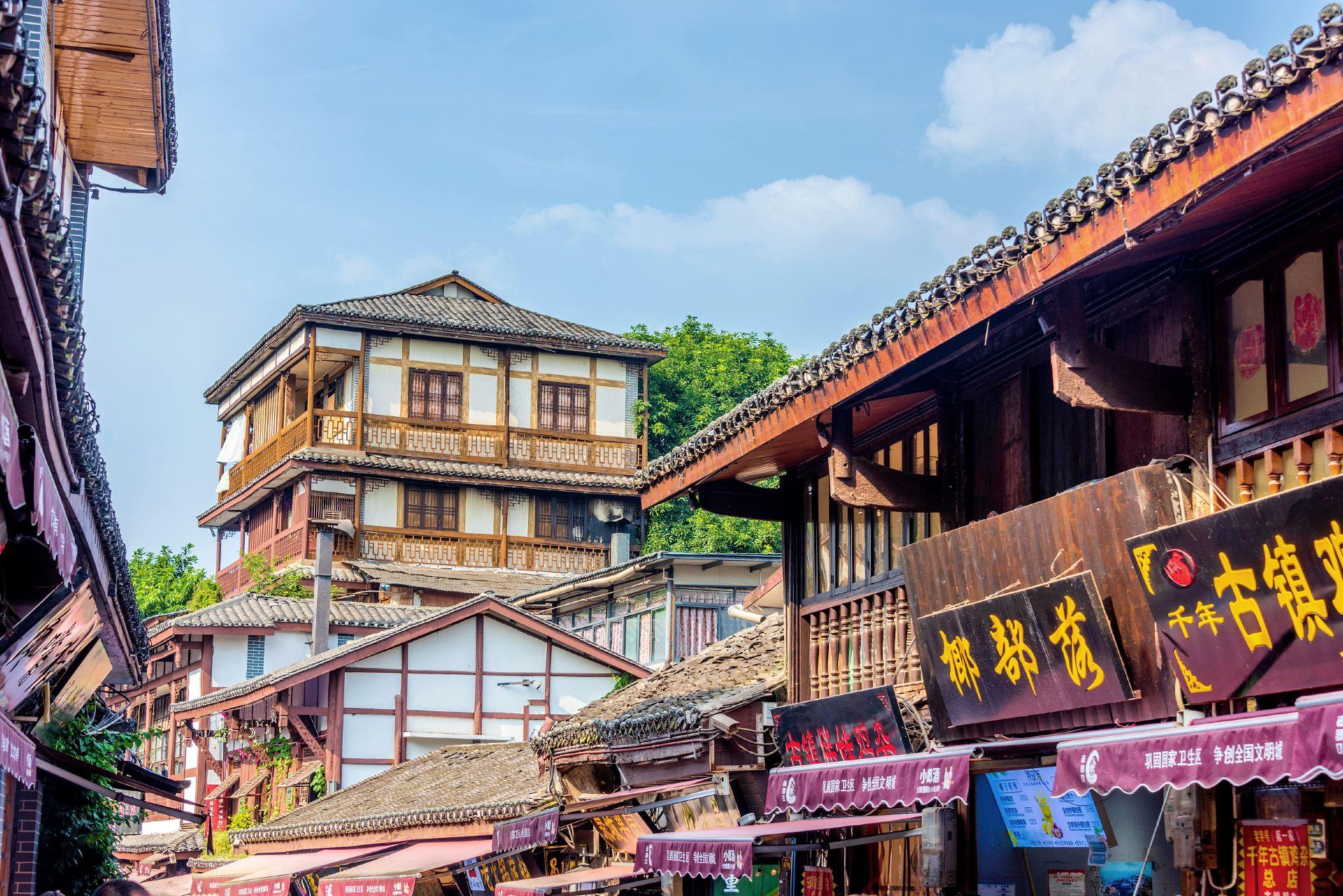
  • Historic Alleys: Explore Ciqikou Ancient Town's bustling alleys, rooted in Bayu culture, or Shancheng Lane Traditional Style Area's stone paths with river views. Visit Xihao Old Street's tea houses under Huangge trees and Huangjueyalao Street for bean curd rice. These historic lanes offer a vivid glimpse into Chongqing's past
  • Discover Famous Ancient Carvings: Visit the Dazu Rock Carvings, a UNESCO site 2 hours from downtown, at Baodingshan Scenic Area. Admire cliffside Buddhist statues, like the Reclining Buddha and Thousand-Hand Guanyin, with intricate details. These ancient artworks, carved into Chongqing's hills, highlight China's stone-carving legacy. Cruise Chongqing's
  • Mighty Rivers: Board a Yangtze River night cruise for views of Hongya Cave's glowing stilt houses and Jiefangbei's skyline, or take a multi-day trip to the Three Gorges' towering cliffs. With options for short or extended journeys, these cruises reveal Chongqing's riverfront beauty and scenic grandeur. Explore Jiefangbei's
  • Urban Buzz: Wander Jiefangbei Pedestrian Street, Chongqing's lively downtown, with shops, street food stalls, and rooftop cafes. Visit the People's Liberation Monument, a historic landmark amid skyscrapers. This vibrant district, blending local eats and social vibes, makes for a dynamic urban adventure. Venture into Wulong Karst's
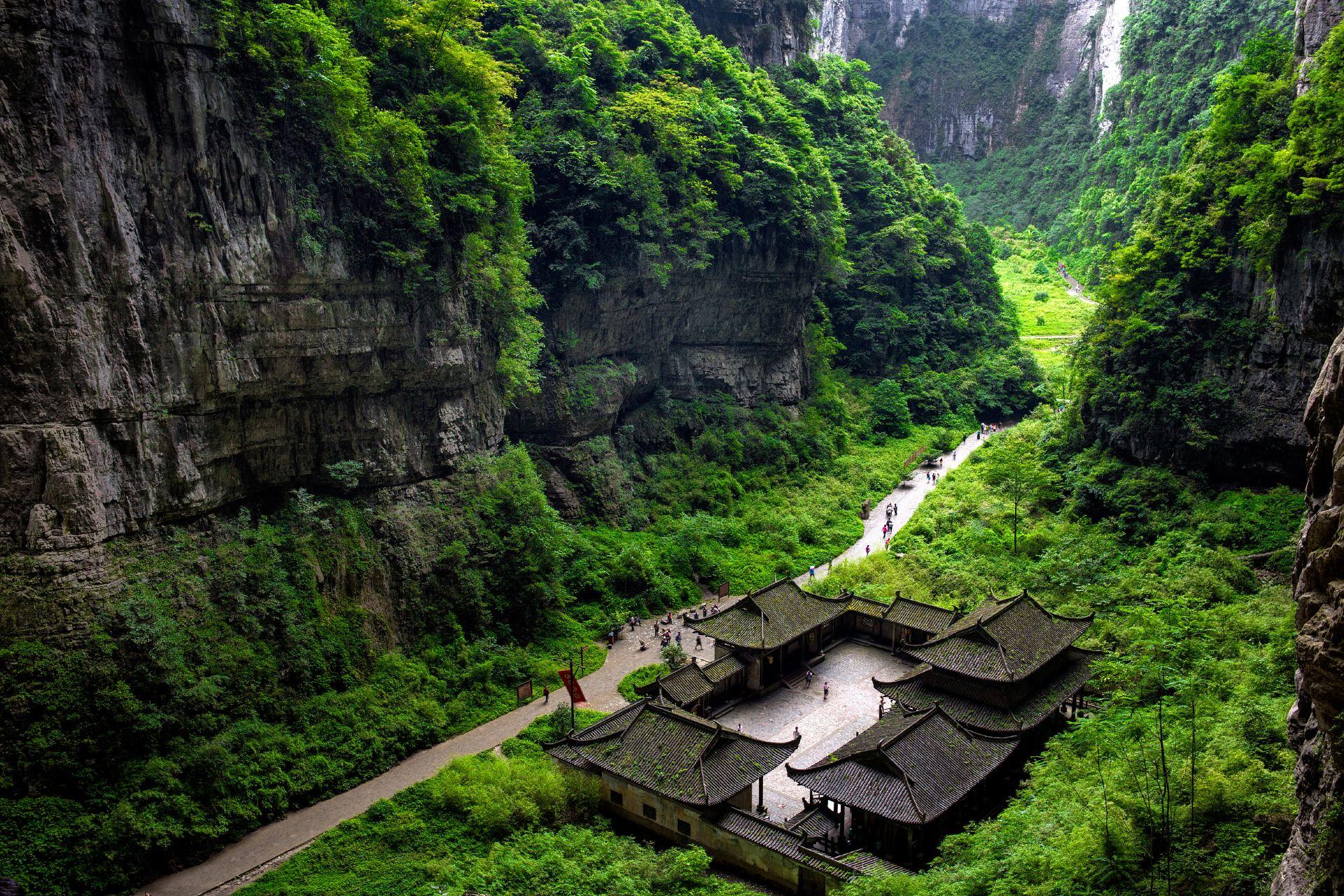
  • Landscapes: Discover Wulong Karst National Geology Park, a UNESCO site 3 hours from Chongqing. Hike through the Three Natural Bridges towering arches or explore Furong Cave's stalactites. This day trip unveils Chongqing's rugged karst peaks and dramatic scenery, a natural wonder for adventurers. Ride Chongqing's
  • Unique Light Rail: Ride Line 2's light rail, an engineering marvel where trains pass through a residential building at Liziba Station, a viral global sight. Enjoy elevated views of the Yangtze River and Chongqing's skyline. This short transit journey blends quirky innovation with urban sightseeing
  • Discover Local Museums and Art: Explore the Three Gorges Museum for Bayu culture and Three Gorges Dam history. Visit Sichuan Fine Arts Institute for contemporary works and Luohan Si Temple's Buddhist art exhibits. These cultural hubs showcase Chongqing's rich historical and artistic legacy

Food Highlights

Chongqing hotpot, Xiaomian (spicy noodles), Chuan Chuan skewers, and hot and sour noodles are iconic spicy local dishes.

Chongqing's cuisine is renowned for its spicy, fresh, and fragrant characteristics. From the spicy oil-dipped hotpot and Chuan Chuan to the al dente and chewy Xiaomian and Hot and Sour Noodles, to the gold ingot-shaped wontons, all reflect this mountain city's love and pursuit of spicy flavors and rich ingredients.

Chongqing Hotpot

Chongqing Hotpot

Known as the 'City of Hotpot,' Chongqing hotpot is famous for its spiciness, freshness, and oiliness. It is a traditional cuisine that originated on the banks of the Jialing River during the late Ming and early Qing dynasties.

  • Varieties: Evolved from traditional tripe hotpot to clear broth hotpot and yuanyang (mixed) hotpot.
  • Selection: Includes beef tripe, pork throat, duck intestines, and beef blood curd.
  • Seasonings: Made from Pixian broad bean paste, Yongchuan fermented black beans, Ganzi butter, and Hanyuan Sichuan pepper.

Chongqing hotpot emphasizes the use of broth and natural flavors. Diners can choose ingredients according to personal taste, adjust the heat, control the duration of the meal, and enjoy an interactive dining experience.

Chongqing Xiaomian

Chongqing Xiaomian

Chongqing Xiaomian (spicy noodles) is one of the four distinctive features of Chongqing, belonging to Sichuan noodle dishes, represented by spicy vegetarian noodles, and an indispensable element of Chongqing's breakfast culture.

Chongqing Xiaomian are chewy with rich seasonings.

  • Lard
  • Spicy oil
  • Soy sauce
  • Vinegar
  • Green onions
  • Ginger and garlic water
  • Sesame
  • Sichuan pepper powder

The seasonings can be customized according to personal preferences, such as 'less spicy,' 'extra spicy,' or 'no garlic'.

In recent years, with the emergence of pre-made Chongqing Xiaomian, they have started to spread across the country and even the world, becoming a characteristic industry of Chongqing.

Chongqing Xiaomian shops are scattered throughout the streets and alleys of Chongqing, with an average daily sale of 13 million bowls of noodles.

Chuan Chuan

Chuan Chuan

Chongqing's Chuan Chuan is a snack where various vegetables are skewered on bamboo sticks and dipped into a boiling hotpot. It is characterized by its spicy, delicious, and juicy flavors.

The base is mainly beef fat, spicy and fragrant, hot but not dry, with an aroma that overflows, embodying the spicy life of Chongqing people.

Ingredients are diverse, with freshness guaranteed.

  • Meats
  • Vegetables
  • Bean products

Beef Chuan Chuan is especially popular, paired with fresh coriander or pickled peppers for a unique flavor.

Chongqing Hot and Sour Noodles

Chongqing Hot and Sour Noodles

Chongqing Hot and Sour Noodles is a popular traditional local snack made from sweet potato and pea starch noodles, with a firm and chewy texture and spicy and sour taste, known as 'the best noodles under heaven.'

The preparation is meticulous, with chili oil being the soul, requiring a blend of spices and ingredients, paired with broth and seasonings, ensuring each bite offers an explosive taste.

It is often accompanied by bean sprouts, coriander, and pickled vegetables to add layers of texture.

It is best eaten hot.

Chongqing Wontons

Chongqing Wontons

Chongqing wontons are a traditional delicacy with a history of over 1500 years, known for their thick skin and ample filling, resembling gold ingots.

The meat filling is a mix of 30% fat and 70% lean, seasoned and wrapped in dough, then boiled and served with red oil broth and greens, offering a smooth and delicate taste.

  • Red oil: particularly loved for their spicy and aromatic broth.

Best Time to Visit

Spring (March–May) and fall (September–November) are optimal with mild weather and clear skies. Spring brings cherry blooms at Nanshan Botanical Garden.

Spring (March–May) and Fall (September–November) are Chongqing’s optimal seasons, offering mild weather, clear skies, and ideal conditions for exploring its dramatic landscapes, riverside attractions, and fiery cuisine.

  • Spring: 2–25°C (54–77°F), with light rain and decreasing fog. Cherry blooms at Nanshan Botanical Garden (peak: late March). Wulong Karst without summer crowds; cable cars offer mist-free views
  • Summer: Hot, humid 28–40°C (82–104°F), with intense thunderstorms
  • Fall: Crisp, sunny 16–26°C (61–79°F); minimal fog. Golden ginkgos along the Yangtze Riverwalk, hot springs at Beiwenquan (Beibei District). Chongqing Hot Pot Food Culture Festival (October) with riverside dining and spice competitions
  • Winter: Chilly, foggy 5–10°C (41–50°F); rare light snow in highlands. See the mist-shrouded skyscrapers and neon-lit hillsides ("Fog City" magic)
  • Budget Perk: Hotels drop 30% (except New Year’s Eve and Spring Festival)

Attraction Highlights

Yangtze River Cableway, Three Natural Bridges (Wulong Tiankeng), Hongyadong stilted buildings, Ciqikou Ancient Town, and Two-River Cruise.

Yangtze River Cableway

Yangtze River Cableway

长江索道

Spanning the Yangtze River from Yuzhong to Nan’an District, the Yangtze River Cableway offers sweeping views of Chongqing’s skyscrapers, the river, and the south bank. A ride at night reveals the city’s celebrated skyline, and its frequent appearances in film and television underscore its iconic status.

0.5-2 hours
30 CNY
Three Natural Bridges

Three Natural Bridges

武隆天生三桥

Wulong's Three Natural Bridges, a UNESCO World Heritage Site, features three majestic karst arch bridges—Tianlong, Qinglong, and Heilong—spanning a vast sinkhole. This dramatic landscape, Asia's largest natural bridge group, served as a filming location for 'Curse of the Golden Flower' and 'Transformers 4'.

2-3 hours
154 CNY
Hongya Cave Cultural Center

Hongya Cave Cultural Center

洪崖洞民俗风貌区

Hongya Cave Cultural Center sits at the confluence of the Yangtze and Jialing rivers in Yuzhong District. Its stilted Diaojialou architecture reflects traditional Bayu style. Visitors can explore old Chongqing streets, enjoy river views, sample local cuisine, and capture the dazzling night scenery.

1-3 hours
Free
Ciqikou

Ciqikou

磁器口古镇

Ciqikou Ancient Town, once a bustling Ming Dynasty dock, lies near downtown Chongqing. Stroll its ancient streets to discover traditional architecture, savor local specialties like Mao Xuewang and Chen Fried Dough Twist, or relax in a teahouse while soaking up the nostalgic atmosphere of old Chongqing.

2-4 hours
Free
Chongqing Two Rivers Cruise

Chongqing Two Rivers Cruise

重庆两江游

Experience Chongqing’s dazzling nightscape on a cruise along the Yangtze and Jialing rivers. Glide past iconic landmarks and witness the city’s dramatic multi-dimensional skyline, where mountains, bridges, and overpasses converge at the river junction, revealing the vibrant pulse of this unique metropolis.

1-2 hours
138 CNY

FAQ

Things to do near Chongqing for family & child?
You could try Chongqing Happy Valley, Yangtze River Cableway, Ciqikou Ancient Town, Chongqing Zoo, and Ronghui Hot Springs in Chongqing.
How to get to Emeishan from Chongqing?
You can take the bus from Caiyuanba Bus Station. The fare is 130 to 150 yuan. Buses depart at 9:00 and 11:00 daily, and the journey takes 6-7 hours. Alternatively, you can take a train from Chongqing to Chengdu, then transfer to a train to Kunming. This route takes only 4-5 hours on the road. We took the train and during the layover, we went to Wenshuyuan for a snack and then headed to Emei Railway Station. After arriving, take Bus No. 1 (fare 1 yuan) to the fountain, then cross the road and take Bus No. 5 (1.5 yuan) to Baoguo Temple or the Emeishan Passenger Transport Center. This is more economical. If you leave Chongqing at 12 noon, you can likely reach the Emei Mountain Scenic Area by 7 pm. I hope this helps, and wish you a pleasant trip!
How to get to Chengdu from Chongqing?
First, take a train from Cangnan to Shanghai Hongqiao Station, then take a train from Shanghai Hongqiao Station to Chongqing North or Chengdu East. There are 9 trains daily from Cangnan to Shanghai Hongqiao, with the latest arrival at 22:49. There are two trains from Shanghai Hongqiao to Chengdu, departing at 6:00 and 6:36 am. So no matter how you transfer, you will need to stay overnight at Hongqiao Railway Station.
How to get to Jiuzhaigou from Chongqing?
The long-distance bus from Chongqing to Jiuzhaigou departs from Caiyuanba Bus Station. Alternatively, take a train to Chengdu, then take a bus to Jiuzhaigou from Xinnanmen Bus Station.
How to get to Wulong from Chongqing?
Chongqing Longtousi Tourist Center has a shuttle bus to Wulong Fairy Mountain every day. You can also take a train from Chongqing North Railway Station to Wulong.
How to get to Jiuzhaigou from Chongqing?
The long-distance bus from Chongqing to Jiuzhaigou departs from Caiyuanba Bus Station. Alternatively, take a train to Chengdu, then take a bus to Jiuzhaigou from Xinnanmen Bus Station.

Local Moments

Explore the Wulong Three Natural Bridges, a fairyland shrouded in mist 🏞️

Wulong Three Natural Bridges and Longshuixia Fissure offer dramatic karst landscapes with stone archways, deep gorges, and waterfalls. The valley trail takes 2-3 hours with many stairs; slip-resistant shoes recommended. Longshuixia is a narrow, humid fissure with boardwalks and rainbows in late afternoon. Evening hot pot in a former air-raid shelter in Chongqing.

naturehikinggeologyfood

Wulong Three Natural Bridges · Tianlong Bridge · Qinglong Bridge · Heilong Bridge · Longshuixia Fissure · Chongqing

Chongqing 5 Days Itinerary

The Ring Mall in Chongqing features a seven-story botanical garden, waterfall, floating islands, basketball court, and diverse restaurants. Open 10 AM to 10 PM. Known for unique Chinese clothing brands.

shoppingarchitecturefood

The Ring Mall · Chongqing

Unlocking off-the-beaten-path experiences at Tongguanyi, a thousand-year-old town hidden away by Chongqing locals.

A traveler recounts a 4-day, 3-night Yangtze River Three Gorges cruise from Chongqing to Yichang. Highlights include navigating Chongqing's vertical streets, dining at a hotpot restaurant inside an old air-raid shelter, and observing misty gorges. Recommends upgrading to a balcony room for early morning views, bringing snacks, and skipping optional shore excursions to enjoy the cruise pace. Notes that overcast weather enhances the landscape's ink-wash painting feel.

cruisescenic viewsfoodtransportation

Chongqing · Yangtze River · Three Gorges · Qutang Gorge · Wu Gorge · Xiling Gorge · Hongyadong · Yichang

Stop! Don’t book until you know this.

Chongqing is a multi-layered city with skyscrapers on cliffs and neon-lit streets. Key attractions include Hongya Cave (cliffside complex, best at night), Liziba Metro (train through a building), Raffles City (observation deck with river views), Kuixing Building (bizarre cliffside architecture), Yangtze River Cableway (cable car across the river), Ciqikou Ancient Town (traditional streets and food), Chongqing Grand Theatre (futuristic building, night skyline), Nanshan Viewpoint (panoramic city view), Longmenhao Old Street (cafes and skyline), and food streets like Bayi Road and Jiefangbei for hot pot and noodles.

attractionsfoodtransportationnightlife

Hongya Cave · Liziba Metro · Raffles City Chongqing · Kuixing Building · Yangtze River Cableway · Ciqikou Ancient Town · Chongqing Grand Theatre · Nanshan Viewpoint · Longmenhao Old Street · Bayi Road Food Street · Jiefangbei Food Street

Misty bamboo forest stall tour

Jiufeng Mountain in Chongqing offers a hiking experience through coniferous forests with a viewing platform and a summit pavilion. The Jiufeng Yaochi pools are less impressive than advertised, but the mountain itself provides scenic views, especially in March with plum blossoms and rapeseed flowers. The hike is moderate, suitable for families and elderly. Farmhouses along the way offer food and rest. Free admission, parking available.

hikingnaturescenic views

Jiufeng Mountain · Jiufeng Yaochi · Golden Phoenix Pond · Phoenix Dance Pavilion

Last updated 10/8/2026 · published