Chaozhou

China · Guangdong

Chaozhou

Historic city with preserved ancient streets, Teochew architecture, and Chaoshan cuisine.

Best for

Paifang StreetChaozhou cuisineGongfu teaGuangji Bridge

Recommended stay

2-3 days

Best season

January and March (pleasant ~19°C)

Location

China, Guangdong

Snapshot

City Snapshot

A city at a glance

6 dimensions · 1–5 scale

PandaLoco's read of six travel-relevant dimensions on a 1–5 scale, built from public datasets and our travel criteria.

It describes the city's profile. It is not a ranking of better or worse cities.

Basis: Public datasets and PandaLoco travel criteria

Overview

Chaozhou in eastern Guangdong features Paifang Street, Guangji Bridge, and rich Teochew culture. Known for Chaoshan cuisine and gongfu tea.

Ideal Pace

2-3 days

Seasonal Window

January and March (pleasant ~19°C)

Overview

Chaozhou features preserved ancient streets, Teochew architecture, and renowned Chaoshan cuisine. Key attractions include Paifang Street, Guangji Bridge, and Teochew opera.

Brief Guide

Chaozhou, a historic gem in eastern Guangdong Province, enchants with its beautifully preserved ancient city, intricate Teochew architecture, and world-renowned Chaoshan cuisine and gongfu tea culture. Stroll the arched Paifang Street, admire the grand Guangji Bridge, or immerse in vibrant Teochew opera performances. This guide will help you plan your perfect visit.
Getting There & Around

Access via Jieyang Chaoshan Airport (SWA) or high-speed rail at Chaoshan Station. Local buses, taxis, and ride-hailing cover the city.

How to Get There

Chaozhou shares Jieyang Chaoshan International Airport (SWA) with nearby Shantou and Jieyang, and is well-connected by high-speed rail via Chaoshan Railway Station (the main HSR hub). Most visitors arrive by train from Guangzhou/Shenzhen or fly into SWA for convenience.

  • By Air: Jieyang Chaoshan International Airport (SWA) is located approximately 25–35 km north of Chaozhou city center, which is a 30–50 minute drive
  • By High-Speed Train: Chaoshan Railway Station is located 20 kilometers southwest of the center of Chaozhou

Local Transportation

  • Public Buses: Over 50 routes cover the city and suburbs; flat fare ¥1–2 (exact cash or Alipay/WeChat). Lines like K1 link Chaoshan Station to downtown; use Amaps for planning
  • Taxis: Metered and abundant; reliable for short hops, but drivers rarely speak English—show addresses in Chinese. Ride-Hailing (Didi): Didi app (English interface) for convenient, cashless rides; cheaper than taxis, essential for Chaoshan Station or late evenings
  • Shared Bikes: HelloBike or Meituan (¥1–2/30 min); perfect for flat riverside paths or around the ancient city walls—stations widespread

Practical Information

Mandarin and Teochew spoken. Use Alipay/WeChat for payments. Amap for navigation. Strong 4G/5G. Carry cash in small bills.

Local Language

Mandarin Chinese (Simplified characters) is the official language in Chaozhou, but Teochew (Chaoshan dialect, a Southern Min variety) dominates everyday conversations among locals. English is rarely spoken outside major hotels or tourist information centers. Signage at sites like Guangji Bridge or Paifang Street has some bilingual labels.

Local Apps

  • Alipay: QR payments for food stalls, buses, and shops; link international cards easily
  • WeChat: Messaging, WeChat Pay, and mini-programs; key for contacting teahouses or guides. Amap (Gaode Maps): Accurate offline maps and bus routes; best for walking in ancient cities
  • Didi Chuxing: Ride-hailing; English-friendly for taxis to temples or Chaoshan Station
  • Dianping: Popular for discovering restaurants and local lifestyle information, providing reviews and deals in Chaozhou

Internet and Communication

Chaozhou has strong 4G/5G coverage in the ancient city and along the Hanjiang River. Free Wi-Fi is available at hotels, teahouses, and some attractions, but requires registration and can be unreliable.

  • eSIMs: Ideal for tourists; use Airalo, Nomad, or Holafly plans; activate via QR on compatible phones.
  • Physical SIMs: Available at Chaoshan Airport from China Mobile or China Unicom; ¥100–300 for 10–30GB.
  • Pocket Wi-Fi: Rentals are good for groups.

Currency and Payment

The local currency is the Renminbi (RMB or CNY). Digital payments are near-universal, but cash is still accepted in most places.

  • Cash: Carry some cash in small bills daily for small purchases or emergencies. It is widely accepted but change is scarce for ¥100 notes.
  • Credit/Debit Cards: Visa and Mastercard are accepted at hotels and larger teahouses (contactless is ok). UnionPay is dominant with 2–3% foreign fees; a Wise card is recommended.
  • Digital Payments: Digital payments via Alipay or WeChat Pay QR codes (link international cards) cover almost everything from river boats to opera tickets. Alipay is the most foreigner-friendly.
  • Fees: UnionPay typically charges 2–3% foreign transaction fees. Consider using a Wise card to reduce fees.

Top Experiences

Stroll Paifang Street with Qing-era archways, sample local snacks, and watch Teochew opera. Explore Guangji Bridge and ancient city.

Must-try local experiences

  1. Stroll the Iconic Paifang Street: Wander this lively pedestrian street lined with over 20 ornate Qing-era memorial archways honoring virtuous locals, surrounded by traditional shops selling snacks, handicrafts, and souvenirs. The colorful facades and bustling atmosphere make it the heart of Chaozhou's preserved ancient city vibe.
  2. Marvel at Guangji Bridge and Ancient City Walls: Walk across the extraordinary Guangji Bridge, a unique beam-and-pontoon design that's one of China's four famous ancient bridges. Pair it with remnants of the Ming-era city walls and gates for panoramic river views and a step back into Tang-Song history.
  3. Visit Kaiyuan Temple and Xu Clan Ancestral Hall: Explore the serene Kaiyuan Temple, a majestic Buddhist complex with intricate halls and pagodas. Nearby, admire the grand Xu Clan Ancestral Hall showcasing classic Teochew woodcarving and architecture.
  4. Master the Gongfu Tea Ceremony: Join a traditional Chaozhou gongfu tea session—the birthplace of this art—learning precise brewing with tiny pots and phoenix oolong leaves. Savor multiple infusions while appreciating the mindful ritual at the heart of local life.
  5. Catch a Vibrant Teochew Opera Performance: Experience UNESCO-listed Chao Opera with its distinctive singing, elaborate costumes, and acrobatic storytelling. Local theaters host regular shows bringing ancient tales to life.
  6. Admire Teochew Woodcarving and Embroidery Crafts: Visit workshops or museums to see artisans create intricate gold-lacquered woodcarvings and colorful drawnwork embroidery—both renowned intangible cultural heritages. Hands-on sessions let you try simple techniques yourself.
  7. Cruise the Scenic Hanjiang River: Take a relaxing boat ride along the Hanjiang River past ancient bridges, riverside pavilions, and lush hills—especially magical at sunset with glowing reflections. Evening cruises often include lights and commentary on historic sites.
  8. Savor Authentic Chaoshan (Teochew) Cuisine: Dive into fresh seafood specialties like steamed pomfret, oyster omelets, beef meatballs, kway teow noodles, and delicate desserts like crystal cakes. Pair meals with gongfu tea at old-school teahouses for the full flavor experience.
  9. Explore Hanwen Temple and Bifeng Temple Area: Discover these historic Confucian and Buddhist sites amid green hills, featuring ancient inscriptions, stone carvings, and peaceful gardens. The area offers insight into Chaozhou's scholarly traditions and scenic walks.
  10. Shop and Snack on Culture Pedestrian Streets: Browse vibrant lanes filled with traditional shops selling ceramics, tea sets, embroidered goods, and street eats like glutinous rice dumplings. It's the best spot to soak up daily local life and pick unique souvenirs.

Food Highlights

Chaozhou Yusheng (sliced raw fish), Oyster Pancake, Beef Balls, and Duck Mother Twist are local specialties.

Chaozhou cuisine is famous for its precision cutting techniques, distinctive cooking styles, and rich seafood offerings. The dishes are a feast for the senses, featuring ultra-thin slices of raw fish, crispy yet tender oyster pancakes, and succulent beef balls. Each dish is truly a culinary delight not to be missed.

Chaozhou Yusheng

Chaozhou Yusheng

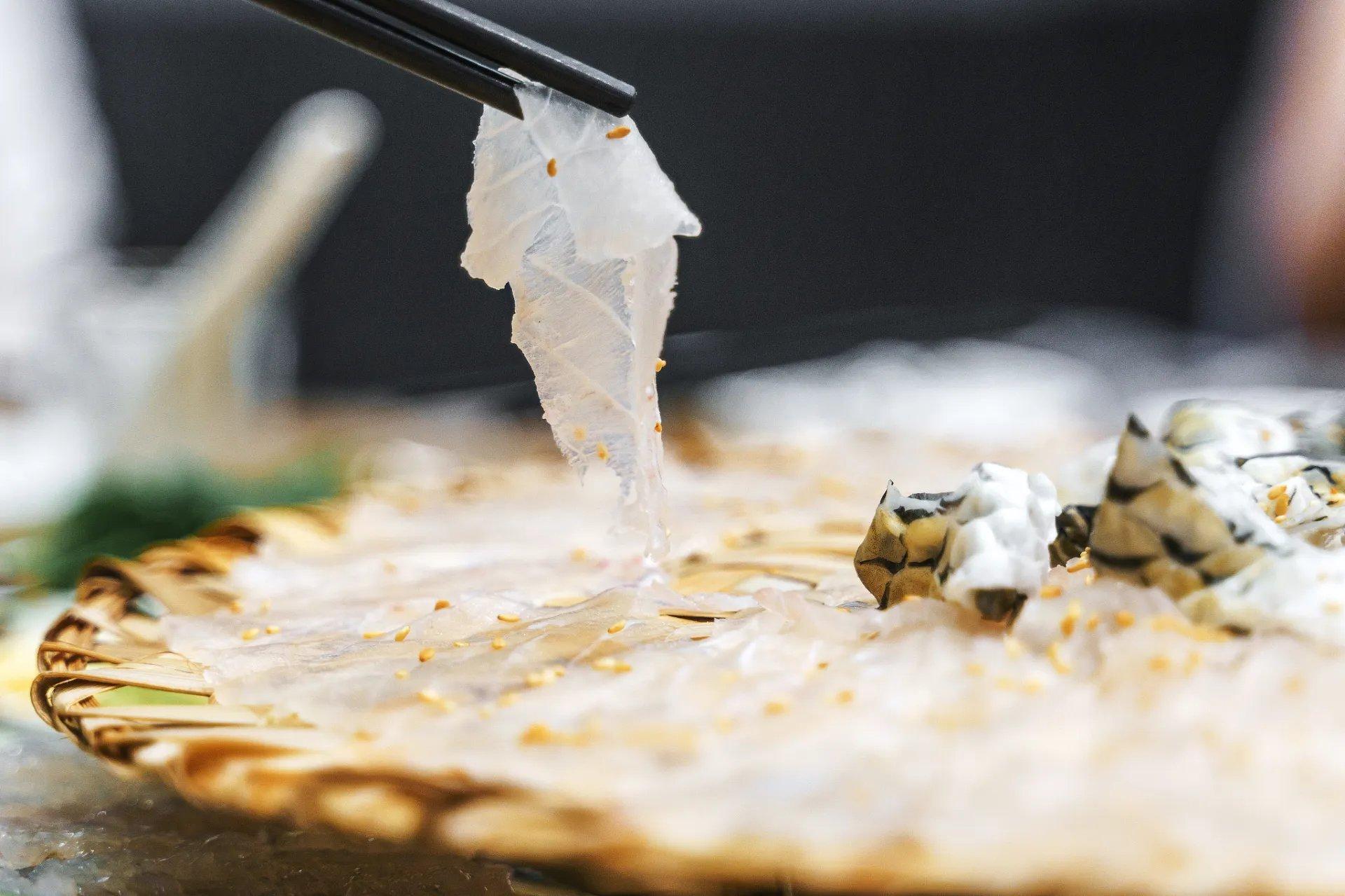
Chaozhou Yusheng ranks among the top three Yusheng varieties in Guangdong, renowned for both its distinct knife work and delectable flavors.

In Chaozhou, chefs expertly slice the fish extremely thinly, exhibiting a delicate balance of red and white flesh, reminiscent of a cicada's wing.

Each slice is uniform in size and, despite its thinness, remains intact.

This precise technique takes merely 3 minutes, ensuring the dish is served promptly to preserve the optimal texture of the fish.

Chaozhou Oyster Pancake

Chaozhou Oyster Pancake

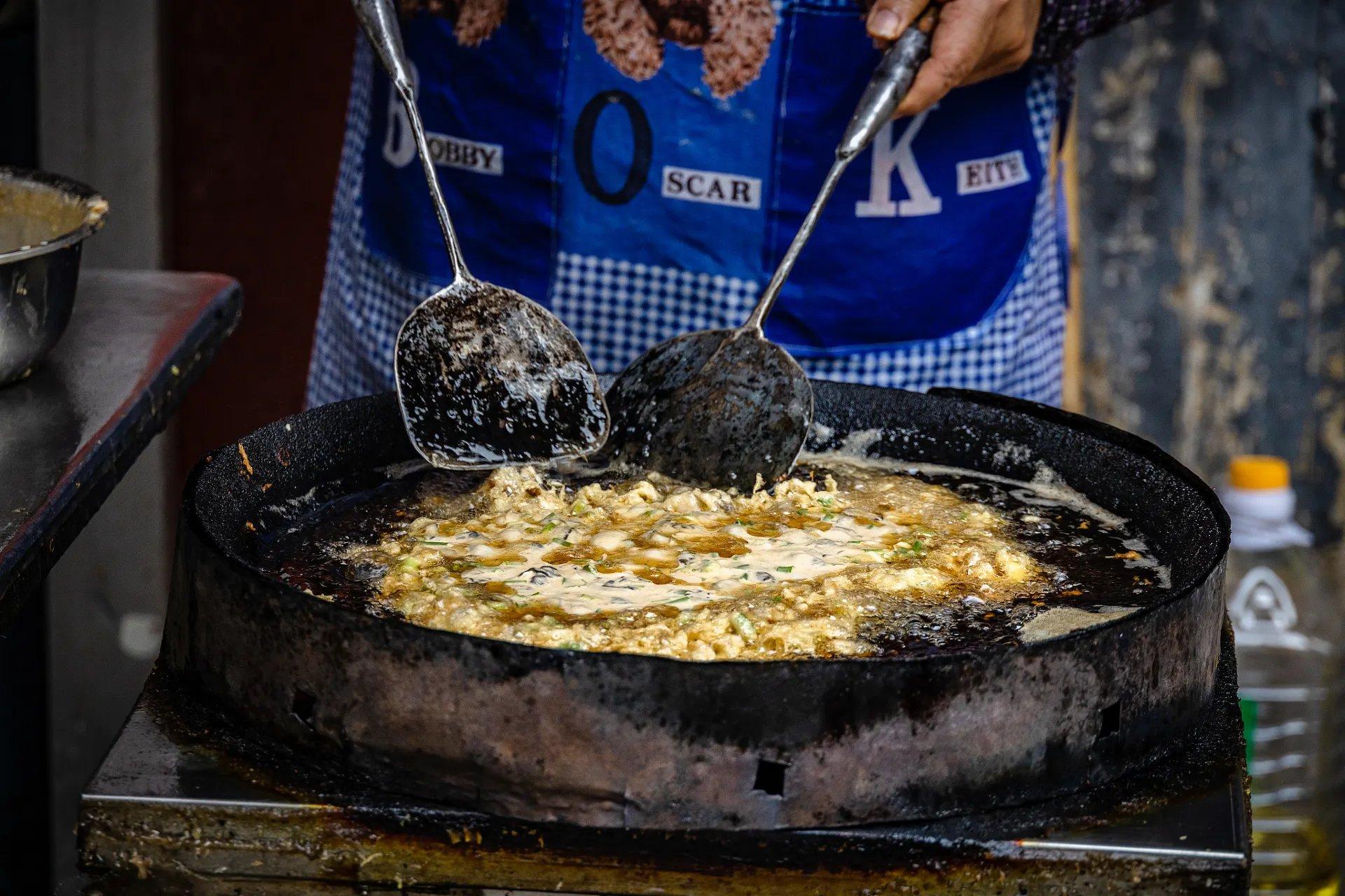
A beloved local snack, this pancake is made with a combination of pan-frying and deep-frying techniques, using raw oysters, lard, and duck eggs as the primary ingredients. The exterior is delightfully crispy, while the inside remains succulent and tender. Both locals and visitors highly favor this dish. For the full experience, make sure to dip it in the regional specialty "fish sauce" to elevate the overall taste.

Chaozhou Beef Balls

Chaozhou Beef Balls

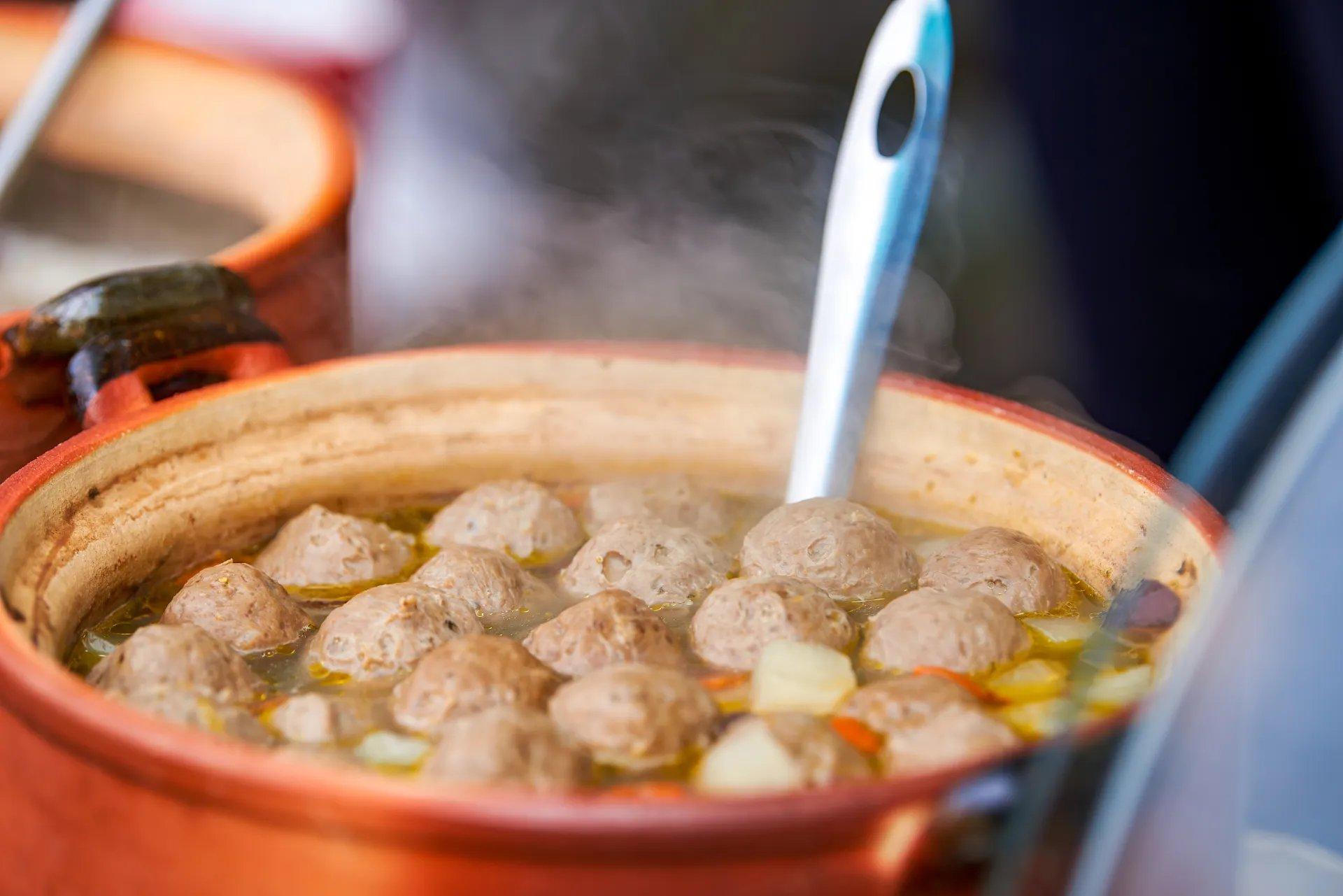
Renowned in Chaozhou, these are available in two varieties: regular beef balls and beef tendon balls. Celebrated for their silky texture and succulent meat, each bite delivers a burst of fresh, sweet flavors and a satisfying firmness.

Duck Mother Twist

Duck Mother Twist

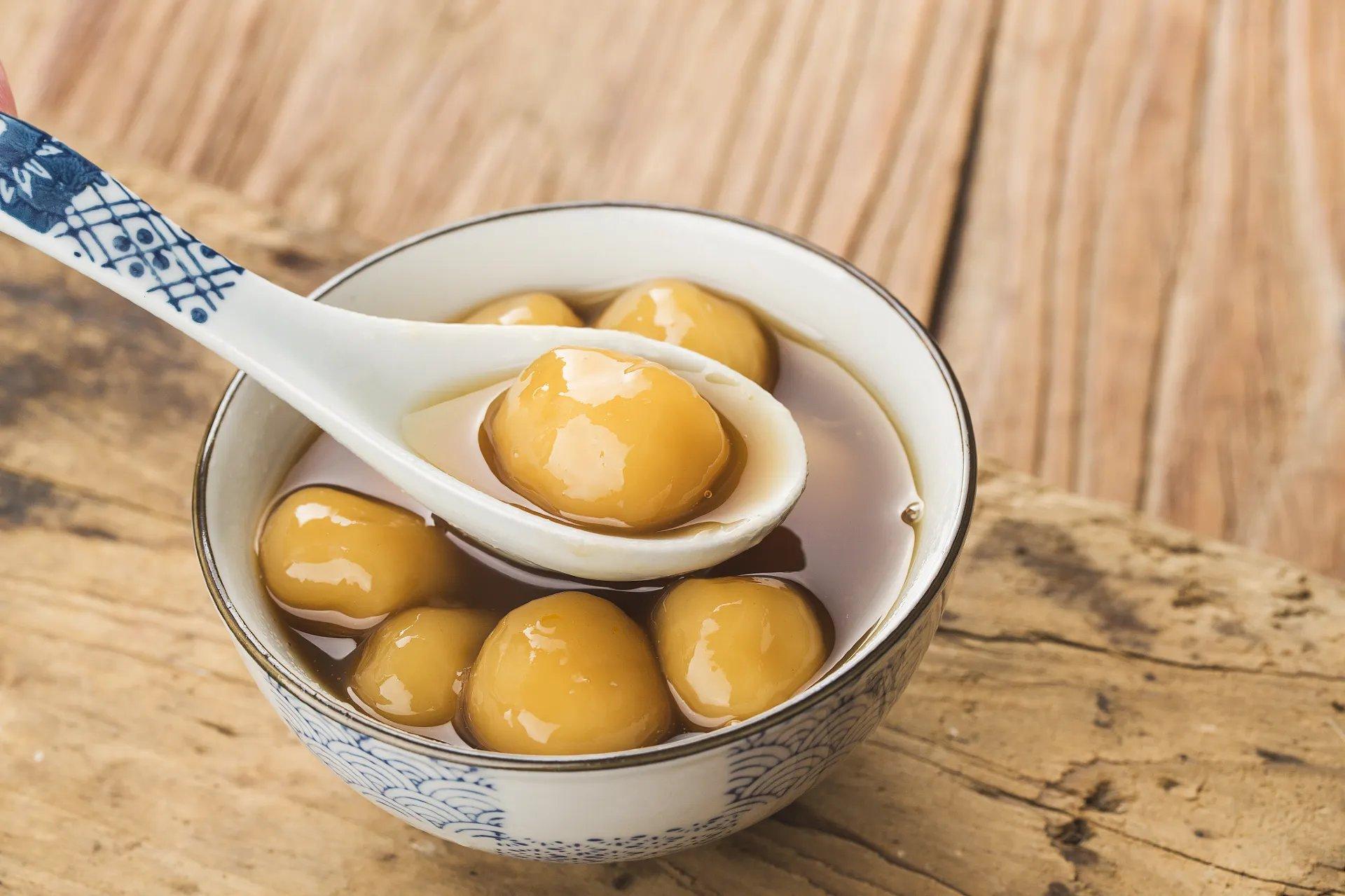
A unique snack from Chaoshan, resembling northern Chinese tangyuan, filled with various ingredients such as mung bean and red bean paste.

Best Time to Visit

Visit in January and March for pleasant weather around 19°C and ample sunshine.

The best time to visit Chaozhou is during January and March. During these months, the weather is pleasant with an average temperature of around 19°C and roughly 200 hours of sunshine, providing excellent conditions for exploring the city's rich cultural heritage and historic sites.

Attraction Highlights

Guangji Bridge (beam-pontoon-arch design), Chaozhou Ancient City, Greenland QingLan Strange Mortar Canyon, and Memorial Temple of Hanyu.

Guangji Bridge

Guangji Bridge

广济桥

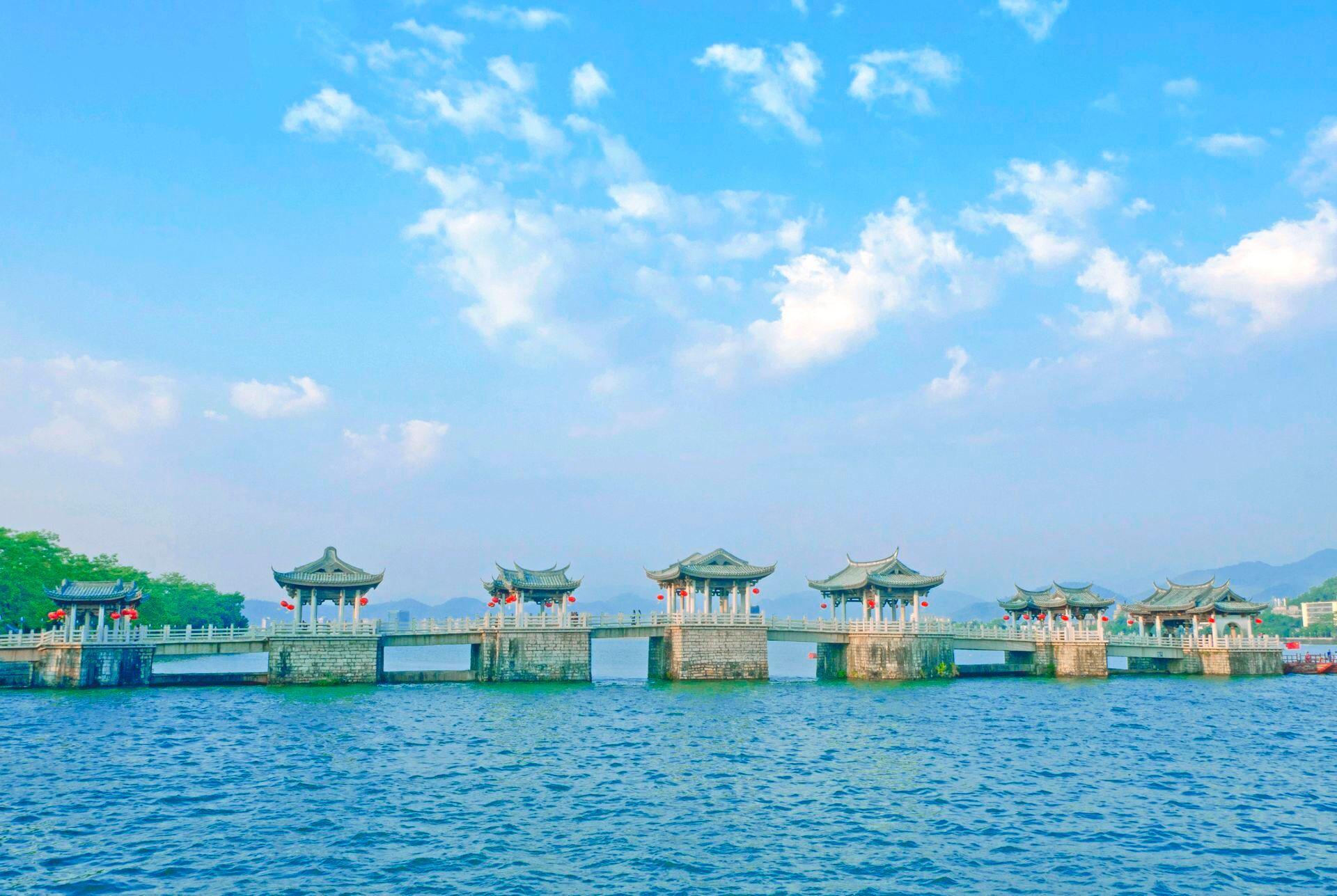
Guangji Bridge, also known as Xiangzi Bridge, spans the Han River in Chaozhou. Built in 1171, it is one of China's Four Ancient Bridges, uniquely combining girder, arch, and pontoon sections. Stone piers support pavilions, while 18 floating boats connect the middle, disassembled each evening for river traffic.

30 minutes
29 CNY
Ancient City of Chaozhou

Ancient City of Chaozhou

潮州古城

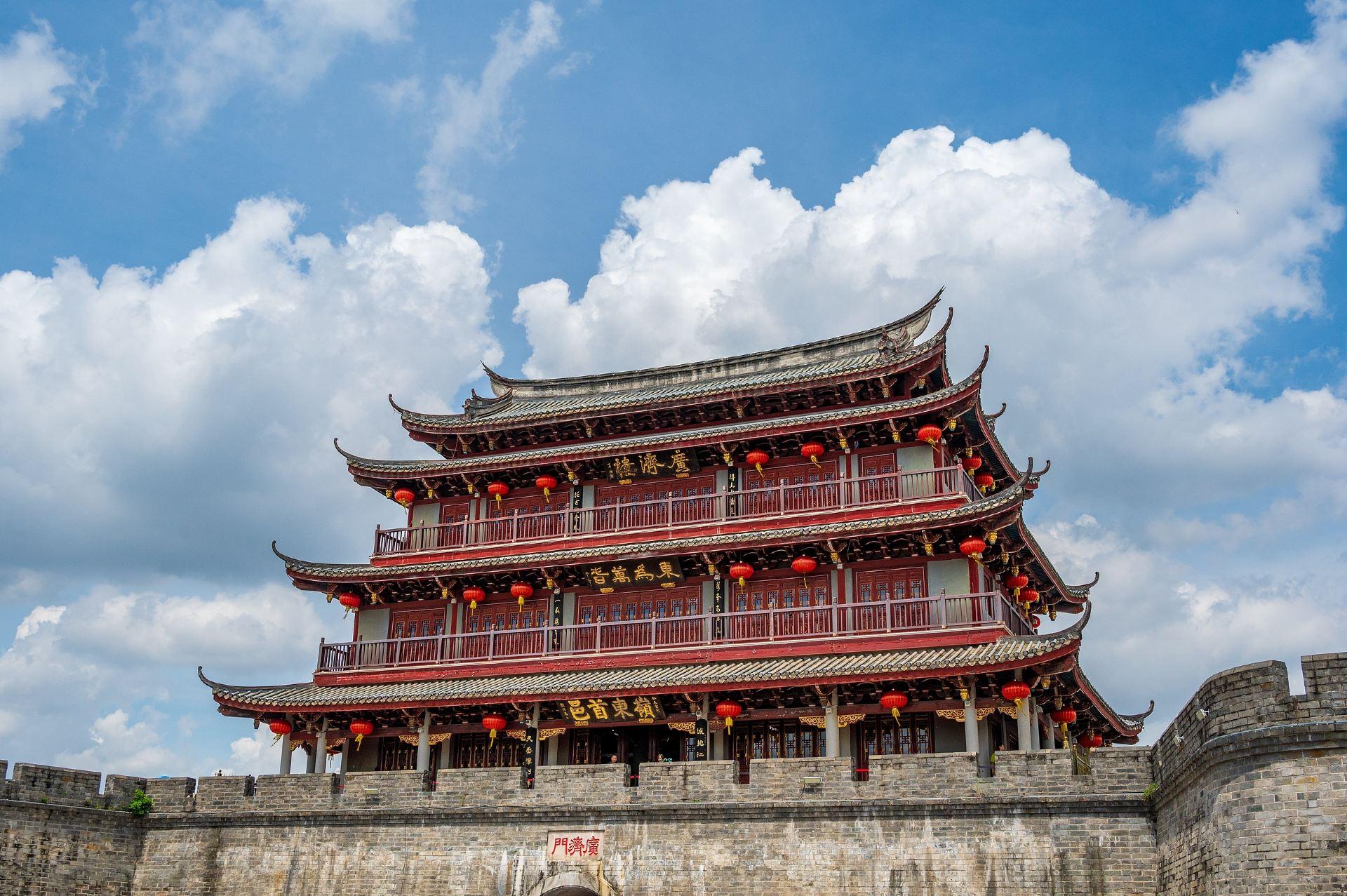
The Ancient City of Chaozhou in Xiangqiao District blends historic landmarks with modern life. Stroll Paifang Street for local flavors, admire wood carvings at Kaiyuan Temple and ancestral halls, and walk the Han River banks to see the city walls, gates, and Guangji Bridge. Enjoy Gongfu tea by West Lake.

3-5 hours
10 CNY
Guangdong Raoping Qinglan National Geopark

Guangdong Raoping Qinglan National Geopark

青岚怪臼谷国家地质公园

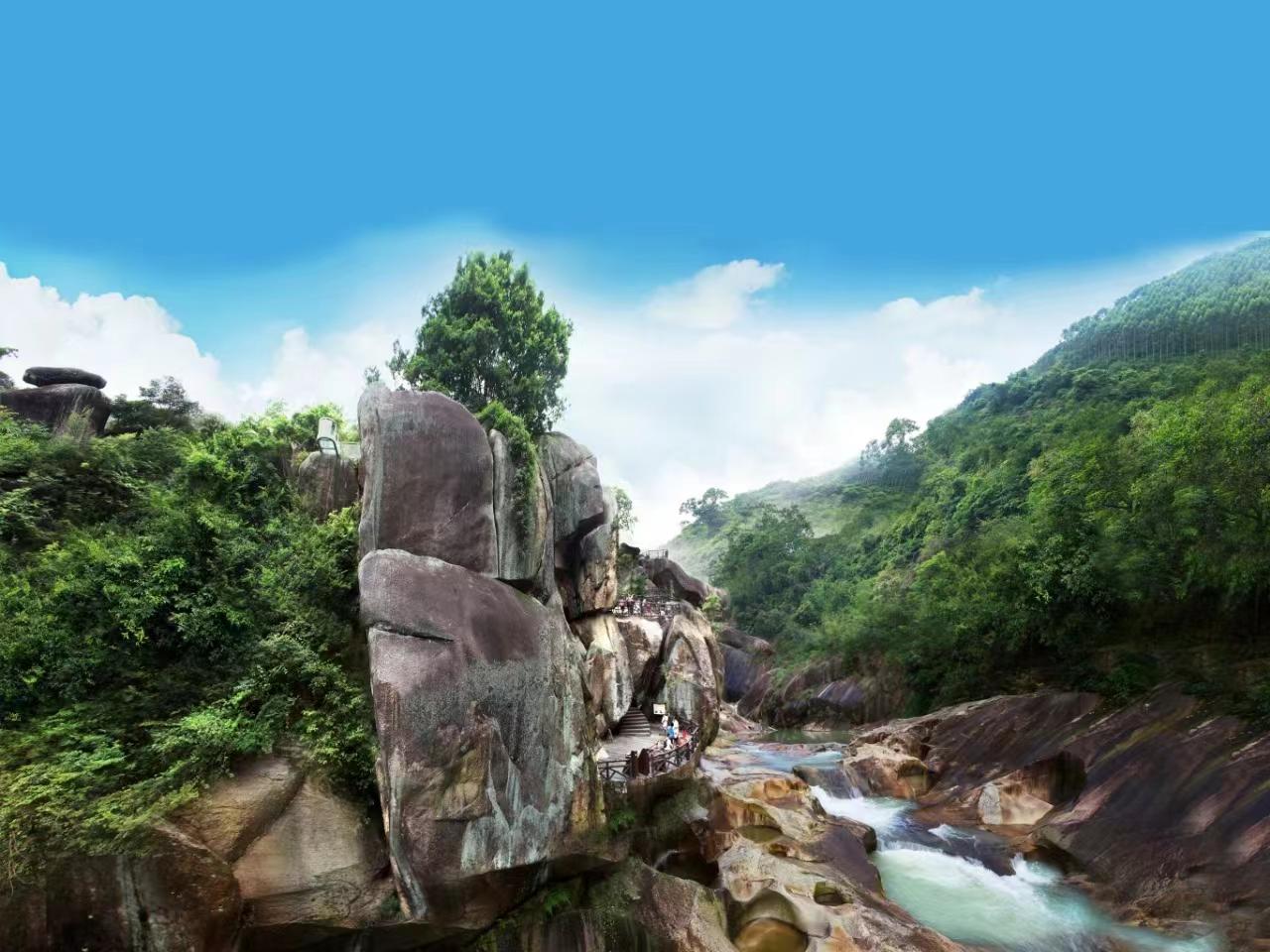
Discover the surreal landscapes of Guangdong Raoping Qinglan National Geopark, where the Gyeki Gye-eup Valley reveals bizarre granite caves, luminous rock formations, and hole-pocked terrain. Endless streams mirror repetitive green mountains, creating an awe-inspiring, otherworldly scene that captivates visitors with its unexplainable natural beauty.

2-4 hours
58 CNY
Memorial Temple To Han Yu

Memorial Temple To Han Yu

韩文公祠

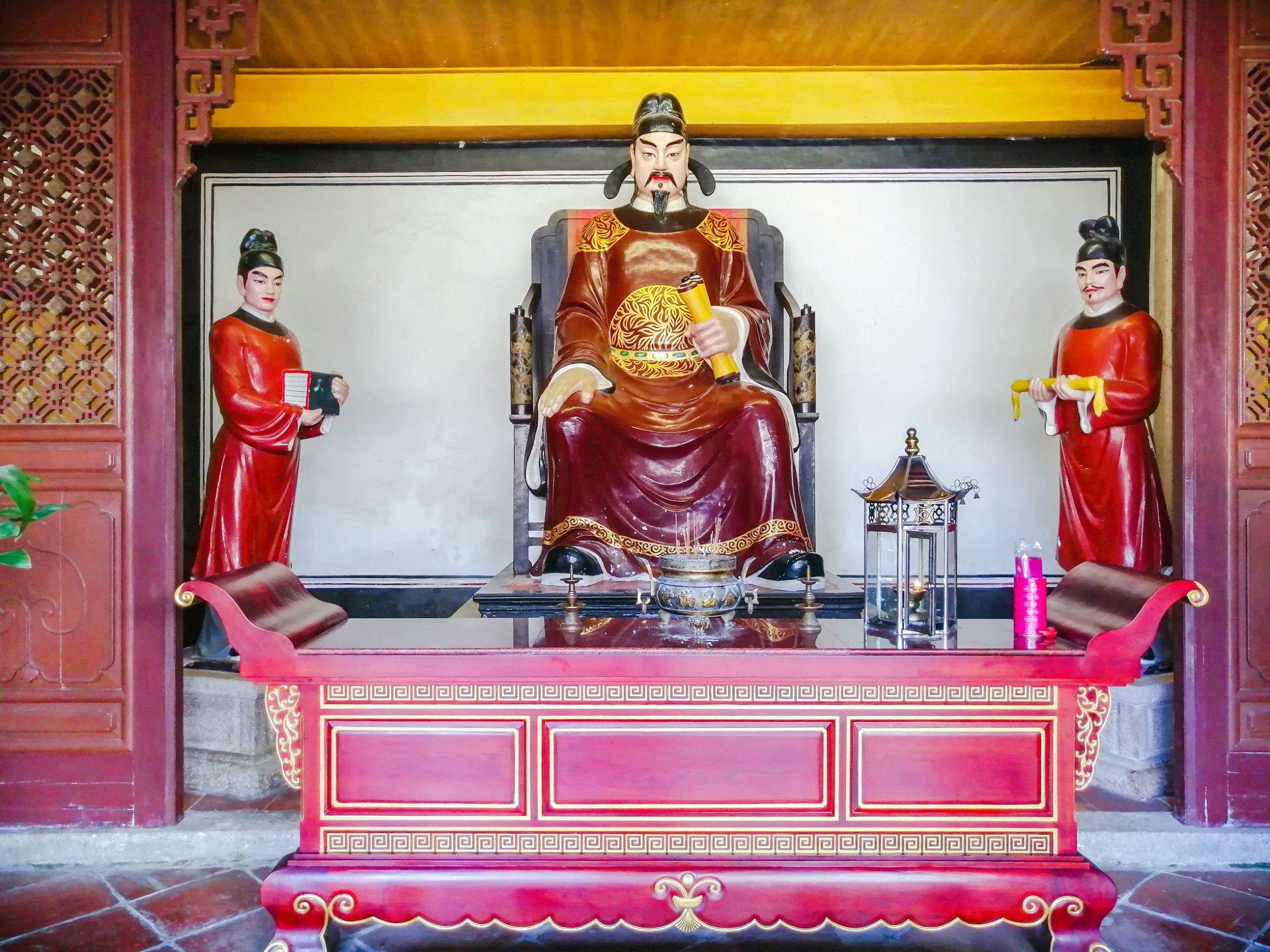
Built in 999 AD, Chaozhou's Han Wen Gong Temple honors Tang Dynasty scholar Han Yu. Set against mountains and rivers, it chronicles his brief but transformative governance—expelling crocodiles, freeing slaves, and advancing education. The Shilang Pavilion offers panoramic city views, reflecting his enduring legacy in Chaozhou.

1-2 hours
Free
Chaozhou West Park

Chaozhou West Park

潮州西湖

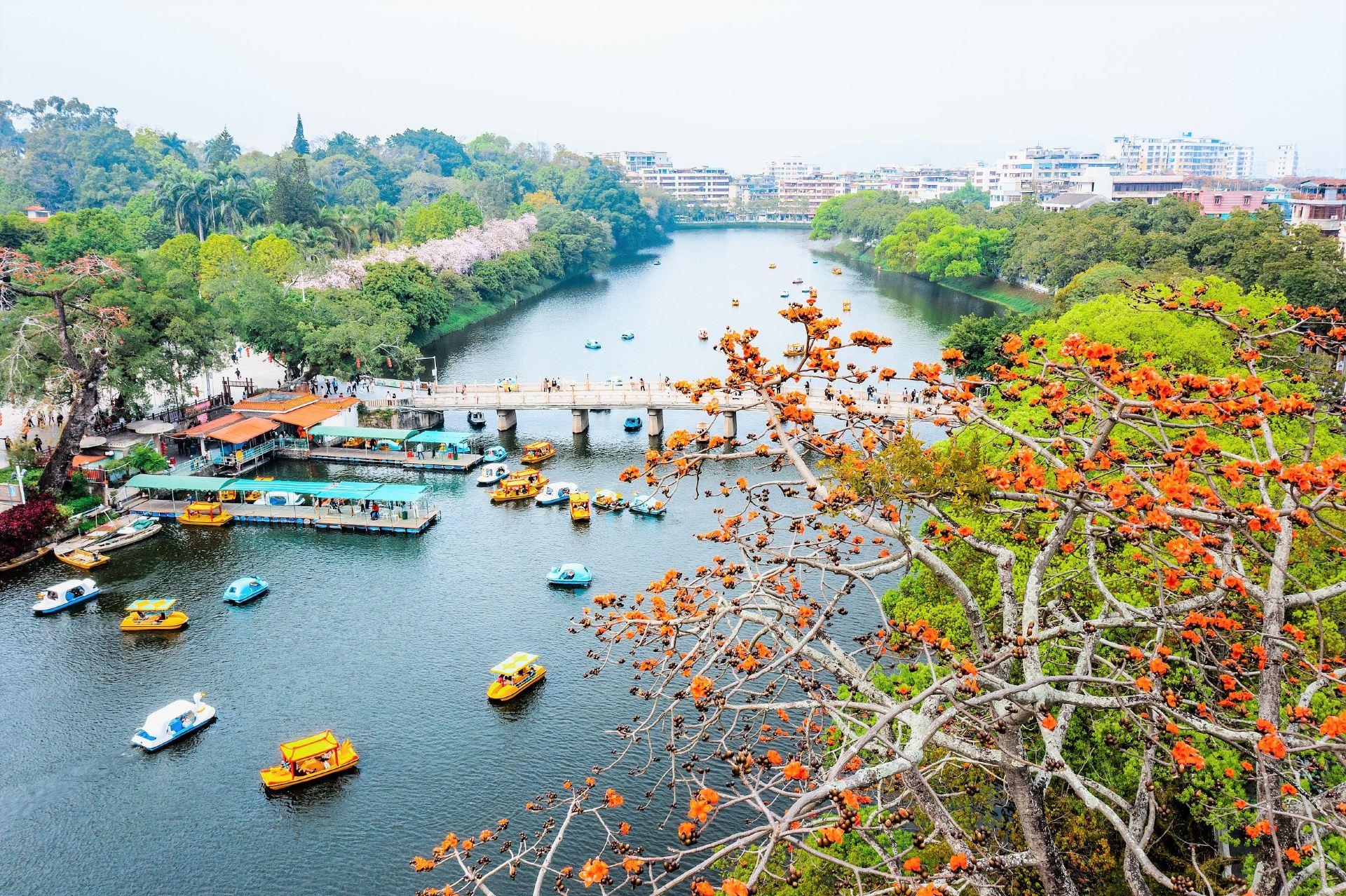
Chaozhou West Lake Park offers a compact yet scenic retreat with lake views, waterside pavilions, and rich cultural relics. Stroll through the antique gate, visit the historic Hanbi Building, enjoy boating, and admire the ancient cliff stone carvings of Hulu Mountain, all marking the divide between old and modern Chaozhou.

1-2 hours
Free

FAQ

What's the most popular attractions in Chaozhou?
The most popular attractions in Chaozhou include Qinglan Guaijiu Valley, Purple Lotus Forest Resort, and Green Sun Ecotourism Resort.

Local Moments

Chaozhou Songju | A Song Dynasty-style Courtyard Hidden in the Ancient City Alley

Song-style courtyard guesthouse in Chaozhou Ancient City, former Liao family mansion. Paifang Street lively by day with local snacks and crafts; quiet at night with red lanterns. Nearby food: fermented bean curd chicken wings, duck mother dumplings, spring rolls, oyster omelet, Chaozhou lion head goose, sesame tea, tofu pudding, oil olive juice, beef hotpot, beef meatballs, sashimi, claypot porridge. Courtyard with longan tree, stone bridge. Rooms blend ancient charm with modern amenities. Butler service, hand-drawn food maps. 1-minute walk to Paifang Street and Zhenhai Tower.

foodaccommodationculturestreet scene

Chaozhou Ancient City · Paifang Street · Zhenhai Tower · Chao Tu Ji · A Bin Hotpot · Feng Chun Bai Zhou

I'm from Chaozhou! I love the little villa I stayed in! It was a guesthouse arranged by a local friend!! The detached villa is simple yet elegant! There's a coffee shop downstairs...

A solo travel guide to Quanzhou, Shaoxing, Weihai, Leshan, Jingdezhen, and Chaozhou, highlighting local food, scenic spots, and transportation tips. Each city offers unique experiences: Quanzhou's historic streets and seafood, Shaoxing's water town charm, Weihai's coastal cycling, Leshan's street food, Jingdezhen's ceramics culture, and Chaozhou's beef hotpot and tea.

foodculturenaturesolo travel

Quanzhou · Shaoxing · Weihai · Leshan · Jingdezhen · Chaozhou · Kaiyuan Temple · West Street · Luoyang Bridge · Xunpu Village · Lu Xun's Former Residence · Shen Garden · Cangqiao Straight Street · East Lake · Torch 8th Street · Coastal Road · Naxianghai · Leshan Giant Buddha · Suji Ancient Town · China Ceramics Museum · Sanbao Village · Taoxichuan · Guangji Bridge · Paifang Street

Last updated 10/8/2026 · published