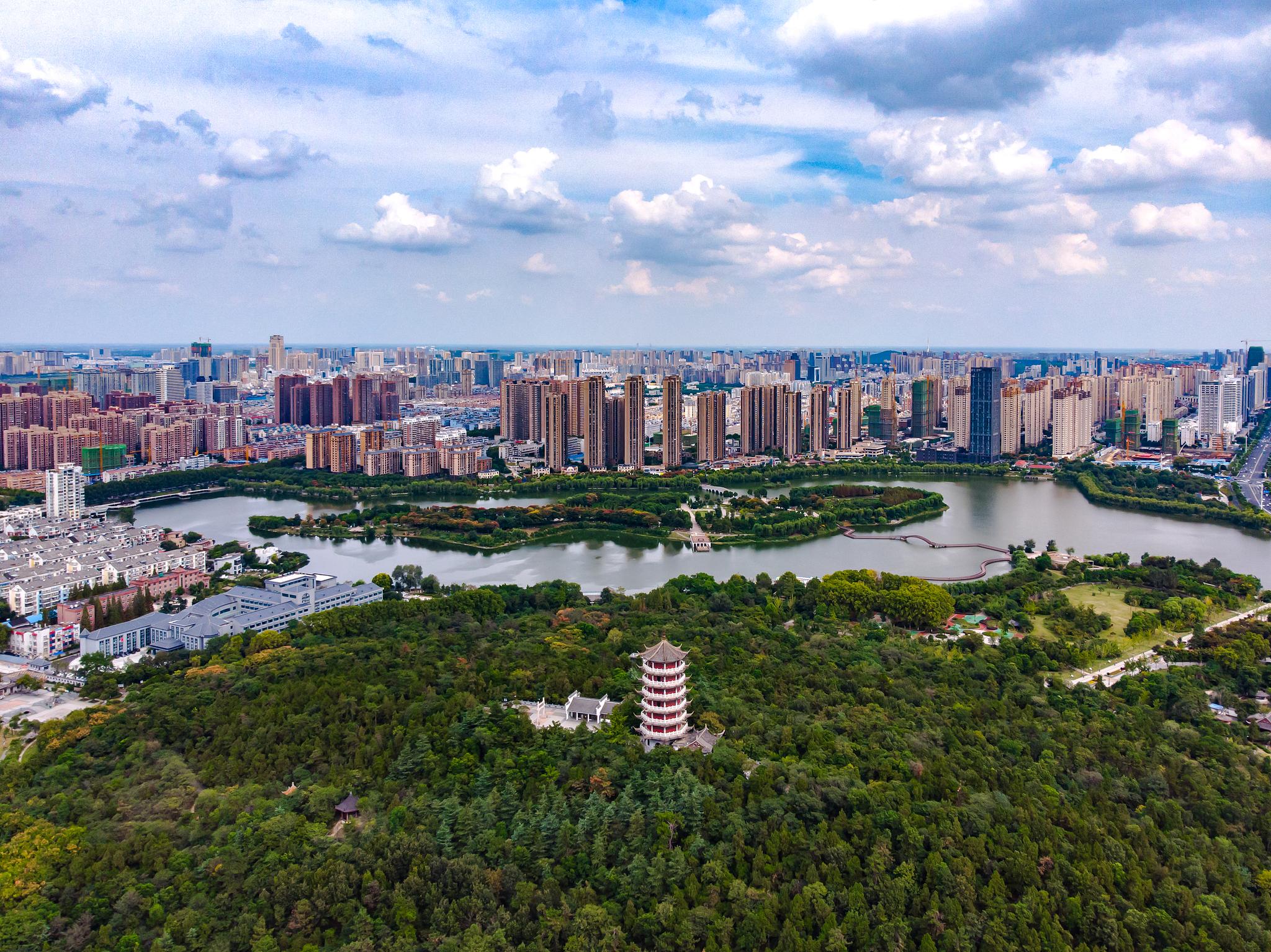
Bengbu is a city in Anhui Province, China, situated on the Huai River. It serves as a regional transportation hub and offers a mix of natural and cultural attractions. Notable sites include Longzihu Scenic Area, a large lake district in the east; Zhanggongshan Park, the city's largest park in the southwest; and the New Bengbu Museum, which showcases local history. Other points of interest are Qiyan Temple on Zuizi Mountain and Tu Mountain. The city center is located at approximately 117.39°E, 32.94°N.
Overview
Bengbu is a city in Anhui Province on the Huai River, serving as a transportation hub with natural and cultural attractions like Longzihu Scenic Area and Zhanggongshan Park.
Ideal Pace
1-2 days
Seasonal Window
Pleasant spring and autumn
Overview
Bengbu, on the Huai River, offers Longzihu Scenic Area, a large lake district, and Zhanggongshan Park, the city's largest park.
Getting There & Around
Connected by rail and road; Bengbu Railway Station serves high-speed trains. Central location for reaching Longzihu (east) and Zhanggongshan Park (southwest).
Transportation
Bengbu is well-connected by rail and road, with Bengbu Railway Station serving high-speed and conventional trains. The city center provides a central reference point for navigating to attractions such as Longzihu Scenic Area (east) and Zhanggongshan Park (southwest). Local buses and taxis are available for getting around. For specific routes, visitors should consult current schedules and maps.
Practical Information
Hot summers, cool winters. Longzihu recommends half a day, New Bengbu Museum 2–3 hours. Check opening hours and admission fees in advance.
Practical Info
Visitors to Bengbu should plan for varying weather, with hot summers and cool winters. Many attractions, like Longzihu Scenic Area, recommend half a day to explore, while the New Bengbu Museum may take 2–3 hours. It is advisable to check opening hours and admission fees in advance. The city center coordinates (117.39°E, 32.94°N) can be used as a general reference point.
Top Experiences
Explore Longzihu Scenic Area, a vast lake for walking; visit ancient Qiyansi temple; relax in Zhanggongshan Park; discover history at New Bengbu Museum; hike Tu Mountain.
- Longzihu Scenic Area: A vast lake four times the size of West Lake, ideal for walking and leisure.
- Qiyansi: An ancient temple first built in the Han Dynasty on Zuizi Mountain.
- Zhanggongshan Park: The largest park in Bengbu.
- New Bengbu Museum: Discover local history.
- Tu Mountain: Consider for a short hike.
Best Time to Visit
Temperate climate; spring and autumn are pleasant for sightseeing. Summer hot and humid, winter cold.
Bengbu has a temperate climate. Spring and autumn are generally pleasant for sightseeing. Summer can be hot and humid, while winter is cold. No specific seasonal events are confirmed from available sources.
Attraction Highlights
Attractions include the expansive Longzihu Scenic Area, ancient Qiyansi temple, Zhanggongshan Park, the New Bengbu Museum, and scenic Tu Mountain.
Longzihu Scenic Area
Longzihu Scenic Area, located in eastern Bengbu, is a large lake area four times the size of West Lake. It features Xuehua Mountain on the southwest bank and Cao Mountain on the northeast. The lake is dotted with trestle bridges, perfect for walking and leisure. The Longhu Bridge divides the lake into north and south sections, with main attractions concentrated north of the bridge and in Longzihu Park on the west bank. A notable landmark is the north-south boundary sign near Anhui University of Finance and Economics, marking the Huai River as the climatic divide between northern and southern China.
Qiyansi
Qiyansi, also known as Baishi Temple, is located on Zuizi Mountain in the eastern suburbs of Bengbu. First built in the Han Dynasty, it was reconstructed in the early Tang Dynasty after war damage. The temple's halls are made of white rock, giving it its common name. In the early Ming Dynasty, Emperor Hongwu expanded the complex, adding a Great Buddha Hall, Monk Hall, Sutra Pavilion, and Pagoda Courtyard, making it a popular site.
Zhanggongshan Park
Zhanggongshan Park, the largest park in Bengbu, covers 72 hectares and features Zhanggong Mountain and Huapi Lake. It offers beautiful landscapes, a zoo, and various recreational facilities. Open 24/7.
New Bengbu Museum
The New Bengbu Museum showcases Bengbu's ancient history, modern urban development, and Huaihe culture across 12,000 square meters of exhibition space. Open 9:00 AM-5:00 PM (last entry 4:30 PM).
Tu Mountain
Tu Mountain is a scenic spot in Yuhui District, Bengbu, open year-round 24/7. It offers natural beauty and a peaceful retreat.
Bengbu Flower Drum Lantern Carnival
The Bengbu Flower Drum Lantern Carnival presents traditional Huaihe River Basin dance, song, and drama. Performances are lively and rich in local flavor. Note: currently closed; check hours.
The Flower Expo Park of Bangbu
The Flower Expo Park of Bangbu is a modern flower industry park with tourism and sightseeing. Peak seasons are spring and autumn, especially during the Tulip Expo in early April. Open 8:30 AM-5:30 PM.
Hequan Farm
Hequan Farm, located at the foot of Mount Tu in Bengbu's western suburb, offers a rural escape with seasonal fruit picking in its orchards, a deer field for children, and nearby hiking at Jingtu Mountain. Visitors can stay in log or bamboo cabins.