Ankang is a city in Shaanxi Province, China, situated along the Han River. It serves as a gateway to natural attractions such as Yinhu Lake, Zhongba Grand Canyon, and Tayun Mountain. The city center is located at approximately 108.89°E, 32.74°N.
Overview
Ankang in Shaanxi Province, on the Han River, offers Yinhu Lake for boating, Zhongba Grand Canyon with cliffs, and Qinling Canyon Drift for rafting.
Ideal Pace
2-3 days
Seasonal Window
Spring and autumn are pleasant
Overview
Ankang in Shaanxi Province, on the Han River, is a gateway to natural sites including Yinhu Lake, Zhongba Grand Canyon, and Tayun Mountain.
Getting There & Around
City center at 108.89°E, 32.74°N. Attractions spread across Ankang, Shiquan, Ningshan, and Zhen'an; local transport or private vehicles recommended.
Transportation
Ankang is accessible by road and rail. The city center coordinates (108.89°E, 32.74°N) can be used as a reference point for navigation. Attractions are spread across areas including Ankang, Shiquan, Ningshan, and Zhen'an, so local transport or private vehicles are recommended.
Practical Information
Yinhu Lake and Qinling Canyon Drift require 3-4 hours; Zhongba Grand Canyon may take a full day. Check local conditions before visiting.
Practical Info
Visitors to Ankang should plan for varying travel times to attractions. For example, Yinhu Lake and Qinling Canyon Drift typically require 3-4 hours, while Zhongba Grand Canyon may take a full day. Check local conditions before visiting.
Top Experiences
Ankang offers Yinhu Lake for boating and fishing, Zhongba Grand Canyon for narrow canyons and cliffs, and Qinling Canyon Drift for whitewater rafting.
Ankang offers a range of natural attractions.
- Yinhu Lake: a large freshwater lake ideal for boating and fishing.
- Zhongba Grand Canyon: a narrow and scenic canyon with towering cliffs.
- Qinling Canyon Drift: an adventure activity.
- Han River Three Gorges: picturesque river views.
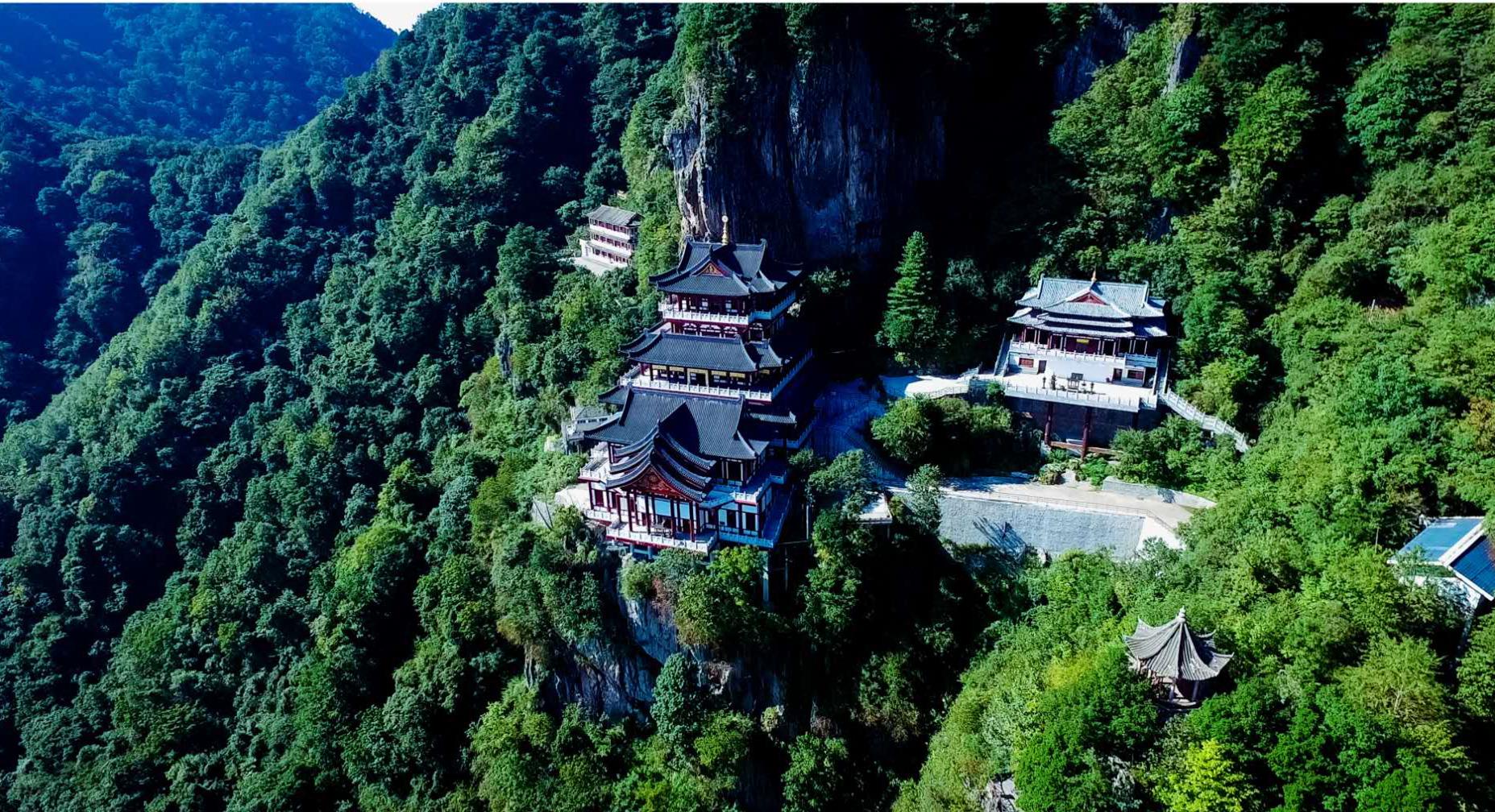
- Tayun Mountain: a pagoda-shaped peak with a temple at the summit.
Food Highlights
Sample Han River dishes, local tea, and market snacks around Ankang old town.
Taste Ankang river cuisine
Sample simple Han River dishes, local tea, and market snacks around Ankang old town.
Best Time to Visit
Temperate climate. Spring and autumn pleasant for outdoor activities. Summer warm but lake/canyon areas cooler; winter cold with limited hours at some sites.
Ankang has a temperate climate.
- Spring & Autumn: Generally pleasant for outdoor activities.
- Summer: Can be warm, but lake and canyon areas offer cooler retreats.
- Winter: Cold, and some attractions may have limited hours.
Check local conditions before planning your visit.
Travel Tips
Keep transfers flexible, carry a translation app, and allow extra time for countryside day trips.
Plan around riverside transfers
Keep transfers flexible, carry a translation app for smaller stations, and leave extra time for countryside day trips.
Attraction Highlights
Yinhu Lake Scenic Spot, Zhongba Grand Canyon, Qinling Canyon Drift, Han River Three Gorges, and Tayun Mountain Scenic Spot.
Yinhu Lake Scenic Spot
Yinhu Lake is a large freshwater artificial lake at the foot of Tianzhu Mountain, southwest of Ankang. Surrounded by gentle hills with dense vegetation, it is a popular summer destination. Activities include rowing, speedboating, and fishing. Several restaurants serve fresh local fish like silverfish and mandarin fish.
Zhongba Grand Canyon
Zhongba Grand Canyon stretches over 10 kilometers, comprising the Grand Canyon, Small Canyon, Niuxin Gorge, Dragon Cave, and Huang Village Dam Garden. The canyon is narrow and winding, with vertical rock faces over 1,000 meters high. Dense forest covers the area, and in many places the sky is barely visible. It offers a wild and tranquil experience.
Qinling Canyon Drift
Qinling Canyon Drift, also known locally as Guanghuojie Rafting, offers an exhilarating 6-kilometer journey through the Qinling Mountains. With a drop of 150 meters, 19 bends, and 10 rapids, it is hailed as the "No. 1 Rafting in the Mountains." Visitors can enjoy the scenic canyon by rubber boat, either in groups of 5-6 or as a couple. The adventure includes self-driving rafting boats that navigate a 220-meter drop, passing through forests and bridges. The area also features rock climbing and archery, set amidst lush greenery and clear waters.
Han River Three Gorges
The Han River Three Gorges scenic area in Shiquan County showcases the beauty of the Han River, a cradle of Chinese civilization. The boat tour starts at Lotus Ancient Ferry and passes through Fenghuang (Phoenix) Gorge, Liuxi (Willow Creek) Gorge, and Xiangbai (Fragrant Cedar) Gorge, ending at Xi River Guiyuan Scenic Area. Known as the "Qinba Mountain Water Gallery," this area offers stunning riverscapes and a glimpse into the region's cultural heritage.
Tayun Mountain Scenic Spot
Tayun Mountain, shaped like a pagoda reaching into the sky, features the Jinding Guanyin Temple perched on its peak, surrounded by abysses on three sides. The scenic spot includes the steep Chifeng Mountain to the left, offering panoramic views of Tayun Mountain, and the lush Dongfeng Mountain to the right. Visitors can marvel at the superb architectural skills and enjoy the natural beauty of the area.
Yanshan Waterfall
Yanshan Waterfall, located in Shiquan County near the Hanjiang River, is a scenic area featuring waterfalls, green pools, streams, cliffs, and ancient vines. Nestled between Qinglong Mountain and Dayan Mountain, it boasts a unique microclimate that creates a series of stunning landscape paintings. Praised as an "ecological three-dimensional waterscape," the area is easily accessible via national highway and Hanjiang waterway.
Yinghu Cuiping Island
Cuiping Island, part of Ying Lake, features Suzhou-style gardens. Highlights include the 161-metre Yuqing Suspension Bridge, a 4-star hotel, and a botanical garden with ancient 'pigeon trees' and cherry blossoms. The island's lush greenery resembles a peacock's tail from above.
Shuhe Ancient Town
Shuhe Ancient Town sits at the confluence of the Shu and Han rivers, historically a key transport hub known as 'Little Hankou'. Its name dates back to the Western Zhou Dynasty. The town boasts cultural attractions and rich heritage from the late Ming and early Qing dynasties.
FAQ
How many days should I spend in Ankang?
Two to three days is enough for a relaxed city stay plus one countryside or riverside excursion.